How to Prepare for a Long Hike: Training, Packing & Trail Tips

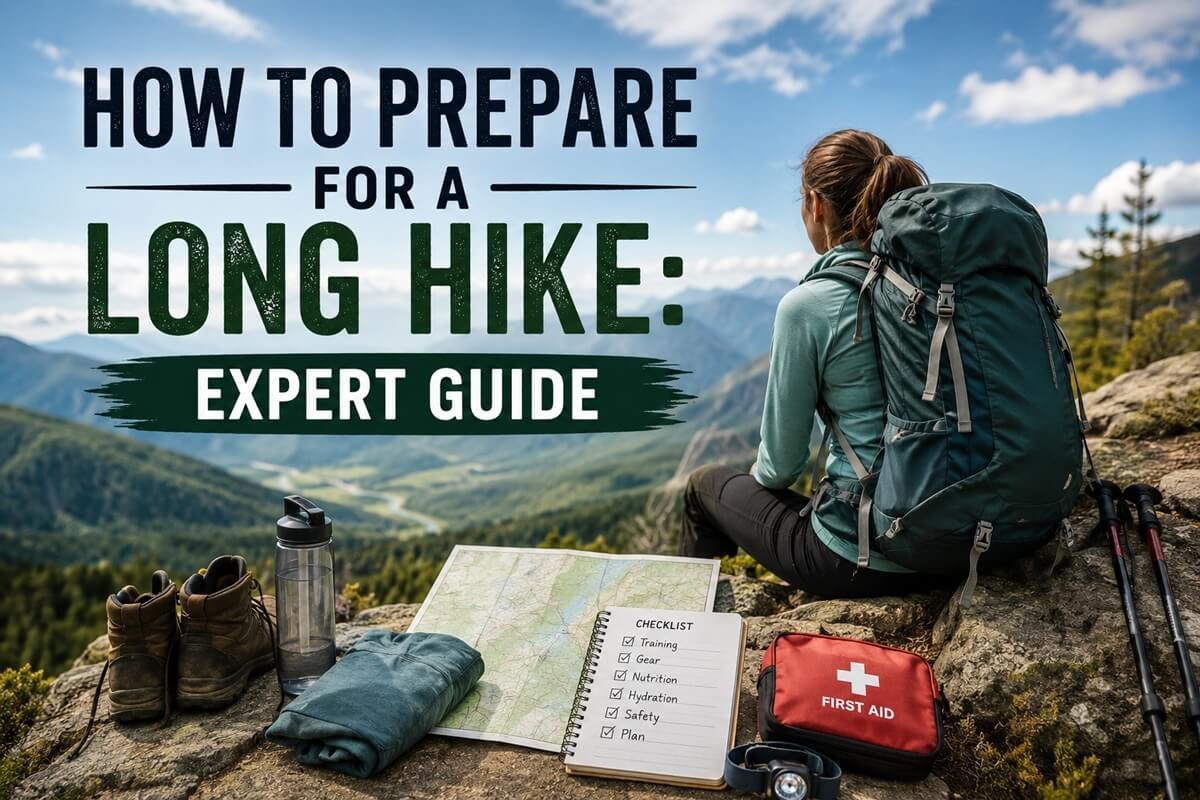
Preparing for a long hike involves much more than putting on a pair of hiking boots. Whether you’re planning a challenging day hike, a 15-mile trek, or a multi-day backpacking adventure, the right preparation can help prevent injuries, reduce fatigue, and make your experience safer and more enjoyable.
After completing countless hikes across different terrains and weather conditions, I’ve learned that success on the trail depends on three things: proper physical training, reliable gear, and careful planning. Small mistakes—such as wearing untested boots, carrying too little water, or underestimating the weather—can quickly turn an exciting adventure into a difficult experience.
In this complete guide, you’ll learn how to prepare for a long hike step by step. We’ll cover physical training, choosing the right gear, planning your route, packing the Ten Essentials, staying properly hydrated and fueled, handling common trail challenges, and recovering after your hike. Whether you’re preparing for your first long-distance hike or looking to improve your next adventure, these practical tips will help you hike farther, stay safer, and enjoy every mile with confidence.
Physical Preparation: Get Your Body Ready for the Challenge

Training for a long hike starts well before you hit the trailhead. Long hikes can be a different beast even if you’re a casual walker or weekend hiker. You’ll need to build endurance and strength, especially if you plan to carry a backpack.
Start Small and Build Up
Begin with shorter hikes or regular walks, gradually increasing distance and elevation. Your legs, feet, and back need time to adjust to the demands of longer treks.
Strength Training
Focus on strengthening your core, legs, and back. Lunges, squats, and step-ups are fantastic for mimicking the motions of hiking uphill or navigating uneven terrain. Building a strong core will help you maintain balance on challenging trails.
Cardio Workouts
Hiking requires a lot of cardiovascular stamina. Activities like running, cycling, or swimming will help boost your endurance. If possible, mix in some hill workouts to simulate the strain of climbing.
Hike with Your Pack
It’s important to train with the weight you’ll be carrying. Fill your pack with some weight and practice hiking with it on. This way, your body gets used to the extra load, and you’ll avoid back pain or discomfort on your actual hike.
Gear Preparation: Don’t Skimp on the Essentials
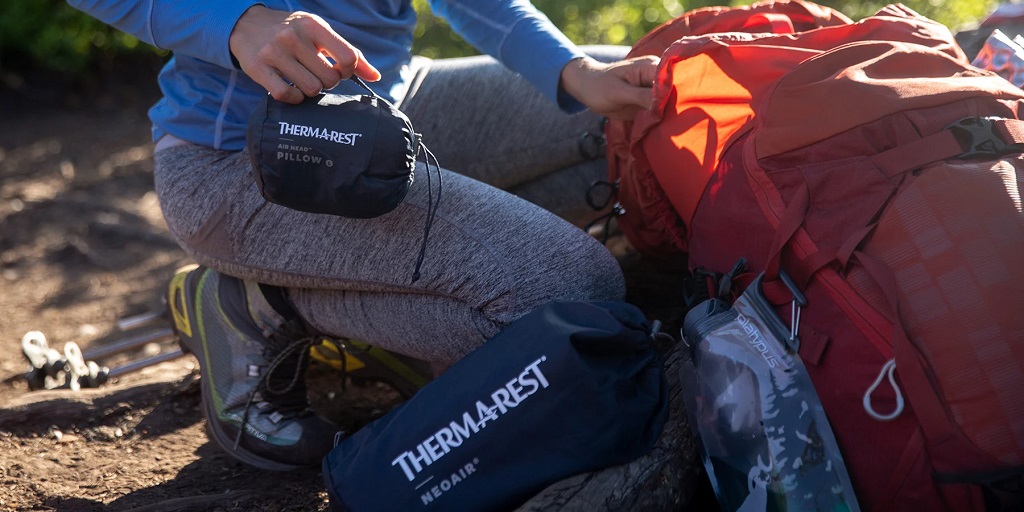
The gear you bring can make or break your hiking experience, and there’s no such thing as being over-prepared. Having hiked in various terrains and conditions, I’ve learned firsthand what’s necessary to ensure a smooth journey.
Footwear
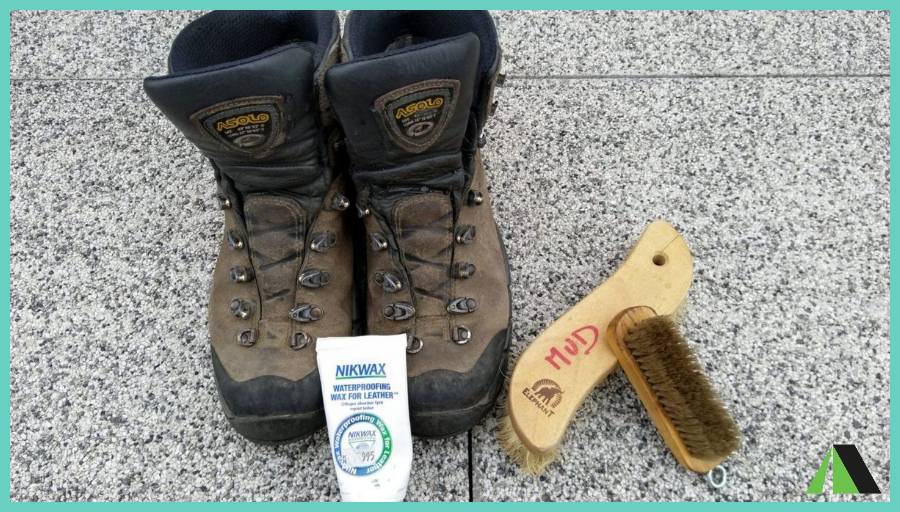
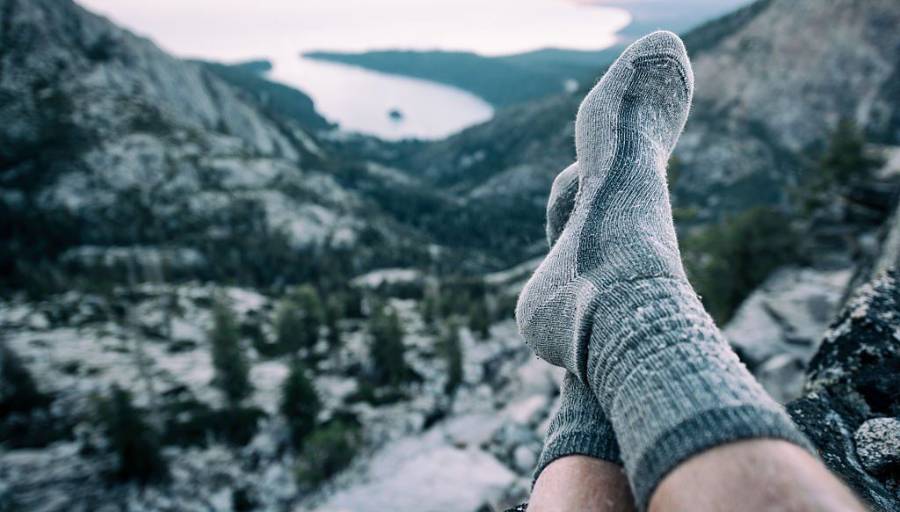
Choosing the right hiking boots or shoes is crucial. Make sure they’re well broken-in before your hike to avoid painful blisters. Invest in moisture-wicking, durable hiking socks as well. Your feet are your biggest asset on the trail, and they need to be protected.
Clothing
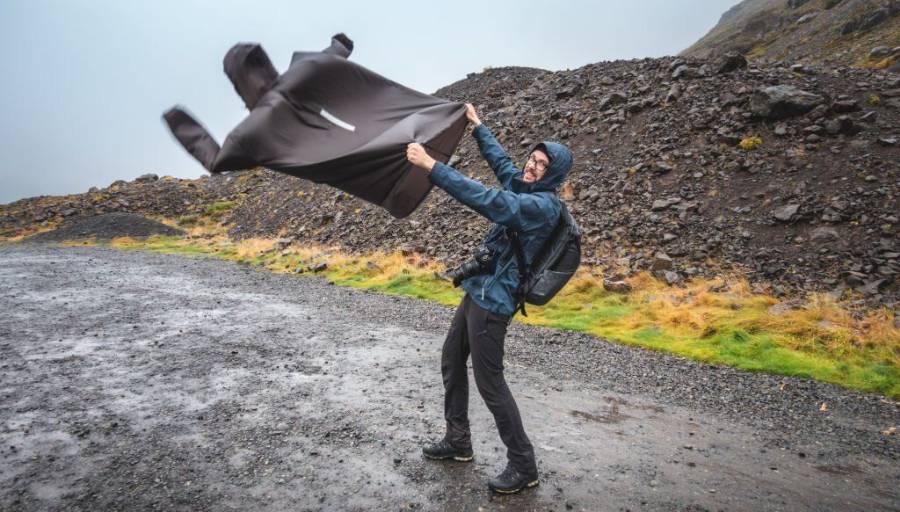
Dressing in layers is essential for regulating your body temperature. Choose moisture-wicking base layers, insulating mid-layers, and a waterproof outer layer to protect you from rain or wind. Weather can be unpredictable, especially on longer hikes.
Backpack
A properly fitted backpack is essential for comfort. It should sit comfortably on your hips, with padded shoulder straps that don’t dig in. The size of your pack will depend on how long you’ll be hiking, but even for day hikes, a good quality daypack with proper support is worth investing in.
Essentials
Always pack the Ten Essentials for safety and survival: a map, compass (or GPS), sun protection, extra layers, a first-aid kit, a headlamp, fire starters, repair tools, extra food, and plenty of water. Even on well-traveled trails, unexpected things happen, and it’s better to be over-prepared than caught off-guard.
Weather, Sun Protection, and Layering
Weather conditions can change quickly, especially in mountains or higher elevations. Check the forecast before leaving, but always pack for conditions that are colder, wetter, or windier than expected.
Dress in Layers
Use the three-layer clothing system:
- Base Layer: Moisture-wicking fabric that keeps sweat away from your skin.
- Mid Layer: An insulating fleece or lightweight down jacket.
- Outer Layer: A waterproof and windproof shell for protection against rain and wind.
The National Park Service recommends dressing in layers so you can easily adjust your clothing as temperatures and weather conditions change throughout the day.
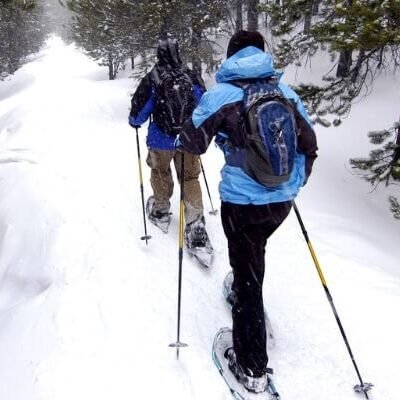
“If you’re hiking during winter or in alpine environments, preparation becomes even more important. Explore our guide about hiking and camping in the snow, where we cover cold-weather clothing, winter safety, and essential gear for snowy conditions.”
Protect Yourself from the Sun
Even on cool or cloudy days, prolonged exposure to ultraviolet (UV) rays can lead to sunburn and dehydration. Wear sunscreen with SPF 30 or higher, UV-protective sunglasses, and a wide-brim hat whenever possible. Higher elevations expose hikers to stronger UV radiation, making sun protection even more important.
Never rely solely on your smartphone for navigation. Batteries can die, signals can disappear, and electronic devices may fail in harsh weather. Always carry a backup navigation method, such as a paper map and compass, and know how to use them before your trip.
Download offline maps before leaving home if you plan to use a GPS app. Tell a trusted family member or friend where you’re hiking, your planned route, and when you expect to return. The American Hiking Society recommends planning your route in advance, checking trail conditions, and carrying the Ten Essentials for every hike, regardless of distance.
Nutrition and Hydration: Fueling Your Body Right
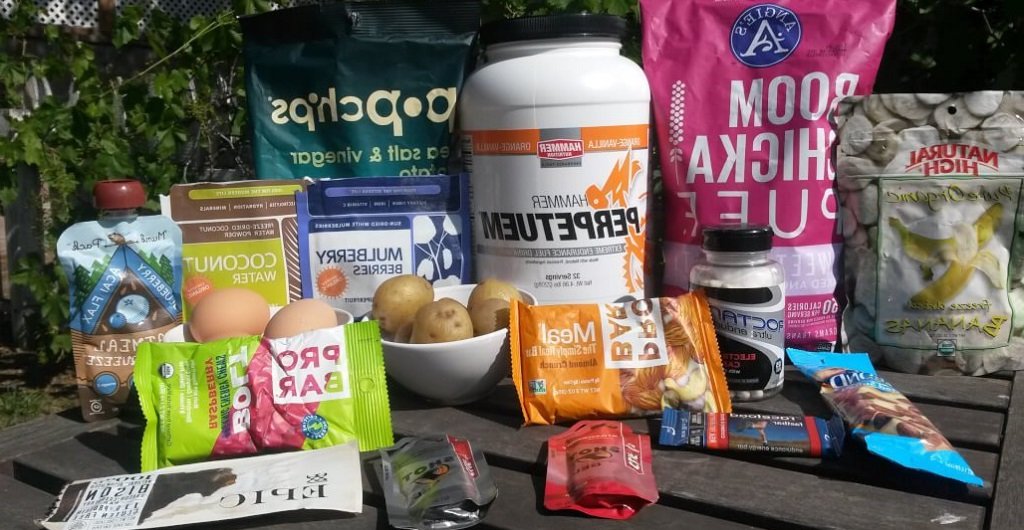
One of the most overlooked aspects of how to prepare for a long hike is knowing how to fuel your body. You’re going to burn a lot of energy, and keeping your energy levels up is key to making it through the day.
Hydration
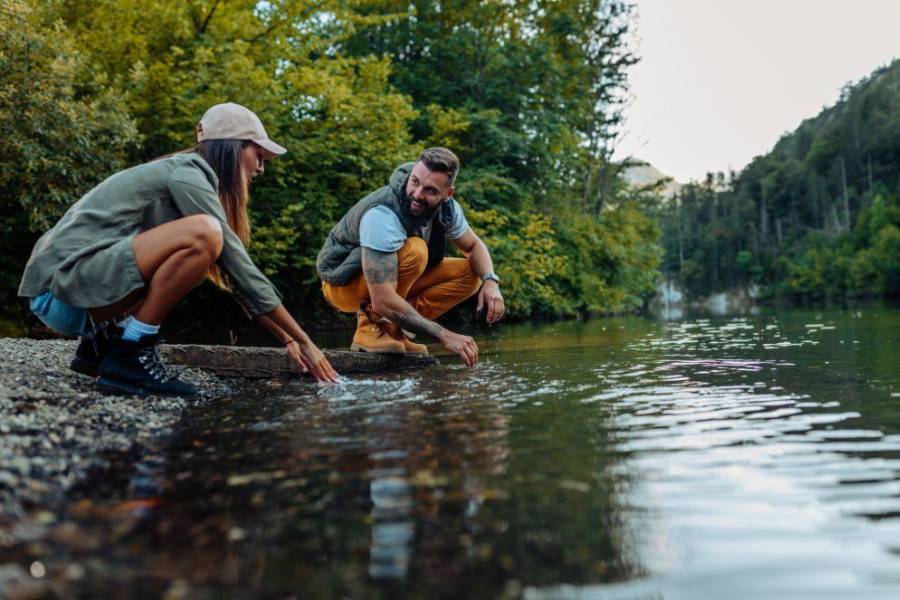
Staying hydrated on a hike is absolutely critical. Bring more water than you think you’ll need, and consider carrying a water filter or purifier if you’re hiking in areas with water sources. Sip water consistently rather than waiting until you’re thirsty.
Dehydration can reduce physical performance, impair decision-making, and increase the risk of heat-related illnesses. Drink water consistently throughout your hike instead of waiting until you feel thirsty. For longer hikes in hot weather, consider replacing electrolytes lost through sweat with electrolyte tablets or sports drinks.
Expert Tips: The Centers for Disease Control and Prevention (CDC) recommends staying hydrated and recognizing early signs of heat-related illness, especially during strenuous outdoor activities.
Avoid Heat Illness
Heat exhaustion and heat stroke are serious risks during long hikes in warm weather. If you’re planning a hike during the hottest months, following these summer hiking tips can help you stay cool, hydrated, and safe on the trail.
Anyway, watch for symptoms such as excessive sweating, dizziness, headache, nausea, muscle cramps, or confusion. Rest in the shade, drink water, and cool your body immediately if symptoms develop. Start your hike early in the morning to avoid hiking during the hottest part of the day.
The CDC recommends taking frequent breaks, staying hydrated, and recognizing the warning signs of heat-related illnesses before they become emergencies.
Snacks and Meals
Pack lightweight, high-energy snacks like trail mix, energy bars, or dried fruit. If your hike is over several hours, plan a meal or two. I like to bring easy-to-prepare backpacking meals or hearty sandwiches. The key is to have something packed with protein and carbs to keep your energy up.
Mental Preparation: Staying Motivated and Focused
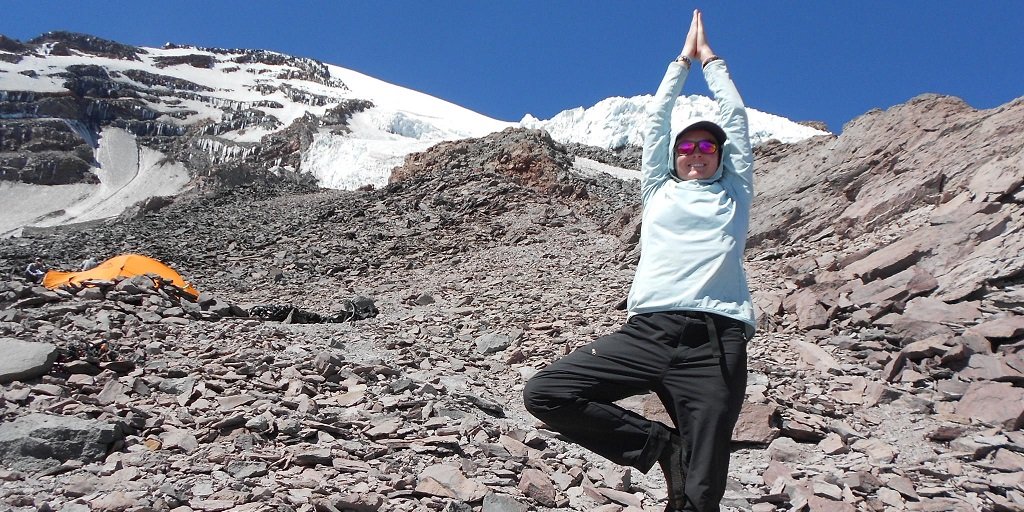
Long hikes are just as much a mental challenge as they are physical. Staying positive and motivated throughout the trek is essential.
Break it Down
Rather than focusing on the entire distance, break the hike into smaller, more manageable sections. Celebrate small victories, like reaching a certain viewpoint or completing a steep section.
Stay Present
It’s easy to get overwhelmed by how much further you have to go, but try to stay present. Enjoy the natural beauty around you, listen to the sounds of nature, and appreciate the experience.
Have a Hiking Buddy
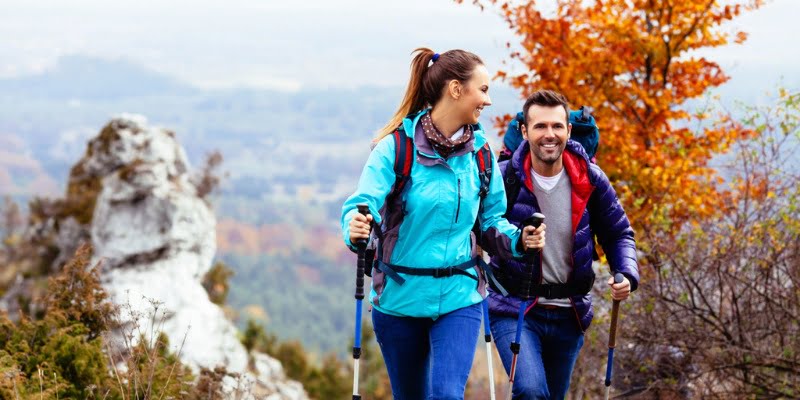
If possible, hike with a friend, especially on long or remote trails. Not only is it safer, but it can make the journey more enjoyable, and you can help keep each other motivated.
Dealing with Common Challenges: Lessons from the Trail
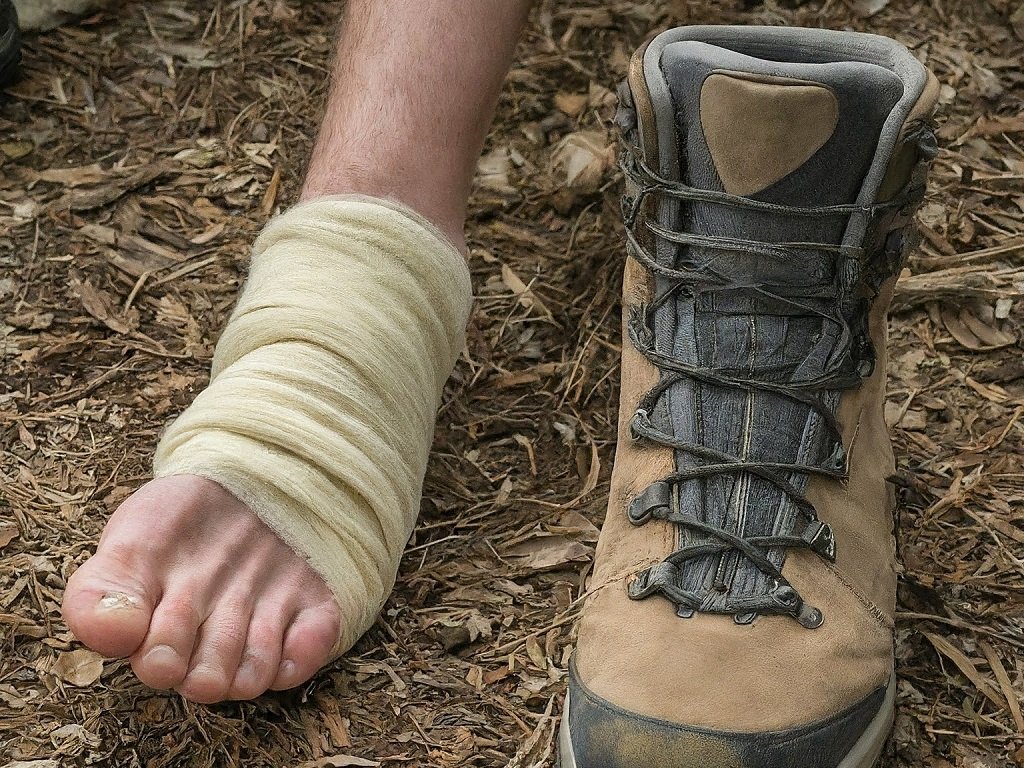
From blisters to unexpected weather changes, a lot can go wrong on a long hike. Here’s what I’ve learned from experience on how to handle some common issues:
Blisters
Prevention is key! Make sure your footwear is broken in, and consider using blister-prevention tape or padded insoles. If you feel a hotspot forming, stop immediately and treat it before it gets worse.
Weather
Always check the weather forecast before heading out, but remember that mountain weather can change rapidly. Pack extra insulating layers, a waterproof jacket, and emergency gear even if the forecast looks favorable. If thunderstorms, flash floods, wildfire smoke, or severe weather develop, turn around immediately. Your safety should always come before reaching the summit.
Fatigue
Long hikes can be exhausting, both physically and mentally. If you start to feel fatigued, take short breaks, hydrate, and eat something to keep your energy levels up. Listen to your body—pushing too hard can lead to injury or exhaustion.
Post-Hike Recovery: Taking Care of Yourself After a Long Hike
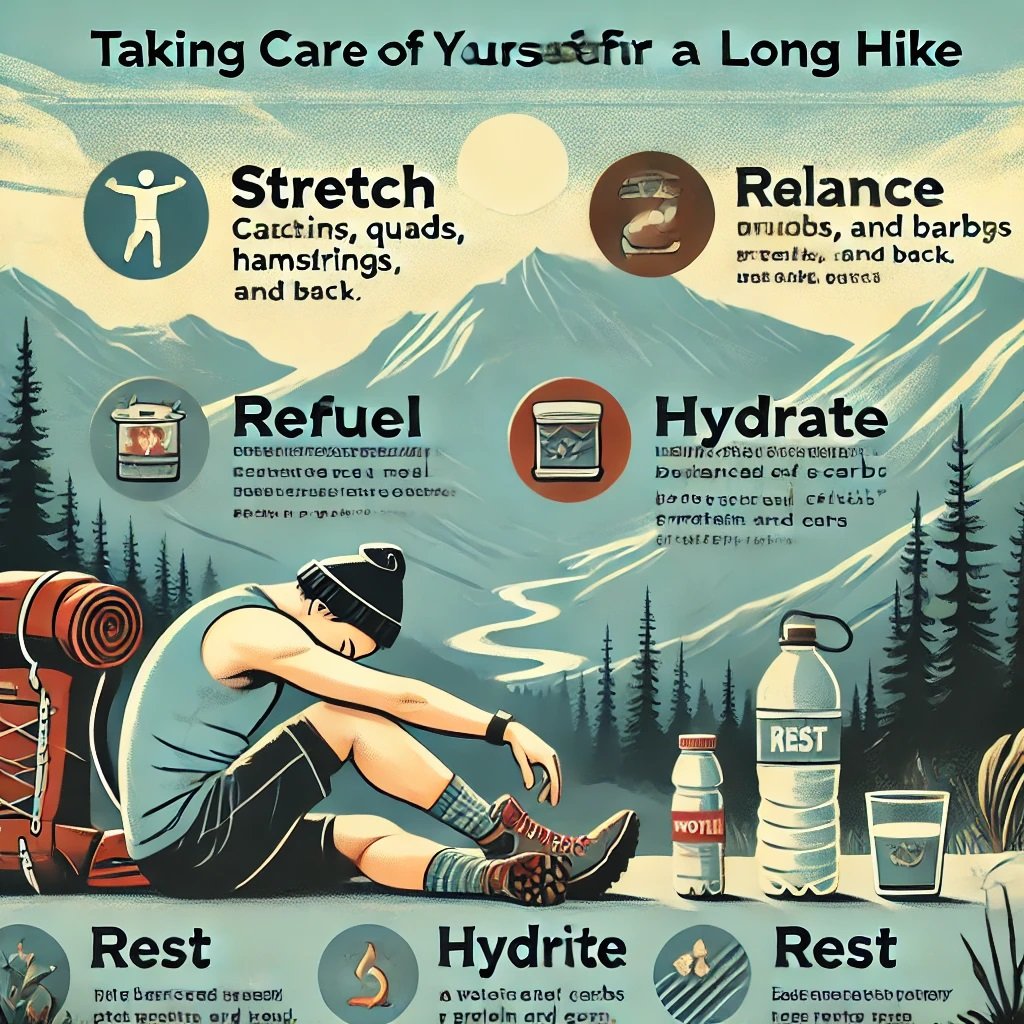
How you recover after a long hike is just as important as how you prepare for it. After your adventure, your muscles will be tired, and your body will need time to recuperate.
Stretch
After a long day of hiking, stretching can help reduce muscle stiffness. Focus on your calves, quads, hamstrings, and back.
Refuel
Eat a good meal after your hike to replenish the calories you’ve burned. Focus on a mix of protein and carbs to help repair muscles and restore energy.
Hydrate
Drink plenty of water to rehydrate your body after exerting yourself on the trail. Even if you don’t feel dehydrated, your body needs to replenish lost fluids.
FAQs About Long Distance Hikes
How far should your first long hike be?
If you’re new to hiking, start with a trail between 5 and 8 miles (8–13 km), depending on your fitness level. Once you’re comfortable completing that distance without excessive fatigue, gradually increase your mileage by about 10–20% per hike. This allows your muscles, joints, and feet to adapt while reducing the risk of overuse injuries.
Should you hike alone on a long trail?
Solo hiking can be a rewarding experience, but it’s generally recommended only for hikers with solid navigation skills and backcountry experience. If hiking alone, share your itinerary with someone you trust, carry emergency communication equipment if you’re in remote areas, and choose a trail that matches your experience level.
What should you do if you have to turn back?
Turning back is a smart decision, not a failure. Sudden weather changes, injuries, exhaustion, or limited daylight are all valid reasons to end a hike early. Experienced hikers know that reaching the summit is optional, but returning home safely is always the priority.
How early should you start a long hike?
Starting early gives you cooler temperatures, fewer crowds, and plenty of daylight to complete your hike safely. An early start also provides extra time for breaks, unexpected delays, or slower-than-expected hiking conditions without feeling rushed.
Is it better to hike faster or maintain a steady pace?
A consistent, sustainable pace is more efficient than hiking too fast and stopping frequently to recover. Maintaining a comfortable rhythm helps conserve energy, keeps your heart rate under control, and reduces fatigue over long distances.
How do you know if you’re ready for a long hike?
You’re generally ready when you can comfortably complete shorter hikes carrying your expected pack weight without excessive soreness or exhaustion. Good preparation also includes knowing how to use your gear, understanding the route, and being confident in basic navigation and safety skills.
Conclusion
Preparing for a long hike isn’t about buying expensive gear—it’s about planning ahead, training your body, packing smart, and making good decisions on the trail. Start with shorter hikes, gradually increase your mileage, and test your equipment before attempting longer adventures. With proper preparation, you’ll hike farther, stay safer, and enjoy every mile.