6 Best Hiking Boots for Long-Distance Trails (2026)


For long-distance trails, choosing the right pair of hiking boots can make or break your adventure. No matter if you’re trekking through rugged mountains, dense forests, or vast open plains, a reliable boot guarantees comfort, stability, and protection for every mile ahead.
In this guide, we’ll break down the top 6 hiking boots designed to carry you through long-distance hikes, giving your feet the care they need, step after step.
Best Hiking Boots for Long-Distance Trails: Comparison
| Hiking Boot | Weight (per boot) | Waterproofing | Outsole | Best For | Main Strength |
|---|---|---|---|---|---|
| Salomon Quest 4 GTX | 655g | Gore-Tex | Contagrip® TD | Backpacking & long-distance hiking | Stability and ankle support |
| Lowa Renegade GTX Mid | 555g | Gore-Tex | Vibram Evo | Backpacking & long-distance trails | Comfort and balanced support |
| Scarpa Zodiac Plus GTX | 555g | Gore-Tex | Vibram Drumlin | Alpine & technical terrain | Grip and stability |
| Merrell Moab 3 Mid Waterproof | 560g | M Select Dry | Vibram TC5+ | Day hiking, backpacking & long trails | Comfort and value |
| La Sportiva Nucleo High II GTX | 500g | Gore-Tex Surround | Vibram Nano | Wet & humid conditions | Lightweight stability |
| Hoka Anacapa Mid GTX | 495g | Gore-Tex | Vibram Megagrip | Day hiking & long-distance trekking | Cushioning and comfort |
Best Hiking Boots for Long Distance – At a Glance
- Salomon Quest 4 GTX High Rise Hiking Boots
- Lowa Renegade GTX Mid Hiking Boots
- Scarpa Zodiac Plus GTX Gore-Tex Hiking Boots
- Merrell Moab 3 Mid Waterproof Hiking Boots
- La Sportiva Nucleo High II GTX Hiking Boots
- Hoka Anacapa Mid GTX Rubber Sole Hiking Boots
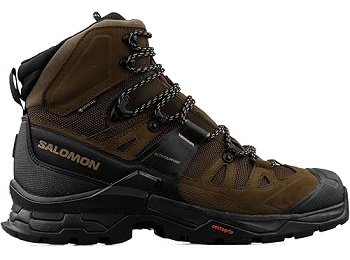
1. Salomon Quest 4 GTX
🥾 Long-Trail Decision Rating
The Salomon Quest 4 GTX is a heavy-duty hiking boot designed for serious trekkers who prioritize durability, comfort, and stability on long-distance trails. With an advanced chassis that provides excellent ankle support and a waterproof Gore-Tex membrane, this boot is perfect for various terrains, including muddy paths and rocky inclines. The weight is manageable; however, your feet might feel overheated in sweltering weather.
Tech Specs:
- Weight: 655g (per boot)
- Upper Material: Nubuck leather & textile
- Waterproofing: Gore-Tex
- Outsole: Contagrip® TD (deep lugs for extra grip)
- Midsole: EVA foam
- Chassis: Advanced 4D Chassis
- Fit: Regular
- Best Use: Backpacking, long-distance hiking
Pros:
- Exceptional ankle support
- Gore-Tex for wet conditions
- Long-lasting durable construction
- Comfortable right out of the box
- Aggressive grip for various surfaces
Cons:
- Heavier compared to some alternatives
- Can feel stiff initially, needing break-in
- Pricier than some competitors
2. Lowa Renegade GTX Mid
🥾 Long-Trail Decision Rating
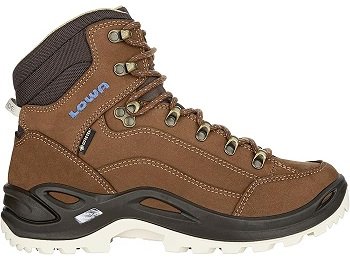
The Lowa Renegade GTX Mid offers an outstanding balance between comfort, durability, and performance. This model is a favorite among long-distance hikers. This boot features a mid-height design, which provides great ankle support without sacrificing flexibility. The Renegade’s Gore-Tex waterproof lining ensures that your feet stay dry on wet trails and the Vibram Evo outsole delivers superior traction on uneven terrain.
Tech Specs:
- Weight: 555g (per boot)
- Upper Material: Nubuck leather
- Waterproofing: Gore-Tex
- Outsole: Vibram Evo
- Midsole: Dual-density DuraPU®
- Lining: Synthetic
- Best Use: Backpacking, long-distance trails
Pros:
- Waterproof and breathable lining
- Lightweight and high-performance
- Excellent grip on different terrains
- Stable yet flexible for long day’s hike
Cons:
- Wear out faster with heavy use
- Narrow fit may not suit wider feet
- Lacing system could be improved
3. Scarpa Zodiac Plus GTX
🥾 Long-Trail Decision Rating
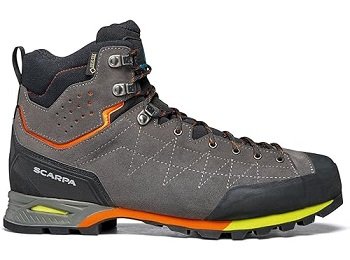
The Scarpa Zodiac Plus GTX is a versatile hiking boot that is designed for technical terrain and steep inclines. It’s made with a suede and synthetic materials blend, ensuring durability without adding excess weight. The Gore-Tex lining offers waterproof protection and the Vibram Drumlin outsole provides superior grip. This boot is perfect for hikers who need a lightweight option but don’t want to compromise on performance during long-distance trips.
Tech Specs:
- Weight: 555g (per boot)
- Upper Material: Suede & Synthetic
- Waterproofing: Gore-Tex
- Outsole: Vibram Drumlin
- Midsole: EVA foam
- Lining: Gore-Tex Performance Comfort
- Best Use: Alpine hiking, long-distance trekking
Pros:
- Excellent for rocky and technical terrain
- Lightweight and durable
- Reliable waterproofing with lining
- Comfortable and easy to wear
- Sturdy midsole for all-day comfort
Cons:
- A bit narrow for wider feet
- Not ideal for flat, easy terrain
- Pricier than some alternatives
4. Merrell Moab 3 Mid Waterproof
🥾 Long-Trail Decision Rating
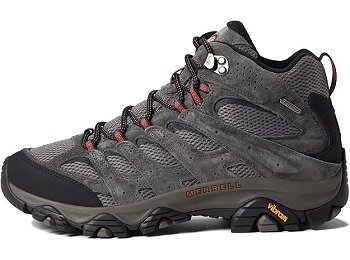
The Merrell Moab 3 Mid Waterproof hiking boots are well-known for their comfort right out of the box, making them a favorite for long-distance hikers who value cushioning and breathability. The Moab 3 offers reliable waterproof protection with its M Select Dry technology, along with a sturdy Vibram outsole for optimal traction. These boots are ideal for those looking for an affordable yet high-performing option for extensive trails.
Tech Specs:
- Weight: 560g (per boot)
- Upper Material: Leather & mesh
- Waterproofing: M Select Dry
- Outsole: Vibram TC5+
- Midsole: EVA foam with added air cushioning
- Fit: Wide options available
- Best Use: Day hiking, backpacking, long-distance trails
Pros:
- Affordable compared to others
- Excellent breathability
- Moisture-wicking
- Grippy outsole for various terrains
- Available in wide sizes
Cons:
- Less durable than some alternatives
- Waterproofing might fail in harsh conditions
- Midsole cushioning could flatten over time
5. La Sportiva Nucleo High II GTX
🥾 Long-Trail Decision Rating
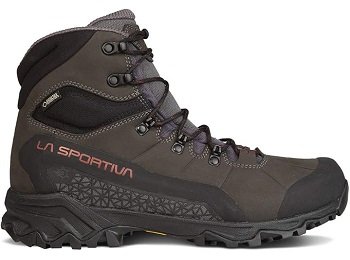
The La Sportiva Nucleo High II GTX combines lightweight comfort with impressive stability and traction, making it a perfect companion for long-distance treks. The boot features Gore-Tex Surround technology for enhanced waterproofing and breathability. This will ensure your feet stay dry and cool during extended hikes. With a durable leather upper and Vibram Nano sole, this hiking boot performs well on both rugged and moderate terrains.
Tech Specs:
- Weight: 500g (per boot)
- Upper Material: Nubuck leather & Nano-Cell™ mesh
- Waterproofing: Gore-Tex Surround
- Outsole: Vibram Nano
- Midsole: Compression-molded EVA foam
- Best Use: Backpacking, hiking in wet or humid conditions
Pros:
- Lightweight and comfortable
- Strong ankle support for uneven terrain
- Excellent traction on wet & dry surfaces
- Quick break-in period
Cons:
- A bit expensive
- Less insulated for cold weather
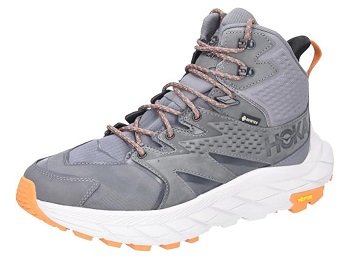
6. Hoka Anacapa Mid GTX
🥾 Long-Trail Decision Rating
The Hoka Anacapa Mid GTX is famous for its ultra-cushioned design and lightweight feel, which makes it a great choice for long-distance hikers looking for comfort over tough terrain. Its Gore-Tex lining offers waterproof protection. Furthermore, the Vibram Megagrip outsole delivers reliable traction. Its plush cushioning makes it suitable for long treks without causing foot fatigue.
Tech Specs:
- Weight: 495g (per boot)
- Upper Material: Leather & recycled polyester
- Waterproofing: Gore-Tex
- Outsole: Vibram Megagrip
- Midsole: Compression-molded EVA foam
- Best Use: Day hiking, long-distance trekking
Pros:
- Super cushioned
- Lightweight and 100% waterproof
- Good for both wide and narrow feet
- Eco-friendly materials
Cons:
- Lack of durability
- Not ideal for technical or very rough terrains
Which Hiking Boot Should You Choose?
- Salomon Quest 4 GTX: If stability and support are your priorities.
- Lowa Renegade GTX Mid: If you want a balanced combination of comfort and support.
- Scarpa Zodiac Plus GTX: If your long-distance route includes technical terrain.
- Merrell Moab 3 Mid: If value and immediate comfort matter most.
- La Sportiva Nucleo High II GTX: Lower weight with strong wet-weather performance.
- Hoka Anacapa Mid GTX: If cushioning and comfort are your priorities.
How We Evaluated These Hiking Boots
Choosing footwear for long-distance trails requires more than comparing specifications or relying on manufacturer claims. For this guide, we focused on the characteristics that matter when a boot is expected to perform consistently over extended days on the trail.
Our selection considered each boot’s intended use, construction, available specifications, user fit considerations, and practical strengths and limitations for long-distance hiking. We also compared the models against one another rather than judging each boot in isolation.
We looked specifically at how each model balances its strengths with its compromises. A boot that offers excellent stability, for example, may not be the best choice for someone who prioritizes lower weight. Likewise, a highly cushioned model may be more comfortable for some hikers but less suitable for demanding technical terrain.
We also considered the type of hiker and trail each boot is most appropriate for. This helped us identify different options rather than treating one boot as the right choice for every long-distance adventure.
Our selection criteria included:
- Intended use and trail conditions
- Overall construction and materials
- Weight relative to the boot’s intended purpose
- Waterproof and weather-resistant design
- Outsole and traction characteristics
- Ankle and underfoot support
- Fit considerations, including wider-foot options where available
- Cushioning and long-distance comfort
- Durability and potential trade-offs
- Price and overall value
The final recommendations are based on the combination of these factors, with particular attention to how each boot fits the demands of extended-distance hiking rather than simply which model has the longest list of features. The American Hiking Society provides additional resources on hiking safety, trail preparation, and responsible outdoor recreation.
Boot vs. Hiking Shoe: Which Is Better for Long-Distance Trails?
A higher-cut hiking boot is not automatically the better choice for a long-distance trail. The right footwear depends on how much gear you carry, how demanding the route is, how quickly you want to move, and how much structure you prefer around your foot. For some hikers, a hiking shoe can be the more efficient option, while others will benefit from the additional coverage and structure of a boot.
| Consideration | Hiking Boots | Hiking Shoes |
|---|---|---|
| Long backpacking trips | Better suited to hikers who want a more substantial platform underfoot | Better for lighter loads and hikers who prefer a less bulky setup |
| Technical terrain | Often preferable when the route demands a more structured shoe | Can work well when the terrain is moderate and foot placement is predictable |
| Daily mileage | Can feel more substantial over very long walking days | Lower overall bulk can appeal to hikers covering high daily mileage |
| Pack weight | More appropriate when your load calls for additional footwear structure | Often a better match for lightweight backpacking setups |
| Trail conditions | Useful when a route combines demanding sections with less predictable surfaces | Well suited to maintained and relatively predictable trails |
| Footwear feel | More enclosed and substantial | More flexible and closer to a conventional shoe |
Choose Hiking Boots If Your Trip Demands More Structure
Hiking boots make the most sense when your route combines a heavier backpack, uneven terrain, repeated elevation changes, or conditions where you prefer a more substantial footwear platform. They can also be a practical choice if you simply prefer the feel of a higher-cut boot during extended trips.
Choose Hiking Shoes If Efficiency and Lower Bulk Matter More
A hiking shoe can make more sense when you carry a lightweight pack and spend most of your time on established trails. The lower-cut design can provide a more natural walking feel and may be preferable for hikers who don’t need the additional structure of a traditional boot.
This can be particularly appealing on long routes where reducing unnecessary footwear bulk is more important than having a highly structured boot.
When a Hiking Shoe May Be the Better Long-Distance Choice
- You carry a relatively lightweight backpack.
- Most of your route consists of established trails.
- You prefer a flexible, less substantial footwear feel.
- You want to minimize unnecessary footwear weight.
- Your route does not require a highly structured boot.
- You are already comfortable hiking long distances in lower-cut footwear.
When a Hiking Boot Is the Safer Choice for Your Trip
- Your backpack will be substantially loaded.
- Your route includes prolonged rocky or uneven sections.
- You expect significant elevation changes and demanding descents.
- You prefer a more structured footwear platform.
- Your trip combines several different trail conditions.
- You are not comfortable relying on lightweight footwear for extended trips.
So, Should You Buy Boots or Hiking Shoes?
For long-distance hiking, choose based on the demands of your route rather than the distance alone. A 100-mile trail on smooth, well-maintained paths can be easier on your footwear than a much shorter route filled with steep, rocky terrain.
If your trip involves a heavier pack and demanding terrain, start your search with a supportive hiking boot. If you’re traveling light on established trails and value efficient movement, compare hiking shoes or trail runners before committing to a heavier boot.
Factor to be Considered When Buying Boots for Long Distance Hiking
Here’s what to consider when making your choice:
- Fit & Comfort: Long-distance hiking means hours of walking, and nothing ruins a hike faster than blisters or discomfort. Look for boots with a snug fit around the heel and enough toe room to avoid cramping, but not so loose that they rub or cause friction. Try them on with your hiking socks to ensure the best fit.
- Weight: Lightweight boots can save you energy on the trail, especially over extended distances. However, striking the right balance between weight and durability is key. Too heavy, and you’ll tire quickly; too light, and they may not offer enough support.
- Support & Stability: Long hikes require boots that provide ample ankle support, especially when navigating uneven or rocky terrain. Look for high-cut boots that stabilize your ankles and prevent twists and sprains. A strong midsole is also essential to cushion your footfalls and reduce impact.
- Waterproofing & Breathability: Weather is unpredictable on the trail, and wet feet can lead to blisters and discomfort. Waterproof boots, especially those with breathable membranes like Gore-Tex, keep your feet dry without trapping heat, ensuring comfort in both rain and shine.
- Traction: A reliable outsole with excellent grip is essential for staying steady on wet, muddy, or rocky surfaces. Look for boots with deep lugs and sticky rubber soles for maximum traction, regardless of the trail conditions.
- Durability: Long-distance hikes will push your gear to its limits, so invest in boots made from high-quality materials that can withstand rugged terrain. Reinforced stitching, sturdy leather or synthetic uppers, and abrasion-resistant fabrics are critical for long-lasting performance.
FAQs About Hiking Boots for Long-Distance Trails
How early should I buy hiking boots before a long-distance trek?
Ideally, buy your hiking boots several weeks before your trip rather than immediately before departure. This gives you enough time to wear them on shorter walks, identify pressure points, adjust your sock choice, and make sure the fit remains comfortable after several hours of walking. Avoid starting a multi-day trek with boots you have barely worn.
Should I size up my hiking boots for long-distance trails?
Not automatically. Your toes need enough room to move naturally, particularly because feet can swell during long days on the trail, but going up a full size can create excessive heel movement and friction. Try boots later in the day with the socks you expect to wear while hiking, and make sure your toes do not press against the front when walking downhill.
How do I prevent my feet from swelling during a long hike?
Foot swelling can increase during prolonged walking, especially in warm conditions. Take short breaks when practical, loosen your laces if your feet become uncomfortable, stay hydrated, and avoid footwear that feels tight around the forefoot. Choosing a boot with adequate toe-room from the beginning is more useful than simply buying a much larger size.
Can I use the same hiking boots for a thru-hike and weekend hikes?
Yes, if the boots match the terrain, pack weight, weather and fit requirements of both types of trips. A supportive boot can work well for occasional weekend hikes, but it’s unnecessary for easy trails where a lighter hiking shoe would be more comfortable. Conversely, a lightweight boot chosen for casual trails doesn’t provide the durability or structure you want for an extended backpacking trip.
What should I do if my hiking boots become uncomfortable halfway through a long trail?
Stop and identify the source of the discomfort rather than continuing until a blister develops. Check for wrinkles in your socks, debris inside the boot, excessive heel movement, or pressure from the lacing. Small adjustments early in the hike can prevent a minor hot spot from becoming a problem that affects the rest of your trip.
How often should I replace hiking boots used for long-distance hiking?
There is no reliable replacement interval based only on mileage. Inspect the outsole, midsole, upper, seams and heel structure regularly. Replace the boots when the tread is significantly worn, cushioning has deteriorated, the upper is separating, or the boot no longer provides the support and fit you depend on. Heavy terrain and pack loads can shorten the useful life of a pair.
Are hiking boots suitable for long-distance trails in hot weather?
They can be, but waterproof and heavily constructed boots =feel warmer than lighter footwear. For hot-weather trips, consider the ventilation of the upper, the thickness of your hiking socks and how much support you actually need for the terrain. If your route is dry and relatively easy, a lighter hiking shoe may be a better option than a heavily insulated or waterproof boot.
Can I use hiking boots on mixed terrain during one long-distance trip?
Yes. A versatile hiking boot can be useful when a route changes from maintained paths to rocky, muddy or uneven sections. The key is choosing a model whose traction, stability and construction match the most demanding terrain you expect to encounter rather than choosing footwear based only on the easiest section of the route.
Conclusion
After countless miles of testing and pushing these boots to their limits, we evaluated how each model performs over extended days on the trail, paying close attention to long-distance comfort, stability, traction, weather protection, durability, and overall performance. We also considered the strengths and limitations of each boot across different trail conditions to determine which hikers they are best suited for.
There is no single hiking boot that works perfectly for every long-distance trail or every hiker. The Salomon Quest 4 GTX is the best option for hikers who prioritize stability and support, on the other hand, the Lowa Renegade GTX Mid offers a well-rounded balance of comfort and performance. The Scarpa Zodiac Plus GTX is better suited to technical terrain, and the Merrell Moab 3 Mid is a practical choice for hikers looking for comfort and value.
Ultimately, the best hiking boot for long-distance trails is the one that matches your feet, pack weight, trail conditions, and personal comfort preferences. Choose based on how and where you plan to hike rather than simply selecting the most feature-rich or expensive model.