What to Bring on a Short Hike: Beginner’s Checklist


Having the right gear can make all the difference between a pleasant outing and a potentially challenging experience. Through my own hiking trips, I’ve found that a well-prepared pack can provide peace of mind and enhance the overall enjoyment of the journey.
Each item on this checklist has been carefully selected based on its practicality, versatility, and ability to address common needs that arise during a short hike. With this checklist in hand, you can embark on your hiking adventures with confidence, knowing that you’re equipped for whatever the trail may bring.
My Experience with This Checklist
When I started hiking, I underestimated how much preparation could impact the overall experience. On one of my first day hikes, I brought only a small water bottle and wore everyday athletic shoes. While the trail wasn’t particularly difficult, I quickly realized that proper gear plays a major role in both comfort and safety.
Over the years, I’ve completed numerous day hikes across different trail conditions, from easy nature walks to longer routes with steep, rocky sections. Through trial and error, I’ve learned which items consistently earn a place in my pack and which are less essential for shorter outings.
A well-fitted backpack helps distribute weight comfortably, while quality hiking shoes provide the grip and support needed on uneven terrain. I’ve also found that carrying navigation tools, weather-appropriate layers, and a basic first aid kit can make a significant difference when conditions change unexpectedly.
During my recent day hikes on local forest and mountain trails, I found that carrying at least 1.5 liters of water for a 3–4 hour hike was far more comfortable than relying on a single small bottle. I also learned that lightweight trail shoes worked well on dry terrain, while waterproof hiking shoes were essential during muddy spring conditions.
Beginner’s Short Hike Checklist
Let’s begin with a list of hiking essentials because who doesn’t appreciate a handy checklist, right? Packing these basic items ensures you’re well-prepared.
- Water Bottle or Hydration Pack: Staying hydrated is crucial, even on short hikes. I recommend bringing a refillable water bottle or hydration pack to ensure you have easy access to water throughout your hike. Dehydration can sneak up on you, especially when you’re exerting yourself outdoors.
- Healthy Snacks: Pack lightweight snacks like trail mix, energy bars, or fruit to keep your energy levels up during your hike. I’ve found that having a quick snack on hand can provide a much-needed boost, especially when tackling steep or challenging terrain.
- Hiking Shoes or Boots: A good pair of hiking shoes or boots can make all the difference in your comfort and safety on the trail. Look for footwear with sturdy treads and ankle support to help prevent slips and twists. I learned this the hard way after slipping on a rocky trail with inadequate footwear.
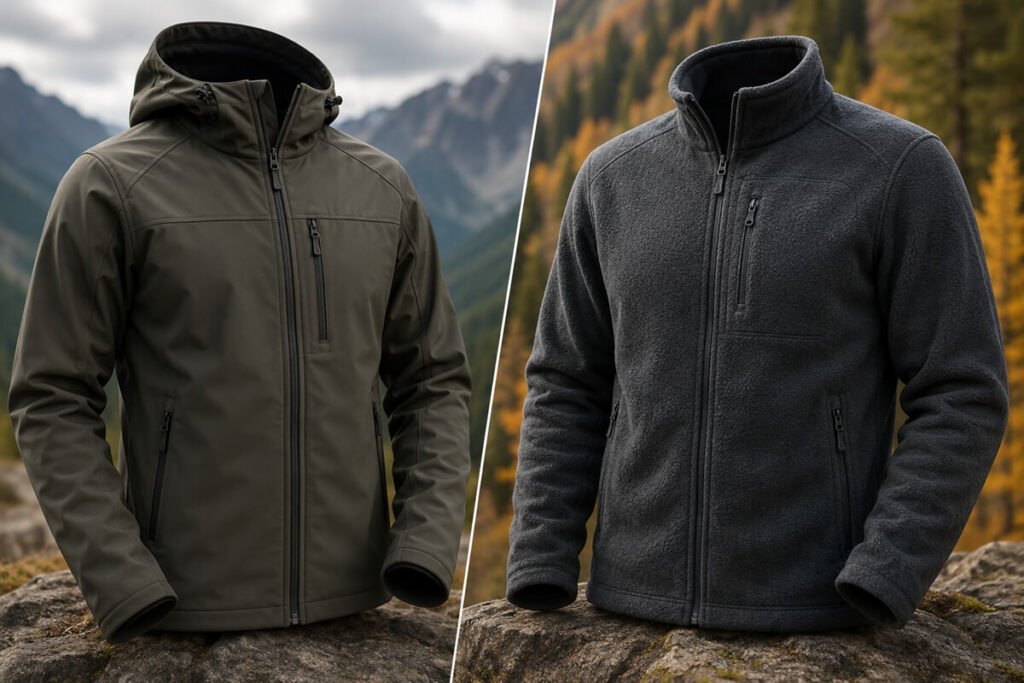
- Weather-Appropriate Clothing: Check the weather forecast before heading out and dress accordingly. Layers are your friend, as they allow you to adjust to changing temperatures throughout your hike. Don’t forget a lightweight rain jacket or poncho in case of unexpected showers.
- Navigation Tools: Even on well-marked trails, it’s wise to carry basic navigation tools like a map and compass or a GPS device. I’ve been grateful for these tools on several occasions when I’ve taken a wrong turn or encountered trail closures.
- First Aid Kit: Accidents can happen, so it’s essential to have a basic first aid kit on hand. Include items like bandages, antiseptic wipes, blister treatment, and pain relievers. I’ve used my first aid kit to treat everything from minor scrapes to blisters and headaches.
- Sun Protection: Protect yourself from the sun’s harmful rays by wearing sunscreen, sunglasses, and a hat. Even on overcast days, UV radiation can still reach your skin. I’ve learned this lesson the hard way with a sunburned scalp after forgetting to wear a hat on a sunny hike.
- Backpack: A comfortable and properly fitted backpack is essential for carrying all your gear comfortably. Look for one with padded straps and multiple compartments to help distribute the weight evenly.
Quick Tip From Experience
For most beginner day hikes under 5 miles, I recommend prioritizing water, proper footwear, and weather protection before investing in advanced gear. These three items have the biggest impact on comfort and safety for new hikers.
Optional Day Hiking Essentials
These items are flexible based on weather & terrain:
- Headlamp
- Trekking Poles
- Insect Repellent
- Emergency Shelter
- Multi-tool
- Whistle
- Trekking Socks
- Hiking Pants
- Rain Jacket
- Hiking Hat
- Sunglasses
- Gaiters
- Water Purification
- Camp Towel
- Trekking Gloves
7 Vital Day/Short Hiking Safety Tips
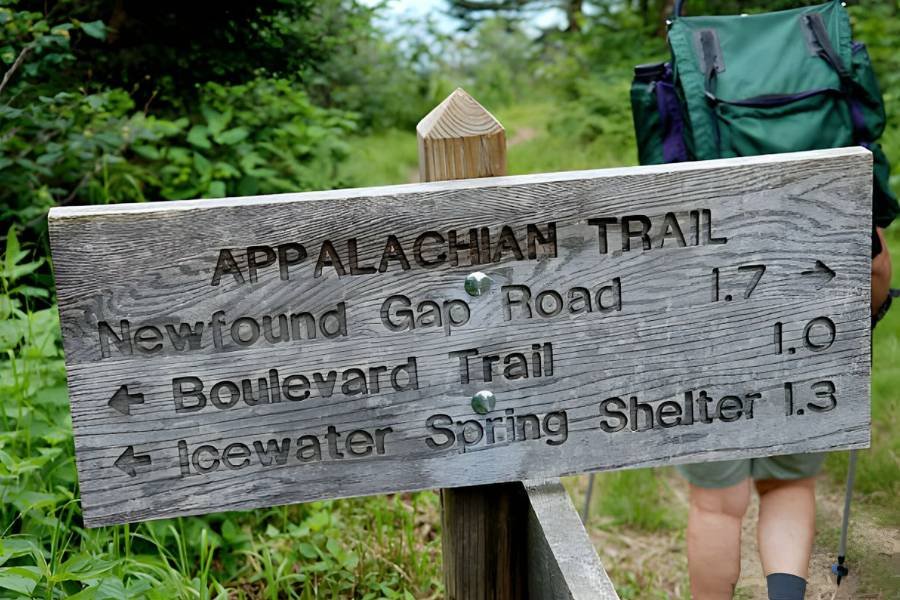
Let’s explore a range of safety tips specifically tailored for day or short hiking trips for beginners:
- Plan Your Route and Tell Someone: Before heading out on your hike, plan your route and let someone know where you’ll be going and when you expect to return. This ensures that someone is aware of your whereabouts in case of an emergency.
- Check the Weather: Always check the weather forecast before setting out on your hike. Be prepared for changes in weather conditions and dress accordingly. Avoid hiking in extreme weather conditions like thunderstorms or high winds.
- Stay on Marked Trails: Stick to marked trails and avoid veering off the designated path. Venturing off-trail can increase your risk of getting lost or encountering hazardous terrain.
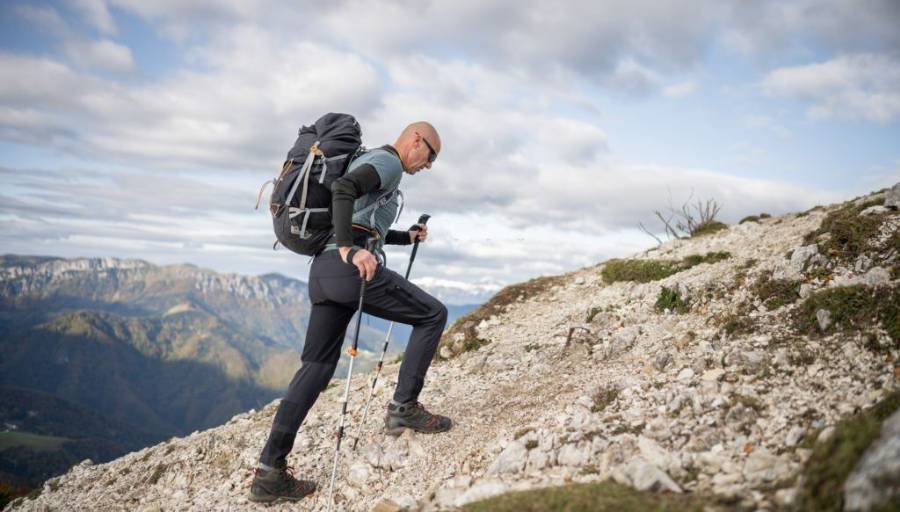
- Watch Your Step: Pay attention to your surroundings and watch your footing, especially on uneven terrain or slippery surfaces. Take your time and use trekking poles for added stability if necessary.
- Be Aware of Wildlife: Keep an eye out for wildlife and respect their habitat. Maintain a safe distance and avoid feeding or approaching wild animals. Be especially cautious in areas known for bear or cougar sightings.
- Stay Connected: Carry a fully charged cell phone or communication device with you in case of emergencies. However, be aware that reception may be limited in remote areas.
- Know Your Limits: Be honest about your fitness level and hiking experience. Start with shorter, easier trails and gradually work your way up to more challenging hikes as you gain experience and confidence.
Hiking Safety Resources
For additional hiking safety guidance, consult organizations such as:
- National Park Service
- American Hiking Society
- U.S. Forest Service Recreation & Safety
- Local park authorities and trail management organizations
These organizations provide reliable information on hiking safety, outdoor ethics, trail preparedness, wildlife awareness, and emergency planning.
Frequently Raised Concerns:
How much water should I bring on a day hike?
The amount of water you should bring on a day hike depends on factors like the length and intensity of the hike, as well as the weather conditions. Aim to carry at least one liter of water per person for every two hours of hiking. Adjust this amount based on factors like temperature, humidity, and personal hydration needs. It’s better to bring too much water than not enough, as staying hydrated is crucial for your health and safety on the trail.
Should beginners hike alone on a short trail?
For most beginners, it’s safer to hike with a friend or join a group, especially when exploring a new trail. Hiking with others provides extra support in case of injuries, navigation mistakes, or unexpected weather changes. If you choose to hike alone, inform someone of your route and expected return time, carry a fully charged phone, and stick to well-marked trails that match your experience level.
What should I do if I encounter bad weather on a day hike?
If you encounter bad weather on a day hike, seek shelter if possible and wait for conditions to improve. If you’re unable to find shelter, make sure you have appropriate rain gear to keep you dry and warm. Stay calm, assess your situation, and consider turning back if conditions become too severe.
Is there anything specific I should pack for different types of day hikes?
Tailoring your pack to the specifics of your hike can improve your comfort and safety. For hikes in hot or sunny conditions, prioritize sun protection and extra water. If you’re tackling rugged terrain or long distances, consider bringing trekking poles for stability and extra snacks for sustained energy. For hikes in remote areas, a personal locator beacon or satellite communicator can provide added peace of mind in case of emergencies.
What’s the one item beginners forget most often on a short hike?
In my experience, water is the item beginners underestimate most frequently. Many hikers assume a short trail won’t require much hydration, but even a one- to two-hour hike can lead to dehydration in warm weather. Carrying extra water is one of the simplest ways to improve both comfort and safety on the trail.
Conclusion
A short hike seems simple, but proper preparation can make the experience safer, more comfortable, and far more enjoyable. Bringing the right hiking essentials—such as water, snacks, appropriate footwear, navigation tools, and basic safety gear—helps you stay prepared for unexpected situations.
As a beginner, you don’t need expensive equipment to get started. The key is to pack smart, understand the trail conditions, and follow basic hiking safety practices. With experience, you’ll learn which items are most valuable for your hiking style and local terrain.
“If you’re shopping for an outdoor enthusiast after gaining some trail experience, check out our guide to the best gifts for hikers for practical gear and accessories they’ll actually use on the trail.”