Best Moisture-Wicking Hiking Shirts: Top 5 Picks

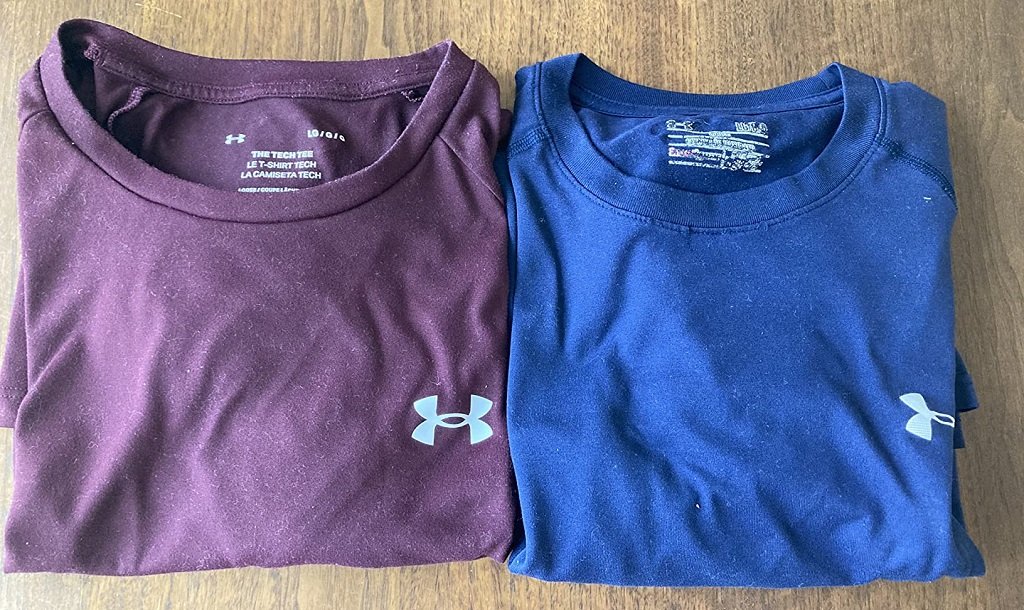
A quality hiking shirt can make a noticeable difference in your comfort on the trail. The best moisture-wicking hiking shirts are designed to pull sweat away from your skin, dry quickly, and improve airflow, helping you stay cool and comfortable during long hikes and changing weather conditions.
Unlike cotton, modern quick-drying hiking shirts use technical fabrics such as polyester and nylon blends to manage moisture efficiently while reducing chafing and maintaining comfort under a backpack. Many breathable hiking shirts also include features like UPF sun protection, antimicrobial odor control, and lightweight construction, making them ideal for everything from day hikes to multi-day backpacking trips.
In this guide, we’ve selected five of the best moisture-wicking hiking shirts based on moisture management, breathability, comfort, durability, drying speed, and overall value. Whether you’re looking for hiking shirts for hot weather, challenging mountain trails, or versatile outdoor shirts for hiking and travel, these recommendations will help you choose the right shirt for your next adventure.
Quick Recommendations
| Best For | Shirt |
|---|---|
| Best Overall | Columbia PFG Tamiami II |
| Best Value | Under Armour UA Tech 2.0 |
| Best Sustainability | Patagonia Capilene Cool Trail |
| Best for Hot Weather | Outdoor Research Echo Tee |
| Best Sun Protection | Columbia PFG Tamiami II |
“However, pairing a quality shirt with the right hiking backpack and hiking socks can make long days on the trail even more comfortable.”
How We Chose
We evaluated each hiking shirt based on moisture management, drying speed, comfort under a backpack, breathability, odor resistance, durability, UPF protection, and overall value. We also compared manufacturer specifications, long-term user feedback, and real-world hiking performance.
| Criteria | What We Looked For |
|---|---|
| Moisture Wicking | How efficiently the fabric pulls sweat away from the skin |
| Breathability | Airflow and cooling during strenuous hikes |
| Drying Speed | How quickly the shirt dries after sweating or light rain |
| Comfort | Softness, stretch, and comfort under a backpack |
| Odor Control | Antimicrobial or odor-resistant treatments |
| Sun Protection | UPF rating and UV protection |
| Durability | Resistance to abrasion, repeated washing, and trail use |
| Overall Value | Performance compared with price |
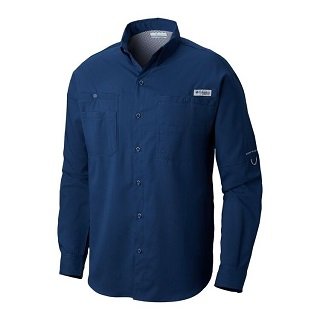
1. Columbia Men’s PFG Tamiami II
🥾 Field Performance Rating
The Columbia PFG Tamiami II Long Sleeve Shirt is designed for hiking and fishing. Its moisture-wicking technology is at the core of its functionality, making it perfect for long hikes where staying dry is essential. It’s an excellent choice for hikers who already wear supportive hiking boots on rugged trails.
It is made from 100% polyester and features signature Omni-Wick technology, which pulls moisture away from the skin to keep you cool and dry throughout your adventure. The shirt is equipped with Omni-Shade UPF 40 sun protection, safeguarding against harmful UV rays.
The lightweight fabric ensures comfort without compromising durability. Furthermore, the quick-drying properties make it ideal for multi-day hiking trips. It has antimicrobial properties, which help keep odor at bay. This shirt also features mesh-lined vents at the back. This will allow better breathability in hot weather conditions.
Specs:
- Material: 100% polyester with Omni-Wick technology
- Weight: Light and breathable fabric
- Sun Protection: Omni-Shade UPF 40
- Fit: Relaxed fit for comfort
- Additional Features: Vented back, roll-up sleeves with button tabs, antimicrobial treatment
Pros:
- Excellent moisture-wicking
- Quick-drying properties
- High UPF rating for sun protection
- Mesh back vents improve air circulation
- Antimicrobial features to prevent odors
Cons:
- Loose fit does not appeal to everyone
- No insulation for cold-weather hikes
- Limited color options
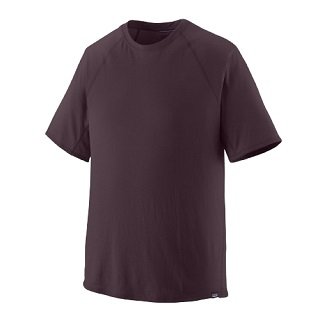
2. Patagonia Capilene Cool Trail Shirt
🥾 Field Performance Rating
The Patagonia Capilene Cool is a highly versatile hiking shirt that combines comfort and performance. It’s made from recycled polyester and features Patagonia’s proprietary moisture-wicking technology, Capilene Cool, to keep you dry on long trails. This shirt feels soft against the skin, almost like cotton, but performs like high-tech synthetic fabric.
In addition to being lightweight and moisture-wicking, it’s designed with HeiQ Fresh durable odor control, which keeps you feeling fresh, even on multi-day hiking adventures. The shirt has a slim fit but provides huge stretch for unrestricted movement. It’s also Fair Trade Certified sewn. This will reflect Patagonia’s commitment to ethical production.
Specs:
- Material: 100% recycled polyester with Capilene Cool technology
- Fit: Slim but stretchable
- Odor Control: HeiQ Fresh durable odor control
- Sustainability: Fair Trade Certified sewn, bluesign® approved fabric
- Weight: 5 oz (men’s medium)
Pros:
- Soft, comfortable fabric
- Made from sustainable recycled materials
- Built-in Odor-resistant technology
- Lightweight and compact for packing
- Ethical and environment-friendly
Cons:
- Slim fit may not suit all body types
- Limited protection against wind or cold
- Higher price point
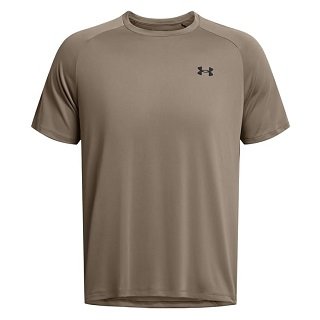
3. Under Armour UA Tech 2.0
🥾 Field Performance Rating
The Under Armour UA Tech 2.0 Short-Sleeve Shirt is a favorite among athletes and hikers due to its superior moisture-wicking technology and comfort. It features Under Armour’s ultra-soft and lightweight UA Tech fabric, making it perfect for hiking in warm weather. It also pairs well with lightweight hydration packs for summer day hikes.
The material dries quickly. This will help to keep you cool and includes anti-odor technology that prevents the growth of odor-causing microbes. The shirt is designed with a loose fit, which allows for a full range of motion. It is ideal for active hikers who want a no-frills performance shirt. The four-way stretch construction further enhances movement flexibility. This model is also machine washable.
Specs:
- Material: UA Tech fabric (100% polyester)
- Weight: Lightweight design
- Fit: Loose
- Technology: Moisture-wicking, quick-drying, anti-odor
- Stretch: Four-way stretch for mobility
Pros:
- Excellent moisture-wicking
- Quick-drying properties
- Anti-odor technology
- Loose fit for active movement
- Affordable price
Cons:
- Not suitable for cold weather
- Limited color variety in some sizes
- Loose fit may be too baggy for some
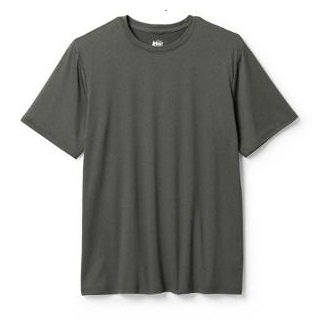
4. REI Co-op Sahara T-Shirt
🥾 Field Performance Rating
The REI Co-op Sahara T-shirt is an excellent choice for those who enjoy long hikes in warm, sunny conditions. This shirt features moisture-wicking polyester fabric and built-in UPF 30 sun protection. It is designed to be lightweight and breathable to keep you dry during high-output activities.
We appreciate its Polygiene odor control technology, which allows you to wear it for multiple days without developing unpleasant smells. The shirt also has flat seams, which reduce chafing, making it more comfortable when worn with a backpack.
Specs:
- Material: 100% polyester with moisture-wicking properties
- Fit: Standard fit
- Sun Protection: UPF 30
- Odor Control: Polygiene technology
- Additional Features: Flat seams for comfort
Pros:
- Lightweight and breathable
- Built-in odor control for multi-day use
- Affordable compared to other brands
- UPF 30 sun protection
- Flat seams reduce chafing
Cons:
- Lacks stretch for dynamic movement
- Not durable for bushwhacking
- Lower UPF rating than other shirts
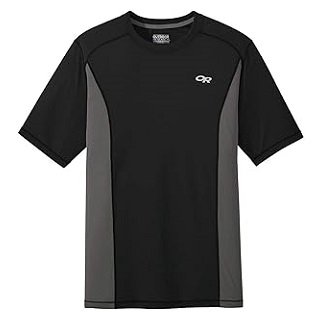
5. Outdoor Research Echo Tee
🥾 Field Performance Rating
The Outdoor Research Echo Tee is a high-performance hiking shirt known for its ultra-lightweight design and moisture-wicking capabilities. It is made with AirVent™ moisture-management technology. This shirt is excellent for keeping you cool and dry during intense activities.
The fabric has anti-odor properties, thanks to its ActiveFresh™ treatment. It will provide UPF 15 sun protection. The Echo Tee is designed for high-energy pursuits like hiking, running, and climbing. It is built with flat seams to prevent chafing and enhance comfort. This hiking shirt also has a reflective logo for better visibility in low-light conditions.
Specs:
- Material: AirVent™ moisture management technology (100% polyester)
- Weight: Ultra-lightweight (2.5 oz for men’s medium)
- Fit: Trim fit
- Odor Control: ActiveFresh™ treatment
- Sun Protection: UPF 15
Pros:
- Ideal for fast-paced hikes
- Excellent moisture management
- Anti-odor treatment for longer use
- Flat seams for reduced chafing
- Soft and comfortable feel
Cons:
- Lower UPF protection
- Thin fabric may wear out quickly
- Not provide enough insulation
How to Choose the Best Moisture-Wicking Hiking Shirt
How do you choose the perfect one? Let’s break it down.
Material Matters
The fabric of your hiking shirt is the foundation of its performance. Most moisture-wicking shirts are made from synthetic materials like polyester, nylon, or blends. These fabrics are designed to pull moisture away from your skin and keep you dry and comfortable. But not all synthetics are equal.
I recommend looking for shirts that specifically mention moisture-wicking technology like Omni-Wick (Columbia), UA Tech (Under Armour), or Capilene Cool (Patagonia). These fabrics do more than just absorb sweat – they actively pull it away from your skin and allow it to evaporate quickly.
Avoid cotton for hiking. Cotton absorbs sweat but takes forever to dry.
Fit and Comfort
Fit is crucial when you’re going to be wearing the shirt for hours on end. You want something snug enough to wick away moisture but not so tight that it restricts your movement. Look for shirts with a slim or regular fit that allow for a full range of motion. A shirt that’s too loose won’t wick moisture effectively, while one that’s too tight could cause chafing.
Many hiking shirts also have flat seams to minimize rubbing against your skin, especially when you’re carrying a backpack. Wearing moisture-wicking shirts together with quality hiking socks helps reduce sweat buildup and improves overall comfort during long hikes.
Wearing moisture-wicking shirts together with quality hiking socks helps reduce sweat buildup and improves overall comfort during long hikes.
This makes a big difference on longer hikes, where comfort is key. If you plan on layering for cooler weather, make sure your shirt is fitted enough to slide comfortably under a jacket or mid-layer without bunching up.
Odor Control
Let’s be real: no one wants to smell bad halfway through a hike. If you’re like me and enjoy multi-day hikes or even long, sweaty day trips, odor control becomes important. Look for shirts with antimicrobial treatments or odor-fighting technologies like Polygiene or ActiveFresh. These prevent bacteria from building up, so you can stay fresh longer – or at least as fresh as possible when out in the wild!
Breathability and Ventilation
When the temperature rises, having a breathable shirt is a game-changer. Shirts with mesh panels or vented back designs (like some Columbia models) allow more airflow, which keeps you cooler as you sweat. Look for shirts that offer enhanced breathability for those hot summer hikes or high-intensity adventures.
Some shirts, like the Outdoor Research Echo Tee, have super lightweight fabrics that not only wick moisture but also allow your skin to breathe, making them ideal for high-output activities like hiking, running, or even climbing.
Sun Protection
Hiking exposes you to the weather. The sun can be one of the toughest. Many hiking shirts now come with UPF (Ultraviolet Protection Factor) ratings, which help block harmful UV rays. If you’re spending a lot of time outdoors, having that extra layer of sun protection is invaluable.
Look for shirts with at least UPF 30 protection if you’re going to be hiking in exposed areas. If sun safety is a top concern for you, then something with a higher rating, like UPF 50, could give you that extra peace of mind. Even with UPF protection, always pair your shirt with sunscreen for optimal sun safety.
Quick-Drying
One of the most important aspects of any moisture wicking shirt is how quickly it dries. The best shirts will not only pull moisture away from your skin but also dry rapidly so you can stay comfortable. This feature is especially critical if you plan to wear the same shirt over consecutive days or encounter wet weather conditions.
A quick-drying shirt means that even if you get caught in a drizzle or sweat a lot, your shirt will be dry and ready to go before you know it.
Durability
When hiking, your gear takes a beating. Your shirt might rub against rocks, brush past branches, or endure multiple washes after a muddy adventure. Look for a shirt that’s built to last materials like nylon tend to be more durable than thinner polyester blends, especially if you’re doing rugged hikes. Reinforced stitching and durable fabric are must-haves if you’re venturing into rough terrains or taking on bushwhacking hikes.
Style and Versatility
Although performance is key, you also want to feel good in your hiking shirt. The great thing is that many moisture wicking hiking shirts don’t just belong on the trail – they’re stylish enough to wear during everyday activities too. Consider getting a neutral-colored shirt (like black, grey, or blue) that pairs well with other outdoor gear and casual outfits.
FAQs About Best Moisture-Wicking Hiking Shirts
What should I wear under a moisture-wicking hiking shirt?
In warm weather, most hikers wear a moisture-wicking shirt directly against their skin as a base layer. In cooler conditions, it can be paired with an insulating mid-layer and a waterproof shell. Avoid wearing cotton underneath, as it traps moisture and reduces the shirt’s performance.
Are long-sleeve or short-sleeve hiking shirts better?
It depends on the conditions. Long-sleeve shirts provide better protection from the sun, insects, and light brush, making them ideal for exposed or rugged trails. Short-sleeve shirts offer greater ventilation and are often preferred for hot summer hikes or high-intensity activities.
How many hiking shirts do I need for a multi-day backpacking trip?
For most backpacking trips, one or two quality hiking shirts are sufficient. Many technical shirts dry overnight after washing and include odor-resistant treatments, allowing them to be worn comfortably for multiple days while reducing pack weight.
Can I use a running shirt for hiking?
Yes. Many running shirts use the same moisture-wicking fabrics as hiking shirts. However, hiking-specific shirts often include additional features such as UPF sun protection, reinforced stitching, backpack-friendly seams, chest pockets, or improved durability for extended outdoor use.
How should I wash a moisture-wicking hiking shirt?
Wash technical hiking shirts in cold water using a mild detergent and avoid fabric softeners or bleach, as they can reduce moisture-wicking performance. Air drying is recommended whenever possible, although many synthetic shirts can also be tumble dried on low heat according to the manufacturer’s care instructions.
Do moisture-wicking shirts lose their performance over time?
High-quality hiking shirts can maintain their moisture management for years with proper care. Performance typically declines because of fabric wear, repeated abrasion from backpack straps, or improper washing rather than normal use alone.
Are moisture-wicking hiking shirts worth the extra cost?
For anyone who hikes regularly, they are usually a worthwhile investment. Better fabrics, faster drying times, improved durability, and enhanced comfort can make long hikes significantly more enjoyable while reducing discomfort caused by sweat and chafing.
Final Thoughts
Choosing the right moisture wicking hiking shirt is all about finding the perfect balance of comfort, performance, and durability. Keep your hiking conditions and personal preferences in mind when making a choice. Don’t forget to focus on features that make a real difference, like odor control, sun protection, and quick-drying materials. Depending on your needs—one of these shirts should be a perfect fit for your next hike!
Before heading out, read our guide on how to prepare for a long hike. After your adventure, these tips to recover after a hike and reduce muscle soreness can help you recover faster.