8 Best Dehydrated & Freeze-Dried Backpacking Meals for 2026


Choosing the best dehydrated and freeze-dried backpacking meals can make a big difference after a long day on the trail. The right meal should provide enough calories and protein to support recovery while keeping pack weight, preparation time, and cleanup manageable.
For this guide, we tested and compared popular backpacking meals from brands including Mountain House, Good To-Go, FIREPOT, BIGHORN Mountain Food, and Peak Refuel. We looked at how the meals performed in real backpacking conditions, while also comparing important product details such as calories, protein, weight, preparation time, ingredients, dietary information, and shelf life.
Whether you’re planning a weekend trip, a longer backpacking adventure, or simply want lightweight meals for camping, these 8 options cover different priorities—from calorie-dense meals for demanding hikes to vegetarian and gluten-free choices. Below, you’ll find our hands-on observations alongside verified product specifications so you can choose a meal that fits your trip.
Quick Comparison: Best Dehydrated Backpacking Meals
If you’re short on time, use this comparison table to see how the top-rated dehydrated backpacking meals compare across the features that matter most on the trail. It’s a quick reference before diving into our detailed hands-on reviews of each product.
| Meal Name | Brand | Calories* | Protein* | Servings per Pack | Dietary Notes | Shelf Life | Preparation Time |
| Beef Stroganoff with Noodles | Mountain House | 280 | 12g | 2 | Contains gluten and dairy | 30 years | 9 minutes |
| Pad Thai Hiking Meal | Good To-Go | 400 | 13g | 2 | Vegan, gluten-free | 4 years | 20 minutes |
| Mushroom Risotto | Good To-Go | 380 | 9g | 2 | Vegetarian, gluten-free | 4 years | 20 minutes |
| Butter Chicken and Rice | BIGHORN Mountain Food | 710 | 35g | 2 | Contains dairy | 10 years | 15 minutes |
| Mac’N’Greens Hiking Meal | FIREPOT | 575 / 850 | 24g / 35.6g | 1 | Vegan | 3 years | 15 minutes |
| Resupply Emergency Food | Good To-Go | Varies | Varies | Multiple | Varies | 4 years | 15 minutes |
| Fettuccine Alfredo with Chicken | Mountain House | 410 | 34g | 2 | Contains gluten and dairy | 30 years | 10 minutes |
| Peak Refuel Pesto Pasta | Mountain House | 300 | 13g | 2 | Certified gluten-free | 30 years | 9 minutes |
*Nutrition values are listed as provided by each manufacturer. Depending on the product, values may represent a serving, a full pouch, or a specific package size. Refer to the product label for exact serving information.”
How We Tested These Backpacking Meals
We tested these backpacking meals during a trip to the Great Smoky Mountains with my wife, preparing and eating them in real backcountry conditions after hiking on the trail.
Rather than judging the meals only from their packaging or nutrition labels, we prepared them according to the manufacturer’s instructions and evaluated how they performed when we were actually relying on them for meals at camp.
During the trip, we paid particular attention to:
- How the meals tasted after a full day of hiking
- How evenly the food rehydrated
- Whether the stated preparation time worked in real trail conditions
- How filling each meal felt
- Whether the portion was practical after a demanding hiking day
- How convenient the packaging was for preparing and eating at camp
- How easy the meal was to finish and clean up afterward
- Whether the overall experience justified carrying the meal on a backpacking trip
We also recorded the manufacturer-provided nutrition, weight, preparation, and dietary information separately so that our first-hand observations were not confused with product specifications. The final rankings combine our trail experience with these verified product specifications, giving each meal a practical evaluation based on how it performed both on the trail and on paper.
At a Glance: Our Top Picks
| Best For | Package | Recommendation |
|---|---|---|
| Best Overall | Mountain House Beef Stroganoff with Noodles | 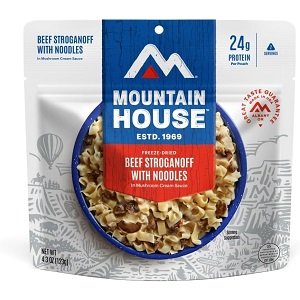 |
| Best Vegetarian | Good To-Go Pad Thai | 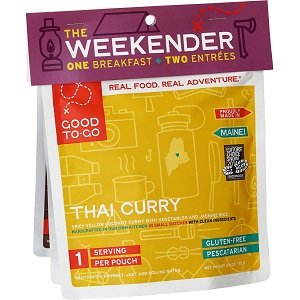 |
| Best Vegan | FIREPOT Mac’N’Greens | 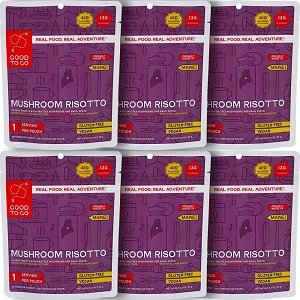 |
| Best High-Protein | BIGHORN Mountain Food Butter Chicken & Rice | 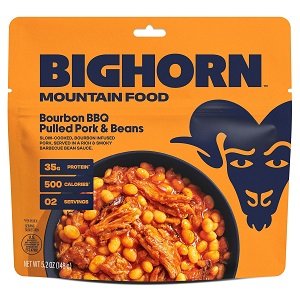 |
| Best Long Shelf Life | Mountain House Beef Stroganoff with Noodles | 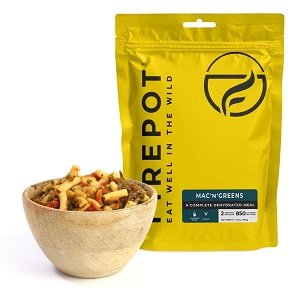 |
| Best Comfort Food | Good To-Go Mushroom Risotto | 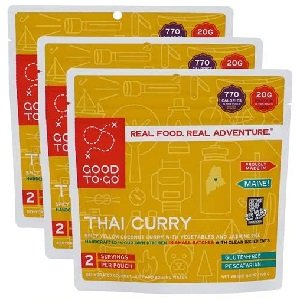 |
| Best Breakfast | Mountain House Breakfast Skillet | 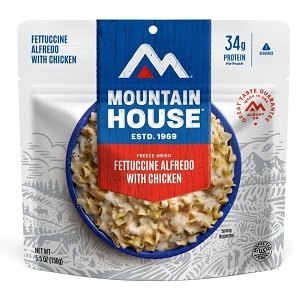 |
| Best High Calorie Meal | Good To-Go Resupply Food Kit | 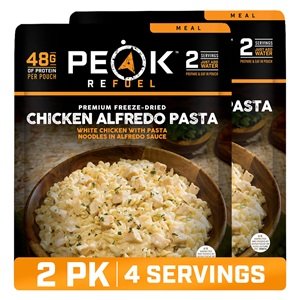 |
1. Mountain House Beef Stroganoff with Noodles
Tech Specs:
- Serving Size: 1 cup prepared (½ pouch)
- Servings Per Pouch: 2
- Calories Per Serving: 280
- Protein Per Serving: 12g
- Net Weight: 4.8 oz (136g)
- Preparation Time: 9 minutes (just add hot water)
Mountain House Beef Stroganoff with Noodles has earned a loyal following among backpackers because it consistently delivers reliable flavor, quick preparation, and a long shelf life. The creamy mushroom sauce pairs well with tender beef and noodles that rehydrate evenly, creating a meal that feels much closer to home cooking than many freeze-dried alternatives.
Preparation is simple—just add boiling water directly to the pouch, stir, seal, and wait about 9 minutes. The self-standing pouch makes cooking and cleanup easy, which is especially useful in poor weather or when camping with minimal equipment.
Each pouch contains two servings, although many hikers will find it ideal as a single meal after a demanding day on the trail. While it isn’t the highest-calorie option in this roundup, the balanced flavor, dependable texture, and impressive 30-year shelf life make it an excellent choice for backpacking trips, emergency kits, and long-term food storage.
Pros | Cons |
| Tastes like a real meal | Lower in calories |
| Rehydrate evenly with no crunchy bits | Not suitable for those with dairy |
| Beef chunks are tender | |
| Super easy to prepare in the pouch | |
| Long shelf life |
2. Good To-Go Pad Thai Vegetarian Dehydrate Meal
Tech Specs:
- Serving Size: 1 cup prepared (½ pouch)
- Servings Per Pouch: 2
- Calories Per Serving: 410
- Protein Per Serving: 13g
- Net Weight: 6.6 oz (187g)
- Preparation Time: 20 minutes (add boiling water and stir mid-soak)
During our field testing, the peanut-lime flavor stood out immediately after rehydration. The sauce had a noticeable balance of nuttiness, acidity, and mild spice, while the vegetables retained more texture than many freeze-dried meals we’ve used. Although it isn’t identical to restaurant-style Pad Thai, it offered one of the more flavorful vegetarian options in this comparison.
What makes this meal different is its ingredient list—it reads like something from a real kitchen, not a lab. You get chunks of carrots, scallions, and bell peppers, plus crushed peanuts and a lime packet that you add separately for a punch of brightness at the end. It’s vegan, gluten-free, and made with clean ingredients, which is a huge plus for those with dietary restrictions or who just prefer authentic food on the trail.
Rehydration takes longer than most (around 20 minutes total), and it’s important to follow the instructions carefully—especially stirring halfway through to prevent clumping and uneven texture. The wait is worth it, though. The noodles come out soft and flavorful, not soggy, and the sauce thickens beautifully, coating every bite.
One small gripe: it’s not a true Pad Thai in the traditional sense—it lacks the fish sauce and egg that define the classic version—but it still delivers a satisfying, savory, and slightly tangy experience that hits the spot after a long day on the trail. This is one of the best-tasting vegetarian meals we’ve tested, and it’s surprisingly filling for how light it feels.
Pros | Cons |
| Natural flavor with real vegetables | Long rehydration time |
| Made with clean, whole ingredients | Needs careful stirring |
| Crushed peanuts and lime packet | Not a traditional or real Pad Thai |
| Higher calorie count per serving | |
| Great alternative to cream-based |
3. Good To-Go Mushroom Risotto Gluten-Free Meal
Tech Specs:
- Serving Size: 1 cup prepared (½ pouch)
- Servings Per Pouch: 2
- Calories Per Serving: 380
- Protein Per Serving: 9g
- Net Weight: 6.2 oz (175g)
- Preparation Time: 20 minutes (add boiling water, stir halfway)
We tested this meal after a full day on the trail, and its creamy texture and earthy mushroom flavor made it one of the more satisfying vegetarian meals in this roundup. It brings something many freeze-dried meals lack: warmth, creaminess, and that deep umami flavor you only get from scratch-made food.
During testing, the shiitake mushrooms remained noticeably firmer than expected after rehydration, while the rice developed a creamy consistency after the full soaking time. The garlic, thyme, and nutritional yeast created a rich savory flavor without relying on dairy. The result is a thick, earthy risotto with savory depth and rich aroma. For backpackers who want proper food with real ingredients, this one delivers in a big way.
It’s also gluten-free and vegetarian, which makes it accessible to a wide range of dietary needs. Despite having no meat or dairy, the combination of mushrooms and nutritional yeast gives the dish a cheesy, buttery feel. The rice maintains a tender but slightly firm bite, very close to traditional risotto, especially if you let it sit the full recommended time and stir well.
The pack includes two servings, but many hikers (ourselves included) find it more realistic as a hearty single serving, especially after a tough day. At 380 calories per serving, it’s quite substantial, though not overly heavy on the stomach.
One thing to watch: like other Good To-Go meals, this one takes a little more care to prepare properly. Water temp and stirring are key. But if you’re willing to wait 20 minutes, the result is one of the best comfort foods you can get in a pouch. Overall, this is a great option for those who want a luxurious, meatless meal on the trail that doesn’t feel like a compromise.
Pros | Cons |
| Earthy mushrooms and herbs | Longer wait time (about 20 minutes) |
| Gluten-free and vegetarian | Lower protein content per serving |
| Creamy texture mimics stovetop risotto | A bit pricey for a vegetarian option |
| Real ingredients, no artificial flavors | |
| Very comforting after a long day |
4. BIGHORN Mountain Food Butter Chicken and Rice
Tech Specs:
- Serving Size: 1 pouch (2 servings)
- Calories Per Serving: 355
- Protein Per Serving: 18g
- Net Weight: Not specified
- Preparation Time: Approximately 10–15 minutes (add boiling water, stir, and let sit)
- Shelf Life: Conservatively recommended within 2 years of purchase
BIGHORN Mountain Food’s “The Best Butter Chicken & Rice” is a top tier in the realm of freeze-dried backpacking meals, offering a rich and satisfying experience that rivals homemade comfort food. This dish features tender chunks of white chicken enveloped in a mildly spiced tomato-curry sauce, infused with aromatic spices like turmeric, ginger, and garlic.
When we opened the pouch, the curry aroma was immediately noticeable. After adding hot water and waiting about 12 minutes, the sauce thickened well and coated both the rice and chicken evenly. The preparation is straightforward: simply add boiling water directly into the pouch, stir, and let it sit for about 10–15 minutes. The result is a hearty meal with a creamy, well-balanced sauce that complements the rice and chicken perfectly.
Each serving provides approximately 355 calories and 18g of protein, while the entire pouch contains about 710 calories and 35g of protein. Many backpackers eat the whole pouch after a strenuous day, making it a high-energy recovery meal. The generous portion size also makes it suitable for sharing if you’re hiking with a partner.
Although the meal is popular because of its flavor and nutrition, some users have noted that the chicken pieces can be quite large, which can lead to uneven rehydration. Breaking up the chicken chunks before adding water can help achieve a more consistent texture.
Based on our real experience, this was one of the richer and more filling meals in the roundup, especially for hikers looking for a higher-protein dinner after long mileage.
Pros | Cons |
| Rich, authentic butter chicken flavor | Require breaking up for even rehydration |
| High in protein (35g per pouch) | Slightly longer rehydration time |
| Easy preparation | Premium price |
| Generous portion size suitable for sharing | |
| Free from artificial flavors and additives |
5. Firepot Mac’N’Greens Vegan Backpacking Food
Tech Specs:
- Serving Size: 1 pouch (Regular: 135g / Extra Large: 200g)
- Calories Per Serving: Regular: 575 kcal / Extra Large: 850 kcal
- Protein Per Serving: Regular: 24g / Extra Large: 35.6g
- Net Weight: Regular: 135g / Extra Large: 200g
- Preparation Time: 15 minutes (add boiling water, stir, and let sit)
- Shelf Life: Not specified
- Packaging Options: Standard waterproof or compostable packaging
Firepot’s Mac’N’Greens offers a wholesome, plant-based twist on the classic mac and cheese, tailored for the health-conscious backpacker. This vegan meal combines macaroni with a medley of fresh vegetables, including curly kale and green flageolet beans, all enveloped in a garlicky tomato sauce and finished with a zing of lime.
The ingredient list is impressively clean: tomatoes (29%), flageolet beans (29%), onions, curly kale (11%), macaroni (8%, durum wheat semolina), carrots, celery, olive oil, lime juice, garlic, salt, and paprika. It contains no artificial additives, palm oil, or preservatives.
Nutritionally, the regular serving delivers 575 kcal and 24g of protein, while the extra-large serving provides 850 kcal and 35.6g of protein. The meal is also rich in fiber and offers 14g in the regular and 20.7g in the extra-large serving.
Preparation is uncomplicated: add boiling water directly into the pouch, stir, seal, and let it sit for 15 minutes. However, some users have noted that the beans require a bit more time to fully rehydrate, suggesting an additional 5 minutes for optimal texture.
During testing this meal, the tomato and lime flavors were more noticeable than we expected, giving the meal a brighter taste than general vegan backpacking meals. The beans benefited from a few extra minutes of soaking for a softer texture. It’s a hearty option that meets vegans and those looking for a nutritious, plant-based meal on the trail.
Pros | Cons |
| Vegan-friendly with high protein | Contains allergens: wheat and celery |
| Made with natural ingredients | Slightly longer preparation time |
| Rich, savory flavor with a hint of lime | Not suitable for those with wheat |
| Available in compostable packaging | |
| Dairy-free, plant-based meal |
6. Good To-Go Resupply Food Kit for Long-Term Use
Tech Specs:
- Serving Size: 1 pouch (double-serving meals)
- Total Servings: 24 servings (12 double-serving entrées)
- Calories Per Serving: Approximately 350–500 kcal
- Protein Per Serving: Varies by meal; generally 10–20g
- Net Weight: Approximately 5.07 lbs (2.3 kg)
- Preparation Time: 10–20 minutes (add boiling water, stir, and let sit)
- Shelf Life: 2–5 years
The Good To-Go Resupply Food Kit is a comprehensive meal solution designed for extended outdoor adventures, emergency preparedness, or situations where resupplying isn’t feasible. This kit includes 12 double-serving entrées, totaling 24 servings.
Each meal is crafted with real, recognizable ingredients. The variety in the kit includes options like Thai Curry, Herbed Mushroom Risotto, and Smoked Three Bean Chili, among others. This assortment meets various dietary preferences and provides a balance of carbohydrates, proteins, and fats to sustain energy levels during physically demanding activities.
Preparation is straightforward: add boiling water directly into the pouch, stir, seal, and let it sit for the recommended time. Across the meals we prepared from the kit, rehydration was generally consistent when the recommended water amount and soaking time were followed. Texture and flavor varied slightly by recipe, but most meals retained distinct ingredients rather than blending into a uniform consistency.
The packaging is lightweight and compact, making it convenient to pack and carry. However, the kit’s bulk may be more suitable for group expeditions or basecamp scenarios rather than solo ultralight backpacking trips.
“Keeping your cooking area clean on the trail is easier when you have a lightweight washing system. A compact portable camp sink can make dishwashing more efficient, especially on multi-day trips.”
Pros | Cons |
| Diverse selection of flavorful meals | Not suited for ultralight backpackers |
| High-quality ingredients | Higher upfront cost |
| Suitable for emergency preparedness | |
| Easy preparation with just boiling water | |
| Suitable for various dietary preferences |
7. Mountain House Fettuccine Alfredo with Chicken
Tech Specs:
- Serving Size: 1 cup (78g) dry mix
- Servings Per Pouch: 2
- Calories Per Serving: 410
- Protein Per Serving: 34g
- Net Weight: 156g
- Preparation Time: 10 minutes (add boiling water, stir, and let sit)
- Shelf Life: 30+ years when stored unopened in a cool area below 75°F
In our test results, the Alfredo sauce became creamy after about 10 minutes, and the chicken pieces rehydrated evenly without becoming rubbery, making it one of the more satisfying comfort meals in this comparison.
This dish features tender fettuccine pasta enveloped in a rich, creamy Alfredo sauce made with butter, sweet cream, and a blend of Parmesan, Romano, and Mozzarella cheeses. Generous chunks of freeze-dried chicken add a satisfying protein boost.
Nutritionally, each serving provides 410 calories and 34 grams of protein, making it a substantial option for refueling after a long day of hiking or other strenuous activities. The meal also offers 46 grams of fat, which contributes to its satisfying and energy-dense profile.
One of the marked features of this meal is its long shelf life of over 30 years when stored properly, making it an excellent choice for emergency preparedness or long-term storage.
Pros | Cons |
| Generous chicken pieces | Not suited all dietary preferences |
| Easy preparation with just boiling water | Not suitable for those with allergies |
| Long shelf life for long-term storage | Relatively high sodium content |
| High in protein and calories | |
| No artificial colors and flavors |
8. Peak Refuel Pesto Pasta High-Calorie, High-Protein Meal
Tech Specs:
- Calories: 920 per pouch
- Protein: 43g per pouch
- Weight: 5.71 oz
- Servings: 2
- Preparation: About 10 minutes
- Water required: 2/3 cup
- Main ingredients: Chicken, ziti noodles, Parmesan, pesto sauce
- Shelf life: 5 years unopened
If you want a backpacking dinner that delivers a lot of calories and protein without adding excessive weight, Peak Refuel Chicken Pesto Pasta is worth considering. The pouch combines real chicken, ziti noodles, Parmesan, and a creamy pesto sauce, with 920 calories and 43g of protein per pouch.
Peak Refuel says the meal is completely freeze-dried and designed to rehydrate with relatively little water. REI also lists 2/3 cup of water and a 10-minute preparation time.
he biggest advantage is the combination of calories, protein, and weight. At 920 calories in a 5.71-ounce pouch, it provides roughly 161 calories per ounce, which makes it particularly attractive for backpackers carrying food for several days.
The 43g of protein is also substantial for a single pouch, making this a practical option when you want a more substantial dinner after a long day on the trail.
The meal uses real white chicken and Parmesan rather than relying on a meat substitute, and the creamy pesto sauce gives it a different flavor profile from the tomato-based and traditional meat-and-potato meals elsewhere in this list.
Pros | Cons |
| Excellent calories-to-weight ratio | Contains milk and wheat |
| Only 2/3 cup of water required | Higher fat content than many lighter meals |
| Real chicken and 43g of protein | More expensive than basic freeze-dried meals |
| 10-minute preparation | |
| Two servings per pouch |
What We Found on the Trail
After testing these backpacking meals in real trail conditions and comparing their nutrition, weight, preparation, and overall practicality, here are the main points to consider:
- Best overall: Mountain House Beef Stroganoff — a balanced option for backpackers who want a familiar, filling dinner with straightforward preparation.
- Best for high calorie and protein needs: Peak Refuel Chicken Pesto Pasta — 920 calories and 43g of protein per pouch make it particularly useful after demanding hiking days.
- Best vegetarian option: Good To-Go Pad Thai — a flavorful meat-free choice with a substantial calorie count.
- Best vegan option: FIREPOT Mac & Cheese — a plant-based option for hikers who want a convenient dairy-free dinner.
- Best for long-term storage: Mountain House meals — a practical choice when shelf life is a major consideration.
- Best calorie density: Look beyond total calories and compare calories per ounce, especially when planning multi-day or ultralight trips.
- Best for cold-weather trips: Choose meals that provide substantial calories and are easy to prepare when temperatures are low and cooking conditions are less convenient.
- Most important consideration: The best backpacking meal depends on your trip. Flavor, calories, protein, weight, preparation, dietary requirements, and price should all be considered together rather than choosing solely by calories or taste.
If you’re car camping rather than carrying everything into the backcountry, you may have more flexibility with your cooking setup. In that case a portable fire pits for camping covers compact options that can also provide a cooking surface.
Dehydrated vs. Freeze-Dried Backpacking Meals
| Feature | Dehydrated | Freeze-Dried |
|---|---|---|
| Weight | Light | Very light |
| Rehydration | Usually longer | Usually faster |
| Texture | Often denser | Often closer to original texture |
| Shelf life | Varies | Often very long |
| Cost | Varies | Often higher |
| Best for | DIY/home meals | Convenience |
“A good meal is only one part of a well-planned backcountry setup. If you’re also building out your camp gear for bushcraft or backcountry trips, check out our guide to compact bushcraft saws.”
Buying Guide: How to Choose the Best Dehydrated Backpacking Meals
Choosing the right dehydrated backpacking meal can make a huge difference in how you feel on the trail. Calories matter. Protein matters. Prep time matters. But so does taste after a 12-mile hike in cold weather. This in-depth guide breaks down exactly what to look for so you can match your food to your hiking style, trip length, and energy needs.
Calories Per Ounce (Most Important for Backpackers)
Backpacking is a weight game. The real metric you should care about is calories per ounce, not just calories per serving.
- Ideal target: 100–130 calories per ounce
- Under 100 cal/oz → Better for casual or short trips
- 120+ cal/oz → Great for high-output hiking or cold weather
High-calorie examples from this list:
- Mountain House meals tend to offer strong calorie density.
- FIREPOT Mac’N’Greens (especially XL size) delivers serious energy.
- Good To-Go meals are balanced but slightly less calorie-dense.
If you’re hiking long distances or climbing elevation daily, prioritize calorie density over fancy ingredients.
Protein for Recovery
Protein prevents muscle breakdown and improves recovery after long miles. Many hikers prefer pairing their meals with a durable and insulated container, especially for hot drinks like coffee or tea at camp. A well-designed best backpacking mugs setup helps keep drinks warm during cold mornings.
Recovery on the trail also depends on quality rest. After a demanding hiking day, improving sleep comfort with a comfortable sleeping bag liners can help regulate temperature, protect your sleeping bag, and make overnight recovery more comfortable.
Target range:
- Moderate hiking: 12–20g per serving
- High output days: 20–35g per meal
High-protein standouts:
- BIGHORN Mountain Food Butter Chicken & Rice
- Mountain House Fettuccine Alfredo
Vegetarian meals tend to be lower in protein unless they include beans or legumes.
Rehydration Time & Water Requirements
Some meals take 9 minutes. Others need 20 minutes and careful stirring. Since many backpacking meals require boiling water, your cooking system plays an important role in meal preparation. Beyond your stove and cookware, a compact camping coffee makers can make mornings at camp more enjoyable without adding unnecessary bulk to your gear.
Quick meals (best for bad weather or exhaustion):
- Most Mountain House meals
Longer prep (better flavor, more texture):
- Good To-Go meals
- FIREPOT meals
If you’re hiking in cold alpine conditions, shorter cook times save fuel. Pairing your meals with top-rated titanium camping cookware sets will help you boil water faster while keeping pack weight low. Furthermore, a lightweight setup using the best camping utensils can make a big difference in comfort and cleanup on the trail.
Calorie & Protein Density Overview (Quick Visual Reference)
Storage Tips for Maximum Shelf Life
A long shelf life depends not only on the manufacturer but also on how you store your meals. Keep unopened pouches in a cool, dry location away from direct sunlight and excessive humidity.
If you’re planning a longer backpacking or camping trip, proper food storage is just as important as choosing the right meals. For more options beyond lightweight meal pouches, see our guide to the best camping food storage containers.
Avoid puncturing or crushing the packaging, as damaged pouches can allow moisture and air to enter, reducing storage life. Before every trip, inspect meal pouches for swelling, tears, or broken seals, and discard any that appear compromised.
Food storage is only one part of backcountry preparation. Carrying a filtered water bottles can help you safely refill from natural water sources. This will reduce the amount of water weight you need to carry.
Read Ingredient Labels Carefully
Even meals labeled as vegetarian or gluten-free may contain common allergens or be produced in facilities that handle wheat, dairy, soy, nuts, or eggs. If you have food allergies or strict dietary requirements, always review the ingredient list and allergen statement before your trip. It’s also worth checking whether a meal provides enough calories and protein for your activity level rather than relying solely on dietary labels.
Test Meals Before Your Trip
Avoid taking a new dehydrated meal on a long expedition without trying it first. Taste preferences, digestion, and portion sizes vary from person to person. Testing meals at home allows you to verify the flavor, determine whether the serving size is sufficient, and practice preparing the meal before relying on it in the backcountry.
How to Match Meals to Trip Type
Weekend Backpacking (1–2 nights): Prioritize taste and variety. Weight difference is minimal. For shorter camping trips, a comfortable reclining camping chairs gives you a better place to enjoy dinner and recover after a long day outdoors.
Thru-Hiking or Multi-Day Trips: Focus on calorie density and protein.
Cold Weather Camping: Higher fat + higher calories = better warmth.
Emergency Kits: Choose longest shelf life (30-year options).
For longer expeditions in bear country, proper food storage becomes critical. Using one of the best bear canisters for backpacking helps protect both your food and wildlife while meeting backcountry regulations.
Sources:
- CDC – Nutrition & Hydration Guidelines
- National Outdoor Leadership School (NOLS) – Backpacking Nutrition Principles
Frequently Asked Questions About Choosing Dehydrated Backpacking Meals
How many dehydrated meals do I need for a multi-day backpacking trip?
The number of dehydrated meals you need depends on your trip length, daily mileage, and calorie requirements. Most backpackers plan for one main dehydrated dinner per day and supplement it with breakfast meals, snacks, energy bars, nuts, and other lightweight foods. For demanding trips, estimate your total daily calorie needs first, then choose meals that provide enough energy without adding unnecessary pack weight.
What makes a good dehydrated backpacking meal for cold weather hiking?
Cold-weather backpacking requires meals with higher calories, fats, and carbohydrates because your body uses more energy to maintain warmth. Meals with dense calories per ounce, higher protein content, and larger portions are usually better choices for winter camping. Hot, filling meals such as pasta dishes, rice-based meals, and creamy recipes can also improve comfort during freezing conditions.
Are high-protein dehydrated meals better after long hikes?
High-protein dehydrated meals can be beneficial after long hiking days because protein supports muscle recovery and helps you feel full longer. Backpackers covering high mileage or carrying heavy packs often look for meals with 20 grams or more of protein per serving. However, protein should be balanced with enough carbohydrates and calories to replace the energy used during activity.
How do I choose dehydrated backpacking meals for ultralight trips?
For ultralight backpacking, focus on calorie density rather than just package weight. Meals with a high calories-per-ounce ratio provide more energy while keeping your pack lighter. Also consider preparation requirements, because meals that require less fuel and shorter cooking times can reduce the total weight of your cooking system.
Can I eat dehydrated backpacking meals without a stove?
Most commercial dehydrated backpacking meals are designed to be prepared with boiling water, but some can be cold-soaked if you plan ahead. Cold soaking works best with foods like noodles, rice-based meals, and certain grain dishes, although the texture may differ from hot preparation. Always test this method before depending on it during an important trip.
Why are some dehydrated backpacking meals more expensive than others?
The price difference usually comes from ingredient quality, recipe complexity, portion size, packaging, and brand manufacturing methods. Meals made with recognizable ingredients, specialty dietary options, or higher protein content often cost more. The cheapest option is not always the best value if it does not provide enough calories, flavor, or satisfaction on the trail.
Should I choose individual meals or a backpacking food kit?
Individual meals provide more flexibility because you can select flavors and nutrition based on your trip needs. Backpacking food kits are convenient for longer adventures, emergency preparation, or group trips because they simplify meal planning. However, solo ultralight hikers prefer individual pouches to avoid carrying meals they do not enjoy.
How should I pack dehydrated meals to prevent damage on the trail?
Keep dehydrated meals inside a waterproof storage bag or bear-resistant food container when required by local regulations. Avoid placing heavy equipment directly on meal pouches because punctures can expose food to moisture. Organizing meals by day or meal type also makes food management easier during multi-day trips.
What is the difference between dehydrated and freeze-dried backpacking meals?
Dehydrated meals have had much of their moisture removed through controlled heating, while freeze-dried meals are frozen and then dried under low pressure. Freeze-dried meals generally rehydrate more quickly and can retain more of their original texture, while dehydrated meals can be a practical option for lightweight backpacking and homemade trail food. Always follow the preparation instructions for the specific meal you are carrying.
How many calories should a backpacking dinner provide?
The ideal amount depends on your body size, hiking distance, terrain, weather, and total daily calorie intake. For a demanding backpacking day, look for a dinner that provides enough calories to complement the rest of your food rather than relying on one meal to meet your entire daily requirement. Calorie density is also important because meals with more calories per ounce can provide more energy without adding as much weight to your pack.
Conclusion
The best dehydrated backpacking meal is the one that matches your hiking style, nutritional needs, and trip length. Whether you prioritize maximum shelf life, clean ingredients, high protein, or plant-based nutrition, today’s backpacking meals offer far more variety and better flavor than ever before.
With proper planning your meals alongside your water, fuel, and food storage strategy, you’ll stay better fueled, reduce pack weight, and enjoy more satisfying meals on every adventure.