Best Winter Camping Hammocks (2026): 5 Cold Weather Picks Tested

m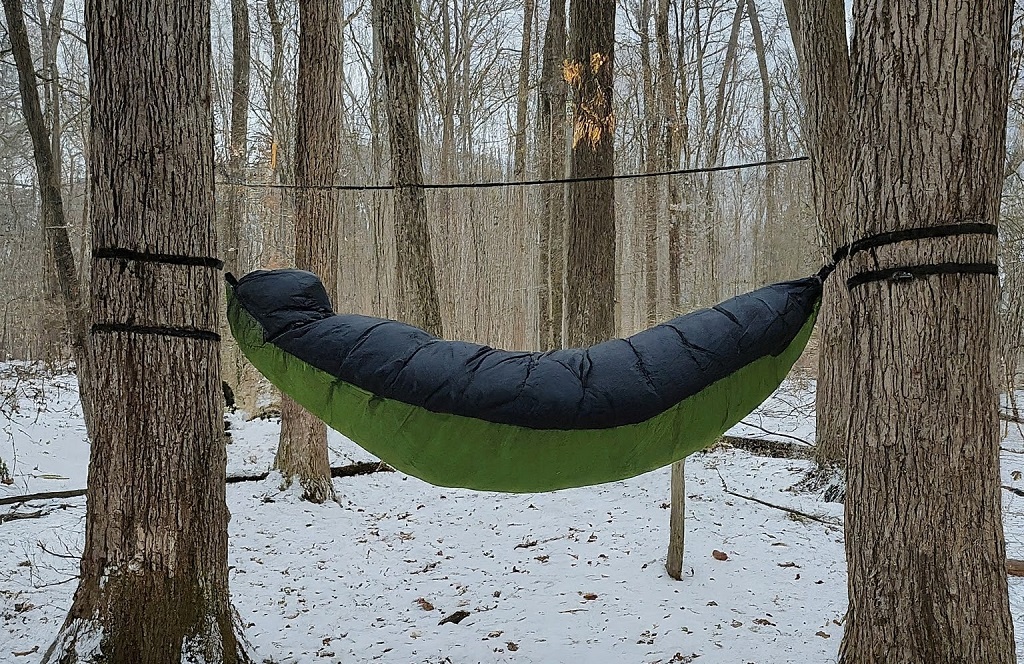
When camping in cold weather, having the right hammock can make all the difference in staying warm and comfortable through chilly nights. Compared to traditional camping setups, cold-weather hammocks are designed to handle lower temperatures. They often feature built-in insulation, rainflies, and bug nets to keep you cozy and protected.
Here’s a look at the 5 best cold-weather hammocks for camping, each offering unique features to help you brave the weather with confidence. We’ll cover product details, specifications, pros, and cons so you can make the best decision for your cold-weather camping needs!
How We Selected These Cold Weather Hammocks
We evaluated these cold-weather hammocks based on the features that matter most for winter camping, including suspension systems, underquilt compatibility, weather protection, packability, comfort, weight, and overall build quality.
Furthermore, we also reviewed manufacturer specifications alongside feedback from experienced hammock campers to identify models that consistently perform well in cold and challenging conditions. We know that every camper’s needs are different. For this reason, our recommendations prioritize warmth, reliability, ease of setup, and overall value for backpacking, car camping, and four-season adventures.
Best Cold Weather Hammocks Compared (2026)
| Hammock | Best For | Weight | Weight Capacity | Insulation Included | Our Rating |
|---|---|---|---|---|---|
| Onewind Wild Hammock Underquilt | Best Overall | 12 oz* | 350 lbs | ✅ Yes | 9.7/10 |
| Hennessy Hammock Explorer Deluxe | Best for Tall Campers | 3 lbs 4 oz | 300 lbs | ❌ No | 9.4/10 |
| Warbonnet Blackbird XLC | Best Premium Choice | 2 lbs 6 oz | 400 lbs | Optional | 9.3/10 |
| ENO DoubleNest with Guardian Bug Net | Best Modular System | 19 oz | 400 lbs | Optional (Underquilt Sold Separately) | 9.1/10 |
| Kammok Mantis UL All-in-One | Best Ultralight Backpacking | 2 lbs | 300 lbs | ❌ No | 9.0/10 |
*Weight refers to the insulated underquilt/protective cover component listed by the manufacturer.
🏆 Quick Recommendations
- Best Overall: Onewind Wild Hammock Underquilt Insulation – The best all-around choice for winter camping thanks to its integrated insulation, wind protection, and four-season design.
- Best for Tall Campers: Hennessy Hammock Explorer Deluxe Zip – Offers generous interior space and a flatter sleeping position for taller users.
- Best Premium Pick: Warbonnet Blackbird XLC – A highly customizable hammock with outstanding comfort and excellent compatibility with winter accessories.
- Best Value: ENO DoubleNest with Guardian Bug Net – A versatile and lightweight system that performs well year-round when paired with an underquilt.
- Best for Backpacking: Kammok Mantis UL All-in-One Hammock Tent – An ultralight hammock tent with an integrated rainfly and bug net, making it ideal for backpackers who prioritize low pack weight.
If this is your first cold-weather camping trip, it’s also worth reviewing these winter camping tips for beginners before heading into freezing temperatures.
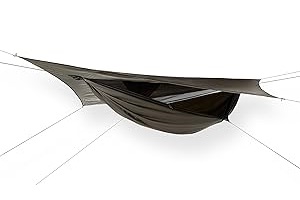
1. Hennessy Hammock Explorer Deluxe Zip
Specs:
- Weight Capacity: 300 lbs
- Dimensions: 132″ x 59″
- Weight: 3 lbs 4 oz
- Material: 70D nylon taffeta
- Included: Rainfly, bug net, and webbing straps
⛺ Field Performance Rating
The Hennessy Hammock Explorer Deluxe is designed for taller campers, making it an ideal option if you’re looking for both comfort and durability. It’s perfect for cold weather, thanks to its integrated bug net and the option to add an underquilt or sleeping pad for extra warmth. The asymmetrical design provides a flatter lie, so you’ll sleep more comfortably than in traditional hammocks.
Pros:
- Integrated rainfly for cold & wet
- Durable and roomy for taller users
- Easy to set up with all-inclusive gear
- Asymmetrical design
- Flat sleeping position
Cons:
- Slightly heavier than ultralight options
- It doesn’t include insulation
2. Warbonnet Blackbird XLC Cold Hammock
Specs:
- Weight Capacity: 400 lbs
- Dimensions: 132″ x 62″
- Weight: 2 lbs 6 oz
- Material: 70D nylon
⛺ Field Performance Rating
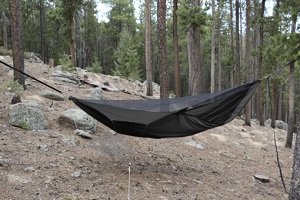
The Warbonnet Blackbird XLC is known for its versatility and customization options, making it a fantastic choice for cold-weather hammock camping. With an extended length for taller campers, an integrated bug net, and plenty of space, it’s highly comfortable. When paired with a winter top cover or underquilt, you’ll stay warm even in freezing temperatures.
Pros:
- Spacious and adjustable for all body types
- Optional winter top cover
- Compatible with underquilts
- Footbox for side sleepers
Cons:
- Accessories can raise the price
- Requires additional insulation for cold
3. ENO DoubleNest with Guardian Bug Net
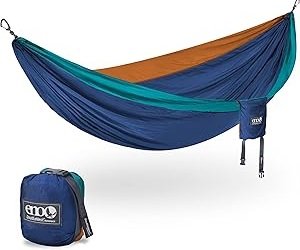
Specs:
- Weight Capacity: 400 lbs
- Dimensions: 9’4″ x 6’2″
- Weight: 19 oz (hammock), 30 oz (underquilt)
- Material: 70D high-tenacity nylon taffeta
⛺ Field Performance Rating
The ENO DoubleNest Hammock is a versatile choice that works well in both warm and cold weather when paired with the right accessories. The Vulcan Underquilt provides an extra layer of insulation under the hammock. This is essential for keeping warm during cold-weather camping. Also, if you want a lightweight and easily packable solution with the flexibility as needed, this combo is a solid option.
Pros:
- Lightweight and packable
- Double-sized for extra space or 2 person
- Underquilt provides solid insulation
- Easy to set up and adjust
Cons:
- Accessories (bug net, underquilt) sold separately
- Not the warmest option without an additional underquilt or top cover
4. Kammok Mantis UL All-in-One Hammock Tent
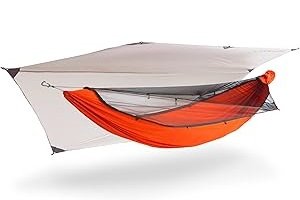
Specs:
- Weight Capacity: 300 lbs
- Dimensions: 120″ x 56″
- Weight: 2 lbs
- Material: 20D ripstop nylon
⛺ Field Performance Rating
The Kammok Mantis UL is an all-in-one hammock tent system that’s perfect for cold-weather camping because of its lightweight design and ease of use. It comes with an integrated rainfly and bug net. The portable Mantis UL hammock tent lets you relax in just 60 seconds with its hassle-free and knotless suspension system. This model is lighter than your tent and faster to set up.
Pros:
- Ultra-lightweight, ideal for backpacking
- Compact and packable for long hikes
- Includes rainfly and bug net
- Quick and easy to set up
Cons:
- Lacks built-in insulation for winter (requires separate purchase)
- A bit snug for taller or larger campers
5. Onewind Wild Hammock Underquilt Insulation
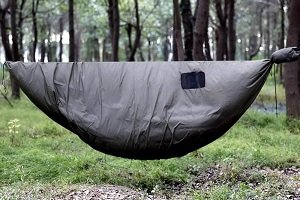
Specs:
- Weight Capacity: 350 lbs
- Dimensions: 126″ x 50″
- Weight: 12 oz
- Material: Nylon
⛺ Field Performance Rating
The Onewind Double 11′ Camping Hammock offers wind protection and a cozy setup with its full-length, synthetic Dupon Sorona underquilt. This ripstop nylon hammock keeps you warm down to 14-23°F, making it perfect for 4-season use. It features shock cords on both ends to eliminate cold spots and adjustable for optimal comfort. This will ensure no Cold Butt Syndrome (CBS).
Pros:
- Insulated design for cold weather
- Ideal for winter and sub-freezing temp
- Built-in top cover adds warmth
- Spacious enough for comfort
- You can add layers
Cons:
- Heavier than non-insulated models
- Takes up more pack space due to insulation
Buying Guide for Cold Weather Hammocks
When selecting a cold-weather hammock for camping, consider these key factors to ensure you stay warm and comfortable:
Insulation
Underquilts are essential for warmth. They provide insulation underneath the hammock. Check if the hammock comes with an integrated underquilt or if it’s compatible with aftermarket options. Top covers also add an extra layer of warmth and protection from the wind and cold. Ensure the hammock has or can be fitted with a top cover.
Even the warmest hammock setup won’t keep you comfortable if you’re dressed improperly. Layering moisture-wicking base layers, insulating mid-layers, and weather-resistant outerwear is just as important. Our guide on what to wear when camping in the winter explains how to dress for freezing temperatures.
Material
Look for durable and water-resistant materials like ripstop nylon or polyester, which provide insulation and withstand harsh conditions. Choose a material that balances warmth and weight. Heavier fabrics offer better insulation but can be bulkier.
Size and Weight Capacity
Make sure that the hammock is long and wide enough for your comfort, especially if you’re tall. Verify that the hammock supports your weight, plus any additional gear or insulation.
Weather Protection
A good rainfly is crucial for keeping you dry and warm. Check if the hammock includes a rainfly or if it’s sold separately. Bug or mosquito net is essential for summer but also useful in winter to keep out pests. Ensure it’s removable or integrated.
Setup and Portability
Look for hammocks with simple and user-friendly setup mechanisms. If you’re planning multi-day hikes or backcountry adventures, choose a hammock that packs down small without sacrificing durability. Our guide to the best ultralight hammocks for backpacking compares lightweight models designed for long-distance trekking and fastpacking.
FAQs: Best Hammocks for Winter Camping
Are double hammocks warmer than single hammocks?
Not necessarily. A double hammock offers more interior space, but warmth depends primarily on your insulation system rather than the hammock’s width. In very cold conditions, excess interior space may even require more effort to retain body heat.
Do I need special tree straps for winter hammock camping?
Most quality hammock tree straps work year-round. However, wider polyester straps provide better grip on snow-covered or wet trees and help protect tree bark while supporting the hammock securely.
How do I prevent condensation inside a winter hammock setup?
Use a breathable top cover or maintain adequate ventilation under your rainfly. Avoid sealing the hammock completely, as trapped moisture from breathing can reduce insulation performance and leave gear damp by morning.
Can I hammock camp above the tree line in winter?
Generally, no. Hammocks require sturdy anchor points, which are often unavailable above the tree line. In alpine or treeless environments, a four-season tent is usually the safer and more practical shelter.
How long does an insulated hammock last?
A well-maintained nylon hammock and synthetic underquilt can last many years with regular use. Cleaning the fabric after trips, storing it dry, and avoiding prolonged UV exposure will significantly extend its lifespan.
Is winter hammock camping suitable for beginners?
It can be, but beginners should first practice in mild winter conditions before attempting sub-freezing trips. Learning how to properly hang a hammock, adjust insulation, and manage moisture is essential for a safe and comfortable experience.
What’s the biggest mistake people make when winter hammock camping?
The most common mistake is focusing only on a warm sleeping bag while ignoring insulation beneath the hammock. Cold air circulating underneath can quickly remove body heat, making underbody insulation just as important as top insulation.
Final Thoughts
Each of the hammocks highlighted offers unique features designed to handle cold temperatures and challenging weather conditions. If you’re looking for an all-in-one solution, the Onewind Wild is your best bet for winter camping.
If you prefer a more modular approach where you can add warmth as needed, both the ENO DoubleNest and the Kammok Mantis UL are excellent choices. However, consider your specific camping style, weather conditions, and personal preferences when selecting.