25 Delicious Backpacking Meals That Don’t Require Refrigeration

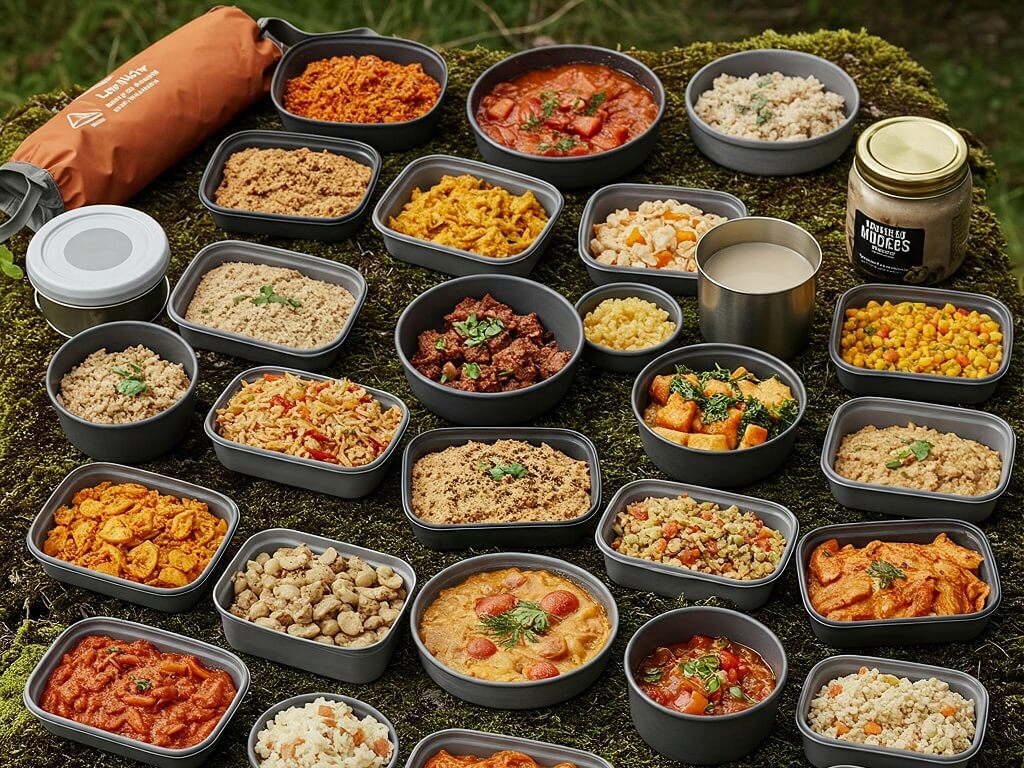
When you’re out in the wild, having meals that are easy to prepare and don’t require refrigeration can make a multi-day backpacking trip much easier. Over the past couple of summers, I’ve tried different shelf-stable meal ideas on the trail and found that the best options balance low weight, enough calories, simple preparation, and good flavor. Meals that only need hot water—or no cooking at all—also make camp cleanup much easier.
Whether you’re planning a weekend hike or a longer backpacking trip, these 25 backpacking meals that don’t require refrigeration offer practical options for breakfast, lunch, dinner, and trail snacks. I’ve focused on meals and ingredients that are easy to pack, store, and prepare when you’re carrying everything on your back.
Why Choose Meals That Don’t Require Refrigeration?
One of the key challenges when backpacking is carrying food that won’t spoil, especially if you’re out for several days. By choosing meals that don’t require refrigeration, you save weight, space, and the hassle of carrying a cooler or worrying about spoilage. These meals also allow you to pack light and focus on enjoying the hike.
What Makes a Good No-Refrigeration Backpacking Meal?
A good no-refrigeration backpacking meal should be more than just shelf-stable. It should be practical to carry, easy to portion, and satisfying after a long day on the trail. When choosing meals for a backpacking trip, look for these qualities:
- Packability: Choose foods that take up little space and can be packed without bulky containers.
- Good energy value: Meals with a useful combination of carbohydrates, protein, and fats can help support your energy needs during active days.
- Simple preparation: Meals that need only hot water or minimal cooking can save fuel, time, and cleanup at camp.
- Low mess: Single-pot meals and foods that can be eaten directly from their packaging make cleanup easier.
- Stable ingredients: Prioritize properly packaged, shelf-stable ingredients that can safely be stored without refrigeration according to their labels.
- Variety: Mix breakfasts, savory dinners, snacks, and different flavors so you don’t end up eating the same type of food every day.
The goal is to find a balance between nutrition, convenience, weight, and taste. A meal that looks great on paper isn’t much help on the trail if it requires too much cooking, creates unnecessary dishes, or adds excessive weight to your pack.
25 Backpacking Meals That Don’t Require Refrigeration
These backpacking meal ideas are organized by preparation style, making it easier to choose foods that fit your trip. For packaged ingredients, always follow the manufacturer’s storage instructions, especially after opening.
| Meal | Best For | Preparation | Why It Works |
|---|---|---|---|
| Dehydrated Chili | Dinner | Add hot water and rehydrate | Hearty, flavorful, and easy to portion for a warm evening meal. Learn how to make and dehydrate chili. |
| Instant Oatmeal | Breakfast | Add hot water | Quick to prepare and easy to customize with dried fruit, nuts, or powdered milk. |
| Beef Jerky and Nuts | Trail snack | No cooking required | A convenient combination of protein, fat, and calories for eating while hiking. |
| Instant Rice with Tuna | Lunch or dinner | Prepare rice and add tuna | Combines quick-cooking carbohydrates with a convenient protein source. |
| Couscous with Dried Vegetables | Lightweight dinner | Add hot water and let stand | Light to pack, quick to prepare, and easy to flavor with spices or seasoning. |
| Mac and Cheese | Comfort meal | Cook or rehydrate | A familiar, filling option that can be enhanced with shelf-stable protein or dried vegetables. |
| Dehydrated Soups | Quick dinner | Add hot water | Lightweight and convenient when you want a warm meal with minimal preparation. |
| Pasta with Shelf-Stable Pesto | Dinner | Cook pasta and mix | Simple pasta becomes more flavorful with pesto and optional dried vegetables or meat. |
| Quinoa and Dried Vegetables | Nutritious dinner | Cook or rehydrate | Provides a filling base that pairs well with dehydrated vegetables and seasonings. |
| Freeze-Dried Scrambled Eggs | Breakfast | Add hot water | Convenient for breakfast and easy to combine with dried vegetables, cheese, or bacon bits. |
| Granola with Powdered Milk | Breakfast or snack | Add water or eat dry | Requires little preparation and provides a convenient combination of carbohydrates, fats, and protein. |
| Ramen Noodles with Dried Vegetables | Quick dinner | Add boiling water | Fast to prepare and easy to customize with dehydrated vegetables or seasonings. |
| Rice and Beans | Filling dinner | Cook or rehydrate | A satisfying combination that can be seasoned with spices and supplemented with shelf-stable ingredients. |
| Dehydrated Smoothie Packets | Breakfast or snack | Mix with water | Easy to carry and useful when you want something quick without cooking. |
| Trail Mix | Trail snack | No cooking required | A versatile combination of nuts, dried fruit, seeds, and other shelf-stable ingredients for quick energy. |
| Vegetable and Lentil Stew | Warm dinner | Cook or rehydrate | A hearty option that combines lentils with dehydrated vegetables and seasonings. |
| Instant Polenta with Shelf-Stable Cheese | Quick dinner | Add hot water | Soft, comforting, and fast to prepare when you want a change from pasta or rice. |
| Dried Fruit and Nut Butter | Snack or light meal | No cooking required | Easy to pack and provides a compact source of energy for breaks on the trail. |
| Tortillas with Shelf-Stable Refried Beans | No-cook lunch | No cooking required | Convenient for a quick lunch and can be eaten without a stove when using shelf-stable ingredients. |
| Dried Mushrooms and Instant Soup | Light dinner | Rehydrate with hot water | Adds extra texture and flavor to a simple instant soup without requiring fresh ingredients. |
| Spicy Instant Noodles | Quick dinner | Add boiling water | Fast and easy to customize with chili flakes, dried vegetables, or other shelf-stable additions. |
| Canned Chicken and Crackers | Protein-rich lunch | No cooking required | Convenient and shelf-stable before opening, although the can adds more weight than dehydrated alternatives. |
| Instant Mashed Potatoes with Gravy | Comfort dinner | Add hot water | Extremely simple to prepare and easy to combine with dehydrated meat or shelf-stable seasonings. |
| Dried Fruit and Cereal Bars | Snack or meal replacement | No cooking required | Compact, portable, and convenient when you need food without stopping to cook. |
| Chickpea Salad | No-cook lunch | Mix and serve | Works well with shelf-stable chickpeas, dried vegetables, olive oil packets, and seasonings. |
No-Cook vs. Hot Backpacking Meals
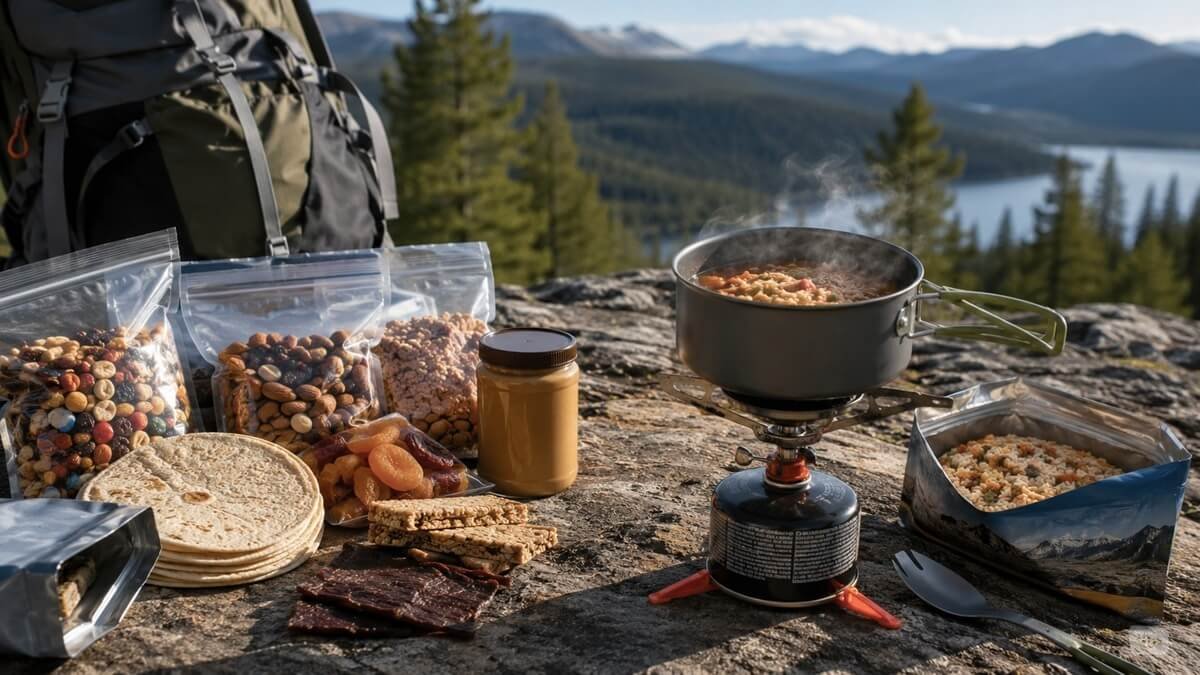
Choosing between no-cook and hot meals often comes down to your trip style, weather, and how much time you want to spend preparing food at camp. Both options can work well for backpacking, but each has different advantages.
No-Cook Backpacking Meals
No-cook meals are ideal when you want to save stove fuel, reduce cleanup, or eat quickly during a short break. They are especially convenient for lunch and trail snacks when you don’t want to stop for a full cooking session.
- Trail mix: Easy to portion and eat while hiking.
- Beef jerky and nuts: A portable option for quick trail fuel.
- Dried fruit and nut butter: Simple, compact, and energy dense.
- Tortillas with shelf-stable refried beans: A practical lunch when using suitable shelf-stable ingredients.
- Cereal or granola with powdered milk: Useful when you want breakfast without cooking.
Hot Backpacking Meals
Hot meals take more preparation, but they can be especially satisfying after a long or cold day outdoors. Many dehydrated and instant meals only require boiling water, so you can keep cooking time and cleanup relatively low.
- Dehydrated chili: A hearty option for a warm evening meal.
- Couscous with dried vegetables: Quick to prepare with hot water.
- Dehydrated soup: A simple choice when you want something warm and light.
- Instant mashed potatoes: Fast to prepare and easy to customize.
- Ramen with dried vegetables: A convenient hot meal with plenty of room for customization.
For longer trips, a combination of both styles usually works best. Pack no-cook foods for quick lunches and snacks, then save hot meals for breakfast or dinner when you have more time to stop, boil water, and eat at camp.
Backpacking Meal Tips for Efficiency and Enjoyment
- Prep Ahead of Time: Pre-pack meals into individual bags or containers for easy access.
- Opt for Lightweight, High-Energy Foods: Choose meals rich in protein and carbs for sustained energy.
- Hydrate Properly: Carry a rehydration system to prepare dehydrated meals quickly.
- Use Flavor Boosters: Pack small spice bags or seasoning packets for extra taste without adding weight.

Food Safety Tips for Backpacking Without Refrigeration
Not every food is safe to carry without refrigeration simply because it is convenient for backpacking. Choose properly packaged, shelf-stable foods and check the label for storage requirements before adding them to your pack. The USDA’s guidance on storing dry goods also recommends checking packaging for damage and protecting dry foods from moisture and pests.
A few simple precautions can help reduce the risk of food spoilage during a trip.
- Check storage instructions: Make sure packaged foods are labeled as shelf-stable and follow the manufacturer’s storage directions.
- Watch expiration dates: Check dates before your trip and avoid packing damaged, leaking, or compromised packages.
- Protect opened food: Once a package is opened, follow its storage instructions rather than assuming it remains safe at room temperature.
- Keep food clean and sealed: Use resealable bags or containers to protect food from moisture, dirt, and insects.
- Be careful with perishable ingredients: Fresh meat, dairy, and other foods that normally require refrigeration need an appropriate cold-storage plan.
- Don’t rely on appearance alone: If food has an unusual smell, appearance, or package condition, it’s safer to discard it.
For multi-day trips, shelf-stable and dehydrated ingredients are generally easier to manage because they reduce your dependence on a cooler or other cold-storage system. Always follow the specific storage instructions provided with the food you’re carrying.
FAQs: Non-Refrigerator Backpacking Meals
What foods can you take backpacking without refrigeration?
Good options include dehydrated meals, freeze-dried foods, instant grains, dried fruit, nuts, jerky, granola, shelf-stable tortillas, and other properly packaged shelf-stable foods. Always check the product label for storage requirements and follow the manufacturer’s instructions, particularly after opening.
How do you keep backpacking food fresh without a cooler?
Choose foods designed for room-temperature storage, keep packages sealed until needed, and protect them from moisture, heat, and direct sunlight. Repackaging dry foods into clean, sealed bags can also reduce bulk and help keep them protected during the trip.
What is the best no-cook foods for backpacking?
Trail mix, jerky, nuts, dried fruit, nut butter, granola, cereal bars, and tortillas with suitable shelf-stable fillings are convenient no-cook choices. They are especially useful for quick lunches, snacks, or situations where you want to conserve stove fuel.
Can you bring canned food backpacking?
Yes, unopened canned foods can be suitable when they are shelf-stable, but their weight makes them less practical for longer backpacking trips. For weight-conscious trips, dehydrated or freeze-dried alternatives are usually easier to carry.
How do you plan meals for a multi-day backpacking trip?
Start by planning each day’s breakfast, lunch, dinner, and snacks, then choose foods based on preparation time, weight, calories, and water requirements. Combining no-cook foods with a few simple hot meals can give you variety while keeping cooking and cleanup manageable.