5 Best Energy Bars for Hiking: Tested on Long Trails

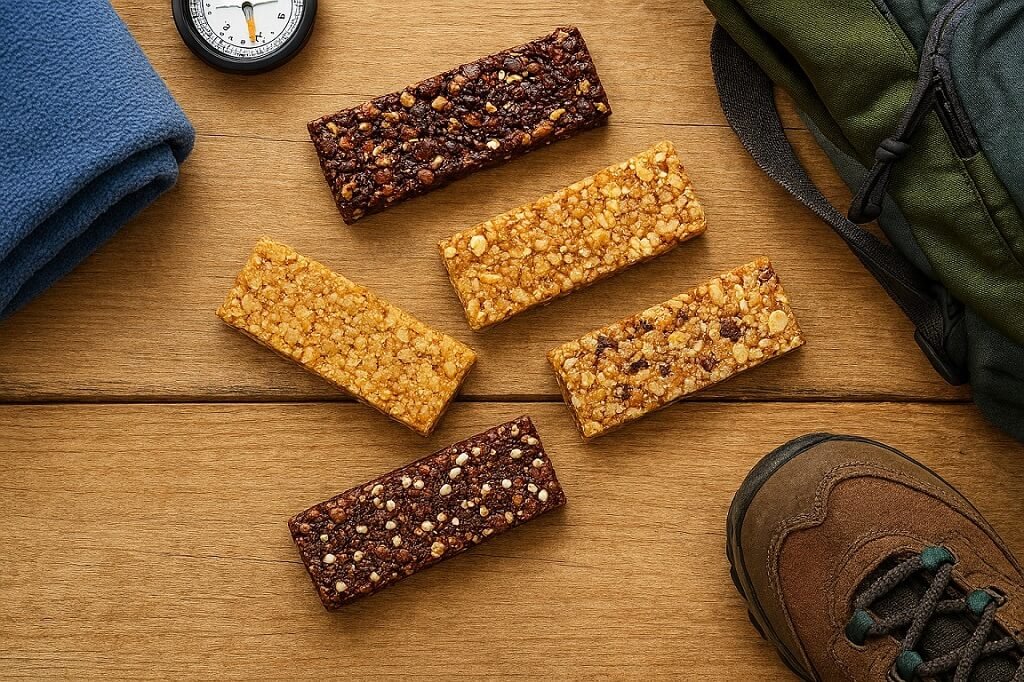
Choosing the right energy bar for hiking can make a big difference on long days outdoors. A good bar should provide useful calories and carbohydrates, be easy to eat on the trail, and hold up well in your pack. I compared five popular options based on nutrition, taste and texture, portability, and how well each works for different hiking situations.
Below, you’ll find the key differences between each option so you can choose an energy bar that matches your hike and fueling needs.
I’m Jonathan Larson, a professional outdoorsman, and I’ve tested countless energy bars on the trail. I know what works and what doesn’t when you need a reliable boost. In this guide, I’ll share my five favorite energy bars for hiking, chosen for their taste, nutrition, and real-world performance. Whether you need sustained energy for a full-day trek or a quick bite to power through a tough section, these options will keep you fueled without the crash.
Let’s get into it.
My 5 Favorite Energy Bars for Hiking – Trail-Tested Reviews
Here’s a clean comparison table of five favorite energy bars for hiking. If you want me to adjust specific details, let me know!
| Energy Bar | Calories | Carbs | Protein | Fat | Sugar | Best For |
|---|---|---|---|---|---|---|
| Clif Bar | 250 | 45g | 10g | 5g | 21g | Long hikes |
| RXBAR | 210 | 24g | 12g | 9g | 13g | High-protein fueling |
| Larabar | 200 | 24g | 4g | 10g | 18g | Simple ingredients |
| ProBar Meal | 390 | 47g | 11g | 18g | 20g | High-calorie needs |
| Honey Stinger Waffle | 150 | 21g | 1g | 7g | 14g | Quick energy |
Product information note: Nutrition values, ingredients, product sizes, and availability can vary by flavor and may change over time. Check the manufacturer’s current product label and specifications before buying.
How I Evaluated These Energy Bars
I compared these energy bars using the factors that matter most when you’re carrying food on a hike:
- Nutrition: Calories, carbohydrates, protein, fat, and sugar per bar.
- Taste and texture: How easy each bar is to eat and how the texture feels on the trail.
- Portability: Whether the bar is compact and practical to carry in a hiking pack.
- Trail performance: How well each option works for quick energy, sustained fueling, or higher-calorie needs.
- Weather handling: How the texture holds up in warm or cold conditions.
- Best use: Whether each bar is better suited to short hikes, long-distance hiking, backpacking, quick energy, or replacing part of a meal.
Nutrition information and product specifications can vary by flavor and may change over time. Check the manufacturer’s current product label and specifications before buying.
My 5 Favorite Energy Bars for Hiking – Trail-Tested Reviews
- 1. Clif Bar – Best for Steady Energy on Long Hikes
- 2. RXBAR – Best for High-Protein Fueling
- 3. Larabar – Best for Simple, Natural Energy
- 4. ProBar Meal – Best for High-Calorie Needs
- 5. Honey Stinger Waffle – Best for Quick Energy on the Trail
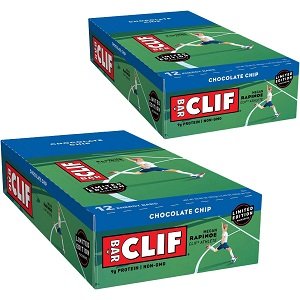
1. Clif Bar – Best Energy Bar for Long Hikes
Tech Specs:
- Calories: 250
- Protein: 10g
- Carbohydrates: 45g
- Sugar: 21g
- Fat: 5g
- Key Ingredients: Rolled oats, soy protein, brown rice syrup
- Our Rating: ★★★★☆
I took Clif Bars with me on a multi-day backpacking trip through the Rocky Mountains, where I needed slow-burning fuel for long ascents. These bars are a staple among hikers for good reason—they provide a solid mix of carbohydrates, protein, and fats, keeping energy levels steady without a sugar crash.
The texture is soft and chewy, making it easy to eat on the move. Unlike some bars that feel too dry, Clif Bars go down smoothly, even in dry climates. I tested a few flavors, and while some were better than others, they all had a natural taste without being too sweet. The 10 grams of protein come from plant-based sources, making them a solid choice for vegetarian hikers.
One downside is the sugar content—at 21 grams per bar, they aren’t the lowest in sugar. However, if you’re burning calories fast on the trail, the balance of macronutrients makes sense. I also found that these bars can get a bit sticky in warm weather, so keeping them in a cool spot in your pack helps.
Pros:
✔ Provides long-lasting energy
✔ Good variety of flavors
✔ Soft and chewy texture
✔ Plant-based protein
Cons:
✘ Higher sugar content
✘ Can get sticky in hot weather
2. RXBAR – Best High-Protein Energy Bar for Hiking

Tech Specs:
- Calories: 210
- Protein: 12g
- Carbohydrates: 24g
- Sugar: 13g
- Fat: 9g
- Key Ingredients: Dates, egg whites, almonds, cashews
- Our Rating: ★★★★☆
While hiking a rugged section of the Appalachian Trail, I wanted a protein-packed bar that wouldn’t leave me feeling sluggish. RXBARs stood out because they use simple, whole-food ingredients, with egg whites as the primary protein source. The bars are dense but not overly processed, which I appreciated when looking for clean energy.
Each bar has 12 grams of protein, which helped with muscle recovery on longer days. The texture is chewy and a bit tough, especially in colder weather, so taking small bites helped. The natural sweetness comes from dates to keep the sugar content moderate without artificial additives.
Flavors like Peanut Butter Chocolate and Blueberry were solid, though some tasted a bit too dense. One thing to keep in mind is that these bars are on the firmer side, so they may not be the best choice if you prefer something softer. Overall, RXBARs worked well as a mid-hike snack or post-hike recovery option.
Pros:
✔ High protein content
✔ No artificial additives
✔ Naturally sweetened with dates
✔ Compact and easy to carry
Cons:
✘ Can be tough to chew, especially in cold weather
✘ Some flavors feel too dense
3. Larabar – Best Simple-Ingredient Energy Bar for Hiking

Tech Specs:
- Calories: 200
- Protein: 4g
- Carbohydrates: 24g
- Sugar: 18g
- Fat: 10g
- Key Ingredients: Dates, nuts, fruit
- Our Rating: ★★★★☆
On a humid hike in the Florida Everglades, I needed a lightweight bar that wouldn’t feel heavy or processed. Larabars, made with just nuts and fruit, were the perfect solution. They provide quick energy without preservatives or added sugars, which is great for those looking for a clean, whole-food snack.
Each bar contains only a handful of ingredients—usually just dates, nuts, and fruit. This simplicity makes them easy to digest, and I never felt sluggish after eating one. The texture is soft and slightly sticky, but they hold up well even in warm temperatures.
With 18 grams of natural sugar, they offer a quick energy boost, though they lack the protein needed for sustained endurance. I found them ideal for short to medium-length hikes when I needed something easy on my stomach. Flavors like Apple Pie and Peanut Butter Chocolate Chip were among my favorites.
Pros:
✔ Minimal ingredients, no additives
✔ Naturally sweetened
✔ Soft and easy to eat
✔ Great for quick energy
Cons:
✘ Lower in protein
✘ Can get oily in warm conditions
4. ProBar Meal – Best High-Calorie Energy Bar for Hiking
Tech Specs:
- Calories: 390
- Protein: 11g
- Carbohydrates: 47g
- Sugar: 20g
- Fat: 18g
- Key Ingredients: Nuts, seeds, dried fruit
- Our Rating: ★★★★★
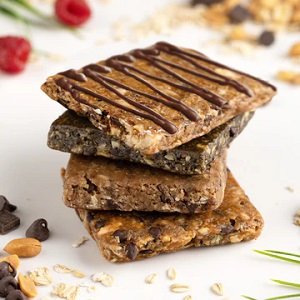
For long days on the John Muir Trail, where I needed a meal replacement, ProBar Meal bars delivered. With nearly 400 calories per bar, they offer a mix of protein, fats, and carbs to keep you going for hours. These bars are larger and more filling than most, making them great for extended hikes or backpacking trips.
The texture is soft with plenty of nuts and seeds, giving it a satisfying chew. The flavors are rich but not overly sweet, and I liked that they felt like real food rather than just a snack. With 11 grams of protein, they also provide enough recovery benefits for long days on the trail.
However, because of their size, they take up more space in your pack, and they’re a bit pricey. But if you need a meal on the go, these are worth it.
Pros:
✔ High-calorie, meal-sized bar
✔ Great mix of macronutrients
✔ Satisfying texture and flavor
✔ Provides long-lasting energy
Cons:
✘ Larger size takes up more space
✘ More expensive than other bars
5. Honey Stinger Waffle – Best for Quick Energy on the Trail
Tech Specs:
- Calories: 150
- Protein: 1g
- Carbohydrates: 21g
- Sugar: 14g
- Fat: 7g
- Key Ingredients: Honey, wheat flour, butter
- Our Rating: ★★★★☆
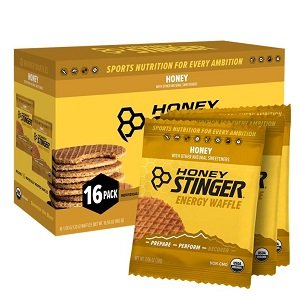
When I needed a quick pick-me-up on a high-altitude trek in the Sierras, the Honey Stinger Waffle hit the spot. These thin, crispy waffles are light yet provide an instant energy boost. Made with organic honey and wheat flour, they taste great and aren’t as heavy as traditional energy bars.
The texture is similar to a stroopwafel—crispy on the outside, slightly chewy in the middle. They work best for short bursts of energy rather than sustained endurance, so I used them before steep climbs or for a fast snack. The downside is they crumble easily, so I had to be careful packing them.
Pros:
✔ Light and easy to eat
✔ Tastes great, like a snack
✔ Provides quick energy
✔ Organic ingredients
Cons:
✘ Low in protein
✘ Crumbles easily in packs
Best Energy Bars Buying Guide for Hiking
Choosing an energy bar for hiking is less about finding one “perfect” option and more about matching the bar to the type of hike, how long you’ll be out, and how you plan to use it. Before buying, consider these factors:
Match the Bar to Your Hiking Distance
For short hikes, a lighter bar or waffle can be enough for a quick snack. For full-day hikes or backpacking trips, look for options with more calories and carbohydrates so you can carry enough food without needing a large number of bars.
Check Calories and Carbohydrates
Calories tell you how much energy a bar provides, while carbohydrates are an important part of the nutrition profile to compare when choosing trail food. In this comparison, the bars range from 150 calories for the Honey Stinger Waffle to 390 calories for the ProBar Meal.
If you’re carrying several bars for a long hike, compare the calories and carbohydrates per bar rather than simply counting how many bars are in the package.
Consider Protein and Fat
Protein and fat can also help determine whether a bar is better suited to a quick snack or a more substantial food option. RXBAR provides 12g of protein, while ProBar Meal provides 11g of protein and 18g of fat per bar based on the figures compared in this guide.
For longer trips, consider how the bar fits into your overall food plan rather than relying on a single nutrition number.
Think About Texture and Weather
Texture matters more on the trail than it might at home. A bar that is easy to chew and eat while walking can be more practical than one that becomes very firm, sticky, or crumbly in changing temperatures.
For example, the reviews in this guide note that Clif Bars can become sticky in warm conditions, while RXBAR can feel firmer in colder weather and Honey Stinger Waffles can crumble in a pack.
Check the Ingredient List
If ingredients are important to you, compare the label before buying. Larabar uses a relatively short ingredient list in the options reviewed here, while RXBAR uses ingredients including dates, egg whites, almonds, and cashews.
Remember that ingredients and formulations can vary between flavors, so check the specific product and flavor you intend to purchase.
Consider Packability
An energy bar should be easy to carry, access, and protect inside your hiking pack. Compact bars generally work well for snacks throughout the day, while larger meal-style bars may provide more calories but take up more space.
Also consider how easily the packaging protects the food from heat, moisture, and getting crushed alongside other gear. For backpacking in bear country, proper food storage is also important, so see our guide to the best bear canisters for backpacking.
Choose Based on How You’ll Eat It
Think about when you’ll reach for the bar:
- Quick snack: A lighter option can be convenient between trail sections.
- Before a steep climb: Look for something you find easy to eat and carry.
- Long hiking days: Higher-calorie options may make it easier to carry enough food.
- Backpacking: Consider calorie density, pack space, durability, and how the bar fits with your other meals. If you’re planning a longer trip, check out these delicious backpacking meals that don’t require refrigeration for additional food ideas.
- As part of a meal: A larger, higher-calorie bar may make more sense than a small snack bar.
Compare the Current Label Before Buying
Nutrition values, ingredients, serving sizes, product formulations, and availability can change. Compare the manufacturer’s current product label with the information in this guide before purchasing, especially if you’re buying a different flavor or product size.
The best energy bar for hiking is ultimately the one that fits your trip, food plan, taste preferences, and the conditions you’ll encounter on the trail.
FAQs: Top-Rated Energy Bars for Hiking
Which energy bar is best for long hikes?
For long hikes, Clif Bars and ProBar Meal bars work best because of their higher calorie and carb content, providing sustained energy. ProBar Meal is ideal for all-day treks since it’s more filling.
What should I look for in an energy bar for hiking?
Focus on calories, carbohydrates, protein, portability, texture, and how the bar fits your particular hike. A bar intended for a quick boost before a steep climb may have different characteristics from one you’re using as a higher-calorie food source during an all-day hike.
Are energy bars or protein bars better for hiking?
It depends on what you need from the snack. Energy bars with more carbohydrates can be useful when you need trail fuel, while higher-protein bars may be more suitable when protein is a priority. Check the nutrition label and choose based on the demands of your hike.
How many energy bars should I pack for a hike?
The amount depends on hike length, intensity, your other food, and your individual energy needs. For longer hikes, treat energy bars as part of your overall food plan rather than relying on them as your only source of calories.
What are the best energy bars for long-distance hiking?
For longer hikes, look for bars that provide enough calories and carbohydrates while being easy to carry and eat. In this comparison, Clif Bar and ProBar Meal offer higher calorie and carbohydrate amounts than Honey Stinger Waffles, while the best choice depends on how you plan to use the bar.
What is the best low-calorie option for hiking?
Honey Stinger Waffle has the lowest calorie count among the five options compared here at 150 calories per serving. It’s better suited to a quick snack or energy boost than replacing a larger meal.
What energy bars work well in hot weather?
Consider both the ingredients and texture of the bar. In the reviews above, Clif Bars can become sticky in warm conditions, while Honey Stinger Waffles can crumble. Packaging and storage also matter when hiking in hot weather.
What should I eat with an energy bar while hiking?
Energy bars can be combined with other hiking foods such as fruit, nuts, sandwiches, dehydrated meals, or other carbohydrate sources.
If you’re carrying a variety of foods on a camping or backpacking trip, using the right storage system can also help keep everything organized and protected. See our guide to the best camping food storage containers for practical options.
What is the best energy bar for quick bursts of energy?
If you need a fast boost before a steep climb or an energy dip, Honey Stinger Waffles are great. They digest quickly and provide a rapid sugar-based energy spike.
Are there any energy bars with minimal ingredients?
Yes! Larabar has some of the simplest ingredient lists—usually just nuts and fruit—making them great for those who prefer clean, whole-food options.
How many energy bars should I pack for a hike?
For a half-day hike, 1-2 bars should be enough. For a full-day or multi-day hike, aim for 2-4 bars per day, depending on your energy needs and other food you’re carrying.
Final Thoughts
Out on the trail, every step is powered by more than just calories — it’s fueled by determination, adventure, and the joy of moving through wild places. The right bar in your pack isn’t just food; it’s a reminder that you’re prepared, supported, and ready to push further.
Whether you’re climbing toward a summit or wandering a quiet forest path, these small bites carry big meaning: resilience, comfort, and the promise of energy when you need it most. At the end of the day, it’s not about the bar itself — it’s about the journey it helps you embrace.