
Complete Camping Gear Guide for 2026 (Beginner to Pro Setup)

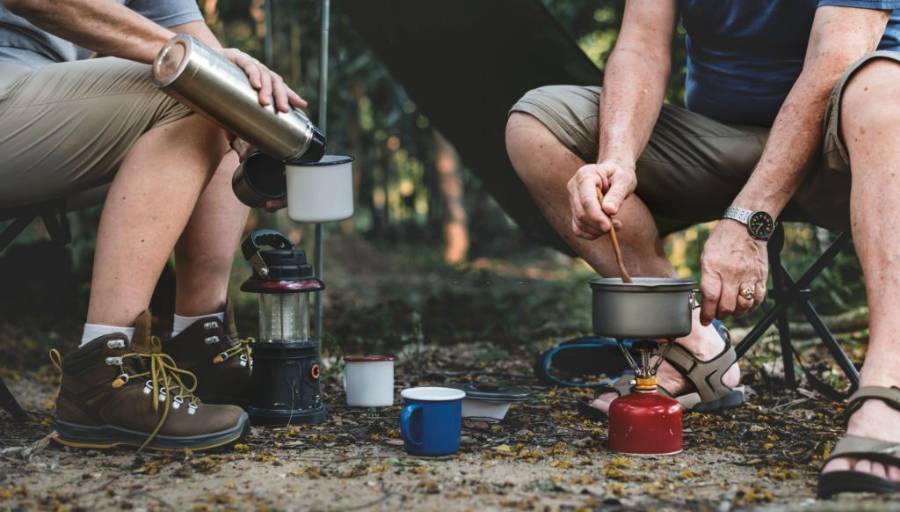
Camping in 2026 looks very different from what it did even a decade ago. Gear is lighter. Materials are stronger. Setups are smarter. But despite all the innovation, one problem remains the same:
Most campers buy products instead of building systems.
That’s where this guide is different.
Whether you’re planning your first overnight trip at a local campground, a weekend getaway in the mountains, or a multi-day backcountry expedition, this guide will walk you through how to think about camping gear the right way — so you buy smarter, pack better, and enjoy the outdoors more.
Who This Guide Is For
This complete camping gear guide is designed for three types of campers:
1️⃣ Beginners
If you’re new to camping, the biggest challenge isn’t gear quality — it’s confusion.
You’ll see:
- Hundreds of tent options
- Dozens of sleeping bag types
- Endless gadgets and tools
You don’t need everything. You need the right essentials.
This guide simplifies the noise and shows you:
- What you absolutely need
- What can wait
- What is marketing hype
If this is your first trip, you’ll be able to build a complete setup without wasting money.
2️⃣ Weekend Campers
You’ve camped before. You know the basics. But maybe:
- Your tent leaked last time
- You didn’t sleep well
- Your cooking setup felt messy
- Packing took forever
Weekend camping is where comfort and efficiency matter most. You’re not hiking 20 miles — but you also don’t want to overpack your vehicle with unnecessary gear.
This guide helps you upgrade strategically — not randomly.
3️⃣ Long Expedition & Backcountry Campers
If you’re planning:
- Multi-day backpacking trips
- Remote wilderness camping
- Winter or high-altitude trips
Then gear choice becomes critical.
Weight, durability, packability, and performance are no longer optional considerations — they’re survival variables.
You’ll learn how to:
- Prioritize weight without sacrificing safety
- Choose gear based on environment
- Build modular systems that adapt to conditions
Essential vs Optional Gear: What Really Matters
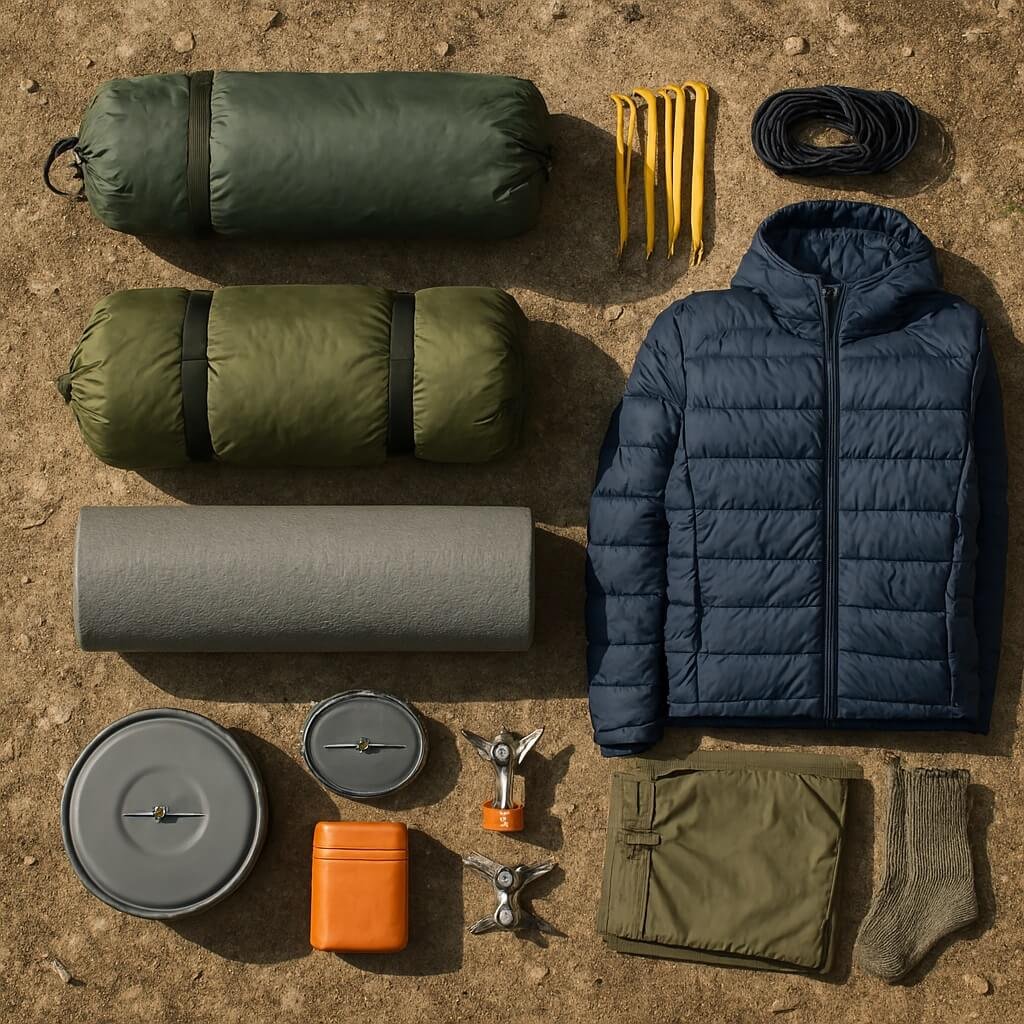
One of the biggest mistakes new campers make is confusing “nice to have” with “must have.”
Here’s the truth: Essential gear keeps you safe, dry, warm, and hydrated. Optional gear increases comfort and convenience.
Essential Gear Covers:
- Shelter (tent + rain protection)
- Sleeping system (insulation from ground + weather-appropriate bag)
- Water access or purification
- Food preparation basics
- Lighting
- Navigation & safety tools
Without these, your trip can quickly become uncomfortable — or even dangerous.
Optional Gear Includes:
- Camp chairs
- Large coolers
- Coffee presses
- Decorative lighting
- Extra cooking tools
- Comfort pillows
These improve experience but aren’t required for survival.
As you read this guide, you’ll see each item framed inside one of these two categories. That clarity alone will save you money and packing stress.
Car Camping vs Backpacking: A Critical Difference
Not all camping is the same. The way you pack depends entirely on how you reach your campsite.
🚗 Car Camping
Car camping means you park near your campsite and unload gear directly from your vehicle.
Advantages:
- You can bring heavier, bulkier items
- Comfort is easier to prioritize
- Setup can be more elaborate
Common car camping gear:
- Larger cabin tents
- Full-size coolers
- Folding chairs
- Multi-burner stoves
Weight is not a major concern. Space and organization matter more.
🎒 Backpacking
Backpacking means everything you need must fit inside your pack and be carried on your back.
This changes everything.
Now you must consider:
- Weight
- Volume
- Durability
- Multi-functionality
For example:
- A 10-pound tent may be fine for car camping
- But it’s unacceptable for a 15-mile hike
Backpacking gear often costs more because it uses advanced, lightweight materials. But the tradeoff is mobility and freedom. If you mix up car camping gear with backpacking needs, you’ll either overpay — or overpack.
Why Gear Systems Matter (Not Just Products)
Here’s the mindset shift that separates beginners from experienced campers:
- You don’t buy a tent. You build a shelter system.
- You don’t buy a sleeping bag. You build a sleep system.
- You don’t buy a stove. You build a cooking system.
A system works because each piece supports the others.
For example:
A proper sleep system includes:
- Tent (wind protection)
- Sleeping pad (ground insulation)
- Sleeping bag (temperature rating)
- Proper clothing layer
If one element fails — your entire night suffers.
The same applies to cooking:
- Stove
- Fuel
- Cookware
- Water access
- Food storage
Buying high-end gear randomly does not guarantee a good camping experience. Coordinating gear correctly does. This guide is structured around systems — so every section builds on the previous one.
What You’ll Learn in This Complete Guide
By the end of this pillar guide, you will:
- Understand which tent type fits your trip style
- Choose the right sleeping system for your climate
- Build an efficient camp kitchen
- Layer clothing properly for different seasons
- Pack smart whether car camping or backpacking
- Prepare for emergencies with essential safety gear
- Avoid common beginner mistakes
- Save money by prioritizing correctly
Instead of chasing trends or influencer gear lists, you’ll have a logical framework for building your setup.
Camping should feel freeing — not overwhelming. When your gear works together, you sleep better. When you sleep better, you hike better. When you hike better, you enjoy more. That’s the real goal. Now, let’s start with the foundation of every successful trip: your Shelter System.
Shelter System: Your Foundation for a Safe & Comfortable Camp
Your shelter system is the most important part of your camping setup. It protects you from wind, rain, cold ground, insects, and temperature swings. A poor shelter choice can ruin a trip — while the right one makes even rough conditions comfortable.
This section covers tent types, rain protection, and emergency shelter options so you can build a reliable setup for 2026 and beyond.
Understanding Tent Types
Not all tents are built for the same purpose. Choosing the right structure depends on your trip style, group size, climate, and how much weight you’re willing to carry.
1️⃣ Dome Tents
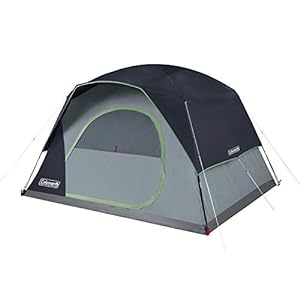
Dome tents are the most common and versatile option. They use two flexible poles that cross at the top, forming a rounded shape.
Best for: Beginners, weekend camping, light wind conditions.
Pros:
- Easy setup
- Lightweight
- Good wind resistance
- Affordable
Cons:
- Limited headroom
- Smaller vestibule space
Dome tents are excellent for casual campers and small groups. If you’re just starting out, this is the safest choice.
2️⃣ Cabin Tents
Cabin tents have near-vertical walls, maximizing interior space and headroom.
Best for: Family camping, car camping, longer stays.
Pros:
- Spacious interior
- Can stand upright inside
- Room dividers available
Cons:
- Heavier
- Less wind-resistant
- Bulkier to transport
A strong example is the Coleman Instant Camping Tent. This tent is designed for quick setup (often under 2 minutes) and is ideal for families who prioritize comfort over ultralight travel. Its pre-attached poles eliminate complicated assembly, making it perfect for beginners.
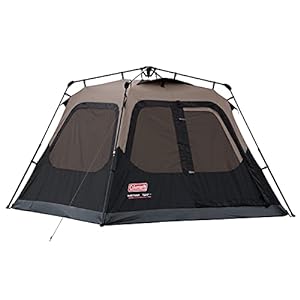
Coleman Instant WeatherTec Tent
If you’re driving to a campsite and staying multiple nights, cabin-style tents are hard to beat.
3️⃣ Tunnel Tents
Tunnel tents use parallel poles to create a long, semi-cylindrical structure.
Best for: Groups, extended trips, moderate wind conditions.
Pros:
- Excellent interior space-to-weight ratio
- Large vestibules
- Stable when properly staked
Cons:
- Must be staked properly
- Not freestanding
Tunnel tents are popular in Europe and increasingly common in expedition-style setups.
4️⃣ 4-Season Tents
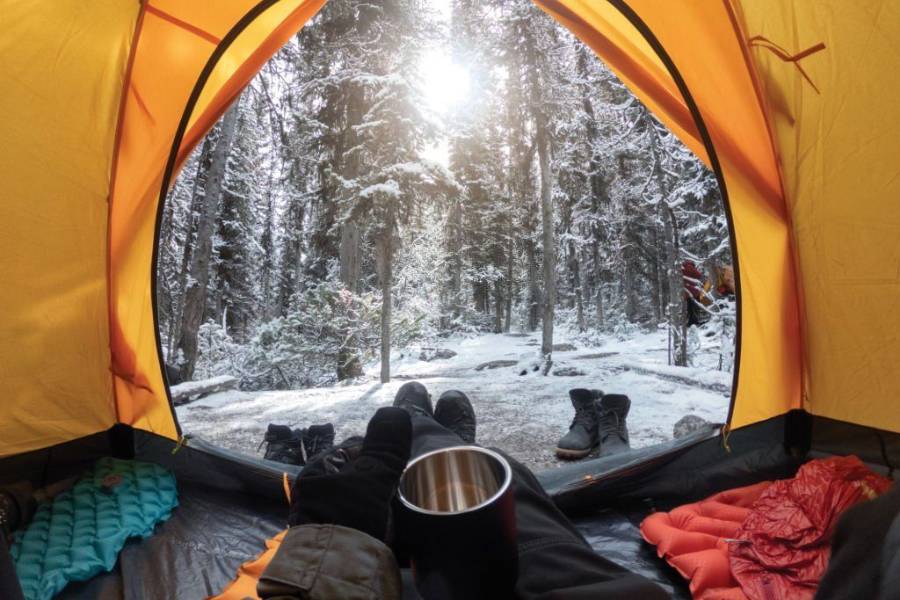
4-season tents are built for extreme weather — snow, high winds, and freezing temperatures.
Best for: Winter camping, alpine conditions, mountaineering.
Pros:
- Strong pole structure
- Heavy-duty fabric
- Snow-load resistant
Cons:
- Heavier
- Less ventilation in summer
- More expensive
These are unnecessary for casual summer camping but critical for cold-weather trips.
5️⃣ Backpacking Tents
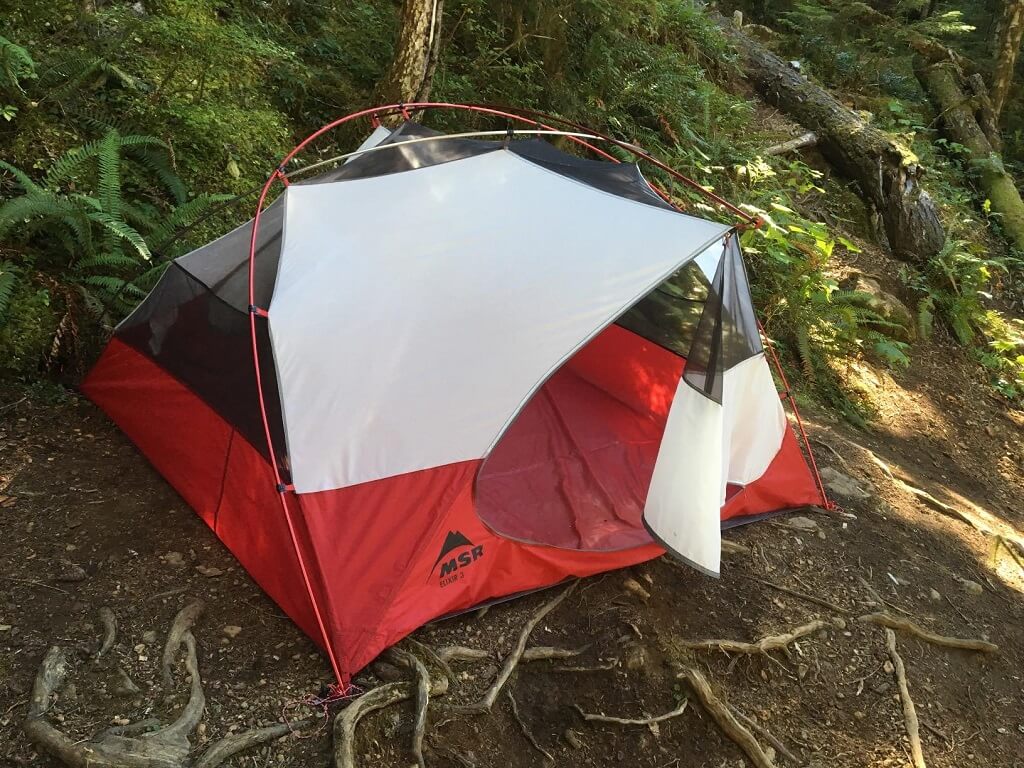
Backpacking tents prioritize weight savings and compact packing size.
Best for: Hiking, thru-hikes, multi-day backcountry trips.
Pros:
- Lightweight
- Compact
- Designed for mobility
Cons:
- Smaller interior
- Limited comfort features
When weight matters, backpacking tents are essential. Look for models under 4 pounds for solo trips.
Tarps & Rain Protection
Even the best tent can fail without proper rain strategy. A complete shelter system includes overhead protection and ground insulation.
When to Use a Tarp
A tarp serves multiple functions:
- Extra rain shield over your tent
- Cooking area cover
- Sun shade
- Wind block
- Emergency shelter
One versatile option is the Kelty Noah’s Tarp. It can be pitched in multiple configurations depending on wind direction and rainfall. Tarps dramatically increase campsite comfort, especially during unpredictable weather.
Experienced campers often use a tarp in addition to their tent — not instead of it.
Groundsheet vs Footprint
Many campers overlook ground protection. This is a mistake.
- Footprint: A manufacturer-designed sheet that fits exactly under your tent floor.
- Groundsheet: A generic tarp placed beneath the tent.
Why it matters:
- Prevents moisture seepage
- Protects tent floor from abrasion
- Extends tent lifespan
- Adds insulation from cold ground
Pro Tip: Never let the groundsheet extend beyond your tent edges. Water can collect and pool underneath.
Waterproof Ratings Explained
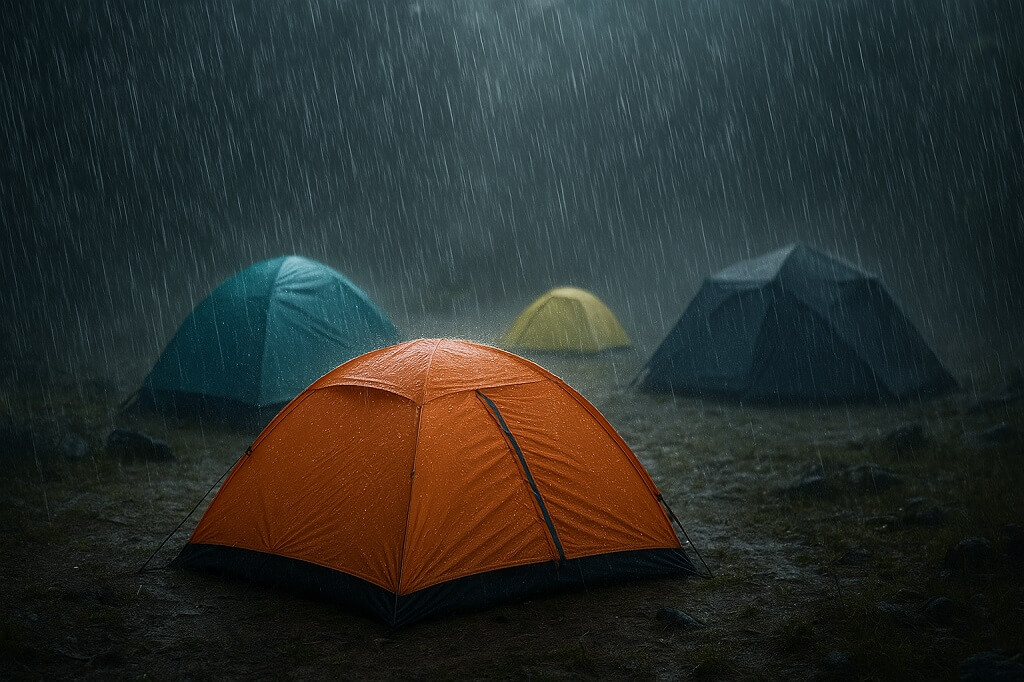
Tents and tarps use a waterproof rating measured in millimeters (mm). This refers to hydrostatic head pressure — how much water pressure the fabric can withstand before leaking.
Here’s a simple guideline:
- 1,000–1,500mm → Light rain
- 2,000–3,000mm → Moderate rain
- 3,000mm+ → Heavy rain / storms
For most campers, a 2,000mm rainfly is sufficient.
Also check:
- Seam sealing
- Taped seams
- Quality zippers
- Full rainfly coverage
A strong shelter system protects you not just from falling rain, but from sideways wind-driven storms.
Emergency Shelter Options
Even the best-planned trips can encounter unexpected weather, injury, or delays. Emergency shelter tools can prevent hypothermia and improve survival odds.
Survival Blankets
A lightweight, packable emergency blanket is a must-have in every camping kit.
The Arcturus Insulated Survival Blanket is more durable than typical thin foil blankets. It reflects body heat while also providing wind resistance and ground insulation.
Uses include:
- Emergency warmth
- Ground barrier
- Rain shield
- Reflective signal device
- Wind break
Unlike disposable emergency sheets, insulated survival blankets are reusable and significantly stronger.
Why Emergency Shelter Matters?
If temperatures drop unexpectedly:
- Wet clothing increases heat loss
- Wind accelerates body cooling
- Cold ground drains warmth
Even in mild seasons, carrying emergency shelter gear is smart risk management.
🏕 Final Shelter Strategy for 2026
Your shelter system should include:
- A tent suited to your camping style
- Proper rain protection (tarp + full rainfly)
- Ground insulation (footprint or groundsheet)
- Emergency backup shelter
Many beginners focus only on buying a tent, but you can see our Complete Camping Shelter Guide to plan a full system.
A properly chosen shelter setup:
- Improves sleep quality
- Protects gear
- Extends trip duration
- Reduces stress in bad weather
In the next section, we’ll build on this foundation by creating a complete sleeping system — because even the best tent won’t help if you’re cold and uncomfortable at night.
Sleeping System: How to Stay Warm and Rested Anywhere
A strong shelter is just the start — your sleep system determines whether you wake up refreshed or shivering. Even a well-pitched tent is useless if your body loses heat overnight. For 2026 camping trips, a proper sleeping system combines the right bag, pad, and layering strategy. Understanding how each piece works together is essential for beginners, weekend campers, and backcountry explorers alike.
Sleeping Bag Types (Down vs Synthetic)
Sleeping bags fall into two main categories: down and synthetic. Each has unique advantages, and knowing which suits your environment can prevent cold nights.
Down Sleeping Bags: Down insulation — made from duck or goose feathers — provides excellent warmth-to-weight ratio. It compresses easily for lightweight backpacking, making it ideal for multi-day hikes.
Pros:
- Extremely warm for weight
- Compresses small for packability
- Long lifespan if cared for
Cons:
- Loses insulating power when wet
- More expensive
- Requires careful storage to maintain loft
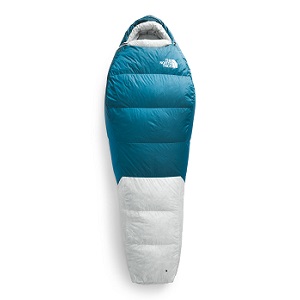
A reliable example is The North Face Blue Kazoo. Its down insulation is lightweight yet warm, perfect for late spring through early fall camping. This bag is designed for moderate temperatures, providing comfort without bulk. It compresses efficiently, so it fits in most backpacking setups without adding unnecessary weight.
Synthetic Sleeping Bags: Synthetic bags use man-made fibers that trap heat even when damp. They are bulkier than down but more affordable and easier to maintain.
Pros:
- Maintains warmth when wet
- Easier care (machine washable)
- Generally less expensive
Cons:
- Heavier and bulkier
- Shorter lifespan compared to down
- Compresses less effectively
Choosing the Right Bag: Consider temperature ratings carefully. For casual camping, a bag rated 10–20°F lower than expected night temperatures is sufficient. For cold-weather or unpredictable conditions, a bag rated to at least 0–10°F below the forecasted low is safer. Remember, insulation is your primary defense against hypothermia.
Sleeping Pads & R-Value (NEW)
Many beginners underestimate the ground’s role in heat loss. Up to 50% of body heat can escape through contact with the cold earth. That’s why sleeping pads are as important as the bag itself.
R-Value Explained
R-value measures thermal resistance. Higher numbers mean more insulation from the ground.
- 1–2: Summer camping, mild conditions
- 3–4: 3-season camping, light cold
- 5+: Winter or high-altitude expeditions
Air Pads vs Foam Pads
- Air Pads: Lightweight, compact, highly comfortable. Some have integrated insulation for 3-season use. Best for backpackers prioritizing weight.
- Foam Pads: Durable, inexpensive, and reliable. Bulkier but effective in extreme cold since foam doesn’t collapse under pressure.
Cold-Weather Strategy
- Use a pad with R-value 4+ for 3-season camping; 5+ for winter.
- Layer pads: foam base plus inflatable pad adds warmth and cushioning.
- Keep the pad dry and off snow or wet ground — use a footprint or insulated tarp underneath.
Even a luxury sleeping bag won’t perform if your pad conducts heat away. Investing in a quality pad ensures consistent warmth throughout the night.
Cold Weather Sleep Setup
Cold-weather camping requires more than a bag and pad. Layering inside your tent creates a microclimate that traps heat efficiently.
- Step 1: Base Layer: Wear moisture-wicking thermal underwear to keep sweat off your skin. Cotton is a no-go; it retains moisture and accelerates heat loss.
- Step 2: Insulation Layer Add a fleece or light synthetic jacket for extra warmth. This layer can be removed if temperatures rise during the night.
- Step 3: Bag Layering: Down or synthetic sleeping bag rated for the conditions. Optional liner: adds warmth, protects bag, easier to clean.
- Step 4: Pad & Ground Insulation: High R-value sleeping pad or layered pads. Footprint or groundsheet beneath pads. Consider an emergency blanket under the pad for additional heat reflection.
- Step 5: Tent Microclimate: Close vents in sub-zero temperatures to reduce wind chill. Avoid damp clothes inside the bag.Keep hydration and food outside the tent to prevent moisture.
Additional Tips for a Comfortable Night:
- Warm your pad: Use hot water bottles inside a sock at your feet.
- Dry your gear: Damp clothing or bags lose insulating power.
- Vent for condensation: In cold nights, open a small vent to prevent moisture buildup.
- Use a sleeping cap and socks: Heat escapes through extremities, so insulated hats and socks can maintain core warmth.
✅ Final Sleeping System Strategy for 2026
Your sleeping setup should include:
- A sleeping bag suitable for season and weight preferences
- Proper ground insulation with the correct R-value
- Layered clothing for warmth
- Backup strategies for moisture and emergency heat
Experienced campers think beyond products; they build sleep systems. Proper planning ensures deeper sleep, more energy, and safer trips in any environment.
By mastering the sleeping system, you safeguard not only your comfort but also your health during overnight camping. The next step in your outdoor journey is crafting a complete cooking system, because a warm meal is just as important for morale and energy as a warm bed.
Camp Kitchen & Cooking Gear (You Already Have Good Base)
A proper camp kitchen isn’t about luxury — it’s about energy, safety, and morale. Food fuels your body, but a warm meal also boosts mental resilience, especially in cold or wet conditions.
Your cooking system should be reliable, efficient, and appropriate for your environment.
Stove Types
Choosing the right stove depends on temperature, trip length, and how much control you need. f you’re unsure which model fits your setup, explore our full guide to the best camping stoves for 2026 before deciding.
1️⃣ Canister Stoves
These are the most popular for casual campers and backpackers. They use pre-pressurized fuel canisters (usually isobutane/propane mix).
Pros:
- Lightweight
- Fast setup
- Easy flame control
- Compact
Cons:
- Performance drops in very cold temperatures
- You must carry extra canisters
- Disposal can be inconvenient
Best for: 3-season camping, short trips, lightweight backpacking.
2️⃣ Liquid Fuel Stoves
These use refillable bottles with white gas or multi-fuel systems.
Pros:
- Perform well in extreme cold
- Refillable and cost-effective long-term
- Powerful heat output
Cons:
- Heavier
- More maintenance
- Priming required
Best for: Winter camping, high altitude, long expeditions.
3️⃣ Wood-Burning Stoves
Wood stoves eliminate the need to carry fuel (where permitted). They’re sustainable and ideal for longer base camps.
A great example is the kampMATE WoodFlame — a compact wood-burning camping stove that runs on small sticks and natural fuel found around camp. It reduces carried weight and works well in off-grid environments where gas refills aren’t practical.
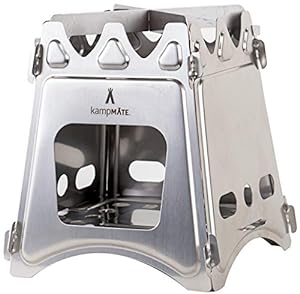
KampMATE WoodFlame Ultralight stove
Pros:
- No fuel canisters needed
- Sustainable option
- Great backup system
Cons:
- Dependent on dry wood availability
- Not allowed in some fire-restricted areas
- Slower boil time
Best for: Survival setups, emergency kits, extended stays.
Cookware Systems
Many campers overpack pots and pans. A modular cookware system saves space and reduces clutter. A smart integrated example is the Stanley Adventure All-In-One cook set.
See our top-rated camping cookware sets for 2026
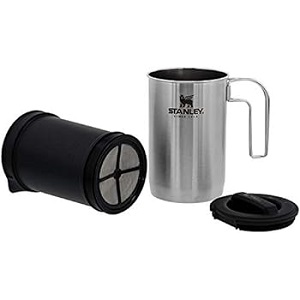
Stanley Adventure All-In-One Boil + Brew
These systems typically include:
- Pot
- Lid
- Bowls or cups
- Foldable handle
- Nested storage design
Benefits of all-in-one systems:
- Compact packing
- Fewer loose items
- Efficient boiling
- Durable stainless construction
When choosing cookware, consider:
- Group size
- Meal complexity
- Weight tolerance
- Cleaning access
For solo backpackers, a 750ml–1L pot is enough. For families, you may need a 2–3L capacity system. Non-stick is convenient but less durable. Stainless steel is heavier but long-lasting.
Water Purification
Water is more important than food. Even clear mountain streams can contain bacteria, protozoa, or contaminants. A proper purification system is non-negotiable.
Check out the best water filters and purifiers for camping trips
The Katadyn BeFree 3.0L is a gravity-fed filtration system that allows you to collect water and let gravity do the work. It’s ideal for group camping or base camps where multiple refills are needed.
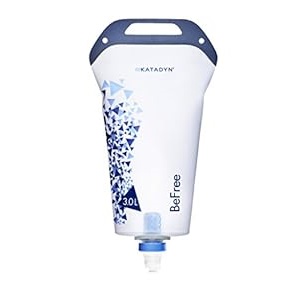
Katadyn BeFree 3.0 L flexible filtered bottle
Why purification matters:
- Prevents gastrointestinal illness
- Reduces emergency evacuation risk
- Ensures long-term sustainability
Main purification methods:
1️⃣ Filters (like BeFree)
- Remove bacteria and protozoa
- Fast and reusable
2️⃣ Chemical tablets
- Lightweight backup option
- Longer wait time
- May affect taste
3️⃣ Boiling
- Reliable if fuel available
- Time and energy intensive
Always carry a backup purification method.
Emergency Food & Rations
Emergency food isn’t just for survivalists. It’s smart planning. The Katadyn NRG-5 Emergency Ration is a compact, high-calorie emergency food block designed for long shelf life.
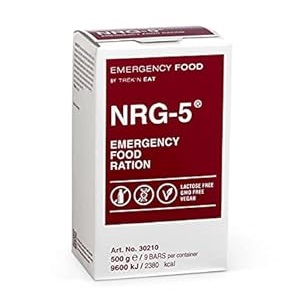
NRG-5 Survival Rations provide healthy nutrition
These types of rations are:
- Calorie-dense
- Long-lasting (5–20 years shelf life)
- Easy to store
- Ready-to-eat
Emergency rations are ideal for:
- Weather delays
- Unexpected extended stays
- Car camping emergency kits
- Winter backup calories
Food Storage & Bear Safety
Improper food storage attracts wildlife — and that’s dangerous for both you and the animals.
Bear Safety Essentials
- Use bear-resistant containers in bear country
- Hang food 10–15 feet above ground and 4 feet from trunk (where required)
- Store food away from sleeping area
- Never cook inside your tent
Odor-proof bags can reduce scent travel but should not replace proper containers.
Cooler Types
For car camping, cooler choice matters.
Hard Coolers
- Superior insulation
- Better for multi-day trips
- Durable
Soft Coolers
- Lightweight
- Portable
- Better for short trips
For 3+ day trips, invest in a rotomolded cooler with thick insulation.
Camp Kitchen System Strategy
A complete kitchen system includes:
- Stove appropriate for climate
- Compact cookware
- Water filtration
- Backup emergency food
- Wildlife-safe storage
Food equals energy. Energy equals safety.
Clothing & Layering System (You Need Expansion)
Clothing is not about fashion — it’s about thermal regulation and protection. A good clothing system adapts to temperature swings, rain, wind, and exertion levels.
The 3-Layer System
The 3-layer system is the foundation of outdoor clothing strategy.
1️⃣ Base Layer (Moisture Management)
Purpose: Move sweat away from skin.
Materials:
- Merino wool
- Synthetic polyester blends
Avoid cotton — it retains moisture and increases heat loss. Base layer should fit snug but not restrictive.
2️⃣ Insulation Layer (Heat Retention)
Purpose: Trap warm air.
Options:
- Fleece
- Synthetic puffy jackets
- Down jackets
This layer should be adjustable — remove during activity, add during rest.
3️⃣ Shell Layer (Weather Protection)
Purpose: Block wind and rain.
Types:
- Waterproof breathable shells
- Windbreakers
- Rain jackets
Look for:
- Taped seams
- Adjustable hood
- Vent zippers
Footwear
Shoes impact endurance more than most gear.
The Merrell Moab 2 Vent is a breathable hiking shoe suitable for dry climates and summer conditions. It provides grip, support, and airflow — ideal for trail walking and moderate terrain.
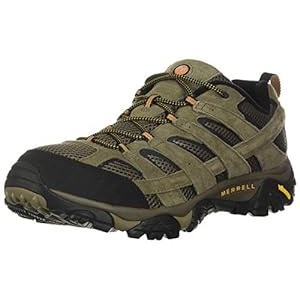
Merrell Moab 2 Vent Hiking Shoes
For wet or cold climates, waterproof boots may be better.
Gloves
Hand insulation prevents rapid heat loss.
See our recommended gloves and accessories for cold weather
The Carhartt W.P. Insulated Glove offers waterproof protection with insulation for cold-weather camping and winter tasks like gathering firewood or setting up camp in snow.
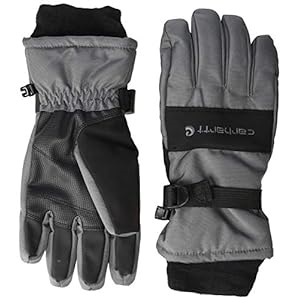
Carhartt W.P. Insulated Waterproof Glove
Gloves should allow dexterity while maintaining warmth.
Socks Matter More Than You Think
- Use wool or synthetic blends
- Avoid cotton
- Bring extra pairs
- Change before sleeping
Dry feet prevent blisters and cold-related issues.
Rain Jackets
A proper rain jacket should be:
- Waterproof (not just water-resistant)
- Breathable
- Lightweight
- Packable
Rain protection prevents hypothermia in moderate climates.
Summer vs Winter Clothing Strategy
Summer Camping
- Lightweight breathable base layers
- Ventilated footwear
- Sun hat
- UV protection
- Lightweight rain shell
Winter Camping
- Heavy insulation
- High R-value gloves
- Insulated boots
- Neck gaiter
- Waterproof outer shell
Clothing System Summary
Your clothing system should:
- Manage moisture
- Trap heat
- Block wind and rain
- Adapt to exertion level
Good clothing reduces fatigue, increases safety, and improves overall trip enjoyment.
Lighting & Power
Your lighting and power system ensures you can see at night, cook safely, and keep devices charged for emergencies. Choosing the right combination of lights, batteries, and solar solutions improves safety and comfort.
Flashlights vs Headlamps
Flashlights provide directional light and are great for short bursts, while headlamps free your hands for cooking, setting up tents, or night hikes. Battery life, lumens, and weight are critical factors.
Explore our full guide to the best camping flashlights and headlamps for 2026
Examples:
- OLIGHT S2R II – Compact, rechargeable flashlight with strong beam.
- Coast XPH30R – High-powered flashlight for long-range visibility.
Solar & Charging Solutions
Keeping devices charged is vital for navigation, safety, and convenience. Solar chargers and power banks are lightweight and renewable.
See our recommended solar chargers and portable power stations for camping
Example:
- X-DRAGON Solar Power Bank – Foldable solar panels with high-capacity battery.
Additional Topics:
- Lanterns – LED lanterns provide 360° light for tents and cooking areas.
- Power stations – Car camping setups benefit from portable power stations for lights, small appliances, and devices.
Navigation and safety gear can be the difference between a smooth adventure and a dangerous situation. Always have tools for direction, rescue, and first aid.
Traditional Navigation
Even with GPS, a compass and map remain critical backups.
Example:
- Suunto M-3 NH Compass – Reliable, precise, and easy to use.
Cutting & Survival Tools
Knives, axes, and saws are versatile for camp setup, firewood, and emergencies.
Examples:
- Benchmade Griptilian 551 – Durable folding knife.
- Gerber Gear Camping Hatchet – Compact, safe hatchet for chopping tasks.
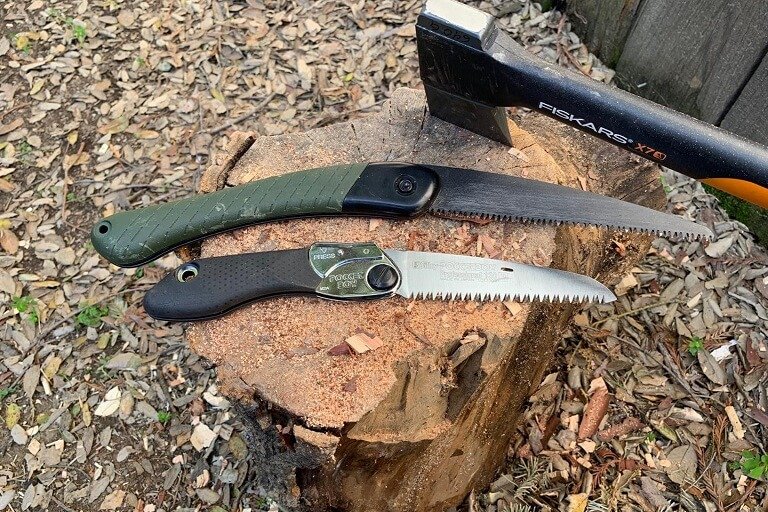
- EverSaw Folding Hand Saw – Lightweight saw for cutting firewood.
Emergency Communication
Whistles, satellite communicators, and GPS devices improve your chances of rescue if needed.
Read our guide to emergency communication devices for campers
Examples:
- UST JetScream Floating Whistle – Audible and waterproof signaling tool.
- GPS device discussion – Dedicated GPS units can replace smartphone navigation in remote areas.
- Satellite communicator – Reliable in areas without cellular coverage.
First Aid
Every camping kit should include a comprehensive first aid kit, tailored for your group size and trip length.
Check out our recommended first aid kits for outdoor adventures
Example:
- Surviveware Premium First Aid Kit – Compact, organized, and suitable for wilderness trips.
Backpack & Load Systems
Choosing the right backpack is critical for comfort, weight management, and efficiency.
Example:
TETON Sports Grand 5500 – Large capacity pack with ergonomic support.
Topics to Cover:
- Sizing guide – Match pack to torso length and hip size.
- Frame types – Internal vs external frame backpacks.
- Load distribution – How to pack weight for balance.
- Packing strategy – Essentials first, heavy items close to the back.
Camp Comfort & Extra Tools
Comfort and convenience gear elevate your campsite, making trips more enjoyable.
Examples:
- SDS Survival Paracord Bracelet – Versatile emergency cordage.
- Camp chairs – Foldable, lightweight seating.
- Tables – Portable tables for cooking and meal prep.
- Storage bins – Keep gear organized and protected.
Seasonal Camping Gear Differences
Camping isn’t one-size-fits-all — gear choices shift depending on the season, weather, and environment. Choosing the right seasonal setup keeps you safe, comfortable, and able to enjoy your trip.
Summer Setup
Summer camping focuses on staying cool, hydrated, and protected from sun and insects.
Key considerations:
- Lightweight tents with mesh panels for airflow.
- Sleeping bags rated for mild temperatures or lightweight quilts.
- Sun protection: hats, sunglasses, and sunscreen.
- Bug protection: nets, repellents, and treated clothing.
Winter Camping Essentials
Cold-weather camping requires insulation, protection from wind, and thermal management.
See our guide to winter camping gear for 2026
Essential gear:
- 4-season tents for snow and wind resistance.
- Down sleeping bags with low temperature ratings.
- Insulated sleeping pads to prevent heat loss to the ground.
- Layered clothing systems: base, mid, and shell layers.
Rainy Season Gear
Rainy conditions demand waterproof protection for both camper and gear.
Key items:
- Full-coverage rainfly tents.
- Footprints or groundsheets to avoid water pooling.
- Waterproof jackets, pants, and backpack covers.
- Quick-drying clothing and gear organization.
High-Altitude Considerations
High-altitude camping adds thin air, strong sun, and extreme weather risks.
Gear focus:
- Lightweight, insulated layers for fluctuating temperatures.
- High-SPF sun protection and eye protection.
- Oxygen considerations and emergency gear for sudden weather.
- Reliable navigation and GPS devices.
Beginner Camping Checklist (Downloadable Lead Magnet Opportunity)
A checklist simplifies preparation and reduces forgotten items. Offering a printable version increases engagement and email subscriptions.
Download our Complete Camping Gear Guide.pdf
Sections to include:
- Essential gear: Tent, sleeping bag, stove, first aid.
- Optional gear: Camp chairs, lanterns, extra clothing.
- Weight-saving tips: Multipurpose tools, compact cookware, layered clothing.
- Safety items: whistle, GPS, emergency blanket.
Budget vs Premium Gear Comparison
Not all gear requires premium pricing, but knowing where to invest pays off.
Where to spend:
- Sleeping systems: Comfort and insulation matter.
- Safety equipment: First aid kits, communication, and navigation tools.
- Tents for extreme weather.
Where to save:
- Cooking utensils and camp chairs.
- Basic clothing layers for short trips.
- Multipurpose gear over specialty-only items.
Final Thoughts
After nearly a decade of overnight tent camping and long-distance hiking, one thing has become clear: gear evolves, but good judgment matters more than trends. Over the past 10 years, we’ve seen camping equipment become lighter, more compact, and significantly more efficient. Materials improve. Designs get smarter. Weight drops. But the best gear is still the gear that fits your specific needs.
As hikers, we learned quickly that every ounce matters. Lightweight gear isn’t about chasing ultralight bragging rights — it’s about reducing fatigue, improving mobility, and increasing safety over long distances. A well-balanced load can make the difference between an enjoyable trip and an exhausting one.
At the same time, lighter doesn’t always mean better for everyone. Car campers, families, and basecamp setups may prioritize comfort and durability over weight savings. The key is alignment: your camping equipment should match your environment, trip duration, physical ability, and comfort expectations.
Over the years, we’ve tested gear in summer heat, cold mornings, sudden rain, and extended multi-day hikes. What we consistently recommend is this:
Prioritize safety and reliability first
Invest in sleep and weather protection
Build systems, not random gear collections
Upgrade gradually as your experience grows
Camping is not about owning the most expensive equipment. It’s about preparation, adaptability, and understanding how your gear works together.
If this guide helped you plan your setup or make smarter decisions, consider sharing it with someone preparing for their first trip. The right information at the right time can prevent mistakes, save money, and make outdoor experiences far more enjoyable.
Smart preparation leads to better adventures.
See you out there.
Frequently Asked Questions (FAQs)
The gear you need depends on your camping style. For beginners or weekend campers, focus on a solid shelter system, a warm sleeping system, and basic camp kitchen gear. Car campers can afford larger tents and cooking setups, while backpackers prioritize lightweight gear. Check out our detailed Shelter System and Sleeping System sections for full gear breakdowns. Optional items like camp chairs or lanterns are nice but not essential at first.
Premium gear often lasts longer, offers better performance, and can handle harsh conditions. However, you can save on items that aren’t life-or-comfort critical, such as basic cookware or tarps. Our Budget vs Premium Gear Comparison section helps you decide where to spend for durability and where to save. Think of it as investing in items that directly impact safety and comfort first.
Gear lifespan varies by type and usage. High-quality tents, sleeping bags, and backpacks can last 5–10 years if properly maintained. Cookware, stoves, and clothing may need replacement sooner due to wear or exposure. Check out our Seasonal Camping Gear Differences section for tips on how environmental conditions affect gear longevity. Regular cleaning, storage, and seam/tape care dramatically extend life.
Maintenance depends on gear type. Tents should be dried before storage, sleeping bags should be washed according to material type (down vs synthetic), and stoves need regular fuel line and jet cleaning. Our Sleeping System and Camp Kitchen & Cooking Gear sections provide step-by-step care instructions. Proper storage, avoiding prolonged sun exposure, and checking for damage before each trip are key habits.
Cold-weather comfort starts with layering inside your sleeping system. Use an insulated sleeping pad with proper R-value, a down or synthetic sleeping bag, and moisture-wicking base layers. Our Sleeping System and Clothing & Layering System sections explain how to combine layers for warmth and mobility. Always have an emergency shelter or insulated survival blanket in your kit for unexpected temperature drops.
It depends on trip length and electronics use. Short trips often don’t require external power, but longer car camping or off-grid trips benefit from solar chargers or small power stations. Check our Lighting & Power section for top options, including lanterns, headlamps, and solar charging solutions. Even a single solar power bank can keep phones, GPS devices, or emergency radios running safely.




2 Comments