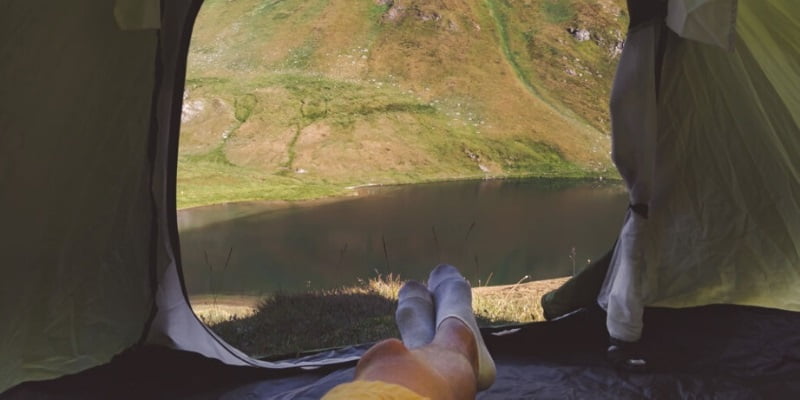
The 5 Best Camping Sleeping Bags of 2026 for Comfortable Nights

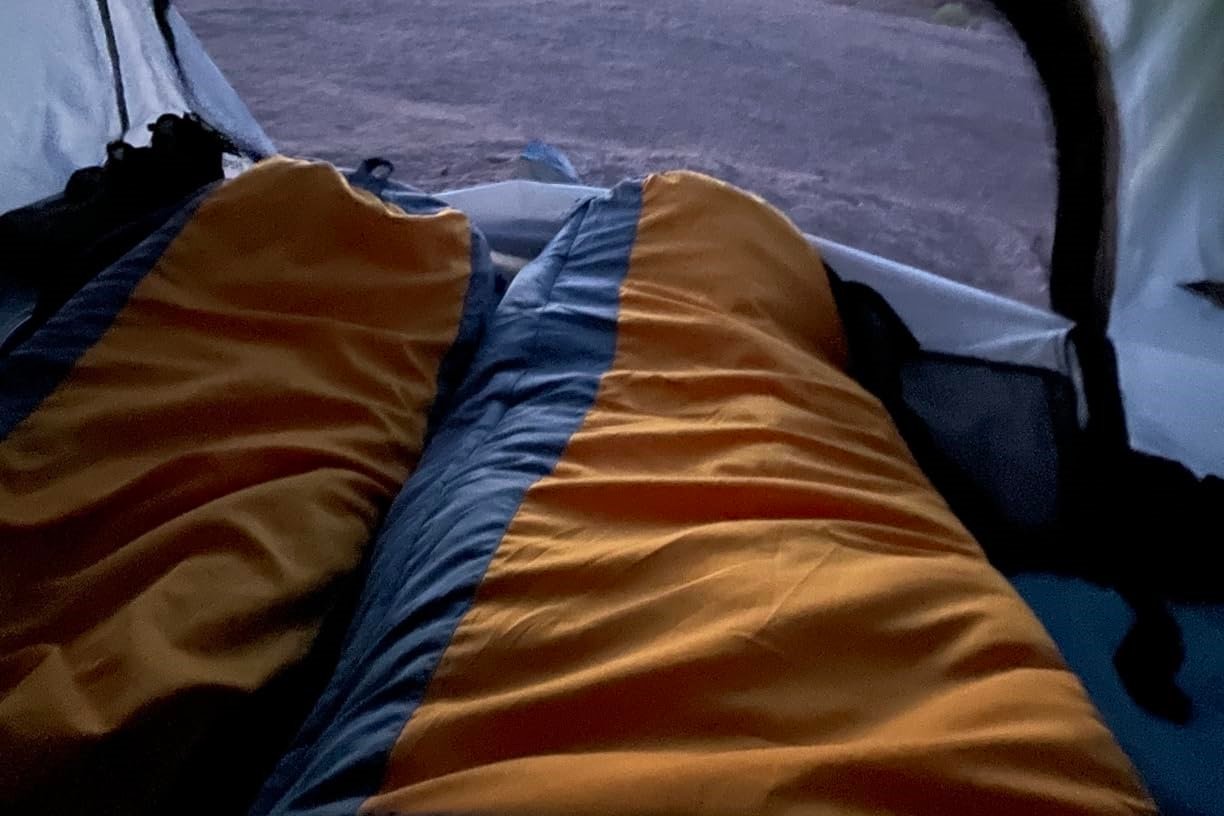
Choosing the right sleeping bag can make all the difference in your camping experience. Whether an occasional camper or a habituated adventurer, a good sleeping bag keeps you warm, comfortable, and well-rested. Here are the top five camping sleeping bags of 2026, each designed to keep you snug and relaxed under the stars.
Compare the 5 Best Camping Sleeping Bags of 2026 at a Glance
Quickly see how top camping sleeping bags stack up on warmth, weight, insulation, and usability before your next adventure.
| Sleeping Bag | Best For | Temperature Rating | Weight | Insulation | Price Range |
|---|---|---|---|---|---|
| NEMO Disco 15 | Side Sleepers | 15°F (-9°C) | 2 lbs 11 oz | Premium Down | $$$ |
| Marmot Trestles Elite Eco 20 | Eco-Conscious Campers | 20°F (-6°C) | 2 lbs 9 oz | Synthetic SpiraFil | $$ |
| Sea to Summit Ascent ACII | Versatility & Comfort | 15°F (-9°C) | 2 lbs 4 oz | 750+ Fill Down | $$$ |
| Big Agnes Anvil Horn 15 | Backpackers | 15°F (-9°C) | 2 lbs 9 oz | 650-Fill DownTek | $$$ |
| REI Co-op Magma 15 | Lightweight Performance | 15°F (-9°C) | 1 lb 12 oz | 850-Fill Down | $$$ |
Top 5 Camping Sleeping Bags of 2026
- NEMO Disco 15 Sleeping Bag – Best for Side Sleepers
- Marmot Trestles Elite Eco 20 – Best for Eco-Conscious Campers
- Sea to Summit Ascent ACII – Best for Versatility and Comfort
- Big Agnes Anvil Horn 15 – Best for Backpackers
- REI Co-op Magma 15 – Best for Lightweight Performance
1. NEMO Disco 15 Sleeping Bag
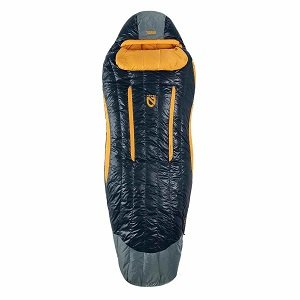
The NEMO Disco 15 is designed with side sleepers in mind. It offers a spacious, spoon-shaped design that allows you to sleep comfortably on your side. It features Thermo Gills for temperature regulation, which allows you to vent excess heat without letting cold drafts in. With a 15°F rating, this bag is perfect for three-season camping.
The insulation is made from NEMO’s premium down, which is water-resistant and retains warmth even when damp. Additional perks include an integrated pillow pocket and a blanket fold for extra comfort.
- Temperature Rating: 15°F (-9°C)
- Weight: 2 lbs 11 oz (Regular)
Pros:
- Eco-friendly
- Comfortable and durable
- Temperature regulation system
Cons:
- Slightly heavier compared to ultralight backpacking sleeping bags
2. Marmot Trestles Elite Eco 20
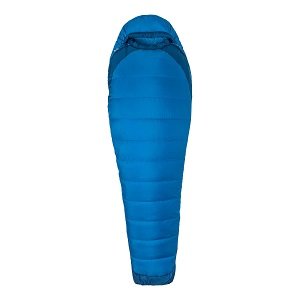
The Marmot Trestles Elite Eco 20 is well-known as an eco-friendly option, made from 100% recycled materials. It offers excellent warmth and comfort with its synthetic SpiraFil high-loft insulation, making it a great choice for wet conditions where down might not perform as well. Its wave construction adds warmth and minimizes cold spots. With a 20°F rating, it’s suitable for three-season use, and its affordable price point makes it a great value for environmentally conscious campers.
- Temperature Rating: 20°F (-6°C)
- Weight: 2 lbs 9 oz (Regular)
Pros:
- Made with 100% recycled fibers
- Maximum warmth and a soft feel
- Easy to pack and carry for trekking.
- Versatile design
Cons:
- Poor compression bag that doesn’t compress anything
3. Sea to Summit Ascent ACII
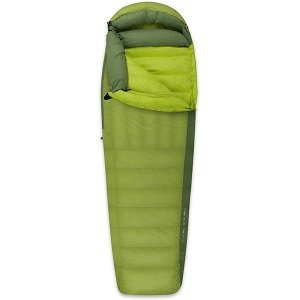
The Sea to Summit Ascent ACII offers a unique blend of versatility, comfort, and technical performance. This down sleeping bag features a contoured mummy shape that provides enough space for movement while still retaining heat. With its Free-Flow zipper system, you can customize ventilation to suit a wide range of temperatures, making it ideal for unpredictable weather.
Its high-loft, 750+ fill power down insulation ensures excellent warmth-to-weight ratio, and the durable water repellent (DWR) treatment keeps you dry.
- Temperature Rating: 15°F (-9°C)
- Weight: 2 lbs 4 oz (Regular)
Pros:
- Soft and fluffy for ultimate comfort
- Lightweight 20D nylon shell
- Convenient foot zipper
Cons:
- Frequent snags on the material can be frustrating
4. Big Agnes Anvil Horn 15
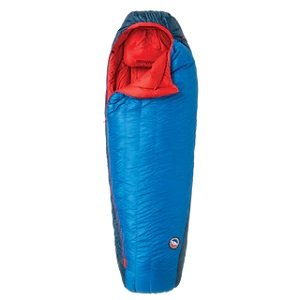
The Big Agnes Anvil Horn 15 is perfect for backpackers looking for a balance of weight, warmth, and packability. It features 650-fill DownTek insulation, which is water-resistant and treated to perform better in damp conditions. The bag is designed to integrate with Big Agnes sleeping pads, which ensures a secure and slip-free sleep setup.
It also includes a flex pad sleeve that accommodates various pad sizes, adding to its versatility. The Anvil Horn’s streamlined design and lightweight make it ideal for backcountry adventures.
- Temperature Rating: 15°F (-9°C)
- Weight: 2 lbs 9 oz (Regular)
Pros:
- Roomy and warmth
- Superlight and easily packable
- Integrated sleeping pad sleeve
- Lifetime warranty
Cons:
- Snag resistance
- Poor zipper quality
5. REI Co-op Magma 15
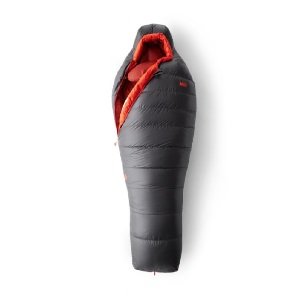
The REI Co-op Magma 15 is known for its exceptional warmth-to-weight ratio, making it one of the best options for those who prioritize a lightweight pack. With an 850-fill power down insulation, it provides superior warmth in cold conditions while remaining incredibly light and compressible.
The Pertex shell fabric adds durability and weather resistance, and the contoured hood and trapezoidal footbox enhance comfort. It’s an excellent choice for thru-hikers, ultralight backpackers, or anyone looking to shave weight without compromising on warmth.
- Temperature Rating: 15°F (-9°C)
- Weight: 1 lb 12 oz (Regular)
Pros:
- Very cozy and pleasant for sleeping
- Ideal for canoe and kayak trips
- Maintains excellent loft for warmth
Cons:
- Down may cause allergic reactions
- Noticeable poultry smell upon arrival
5 Essential Tips You Must Know Before Buying Your Next Camping Sleeping Bag!
Here are five key things you must know before buying a camping sleeping bag:
1. Temperature Rating:

This rating indicates the lowest temperature at which the sleeping bag will keep you warm. Choose a bag with a temperature rating that matches or exceeds the expected conditions of your camping trips. Bags are often rated for summer, 3-season, or winter use. Be mindful of your tolerance to cold, as ratings can be optimistic.
2. Insulation Type:
Insulation affects warmth, weight, and packability.
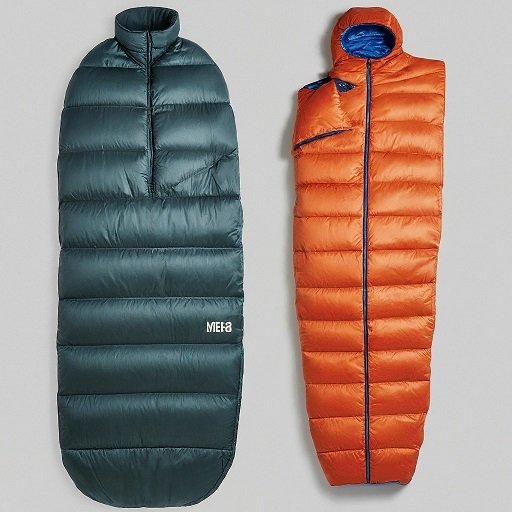
Down sleeping bags are lightweight, compressible, and excellent for cold, dry conditions. However, it’s expensive and loses warmth when wet. Synthetic sleeping bags are more affordable and perform better in wet conditions. They are easier to maintain, but heavier and bulkier than down.
3. Shape and Size:
The shape affects comfort and warmth retention.
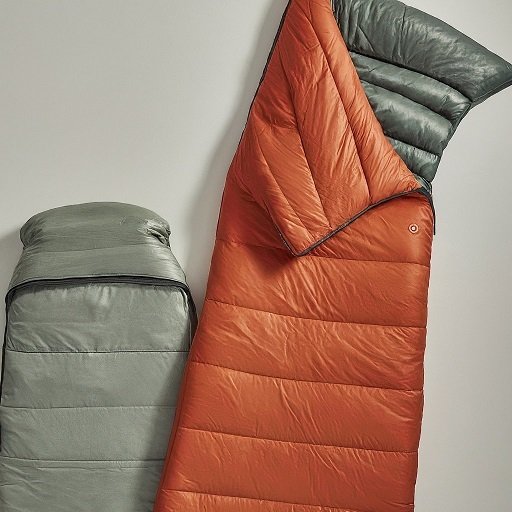
Tapered shapes conserve heat, ideal for cold weather but may feel restrictive. Rectangular shapes offer more room and comfort, making them good for warmer weather. Semi-rectangular (or Spoon) sleeping bag has a balance of room and warmth retention, suitable for most conditions. Ensure the bag fits your height and offers enough room for your preferred sleeping position.
4. Weight and Packability:
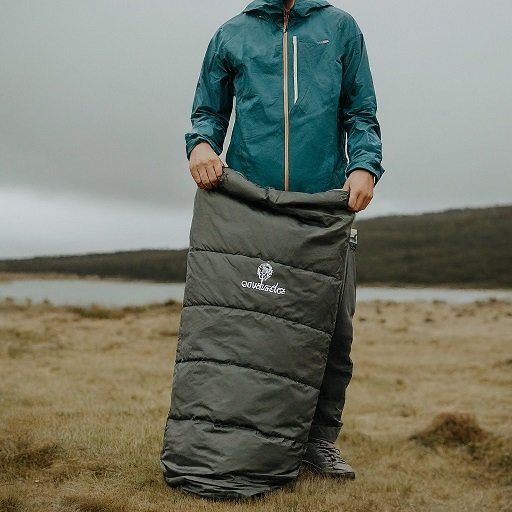
For backpacking trip, the weight and how small it packs down are crucial for comfort and ease of transport. Lighter and more compact options are better for long hikes, while car campers can afford to use heavier, bulkier bags.
5. Additional Features:
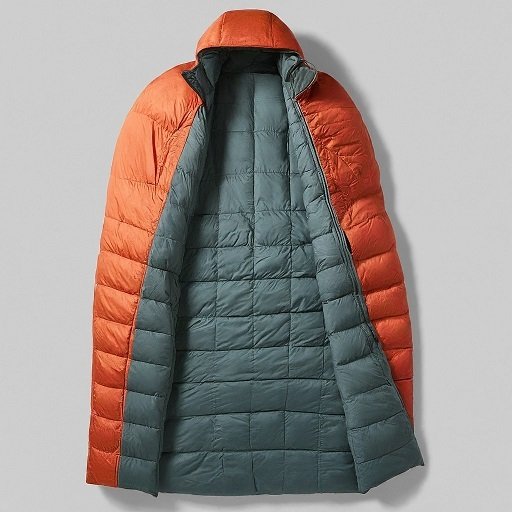
Extra features can enhance comfort and functionality. Look for features like hoods, draft collars, zipper placement, stash pockets, and anti-snag zippers that can make your camping experience more comfortable.
FAQs About Camping Sleeping Bags
What’s the difference between mummy and rectangular sleeping bags?
Mummy bags taper toward the feet for better heat retention and are lighter, making them ideal for cold weather and backpacking. Rectangular bags offer more space to move, better for casual camping in milder conditions.
How do I know the right sleeping bag size for me?
Measure your height and add 6–12 inches to allow for movement. Make sure shoulder and hip areas fit comfortably. Some sleeping bags are designed for specific body types, so check the manufacturer’s sizing chart.
Can I use a down sleeping bag in wet conditions?
Down loses insulation power when wet. If you expect rain or damp environments, a synthetic bag or a down bag with water-resistant treatment is better. Always use a waterproof stuff sack for protection.
What temperature rating should I choose for summer camping?
For mild summer nights, choose a bag rated around 35–50°F (1–10°C). If you tend to feel cold easily, choose a slightly lower temperature rating for comfort.
Are lightweight sleeping bags suitable for backpacking?
Yes, ultralight sleeping bags reduce pack weight and bulk. Look for high-fill down or thin synthetic insulation for maximum warmth-to-weight ratio.
Conclusion
Choosing the perfect sleeping bag can transform your camping experience. Each option on our 2026 updated list has unique benefits tailored to different needs, whether you’re looking for cozy comfort, eco-friendly materials, or lightweight performance. Make the choice that fits your style and enjoy every moment of your outdoor escapades!