Hiking with Toddlers: Tips for Safe Family Adventures

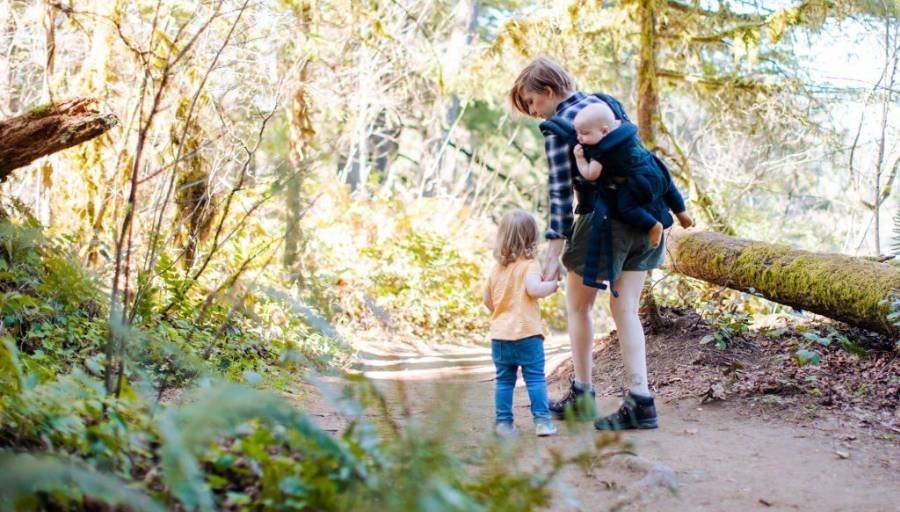
Hiking with toddlers is a wonderful way to introduce them to the outdoors, build confidence, develop early outdoor skills, and create lasting family memories. Exploring nature from a young age can also encourage curiosity and a lifelong appreciation for the environment.
However, hiking with toddlers comes with unique challenges. Young children have different energy levels, shorter attention spans, and specific safety needs that require extra planning. In this guide, we’ll share practical tips and advice to help you prepare for a safe, enjoyable, and stress-free hiking adventure with your little one.
Our Experience Hiking with Toddlers
We’ve found that hikes between 1 and 3 miles on easy, well-marked trails work best for most toddlers. Frequent snack breaks, allowing extra time for exploration, and keeping the hike fun instead of focusing on distance helped create positive outdoor experiences. Every child develops differently, so adjust your pace and expectations based on your toddler’s energy level.
Whether you’re planning your first family adventure or looking for more advice on hiking with older children, our complete guide about hiking with kids covers additional tips for making outdoor trips enjoyable for the whole family.
Hiking with Toddlers: What to Know Before You Go
Planning ahead can make hiking with toddlers safer and more enjoyable. From selecting an easy trail to packing the right gear, these practical tips will help your family have a fun day outdoors.
Best Age to Start Hiking with a Toddler
Many families begin introducing children to easy hiking trails between 18 months and 3 years old. Start with short walks on safe, well-maintained trails and gradually increase distance as your child becomes more confident and physically capable.
Choose an appropriate trail
Select a trail that is suitable for their age and abilities. Look for shorter and easier paths with gentle inclines, wide paths, and minimal obstacles. Consider trails with interesting features like lakes, waterfalls, or wildlife sightings to keep your toddlers engaged and motivated.
Start with shorter hikes
Young children have limited stamina, so it’s best to start with shorter hikes and gradually increase the distance as they build endurance. Begin with hikes that can be completed within a couple of hours, and assess your toddler’s comfort level and energy throughout the hike.
Plan for breaks
Toddlers have shorter attention spans and may need more frequent breaks. Plan for regular rest stops where your toddler can rest, eat snacks, and explore their surroundings. These breaks will help them recharge and avoid becoming overtired or cranky.
Time your hike
Consider your baby’s natural rhythms when planning your hike. Choose a time of day when they are well-rested and generally in a good mood. Avoid scheduling hikes during their nap time or close to meal times, as hungry or tired toddlers may become more fussy and less cooperative.
If you’re hiking during warmer months, start early in the morning to avoid the hottest part of the day. You can follow these summer hiking tips to keep your family safe.
Pack essentials
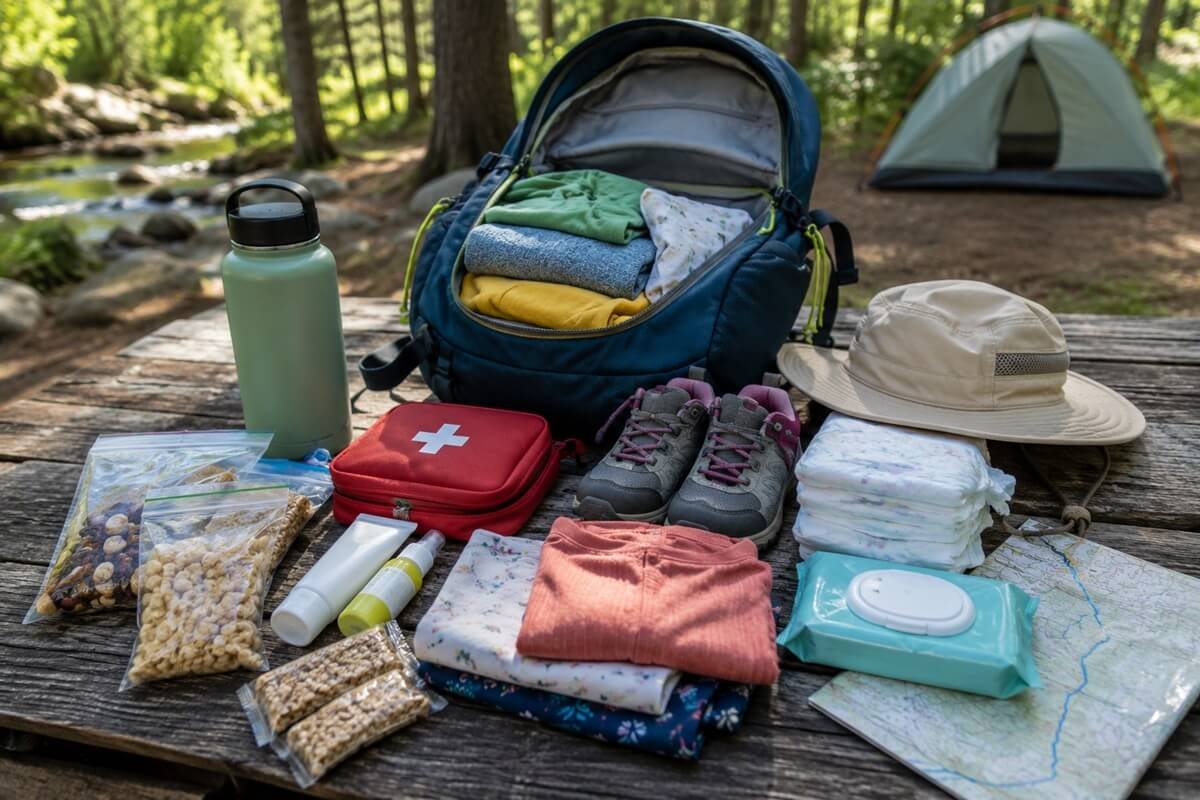
Ensure you have all the essential items your toddler may need during the hike. Some important items to include are:
- Appropriate clothing: Dress your toddler in layers according to the weather. Remember to pack hats, sunscreen, and insect repellent.
- Comfortable shoes: Invest in a pair of sturdies, well-fitting shoes for your toddler to prevent discomfort or injuries.
- Snacks and water: Pack a variety of healthy snacks to keep your toddler energized. Don’t forget to bring enough water for hydration.
- First aid kit: Carry a basic first aid kit containing band-aids, antiseptic wipes, and any necessary medications.
- Diapers and wipes: If your toddler is still in diapers, make sure to bring an adequate supply along with wipes for easy diaper changes.
- Snacks and water: Pack a variety of healthy snacks to keep your toddler energized. Bring plenty of water in an insulated water bottle to help keep drinks cool during the hike.
“A waterproof hiking backpack is also a smart choice for carrying your child’s clothing, snacks, diapers, and other essentials to protect them from unexpected rain.”
Safety precautions
Safety should be a top priority when hiking with toddlers. Consider the following precautions:
- Stay on marked trails: Avoid straying off designated trails to prevent accidents and getting lost.
- Keep your toddler within sight: Toddlers can wander off quickly, so always keep a close eye on them and make sure they are within your sight.
- Child carriers or backpacks: For particularly challenging hikes or longer distances, consider using a child carrier or backpack designed for hiking. These can provide added safety and comfort for both you and your toddler.
- Teach them about hazards: Educate them about potential hazards on the trail, such as steep drops, unstable rocks, or poisonous plants. Encourage them to stay away from these dangers.
Engage and entertain
To keep your toddler engaged and interested in the hike, introduce fun activities along the way:
- Nature scavenger hunt: Create a simple scavenger hunt by making a list of items for your toddler to find in nature, such as specific leaves, rocks, or animal tracks.
- Nature identification: Teach them about different plants, trees, and animals you encounter on the trail. Bring along a nature guidebook or use smartphone apps to help with identification.
- Storytelling and singing: Share stories or sing songs related to nature and the outdoors to make the hike more interactive and entertaining.
Encourage exploration
Allow your kids to explore their surroundings within safe limits. Let them touch plants, examine rocks, and observe insects, while emphasizing the importance of leaving nature undisturbed.
Be flexible and patient
Flexibility and patience are key to ensuring a positive experience for everyone. Remember that hiking with toddlers may not go exactly as planned. Be prepared to adjust your expectations and itinerary based on your toddler’s mood and needs. If they’re tired or seem uninterested, it’s okay to cut the hike short or change your plans.
Capture the memories
Bring a camera or smartphone to capture special moments along the hike. Take photos of your toddler exploring, enjoying nature, and having fun. These memories will be cherished in the years to come.
Quick Checklist Before Hiking with Toddlers
- ✔ Choose an easy, family-friendly trail.
- ✔ Check the weather forecast.
- ✔ Pack plenty of water and healthy snacks.
- ✔ Bring sunscreen, hats, and insect repellent.
- ✔ Carry a basic first aid kit.
- ✔ Allow extra time for breaks and exploration.
- ✔ Tell someone where you’re hiking.
FAQs: Tips for Hiking with Toddlers
How do I motivate my toddler to hike?
Toddlers are naturally curious and love exploring. To motivate them to hike, make it a fun and engaging experience. Involve them in the planning process, let them choose a snack or a small item to bring along, and introduce games or activities like scavenger hunts. Encourage their curiosity by pointing out interesting things along the trail and allowing them to explore their surroundings.
“Even though toddler hikes are usually short, taking a few minutes to plan your route, check the weather, and pack appropriately can make a big difference. Our expert guide on how to prepare for a long hike includes many planning tips that also apply to family day hikes.”
How can I handle tantrums or meltdowns on the trail?
Toddlers can sometimes have tantrums or meltdowns, especially if they’re tired, hungry, or uncomfortable. Stay calm and patient and try to address their needs. Take a break and offer snacks or water. Distract them with a game, a story, or a change of scenery. If necessary, be prepared to turn back or end the hike early. Remember that their safety and well-being are the top priorities.
Should I bring a stroller on the hike?
It depends on the trail conditions. Strollers are generally not suitable for rugged or uneven terrain. However, if you’re hiking on a well-maintained and flat trail, a sturdy all-terrain stroller may be an option. Consider the weight and size of the stroller, as well as the trail’s accessibility.
How do I deal with insect bites or sunburn?
To prevent insect bites, dress your toddler in lightweight, long-sleeved clothing and use insect repellent on exposed skin. Check them for ticks after the hike. Protect your toddler from the sun by applying sunscreen, dressing them in a hat and lightweight, breathable clothing, and seeking shaded areas during breaks. Carry soothing creams or remedies for bug bites or sunburn, just in case.
What if my toddler refuses to walk or insists on being carried?
If they refuse to walk, consider using a child carrier or backpack for a portion of the hike. Gradually encourage them to walk short distances, and praise and reward their efforts to build their confidence.
How far can a toddler hike?
Many toddlers can comfortably hike between 1 and 3 miles on easy terrain with frequent breaks. Every child is different, so watch for signs of fatigue and adjust your plans accordingly.
Trusted Outdoor Safety Resources
Before heading out with your toddler, it’s worth reviewing safety guidance from trusted organizations. These resources offer expert recommendations on outdoor recreation, child safety, sun protection, tick prevention, and responsible trail use.
- American Academy of Pediatrics (AAP): Offers guidance on outdoor play, sun safety, hydration, insect protection, and keeping young children safe during outdoor activities.
- National Park Service (NPS): Provides family hiking advice, trail safety tips, wildlife awareness, and information about visiting national parks with children.
- Centers for Disease Control and Prevention (CDC): Learn how to prevent tick bites, recognize symptoms, and protect from mosquitoes and other insects.
Safety Tips: Always check weather conditions, trail difficulty, and local wildlife advisories before hiking with young children. If temperatures are extreme or storms are expected, postpone your trip.
Conclusion
Remember that every child is different, so it’s important to adapt these tips to suit your toddler’s needs and capabilities. Choose an appropriate trail, start with shorter hikes, and plan for regular breaks to keep your toddler comfortable and engaged. Pack essential items such as clothing, snacks, water, and a first aid kit. Stay on marked trails, keep a close eye on your toddler, and teach them about potential hazards.
Lastly, don’t forget to capture the special moments and create lasting memories. So, lace up your hiking boots, pack your backpack, and embark on a wonderful hiking journey with your little one.
Happy hiking!