Salomon Quest Prime GTX Review: Hiking Boot Tested

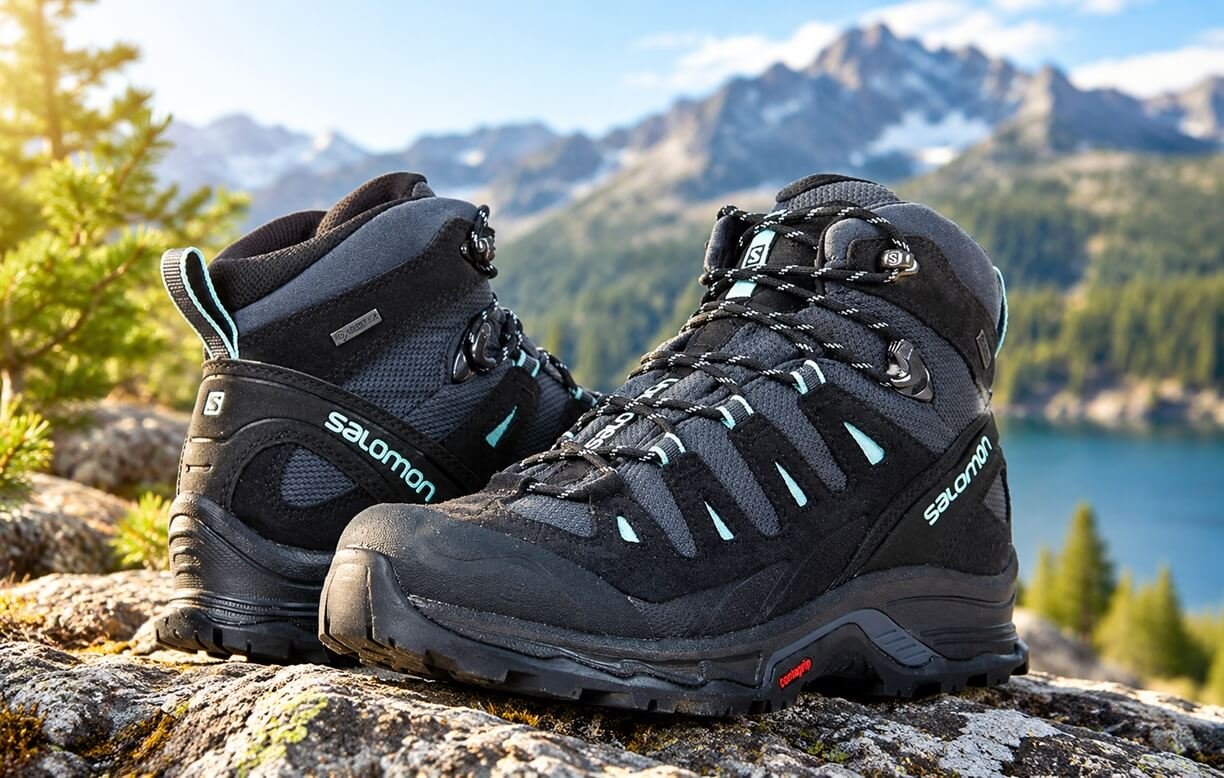
It took me a while to reach a point where I had used the Salomon Quest Prime GTX enough to write a meaningful review. Before using these boots, I mainly wore Merrell trail shoes for walking trails and less demanding outings, so the Quest Prime GTX gave me a useful point of comparison when I started tackling more challenging terrain.
The Salomon Quest Prime GTX stands out for its combination of comfort, relatively low weight, traction, and foot support. The Contagrip outsole provides dependable grip, while the cushioned midsole and supportive construction make the boots well suited to steep and uneven trails.
In this review, I focus on the areas that matter most on the trail: comfort, weight, traction, stability, waterproofing, protection, durability, and fit. I’ll also cover the limitations I noticed, including cold-weather performance and the fit of the boot.
Quick Verdict
The Salomon Quest Prime GTX is a comfortable and supportive hiking boot that performs particularly well on steep and uneven trails. Its Contagrip outsole provides strong traction, while the cushioned midsole and supportive construction help reduce fatigue during longer walks.
Its main drawbacks are that it is not especially warm for cold-weather hiking and the relatively roomy shape may not suit every foot. Overall, it is a good choice for hikers who want a balance of comfort, traction, waterproofing, and support without moving to a much heavier backpacking boot.
- Best for: Steep trails, wet conditions, day hiking, and lightweight backpacking.
- Not ideal for: Very cold conditions or hikers who prefer a narrow, close-fitting boot.
Salomon Quest Prime GTX Review: Hiking & Backpacking Performance
Key Specifications
- Weight: 570 grams
- Waterproofing: GORE-TEX
- Midsole height: 22 mm / 10 mm
- Heel-to-toe drop: 12 mm
- Upper: Water-resistant textile/synthetic construction
- Outsole: Contagrip
- Chassis: Advanced Chassis
- Fit system: Traditional lacing
- Intended use: Hiking and backpacking
How I Tested
I evaluated the Salomon Quest Prime GTX through actual trail use rather than judging the boots solely from their specifications. The main areas I paid attention to were comfort over extended walking, traction on uneven terrain, stability on steeper sections, waterproofing in wet conditions, foot and ankle support, and the overall weight of the boots.
I also considered how the fit affected comfort and whether the construction remained supportive as the boots were used repeatedly. These observations form the basis of the performance comments throughout this review.
Pros
- Relatively lightweight for a supportive hiking boot
- Comfortable for extended trail walking
- Good cushioning on steep terrain
- Strong traction from the Contagrip outsole
- Good foot and ankle support
- Suitable for wet-weather hiking
Cons
- Not especially warm in cold conditions
- Ankle locking eyelet could provide a more secure hold
- Roomy shape may not suit narrower feet
Comfort Level
Comfort is one of the strongest aspects of the Salomon Quest Prime GTX. The cushioning from the midsole helps absorb impact while walking over uneven and steep terrain, and the supportive construction keeps the foot feeling secure without making the boot excessively heavy.
The padded tongue and collar also help improve comfort around the upper part of the foot and ankle. During extended trail use, I found the overall construction supportive without feeling unnecessarily bulky.
The fit is relatively roomy, however, so hikers with narrower feet may need to pay particular attention to sizing and sock choice.
Item Weight
At 570 grams, the Salomon Quest Prime GTX is relatively lightweight for a supportive hiking boot. The weight is noticeable compared with lighter trail shoes, but the additional structure provides useful protection and stability on more demanding terrain.
For hikers who regularly move between maintained trails and rougher, steeper ground, the balance between weight and support is one of the boot’s more appealing characteristics.
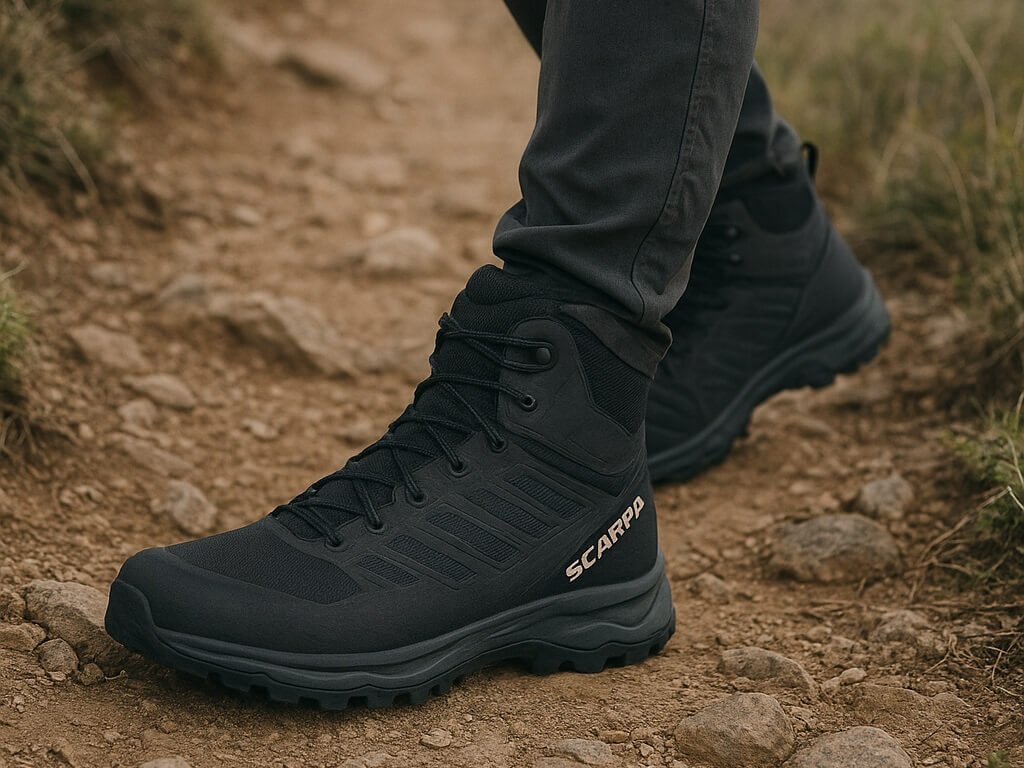
For comparison, the Lowa Ticam II GTX and Scarpa Rush TRK GTX offer alternative approaches to supportive hiking footwear, with differences in construction, fit, and overall feel..
Good Traction
Traction is another strong point of the Salomon Quest Prime GTX. The Contagrip rubber outsole and pronounced tread provide dependable grip on the steep and uneven trails I used them on.
The outsole is particularly useful when climbing or descending slopes where secure footing matters. As with any hiking boot, however, traction will vary depending on the surface, mud, loose rock, wet vegetation, and other trail conditions, so I would not describe the grip as equally effective on every type of ground.
Stability and Support
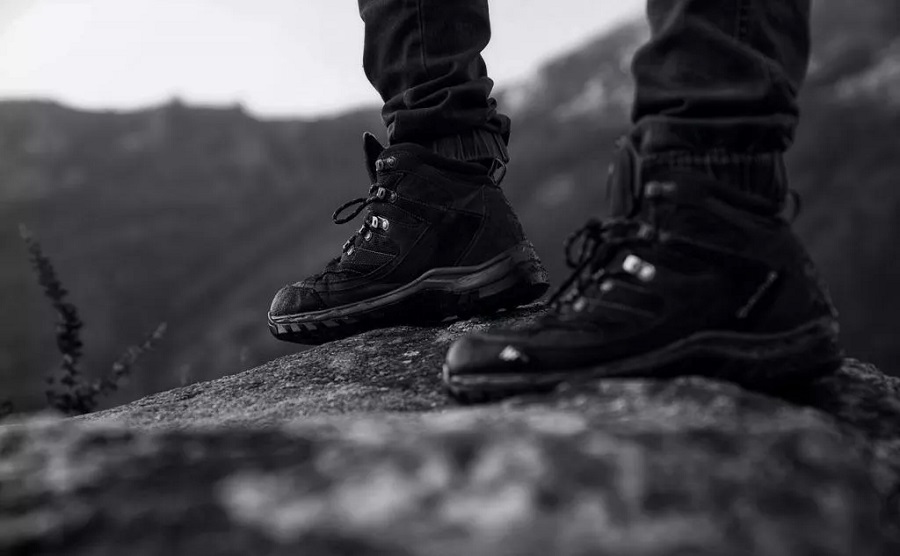
The Salomon Quest Prime GTX uses an Advanced Chassis construction designed to provide additional stability without making the boot excessively rigid. On uneven terrain, this support helps the foot feel more controlled, particularly when moving across slopes or rough sections of trail.
The insole and heel area also contribute to the overall supportive feel. For hikers carrying a moderate amount of gear, this added structure can be useful compared with a less supportive trail shoe.
Waterproofing and Breathability
The GORE-TEX membrane is designed to help prevent water from entering the boot while allowing moisture vapor to escape. In practical use, the waterproof construction makes the Quest Prime GTX well suited to wet trails and damp conditions.
However, waterproof hiking boots are not automatically warm like top-rated hiking boots. The Quest Prime GTX does not provide the level of insulation I would want for particularly cold conditions, which is worth considering if you regularly hike during winter.
The upper can also collect dirt and moisture during extended trail use, so regular cleaning and appropriate maintenance are worthwhile for preserving the boot’s performance.
Toe and Ankle Protection
The Quest Prime GTX provides a useful level of protection for hiking on rocky and uneven trails. The reinforced toe area helps protect against accidental contact with rocks and other obstacles, while the structured heel and ankle area add support when the trail becomes more demanding.
The cushioning underfoot also contributes to comfort when walking over rough surfaces. This combination makes the boot more appropriate for technical hiking than a lightweight trail shoe with a much less structured upper.
Build Quality and Durability
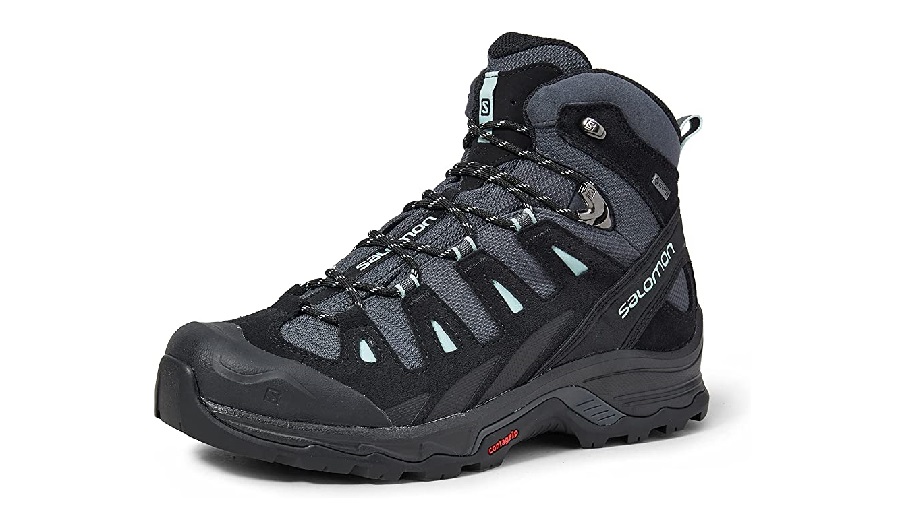
The Quest Prime GTX has a sturdy construction designed for regular hiking use. The combination of a reinforced upper, protective components, supportive midsole structure, and rubber outsole gives the boot a more substantial feel than a typical trail shoe.
After repeated use, the areas I pay the most attention to are the outsole, stitching, upper material, lacing hardware, and points where the boot flexes. Keeping the boots clean after muddy or dusty hikes and allowing them to dry naturally can also help maintain the materials over time.
As with any hiking boot, durability will depend heavily on terrain, frequency of use, maintenance, and how much wear the outsole receives.
Shape and Size
The Salomon Quest Prime GTX has a relatively roomy shape, particularly around the sides of the foot. That extra space can be comfortable for hikers who dislike a restrictive fit, but it may feel less secure for people with narrower feet.
The lacing system allows the upper to be adjusted around the foot and ankle, although I found the locking eyelet could provide a more secure hold. As with any hiking boot, trying the boots with the socks you normally hike in is the safest way to judge the fit.
Who Are the Salomon Quest Prime GTX Best For?
The Quest Prime GTX makes the most sense for hikers who want more protection and stability than a trail shoe provides without moving to an especially heavy backpacking boot.
Best for:
- Steep and uneven hiking trails
- Wet-weather hiking
- Day hikes
- Lightweight backpacking
- Hikers who prefer a supportive boot
- Hikers who like a relatively roomy fit
Not ideal for:
- Very cold-weather hiking
- Hikers looking for an ultralight trail shoe
- Narrow-footed hikers who prefer a close-fitting boot
- Activities where maximum flexibility is more important than support
Salomon X Ultra GTX vs Quest Prime GTX


The Salomon X Ultra GTX is another option worth considering if you are comparing Salomon hiking footwear. In my experience, its lacing system provides a more secure hold around the foot and ankle, while the generous ankle padding adds to its comfort.
The Quest Prime GTX, however, remains appealing if you prioritize its combination of cushioning, traction, support, and relatively low weight. The better choice ultimately depends on your preferred fit and the type of terrain you normally hike.
Frequently Asked Questions
Are Salomon Quest Prime GTX boots good for hiking?
Yes. The Quest Prime GTX is particularly well suited to hikers who want a combination of cushioning, traction, waterproofing, and foot support. Its structured construction makes it a better fit for demanding trails than a lightweight trail shoe.
Are Salomon Quest Prime GTX boots waterproof?
The Quest Prime GTX uses a GORE-TEX membrane designed to provide waterproof protection while allowing moisture vapor to escape. This makes the boots suitable for wet trails and rainy conditions, although no hiking boot should be considered completely impervious to water in every situation.
Are Salomon Quest Prime GTX boots good for backpacking?
They can be a good option for lightweight backpacking, particularly when you want more support and protection than a trail shoe provides. The relatively low weight is useful for longer days on the trail.
Do Salomon Quest Prime GTX boots require a break-in period?
I found the boots comfortable without requiring an extensive break-in period. However, fit varies between feet, so it is still worth wearing them around home and on shorter walks before taking them on a long hike.
Are Salomon Quest Prime GTX boots suitable for wide feet?
The relatively roomy shape can work well for hikers who prefer additional space around the foot. However, fit varies considerably between individuals, and hikers with very narrow feet may find the boot less secure.
How is the traction on the Salomon Quest Prime GTX?
The Contagrip outsole provides strong traction on steep and uneven trails. Performance will naturally vary with the surface and conditions, particularly on loose, muddy, wet, or slippery terrain.
Final Verdict
After using the Salomon Quest Prime GTX on demanding trails, I found its strongest qualities to be comfort, traction, stability, and overall support. The boot provides a useful middle ground between a lightweight trail shoe and a heavier backpacking boot.
The Contagrip outsole is particularly useful on steep and uneven terrain, while the cushioning and supportive construction make longer trail days more comfortable. The GORE-TEX construction is also helpful when hiking in wet conditions.
There are some limitations. The boots are not particularly warm for cold-weather hiking, and the relatively roomy fit will not suit every foot shape. The ankle locking system could also provide a more secure hold.
Overall, the Quest Prime GTX is a solid choice for hikers who want a supportive, waterproof boot without excessive weight. If your priorities are comfort, dependable traction, and stability on demanding trails, it remains a worthwhile option to consider.