How to Sleep Better in a Tent: 12 Proven Tips for Camping & Hiking

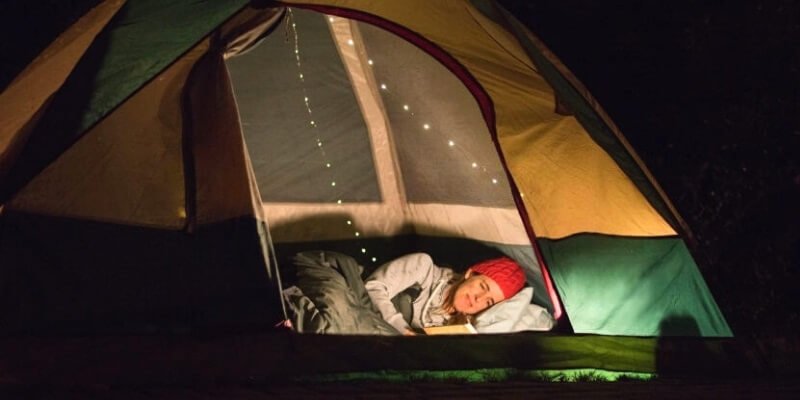
As typical city kids, we look forward to every camping holiday in nature. The simple life is appealing but unfamiliar for beginners—many struggle to sleep in a tent comfortably. Unfamiliar terrain, ambient sounds, and varying temperatures can disrupt even the most seasoned camper’s slumber. With a few essential tips and a touch of preparation, you can transform your tent into a sanctuary of comfort and tranquility.
Today, we will unveil 12 invaluable insights to help you master the art of sleeping soundly in the great outdoors. These tips are based on practical camping experience in varying conditions, from busy campsites to cold overnight stays in changing weather.
1. Learn Where the Tent is Setting Up in Daylight
This tip applies to festival campers and wild campers alike. My experience has taught me that pitching a tent in the dark is stressful – even if I know every move. Stress before going to sleep can significantly increase the time it takes to relax and fall asleep. A lack of lighting and a reduced ability to concentrate on the other can increase the error rate when setting up a tent in the dark.
As a festival camper and campsite holidaymaker, you should arrive early to secure the coveted parcels. In daylight, the assembly is also much more fun. In daylight, it is much easier for beginners to find friendly fellow campers who can help set up their tents if something doesn’t work out. Also, pay attention to the weather forecast for the night and pack appropriate things for camping in the rain.
2. Find a Suitable Place for Your Tent
Preparation is crucial when setting up your tent. Take the first tip to heart and have enough time to find a suitable place for the tent, so you can crawl into the sleeping bag calmly and relax.
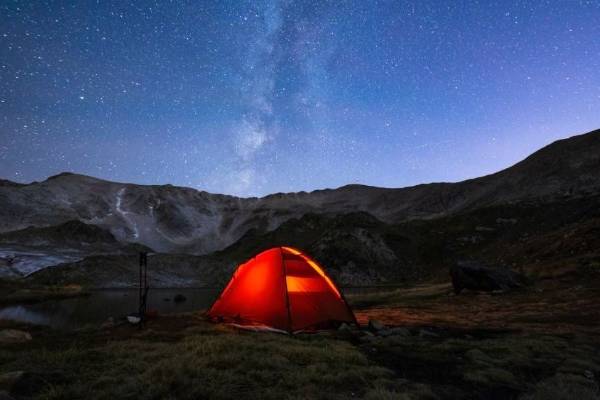
The subsurface should be as level as possible, without any depressions, holes, or noticeable slopes. Even a slight slope can cause you to slide slowly toward one side of the tent during the night, which becomes uncomfortable after a few hours.
Pay attention to sharp stones, branches, and other debris in your chosen installation area. Clearing the ground for just five extra minutes before pitching can prevent pressure points and back stiffness the next morning. If present, remove them, as they can damage the tent floor. These factors can significantly affect the quality of sleep. Sleeping on uneven or rough ground may lead to painful experiences, causing pressure points or back problems the next day.
Consider the wind and the dangers of camping with thunderstorms and lightning. Choose a place that is sheltered from the wind as well as possible and safe from lightning strikes. This is the only way to have a restful sleep in the tent when the weather conditions worsen. A tunnel tent is prone to crosswinds. If you set up a tunnel tent, put up the narrow side in the direction of the wind. This will increase the stability enormously, and the tent will not collapse in the middle of the night.
If you pitch your tent in daylight, it is also much easier to unfasten the tent cords and storm lines. The tensioning cords should be done in a way so that they don’t end too close to the neighboring tent. Otherwise, the tent neighbor may stumble over your guy ropes and rudely wake you up with a loud outcry.
3. Illuminate Your Tent and Surrounding Area
Camping in the middle of nature has become rarer because of legal requirements. If you set up your tent camp in the middle of nowhere, you will be amazed at the magnificent starry sky and how dark the night can get.
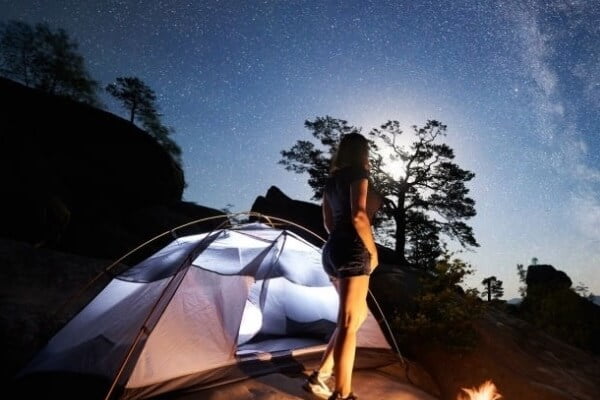
It is even more important that the appropriate light sources in our luggage! A handy flashlight is the easiest way to go to the toilet. The smartphone’s flashlight, on the other hand, is not the best choice. Many tripping hazards are recognized too late or not at all.
However, we recommend a rechargeable LED camping lantern with at least 150–300 lumens for tent use. This provides enough brightness without being harsh on the eyes at night. This can also be attached to hooks on the ceiling in modern tents. When moving, assembling & dismantling at night, you need both hands. Holding the lighting in one hand is not an option. The processes will be made unnecessarily difficult. Therefore, a rechargeable LED headlamp is the best choice.
4. Make a Routine to Fall Asleep
The usual bedtime routine you follow at home should be maintained during a camping trip if possible. This helps create a sense of normality in an otherwise unfamiliar environment, which can aid in relaxation and falling asleep. For example, brushing your teeth should be the final step, and this should be done away from the tent before settling into your sleeping bag. Children can bring their favorite cuddly toy or another familiar object from home to help them fall asleep comfortably.
5. Wear Dry Clothes in the Sleeping Bag
Before getting into your sleeping bag, always change out of wet clothes, including anything sweaty. This is especially important for socks, as having cold feet can disrupt your sleep while camping. A good outfit for sleeping in a bag includes long underwear and clean socks. However, avoid wearing too many layers, as this can reduce the sleeping bag’s ability to retain body heat!
6. Stay Warm Inside the Tent
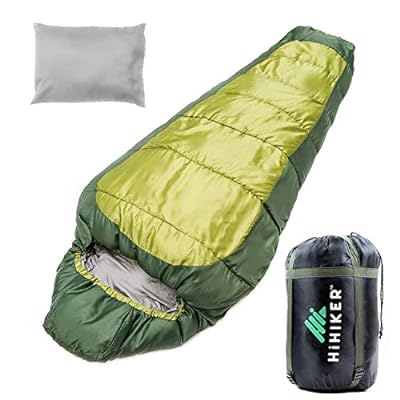
- Tent Heating: In damp and cold conditions, a compact electric tent heater can help dry wet clothes and boots while reducing condensation on the tent walls.
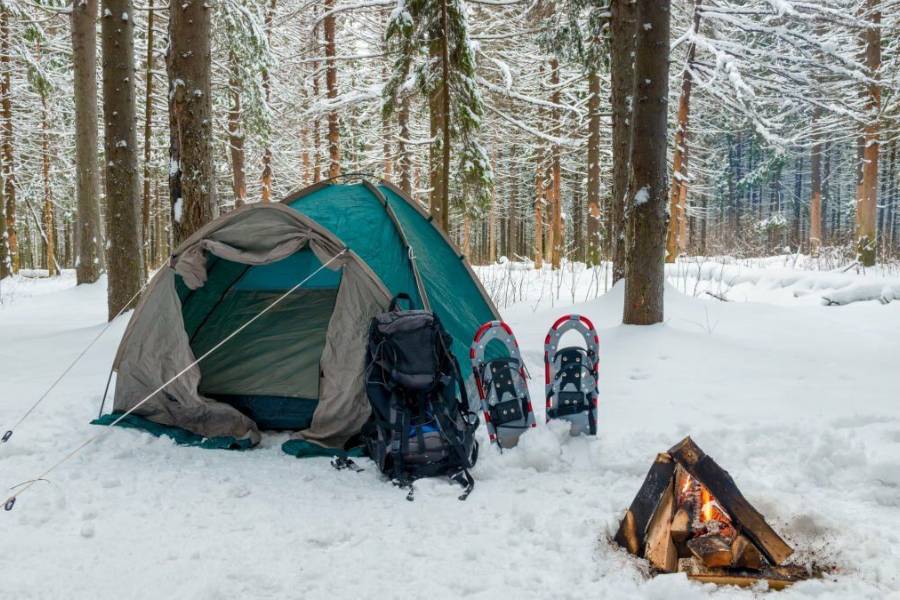
- Choose the Right Sleeping Bag: Select a sleeping bag suited to your destination’s temperatures. For example, if nighttime lows are expected around 40°F (4°C), choose a sleeping bag rated at least 5–10 degrees lower for real comfort, not just survival. Mummy sleeping bags are lightweight and trap heat efficiently, making them ideal for cooler conditions.
- Use Air Mattresses or Air Beds: Air mattresses or elevated air beds provide insulation from cold ground. For cooler conditions, an insulated sleeping pad with an R-value of 3 or higher helps prevent body heat loss into the ground. If you’re car camping, weight isn’t as much of a concern, making comfort a priority.
- Keep Your Head Warm: A pillow helps retain heat, and there are inflatable options if you’re short on space. Wearing a hat inside your tent can also keep you warm, allowing you to remove it if needed.
- Light Exercise Before Sleep: Doing sit-ups inside your sleeping bag can warm you up without excessive perspiration, making it easier to get comfortable and fall asleep.
Also remember that insulation underneath your body gets compressed, so pairing your sleeping bag with an insulated sleeping pad (R-value 3 or higher for cool weather) significantly improves warmth.
7. Light Meals Before Bed Keep You Warm
A light snack or a smaller meal right before going to sleep will keep you warm inside. Your body is busy digesting, producing heat that helps you fall asleep in the cold. Drinking hot tea right before going to sleep keeps you warm inside. Herbal tea without caffeine is ideal, as caffeine can interfere with your ability to fall asleep.
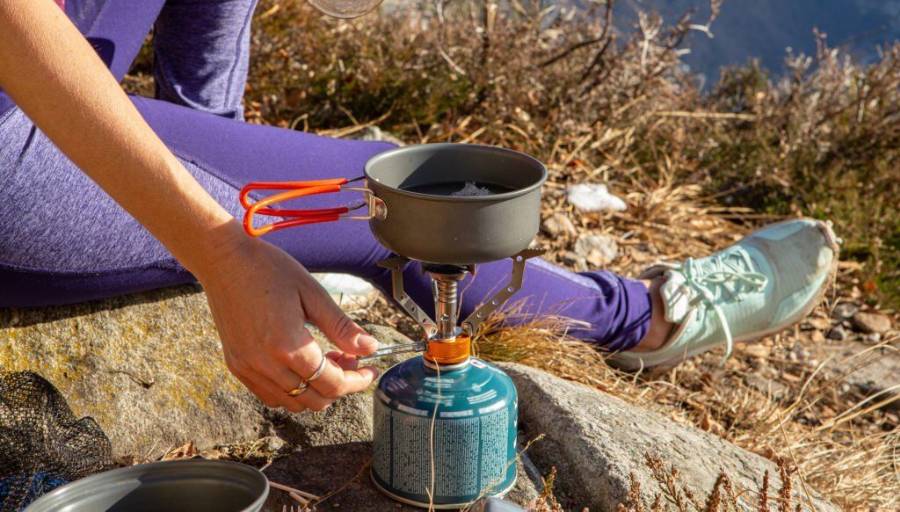
Thermos flasks help; this means you can prepare the hot drink long in advance. On the other hand, you should avoid any form of alcohol, as it expands the capillaries and even accelerates the loss of heat.
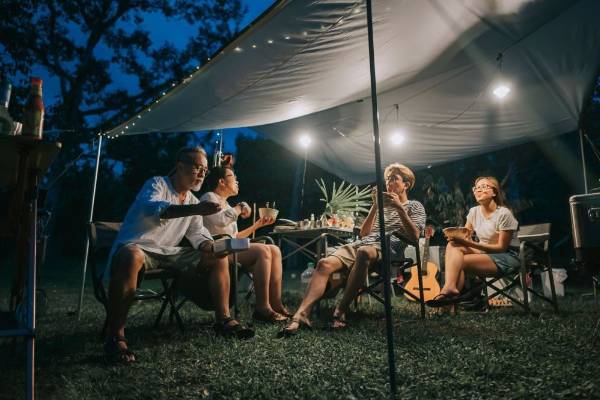
A hot water bottle or heated water bottle is a useful addition for camping in the cold. Take them in the sleeping bag for at least a few minutes. It helps if the bottle is placed in the middle of the body. This area of the body produces most of the heat.
8. Increase Your Body Temperature Before Going to Bed
If you ever get a bit cold before going to bed or are planning a fairly cool night, we recommend trying to raise your body temperature (without sweating) before going to bed – ideally not to lose it. This will allow you to fall asleep faster, and it is usually easier to do this before you get into your sleeping bag. All means are good, you can run in place, jump, dance, gesture, etc.
9. Go to the Toilet Before Going to Sleep
In general, we recommend going to the toilet twice if possible before you make yourself comfortable in the tent – first about 20-30 minutes beforehand, then again immediately before lying down. This technique can help reduce or even avoid using the toilet at night to a minimum.
A shower tent makes sense, especially for festival campers who plan to camp far away from the toilets. This can be equipped with a portable toilet, closed opaque, and thus save a lot of time. On the other hand, if you have a long hike to the toilet facilities in front of your chest, you will be wide awake again after your return – then it can be even more difficult to fall asleep.
When preparing for a nighttime trip to the toilet, make sure to have a headlamp or flashlight ready. Keep your shoes handy on a mat, doormat, or towel to prevent mud and dirt from getting into the tent after your visit.
10. Reduce noise
Camping noises can impact sleep, especially for those unaccustomed to the sounds of nature. While soothing sounds, like a nearby brook, can be calming, noises from wildlife can be unsettling. Here are some tips to minimize disturbances for better sleep:
- Use Earplugs or Wax: Earplugs or wax can significantly reduce unwanted sounds, helping you relax. These simple tools are especially beneficial at busy campsites or festivals and are a staple in our camping gear.
- Consider Tents with Magnetic Doors: Tents equipped with magnetic doors close quietly without zippers, reducing noise when someone needs to exit. This feature is useful in shared tents, like the Coleman Tent Galileo 5, allowing for a more peaceful night’s sleep.
11. Darken the inner tent
Floodlights on campsites, neighbors’ lighting, or flashlights that shine into your tent are just a few of the possible scenarios. All of this can significantly delay falling asleep in the tent.
Modern inner tents are equipped with darkened polyester tent fabric. The tent manufacturer Coleman won an award for their technology called “BlackOut Bedroom”. This extra-dark bedroom absorbs up to 99 percent of the daylight. The Coleman Air Valdes 6XL air tent that we tested has such a blackout bedroom. Other manufacturers also have darkened sleeping cabins in their range.
12. Don’t go to bed too late
Life tends to start a little earlier at the campsite, so it’s best not to stay up too late if you want to be well-rested for the next day. Also, if you stay active throughout the day, you’re more likely to fall asleep earlier at night.
Conclusion
Achieving a good night’s sleep in a tent is essential for an enjoyable and successful camping experience. There are numerous ways to ensure comfortable sleeping conditions while camping. By following these 12 tips based on our practical experience, you can significantly enhance your comfort and restfulness.
We hope this guide helps you enjoy warm nights in your sleeping bag and start each day refreshed. If you found this article helpful, feel free to share it with your friends on social media!
Frequently Asked Questions
Frequent waking is often caused by micro-environment changes. Night temperatures drop after midnight, ground moisture increases, and outdoor noise patterns shift. Even small temperature drops of 5–10°F can trigger light sleep interruptions if your insulation system is not properly balanced.
Yes. The coldest part of the night typically occurs just before sunrise. Your body temperature also naturally drops during deep sleep cycles. This combination often makes early morning hours feel significantly colder inside a tent.
Yes. Condensation increases humidity inside the tent, which can make the air feel colder and damp. Proper ventilation, partially opening vents, and avoiding wet gear inside the sleeping area help reduce moisture buildup overnight.
For general camping, a sleeping pad thickness of 2–3 inches provides basic comfort. For side sleepers or colder conditions, thicker insulated pads offer better pressure relief and warmth from the ground.
Yes, many beginners struggle during their first camping trips. However, as your body adapts to outdoor sounds and you refine your gear setup, sleep quality usually improves significantly after a few trips.
In most conditions, partially opening vents improves airflow and reduces condensation. However, in strong wind or heavy rain, keeping vents protected while maintaining minimal airflow is the safest approach.
Sleep duration varies, but 6–8 hours is realistic for most campers with proper preparation. Active outdoor days often help people fall asleep faster than they do at home.