How to Choose a Campsite in the Mountains (Complete Guide)

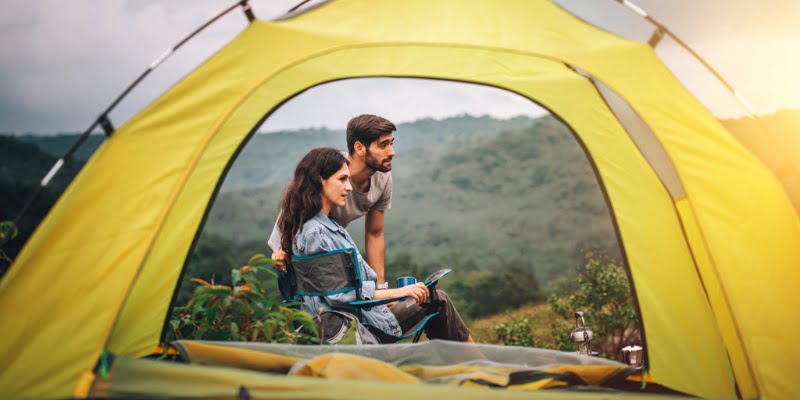
If you enjoy nature holidays in a pristine environment away from pollution, a camping trip in the mountains is sure to appeal to you. This experience allows you to unwind and escape the stresses and hustle of city life, bringing you closer to nature without sacrificing a certain level of comfort.
But how do you choose the right mountain campsite for yourself, your family, and/or your friends? Finding the perfect mountain campsite can be challenging, whether you prefer a sprawling resort with a water park or a cozy family site nestled in the Alps. Here are some valuable tips to help you select the ideal mountain campsite.
What to Consider Before Booking a Mountain Campsite
Choose the perfect mountain campsite for your vacation with the right balance of safety, comfort, and access to nature.
Choose the Campsite Based on Offered Activities
While seaside vacations often revolve around water activities, mountain holidays present a different array of options. The presence of lakes, rivers, peaks, and untouched landscapes provides huge opportunities for outdoor adventures.
If you’re vacationing in the Alps, you can try climbing the legendary Mont Blanc. Also, paragliding from high-altitude peaks allows you to experience the breathtaking views and observe the stunning natural beauty from a unique perspective.
Do you enjoy skiing?
You might think that skiing, snowboarding, and all these sliding activities are not practicable in summer. However, if you go on holiday to a mountain campsite in the Alps, you will find ski resorts open all year round where you can practice your favorite sport.
Either way, your best gear will be a good pair of hiking boots. The activities are also varied and numerous. The exceptional environment is conducive to hikes and walks. Discover or rediscover activities such as canyoning, and river descents by kayak, or canoe. For greater comfort during your camping trip, opt for a lower-altitude campsite, allowing you to be surrounded by lush greenery, lakes, and forests.
In the summer, you can enjoy walking and swimming in the nearby lakes and rivers. However, if you’re camping with children, exercise caution, as swimming in natural bodies of water can be risky, particularly if your kids are not strong swimmers. Many lakes are deep, and the water can be quite cold in certain areas.
Campsites at lower altitudes are often situated in tranquil locations, yet remain conveniently close to villages, allowing you to access amenities like shops, pharmacies, and restaurants. This means you can fully enjoy your nature vacation while also having the option to shop, dine out, and explore clubs and activities offered by nearby leisure centers and parks around your campsite.
The activities you can enjoy including:
- Guided walks and hikes on foot, by bike, or on horseback.
- Tree climbing offers stunning views of waterfalls, rivers, and surrounding nature.
- Paragliding; if you’re a novice, you can take an introductory session with a trainer.
- Climbing on various natural rock formations.
However, before leaving for your holidays, do not hesitate to contact the tourist office of your campsite. You can get interesting information concerning the campsite located closest to the activities you want to do. All the activities and places to visit in the region and the various providers that you can contact to organize your activities if necessary. With all this information in hand, you can organize several family outings on your own without needing a guide.
The Services Offered by the Campsite
When you go on vacation to a mountain campsite, you will spend most of your time doing outdoor activities. After a good day of hiking or downhill skiing, you may want to find comfortable, pleasant, and restful accommodations. It is therefore important to choose a campsite that will provide quality services to make your holidays worth it.
Before booking your mountain campsite, make sure to check the following points:
- Sanitary Facilities: Ensure that there are enough sanitary blocks that are easily accessible and kept spotlessly clean.
- Spacious Pitches: The camping pitches should be spacious and equipped with service terminals for convenience.
- Water Park Amenities: If you’re looking for a campsite with a water park, verify that it includes an indoor heated swimming pool.
- Activities and Entertainment for Children: On days when parents may not plan outings, the campsite should offer sufficient activities and designated spaces for children to keep them entertained and prevent boredom.
Normally, all this information is available on your campsite website. If this is not the case, consult the regional tourist office and you will be able to get the information you are looking for.
Comparator sites are also excellent sources of information if you want to be informed of the quality of service offered by a campsite authority. Most of these sites allow consumers to leave a review of the campsites they have visited. An external body is responsible for verifying that these opinions truly come from consumers. Do not hesitate to consult these sites if you want to get opinions on where you want to book.
The star rating of a campsite serves as an indicator of the quality of its services. This rating is based on various criteria, including reception, inventory, leisure facilities (such as a water park), available activities, and the campsite’s location, among others.
High-Altitude vs. Valley-Bottom Campsites
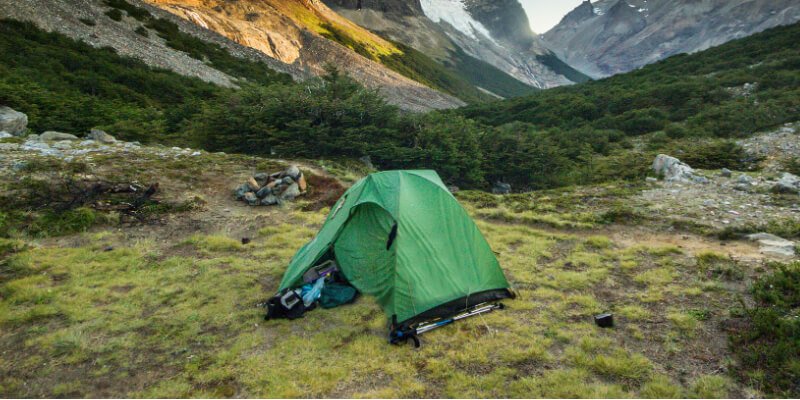
When vacationing at a mountain campsite, you can choose between an altitude campsite or one in the valley bottom. The activities available can differ significantly, and each type of campsite comes with a different set of advantages and disadvantages.
If you’re looking for a genuine nature holiday with complete disconnection, an altitude campsite is ideal. These campsites are truly remote, offering accommodations that feature beautiful terraces where you can leisurely enjoy the surrounding landscape. The facilities are kept basic to minimize environmental impact, so you can expect to forego amenities like swimming pools or water parks.
In exchange, you can swim in the many nearby lakes. While you may not have access to 4G or Wi-Fi, you’ll enjoy unmatched natural beauty, exceptional views of the surrounding landscapes, and proximity to hiking trails.
If you want to enjoy a mountain campsite while still having a minimum level of comfort, opt for a campsite at the valley bottom. Although the views and nature may not be as stunning as at a high-altitude campsite, you’ll be conveniently close to villages and amenities. In a valley bottom campsite, you can expect a more elaborate service such as a swimming pool or spa, work Wi-Fi and a telephone network, and allow you to visit the towns around.
If you’re on holiday in the mountains with children, opt for a campsite at the valley bottom. Younger children, in particular, require a certain level of comfort. It’s best to choose a campsite that offers a wide range of activities and entertainment to ensure a smooth and enjoyable holiday for both parents and kids.
Find a Cheap Mountain Campsite
Just because you’re on a budget doesn’t mean you can’t enjoy a mountain camping holiday. There are plenty of tips for spending time in the mountains without breaking the bank. Campsites generally operate year-round and offer lower prices during the off-peak season. By choosing to go in low season, you can enjoy excellent services at upscale establishments without draining your savings, plus you’ll have nature largely to yourself.
Consider your destination carefully; for example, a stay in Mont-Blanc will likely be more expensive than a comparable stay in a less well-known massif. Furthermore, campsites with amenities like water parks, spas, or hammam areas will generally charge higher rates compared to those offering more basic comforts.
Be sure to plan your trip in advance. Many campsites offer promotional deals or discounts on their websites, so check frequently to take advantage of these offers. Booking your stay early can also help you secure discounts and ensure getting the best options available.
Frequently Asked Questions (FAQs) About Mountain Camping
What is the best time of year for mountain camping?
The best time for mountain camping is usually late spring to early autumn (May to September), when weather conditions are more stable, trails are accessible, and temperatures are comfortable. However, high-altitude campsites may remain cooler even in summer.
Is mountain camping safe for beginners?
Yes, mountain camping can be safe for beginners if you choose well-established campsites with proper facilities. Beginners should avoid extreme altitudes, check weather forecasts in advance, and always inform someone about their travel plans.
What essential gear should I bring for mountain camping?
Key essentials include a weather-resistant tent, warm sleeping bag, layered clothing, hiking boots, portable stove, flashlight, first aid kit, and navigation tools like a map or GPS. Weather in the mountains can change quickly, so preparation is critical.
Do I need special permits for camping in the mountains?
In some protected areas or national parks, permits are required for camping. Regulations vary by country and region, so it’s important to check local guidelines before planning your trip.
How do I protect food from animals while camping in the mountains?
Food should be stored in sealed containers and kept away from tents. In wildlife areas, use bear-proof storage boxes or hang food bags from trees if recommended by local regulations to prevent attracting animals.
What are the biggest mistakes to avoid when choosing a mountain campsite?
Common mistakes include camping too close to unstable slopes, ignoring weather forecasts, setting up near water flood zones, and choosing sites without checking accessibility or emergency support options.
How can I stay connected (internet/phone) while camping in mountains?
Connectivity depends on location. Valley-bottom campsites usually offer better network coverage and Wi-Fi, while high-altitude camps may have limited or no signal. A portable satellite communicator is recommended for remote areas.
Conclusion
When selecting a mountain campsite, prioritize accessibility, safety, and proximity to water. Ensure compliance with Leave No Trace principles and consider weather conditions. Opt for spots near desired activities and amenities, while respecting wildlife and legal regulations. Seek scenic views for an enhanced camping experience.
Choosing the right shelter is just as important as selecting the location itself. A high-quality tent can make a huge difference in comfort, safety, and weather protection—especially in alpine environments where conditions change quickly. If you’re specifically looking for durable and weather-resistant options, you can explore this guide on the best tents for mountaineering, which breaks down top choices for extreme mountain conditions.
I hope you now have a wealth of destinations to consider for your upcoming mountain vacation. If you have any questions, feel free to ask in the comment section below!