Best Mountaineering Tents 2026 – Tested and Trusted

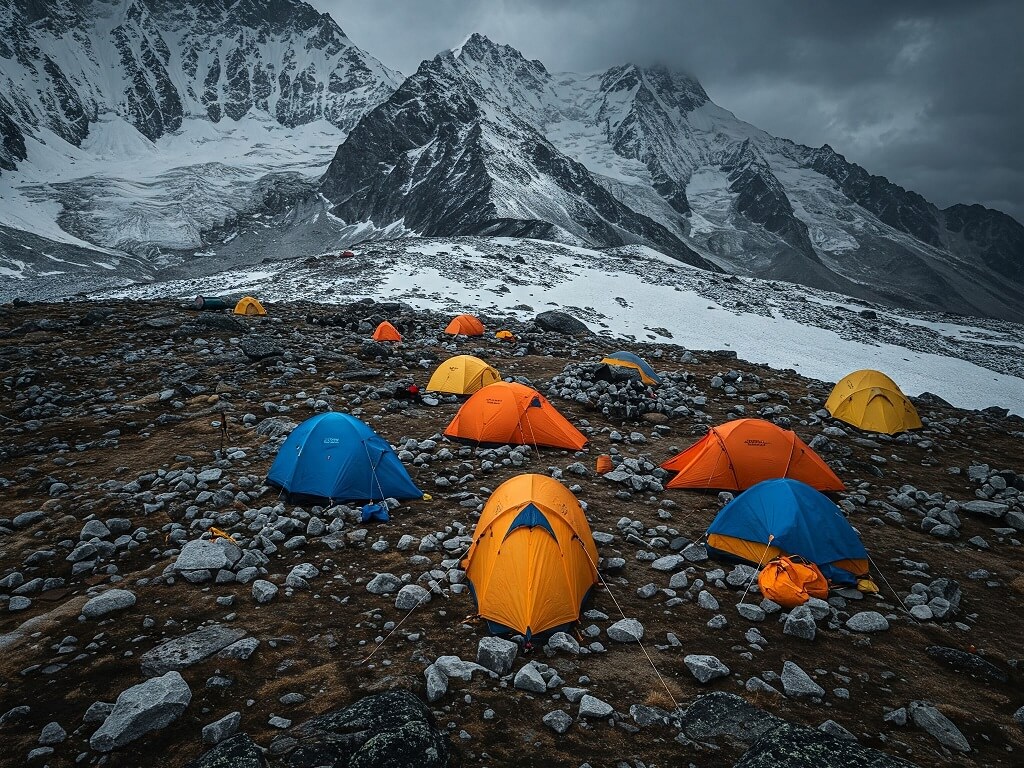
Pushing into high alpine terrain isn’t just about reaching the summit—it’s about surviving everything the mountain throws at you on the way up and back down. And when you’re clinging to a ridge in whiteout conditions or riding out a brutal windstorm at 15,000 feet, your tent isn’t just gear—it’s your lifeline.
Mountaineering tents aren’t built for comfort; they’re built for performance. Every zipper, pole, and stitch must hold up against fierce winds, snow loads, and unpredictable temperature swings. Choosing the wrong shelter can turn a tough expedition into a dangerous one. That’s why we didn’t just compile a list—we tested these tents where it matters most. We’ve pitched them on ice fields, in blowing sleet, and on exposed ridgelines to see which ones truly hold their ground.
Whether you’re preparing for a Himalayan ascent, a Denali expedition, or alpine climbs in the Rockies, this guide breaks down the best mountaineering tents for 2026. From single-wall ultralight shelters to double-wall fortresses built for multi-week basecamps, every model here was chosen for a reason. So before you head for the summit, read on and make sure your tent is one you can trust when the weather turns against you.
Best Tents for Mountaineering of 2026, Tested
Here’s a comparison table of the top 10 mountaineering tents for 2026, all available.
| Tent Model | Capacity | Season Rating | Weight | Waterproof Rating | Image | ### |
| Hilleberg Jannu 2 Tent | 2-person | 4-season | 7.1 lbs (3.2 kg) | 5000 mm | 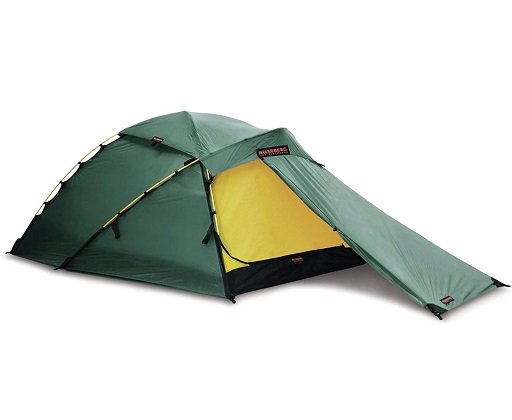 | Check Price |
| Big Agnes Battle Mountain 2 | 2-person | 4-season | 6.5 lbs (2.95 kg) | 1200 mm | 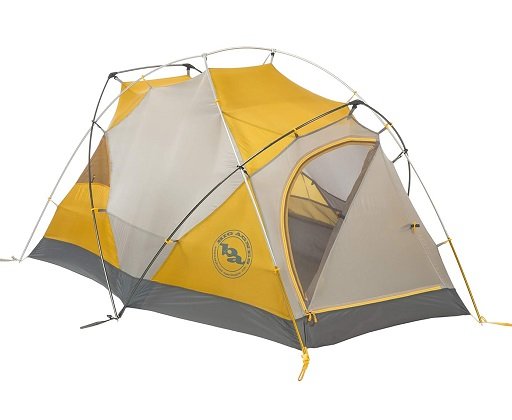 | Check Price |
| MSR Remote 2 Expedition Tent | 2-person | 4-season | 7.1 lbs (3.22 kg) | 3000 mm | 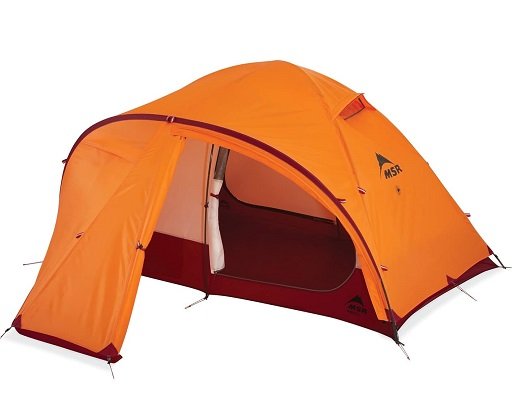 | Check Price |
| Black Diamond Eldorado Tent | 2-person | 4-season | 4.0 lbs (1.81 kg) | 1500 mm | 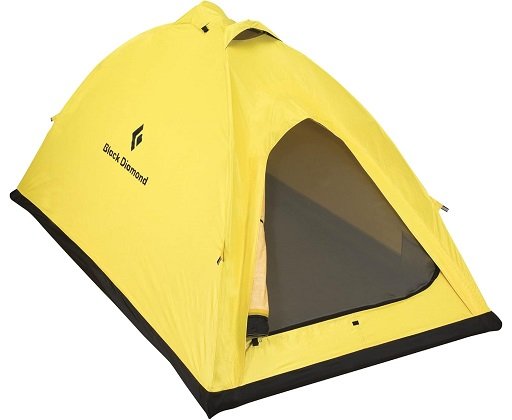 | Check Price |
| ALPS Mountaineering Tasmanian 2 | 2-person | 4-season | 7.9 lbs (3.58 kg) | 1500 mm | 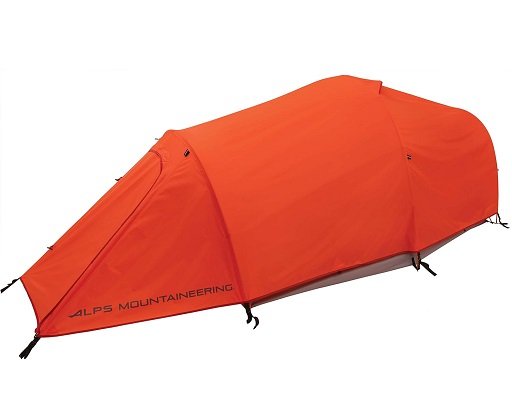 | Check Price |
| The North Face Skirmish 3 | 3-person | 4-season | 9.2 lbs (4.17 kg) | 2000 mm | 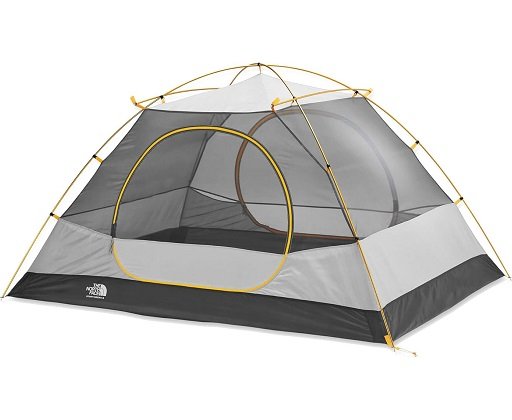 | Check Price |
| Mountain Hardwear Shifter 2 | 2-person | 3-season | 5.0 lbs (2.27 kg) | 1500 mm | 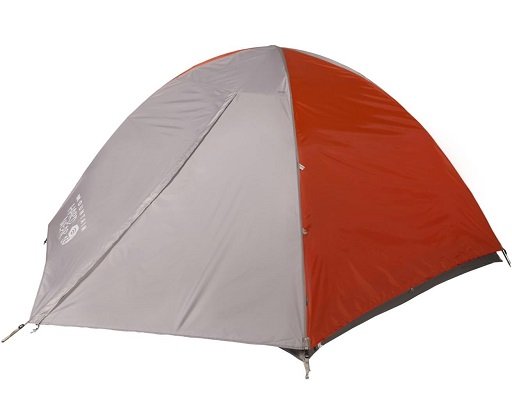 | Check Price |
| GEERTOP 2-Person Ultralight Tent | 2-person | 3-season | 5.7 lbs (2.59 kg) | 3000 mm | 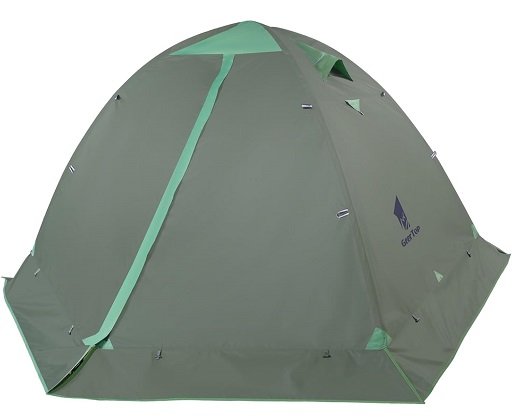 | Check Price |
🏔️ 1. Hilleberg Jannu 2-Person 4-Season Tent
⭐ Tech Specs & Ratings
- Capacity: 2-person
- Season Rating: 4-season
- Packed Weight: 3.2 kg / 7 lbs 1 oz
- Minimum Weight: 2.8 kg / 6 lbs 3 oz
- Inner Tent Area: 3.2 m² / 34.4 ft²
- Vestibule Area: 1.2 m² / 12.9 ft²
- Peak Height: 100 cm / 39 in
- Outer Fabric: Kerlon 1200 (tear strength: 10 kg)
- Waterproof Rating: Fly: 5000 mm / Floor: 15,000 mm
- Poles: 3 x 9 mm aluminum (2 x 368 cm, 1 x 373 cm)
- Setup: Flysheet-first, linked inner/outer
- Freestanding: Yes (vestibule requires staking)
- Star Rating: ★★★★★ (5.0/5)
📝 Description & Field Test Insights
The Hilleberg Jannu 2 is a top-tier, four-season mountaineering tent designed for extreme conditions. Its robust construction features Kerlon 1200 fabric and a three-pole dome design. This will provide exceptional stability against high winds and heavy snow loads. The compact footprint and single vestibule contribute to its relatively low weight.
Its flysheet-first setup design allows for quick and dry pitching in inclement weather, as the inner tent remains protected during assembly. The inner and outer tents are linked, but you can separate them if needed. Its dome construction, with multiple pole-crossing points, ensures excellent snow-load handling capability. The compact size does not compromise interior comfort and provides space for two occupants and their gear. Ventilation is well-managed through adjustable fabric panels backing mesh areas.
You’ll appreciate the Jannu for its durability and ease of setup, even in challenging environments. Its freestanding design is beneficial on rocky or uneven terrain where staking options are limited. Although the tent comes at a premium price, its performance and longevity justify the investment for serious mountaineers.
✅ Pros
- Exceptional stability in severe weather conditions.
- Durable materials: Kerlon 1200 fabric
- Flysheet-first pitching keeps the inner tent dry.
- Suitable for high-altitude expeditions.
- Versatile design
❌ Cons
- Premium pricing is a barrier for some users.
- Limited vestibule space
🏕️ 2. Big Agnes Battle Mountain 2P 4-Season Tent
⭐ Tech Specs & Ratings
- Capacity: 2-person
- Season Rating: 4-season
- Packed Weight: 7 lbs 8 oz (3.41 kg)
- Trail Weight: 6 lbs 10 oz (3.0 kg)
- Floor Area: 31 sq ft (2.8 m²)
- Vestibule Area: 13.5 sq ft (1.25 m²)
- Peak Height: 42 inches (107 cm)
- Packed Size: 6 x 20 inches (15 x 51 cm)
- Poles: DAC NSL aluminum with H Clip connectors
- Waterproof Rating: Fly: 1200 mm / Floor: 10,000 mm
- Star Rating: ★★★★☆ (4.5/5)
📝 Description & Field Test Insights
The Big Agnes Battle Mountain 2 is a robust and reliable shelter designed for mountaineers who demand performance in extreme conditions. Its durable construction and thoughtful features make it a top choice for high-altitude adventures.
One of the most striking aspects of the Battle Mountain 2 is its exceptional stability in high winds. The DAC NSL aluminum poles, combined with a strong pole architecture, ensure that it remains steadfast even in gusty conditions. This was evident during field tests, where the tent withstood harsh winds without any structural compromise .
Ventilation is another area where the Battle Mountain 2 wins. With multiple vents strategically placed, the tent effectively minimizes condensation. The dual-zipper doors offer versatility, allowing for mesh-only ventilation or full closure for complete protection .
The interior space is designed thoughtfully for two occupants. The near-vertical walls and 42-inch peak height provide a spacious feel, and the oversized 3-D bin pockets and included gear loft offer practical storage solutions .
However, the tent’s weight and packed size may be a consideration for those prioritizing ultralight backpacking. At 7 lbs 8 oz, it’s on the heavier side for a two-person tent. Also, while the floor area is adequate, some users might find it slightly limited compared to other models in the same category .
✅ Pros
- Exceptional wind resistance
- Multiple vents and dual-zipper doors
- Oversized pockets and gear loft
- Color-coded, straightforward assembly
- Durable, high-tenacity ripstop fabric
❌ Cons
- Heavier weight
- Limited floor area
🏕️ 3. MSR Remote 2 Expedition Mountaineering Tent
⭐ Tech Specs & Ratings
- Capacity: 2-person
- Season Rating: 4-season
- Packed Weight: 7 lbs 2 oz (3.23 kg)
- Minimum Trail Weight: 6 lbs 11 oz (3.02 kg)
- Floor Area: 33 sq ft (3.1 m²)
- Vestibule Area: 22 sq ft (2.04 m²)
- Peak Height: 44 inches (112 cm)
- Packed Size: 20 x 7 inches (51 x 17 cm)
- Poles: 3 Easton Syclone composite poles
- Canopy Fabric: 40D ripstop nylon with DWR coating
- Floor Fabric: 40D ripstop nylon with 10,000 mm DuraShield polyurethane & DWR
- Rainfly Fabric: 68D ripstop polyester with 1,800 mm polyurethane & DWR
- Number of Doors: 2
- Star Rating: ★★★★☆ (4.5/5)
📝 Description & Field Test Insights
The MSR Remote 2 is best for mountaineers who require a robust shelter capable of withstanding the harshest alpine conditions. Its design focuses on providing a balance between durability, livability, and weather resistance. With its spacious interior, the near-vertical walls, achieved through its unique pole architecture, offer substantial headroom and livable space. The generous vestibule area is noteworthy, providing sufficient space to store gear or even cook during inclement weather.
In terms of weather protection, the Remote 2 performs admirably. Its double-wall construction, combined with a robust rainfly and high bathtub floor, ensures occupants remain dry during heavy precipitation. Its reinforced guy-out points and the use of Easton Syclone poles, which are known for their strength and flexibility, enhance the tent’s ability to withstand strong winds.
Ventilation is addressed through strategically placed vents and mesh panels. While condensation can occur, especially in humid conditions, proper use of the ventilation features mitigates this issue effectively. Setting up the Remote 2 is straightforward, thanks to color-coded pole clips and a logical assembly process. However, attaching the rainfly can be slightly challenging when wearing gloves.
✅ Pros
- Spacious, near-vertical walls
- Robust weather protection
- Large vestibule area with cooking space
- Strong pole structure
- Effective ventilation
❌ Cons
- Rainfly attachment is a bit hard with gloves
- Heavier compared to some other 2-person tents
🏕️ 4. Black Diamond Eldorado Mountaineering Tent
⭐ Tech Specs & Ratings
- Capacity: 2-person
- Season Rating: 4-season
- Packed Weight: 5 lbs 1 oz (2.3 kg)
- Minimum Trail Weight: 4 lbs 8 oz (2.04 kg)
- Floor Area: 30.8 sq ft (2.9 m²)
- Peak Height: 43 inches (109 cm)
- Packed Size: 7 x 19 inches (18 x 48 cm)
- Poles: 2 internal aluminum poles
- Fabric: ToddTex single-wall fabric
- Doors: 1
- Vestibule: Optional (adds 9 sq ft / 0.8 m²)
- Star Rating: ★★★★☆ (4.5/5)
📝 Description & Field Test Insights
The Black Diamond Eldorado Tent is a classic in the mountaineering community, famous for its endurance and performance in extreme conditions. Designed as a two-person, four-season shelter, it offers a balance between weight and strength. Its ToddTex single-wall fabric is waterproof and breathable. The fabric’s durability has been tested over extended periods, with users reporting consistent performance even after 200 days of use .
The design includes two internal aluminum poles, which provide structural integrity while keeping the setup straightforward. The internal pole system allows for pitching in confined spaces, such as rocky ledges or narrow alpine platforms. However, some users have noted that setting up the poles inside the tent can be challenging, especially in windy conditions or while wearing gloves .
Ventilation is addressed through two zippered vents at the peak, a hooded vent over the door, and an additional vent at the bottom. Nonetheless, as with many single-wall tents, condensation can still be an issue in certain conditions .
✅ Pros
- Waterproof and breathable protection
- Suitable for confined alpine campsites
- Freestanding design suitable for various terrains.
- Optional vestibule provides additional storage space
- Proven track record
❌ Cons
- Challenging Setup
- Potential for moisture build-up in certain environments.
🏕️ 5. ALPS Mountaineering Tasmanian 2 Tent
⭐ Tech Specs & Ratings
- Capacity: 2-person
- Season Rating: 4-season
- Packed Weight: 7 lbs 15 oz (3.58 kg)
- Minimum Trail Weight: 7 lbs 14 oz (3.56 kg)
- Floor Area: 34.5 sq ft (3.2 m²)
- Vestibule Area: 13 sq ft (1.2 m²)
- Peak Height: 46 inches (117 cm)
- Packed Size: 21 x 6.5 inches (53 x 17 cm)
- Poles: 7000-series aluminum (8.5 mm)
- Canopy Fabric: 75D 185T polyester
- Floor Fabric: 75D 185T poly taffeta with 5,000 mm coating
- Rainfly Fabric: 75D 185T polyester with 1,500 mm coating
- Number of Doors: 2
- Star Rating: ★★★★☆ (4.5/5)
📝 Description & Field Test Insights
The ALPS Mountaineering Tasmanian 2 is a robust four-season tent that can withstand harsh weather, making it a reliable choice for winter camping and basecamp scenarios. Its sturdy construction and reflective features offer a balance between durability and comfort.
With a peak height of 46 inches, it provides huge headroom to sit up comfortably. The length of 92 inches fits taller individuals, and the two vestibules offer additional storage space for gear, which is useful in cold-weather camping when extra equipment is necessary.
In terms of weather resistance, the Tasmanian 2 performs admirably. The 75D polyester rainfly with a 1,500 mm coating resists UV damage and remains taut, and the 5,000 mm coated floor ensures waterproof protection against melting snow and puddles. During testing, the tent withstood high winds exceeding 40 mph and maintained warmth in temperatures dropping to the mid-teens.
Ventilation is facilitated through dual kickstand vents and zippered mesh windows on both doors, which help manage condensation effectively. However, in warmer conditions, the tent can become stuffy. This indicates that it’s best suited for colder environments.
Setting up the Tasmanian 2 is relatively straightforward with color-coded poles and clips. However, attaching the rainfly can be cumbersome because of the internal pole sleeves, especially in windy conditions.
Although the tent’s weight and packed size are on the heavier side, making it less ideal for minimalist backpacking, it remains a solid value for adventurers looking for an affordable four-season tent that delivers reliable performance in winter conditions.
✅ Pros
- Spacious headroom and length for taller individuals
- Dual vestibules provide additional storage space
- Robust weather resistance
- Dual vents and mesh windows
- Affordable price
❌ Cons
- Less suitable for minimalist backpacking
- Attaching the rainfly can be challenging in windy conditions
🏕️ 6. The North Face Stormbreak 3 Ultralight Tent
⭐ Tech Specs & Ratings
- Capacity: 3-person
- Season Rating: 3-season
- Packed Weight: 6 lbs 10 oz (3.0 kg)
- Minimum Trail Weight: 5 lbs 15 oz (2.69 kg)
- Floor Area: 39.72 sq ft (3.69 m²)
- Peak Height: 46 inches (117 cm)
- Packed Size: 8 x 22 inches (20.3 x 55.9 cm)
- Poles: Aluminum
- Canopy Fabric: 75D polyester taffeta
- Floor Fabric: 68D polyester, 3000 mm PU coating
- Rainfly Fabric: 75D polyester, 1200 mm PU coating
- Mesh: 40D polyester mesh
- Number of Doors: 2
- Vestibule Area: 10.83 sq ft (1.01 m²)
- Star Rating: ★★★★☆ (4.5/5)
📝 Description & Field Test Insights
The North Face Stormbreak 3 is a versatile and budget-friendly option for campers looking for a reliable shelter for three-season adventures. Its dome-style design offers adequate headroom and a spacious interior, comfortably housing three occupants. The tent features two large doors and vestibules.
The tent’s fully seam-taped canopy and floor enhance durability and waterproofing. High-low ventilation promotes optimal airflow. This will reduce condensation and maintain a comfortable interior environment.
Although the Stormbreak 3 excels in many areas, it’s important to note that it is a three-season tent and may not be suitable for extreme winter conditions. Also, some users have reported that the rainfly lacks vents, which can lead to condensation buildup in humid environments.
Overall, the North Face Stormbreak 3 offers a balance of comfort and affordability, making it a solid choice for casual campers and backpackers embarking on spring, summer, or fall trips.
✅ Pros
- Spacious interior for three occupants
- Dual doors and vestibules
- Intuitive design simplifies pitching
- Durable construction with fully seam-taped canopy
- Effective ventilation systems for different seasons
❌ Cons
- Not designed for harsh winter conditions.
- Lack of vents lead to condensation in humid environments
🏕️ 7. Mountain Hardwear Shifter 2 Tent
⭐ Tech Specs & Ratings
- Capacity: 2-person
- Season Rating: 3-season
- Packed Weight: 5 lbs 12 oz (2.61 kg)
- Minimum Trail Weight: 4 lbs 14 oz (2.21 kg)
- Fast-Pitch Weight: 3 lbs 4 oz (1.48 kg)
- Floor Area: 33 sq ft (3.07 m²)
- Vestibule Area: 9 + 11 sq ft (0.84 + 1.02 m²)
- Peak Height: 46 inches (117 cm)
- Packed Size: 25 x 7 inches (64 x 18 cm)
- Poles: 2 DAC Pressfit aluminum poles
- Fabric: 68D ripstop polyester canopy; 70D nylon taffeta floor with 3,000mm PU coating; 75D polyester taffeta fly with 1,500mm PU coating
- Doors: 2
- Vestibules: 2
- Star Rating: ★★★★☆ (4.5/5)
📝 Description & Field Test Insights
The Mountain Hardwear Shifter 2 Tent is a functional and innovative shelter designed for backpackers looking for adaptability and comfort in a 3-season tent. Its unique “switch-pitching” design allows users to configure the rainfly in multiple ways. You’ll appreciate its dual-vestibule setup. The front vestibule provides a spacious area for gear storage or cooking in inclement weather, while the rear vestibule offers additional storage space.
The construction emphasizes durability and weather resistance. With fully taped seams, welded corners, and a robust DAC Pressfit pole system, the Shifter 2 has proven its ability to withstand heavy rain and moderate winds during field tests.
Ventilation is another area where the Shifter 2 wins. The combination of mesh and solid canopy materials, along with the adjustable rainfly, allows for excellent airflow. Although the Shifter 2 is not the lightest option available, its balance of comfort and versatility makes it a compelling choice for backpackers who prioritize adaptability in varying conditions.
In terms of interior space, the tent offers a comfortable living area for two occupants. The 46-inch peak height provides sufficient headroom for sitting up, and the included gear loft and mesh storage pockets help keep the interior organized.
✅ Pros
- Versatile rainfly configuration
- Huge gear storage space for both occupants.
- Fully taped seams and welded corners
- Excellent airflow for hot weather
- Comes with a gear loft and footprint
❌ Cons
- Not the most lightweight option for long-distance backpacking
- Limited cold weather use
🏕️ 8. GEERTOP 2P Ultralight Mountaineering Tent
⭐ Tech Specs & Ratings
- Capacity: 2-person
- Season Rating: 3-season
- Packed Weight: 3 lbs 4 oz (1.47 kg)
- Minimum Trail Weight: 2 lbs 9 oz (1.16 kg)
- Floor Area: 33.5 sq ft (3.11 m²)
- Peak Height: 43.3 inches (110 cm)
- Packed Size: 15.7 x 5.9 inches (40 x 15 cm)
- Poles: 7001 aluminum poles
- Fabric: 20D ripstop nylon canopy; 210T polyester floor with 3000mm PU coating; 20D silicone-coated nylon rainfly
- Doors: 1
- Vestibule Area: 8.5 sq ft (0.79 m²)
- Star Rating: ★★★★★ (5/5)
📝 Description & Field Test Insights
The GEERTOP 2-Person Ultralight Tent is a top choice for lightweight backpacking fanatics who value simplicity and packability without compromising stability or weather resistance. Weighing in at just 2 lbs 9 oz (1.16 kg) for the minimum trail weight, it is one of the lightest 2-person tents available. Perfect for those who need to shave weight from their gear while maintaining enough space to stay comfortable on the trail.
Setting up this tent is simple, with its single-door design and quick-pitch aluminum poles. The tent has been field-tested in a variety of conditions and performed exceptionally well in light rain and moderate winds. The high-quality nylon fabric, combined with the 3000mm waterproof rating of the floor, ensures you stay dry during unexpected downpours.
The 33.5 sq ft of floor space, while not the largest, offers enough room for two hikers and their gear, with the added benefit of the vestibule providing an extra 8.5 sq ft of storage space. It’s worth noting, however, that taller users find the 43.3-inch peak height a bit limiting for sitting up comfortably for extended periods.
Where the GEERTOP 2-Person Ultralight Tent truly shines is its versatility for solo and duo backpackers who focus on keeping their pack weight minimal while still securing enough shelter for 3-season use. The simple design minimizes weight but offers a solid defense against harsh weather. The low profile also helps it shed wind efficiently in more exposed areas.
However, this tent isn’t ideal for extreme winter conditions or rough terrain, but for general backpacking and hiking in mild conditions, it offers exceptional value for the price.
✅ Pros
- Small and lightweight
- Easily fits in your pack, saving space
- Excellent waterproofing
- Easy to pitch with minimal components and instructions
- Most cost-effective ultralight tent
❌ Cons
- Limited Headroom
- Accessing the tent is less convenient for two people
How to Choose the Best Tents for Mountaineering (2026’s Buyers Guide)
As we look into 2026, here’s your comprehensive guide to making a moral decision when buying a mountaineering tent.
Understand the Tent’s Season Rating
The season rating of a tent tells you the kind of weather and conditions it’s built for. The most common categories are:
- 2-Season Tents: Designed for mild weather, usually suitable only for summer conditions.
- 3-Season Tents: Built for spring, summer, and fall, they can handle light snow and rain but are not ideal for extreme conditions.
- 4-Season Tents: These are best for winter mountaineering. They offer more robust poles and stronger materials to withstand heavy snow and fierce winds.
Consider the Tent’s Weight
For mountaineering, weight is everything. You want a tent that offers strength and protection but is also light enough to carry through grueling hikes and climbs. Pay attention to the following:
- Solo Tents: These tents are lighter, ranging from 2 to 3 pounds, making them suitable for those who prefer traveling light.
- 2-Person Tents: These usually range from 3 to 6 pounds. They offer more space but add a bit of weight.
- 4-Person and Larger Tents: used for base camps, these can be much heavier and less suited for those who need to carry their shelter.
When selecting a tent, balance the weight with the features it offers. Ultra-light tents are a popular choice in 2026, but they often compromise on comfort and durability.
Evaluate Durability and Materials
Mountaineering tents must stand up to harsh conditions. Look for tents made with high-quality materials. Nylon or polyester fabrics are light but strong, resistant to tears and abrasions. Silicone or PU coatings add water resistance to fabric. Aluminum poles are lighter and stronger than fiberglass, they are ideal for withstanding wind and snow load.
Wind Resistance and Stability
Mountains are known for unpredictable and harsh winds. Your tent must stand strong in these conditions. The tent’s pole structure and material thickness will determine its wind resistance.
Geodesic or dome-shaped tents are more stable in high winds because their shape distributes the pressure evenly. Tunnel tents are often lighter, but can be less stable unless properly guyed out in windy conditions. Choose a tent that has reinforced corners and strong guy lines for added wind resistance.
Ease of Setup
Mountaineering can be challenging enough without struggling to pitch your tent, especially after a long day of hiking or climbing. Look for tents that offer:
- Simple Pole Systems: Ideally color-coded or pre-bent for easy setup.
- Quick-Deploy Features: Some tents come with a pop-up or freestanding frame system.
- Single vs. Double Doors: Having dual doors can make entry and exit more efficient, especially when sharing a tent with another person.
Weather Protection
One of the most critical features of mountaineering tents is weather protection. A minimum of 3000mm waterproof rating for the rainfly and 5000mm for the floor is essential to keep you dry in heavy rain or snow. Proper ventilation reduces condensation buildup inside the tent. Look for tents with adjustable vents and mesh panels that allow airflow while still protecting you from harsh weather. Snow slaps and storm protection ensure that the tent has storm flaps that cover the zippers to keep out snow and rain.
Space and Comfort
Mountaineering tents are compact, but you still need enough space for sleeping and storing gear. Ensure that the tent has enough space for two people and their gear. A 2-person tent should offer at least 30-35 sq ft of floor space. Vestibule areas outside the main tent provide extra storage for wet gear, boots, and packs.
Ventilation
Condensation inside a tent is a big concern in mountaineering, as the moisture can reduce the warmth of your shelter. Ventilation is key to preventing this. Look for tents with multiple vents, mesh panels, and weatherproof vents.
Conclusion
Choosing the right tent for mountaineering in 2026 involves balancing weight, persistence, weather protection, and comfort. A 4-season tent made from high-quality materials, with a robust pole system and superior waterproofing, will serve you well in the toughest conditions. Pay attention to your specific needs—whether it’s weight savings for a solo hike or durability for a group expedition—and choose accordingly.
FAQs: Best Tents for Mountaineering
How do I know if a mountaineering tent is right for alpine conditions?
For alpine conditions, your tent needs to withstand extreme temperatures, heavy snowfall, and high winds. Look for a 4-season tent designed specifically for harsh weather, with a reinforced frame and a robust rainfly. Check the wind resistance, its ability to shed snow, and if it features storm flaps or internal snow skirts to prevent heat loss and water infiltration.
Can a 3-season tent handle winter conditions?
Although some 3-season tents are durable enough for mild winter use, they cannot withstand severe winter conditions like heavy snow accumulation or extreme winds. For winter mountaineering, 4-season tents cope with these conditions and offer extra protection against cold and snow.
What is the difference between single-wall and double-wall tents for mountaineering?
- Single-Wall Tents: These tents have one layer of fabric that serves both the outer shell and inner liner. They are lighter and easier to set up but suffer from condensation issues, especially in humid conditions.
- Double-Wall Tents: These have two layers—an outer waterproof layer and an inner breathable mesh or fabric liner. Double-wall tents offer better ventilation, and they are better for long-term use in cold or wet conditions.
For mountaineering, double-wall tents are often the preferred choice because of their improved ventilation and overall weather resistance.
How much headroom should I expect in a mountaineering tent?
For comfort, try to choose a tent with at least 36-40 inches of peak height for a 2-person tent. This gives enough space for sitting up comfortably, but still keeps the tent lightweight and aerodynamic. Some tents also feature tapered walls to maximize internal space.
Can I use a mountaineering tent for backpacking or hiking trips?
Absolutely! Many 4-season tents designed for mountaineering are versatile enough for backpacking and hiking trips, especially those that may encounter rugged conditions or fluctuating weather. However, if your hikes are shorter or in more moderate conditions, a 3-season tent is more suitable, as it will be lighter and easier to carry.
How do I deal with condensation inside a mountaineering tent?
To reduce condensation inside your tent, make sure the tent is well-ventilated and avoid having wet gear inside. Some tents have advanced ventilation systems or mesh panels to allow airflow. Also, choose a tent with an effective rainfly and a good-quality groundsheet to limit moisture buildup.
What should I do if my mountaineering tent gets damaged while on a trip?
It’s essential to carry a tent repair kit with you on mountaineering trips. Most kits include patches, adhesive, and tools to fix small holes or tears in the tent’s fabric. If you have a broken pole, look for a pole splint or a spare pole. If the damage is significant and you can’t repair it in the field, consider seeking shelter in a safer area or in a group tent until you can fully assess the situation.
Do I need a tent footprint for mountaineering?
Although tent footprints are not always necessary, they are highly recommended for mountaineering as they protect your tent floor from rough terrain, snow, and moisture. Footprints are useful in wet or snowy conditions, as they help prevent water from seeping into your tent’s floor and enhance its overall durability.