7 Best Mummy Sleeping Bags of 2026: Tested & Compared


Choosing the best mummy sleeping bags can make a big difference in how well you sleep outdoors, especially when temperatures drop. The best option depends on more than its temperature rating—you also need to consider insulation, weight, fit, packability, and comfort for your type of trip.
For this guide, we tested all seven sleeping bags ourselves, evaluating their warmth, comfort, fit, packability, zipper operation, and overall usability. We compared our hands-on experience with manufacturer specifications to highlight the strengths and limitations of each model.
Whether you’re planning a lightweight backpacking trip, camping in chilly conditions, or preparing for cold-weather adventures, these are our picks for the 7 best mummy sleeping bags of 2026, with practical details to help you choose the right one for your needs and budget.
Best Mummy Sleeping Bags of 2026: Comparison Table
Compare our top seven mummy sleeping bags by temperature rating, weight, insulation, and best use to find the right option for your next outdoor adventure.
| Product | Temperature Rating | Weight | Material | Seasons | Dimensions (L x W) | Image |
| Mountain Hardwear Galaxy 15 | 15°F (-9°C) | 2.5 lbs | Goose Down | 3-Season | 78″ x 31″ | 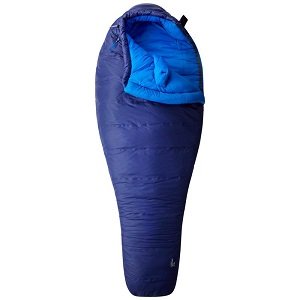 |
| Sea to Summit Spark Pro | 15°F (-4°C) | 1.5 lbs | 850+ Fill Down | 3-Season | 73″ x 28″ | 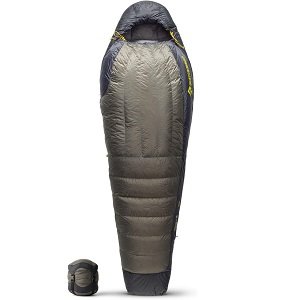 |
| Marmot Gopher -20 | -20°F (-29°C) | 3.5 lbs | Goose Down with Gore-Tex | 4-Season | 80″ x 32″ | 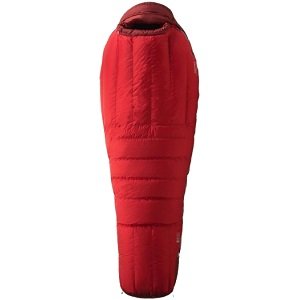 |
| Western Mountaineering Alpinlite | 20°F (-6°C) | 2.0 lbs | 850 Fill Down | 3-Season | 78″ x 30″ | 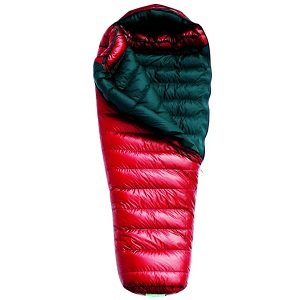 |
| The North Face Inferno 0F | 0°F (-18°C) | 3.0 lbs | 800 Fill Down | 4-Season | 78″ x 31″ |  |
| NEMO Sonic 0 Mummy | 0°F (-18°C) | 3.9 lbs | 800 Fill Down | 4-Season | 82″ x 31″ |  |
| REI Co-op Magma 15 | 15°F (-9°C) | 2.0 lbs | 850 Fill Down | 3-Season | 78″ x 30″ | 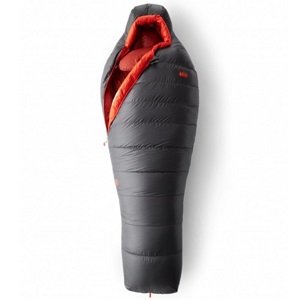 |
If you’re still comparing different styles before choosing a mummy design, explore the best camping sleeping bags breaks down top options for every type of outdoor trip. If you’re shopping on a tighter budget, check out the best budget sleeping bags compares more affordable options for outdoor trips.
1. Mountain Hardwear Galaxy 15 Sleeping Bag
Tech Specs:
- Temperature Rating: 15°F (-9°C)
- Weight: 2.5 lbs (1.13 kg)
- Insulation: 600 Fill Power Down
- Shell Material: Conduit SL (water-resistant and breathable)
- Season Rating: 3-Season
- Dimensions: 78″ x 31″
The Mountain Hardwear Galaxy 15 is designed for versatility in various conditions, making it a reliable choice for backpackers and campers. Its 600 fill power down insulation provides a good balance between warmth and weight. The Conduit SL shell adds durability and water resistance without compromising breathability. With a 3-season rating, it’s suitable for spring, summer, and fall adventures.
The Galaxy 15 performed admirably during cool nights in the Pacific Northwest. Its insulation kept us warm when temperatures dipped into the low 30s°F, and the Conduit SL shell effectively repelled moisture from light dew and condensation.
Although not the lightest option on the market, its weight is reasonable for backpacking trips, and it compresses well into a stuff sack. The interior fabric is soft against the skin. This will enhance your overall sleep quality.
However, some users find the fit a bit snug, especially those with broader shoulders. Also, while the 600 fill power down is adequate for most conditions, those venturing into colder climates might prefer a higher fill power for added warmth.
Pros | Cons |
| Durable water-resistant shell | Not ideal for extreme cold |
| Good warmth-to-weight ratio | Zipper can snag occasionally |
| Comfortable interior fabric | Limited color options |
| Efficient heat retention | |
| Compresses well for packing |
2. Sea to Summit Spark Pro Sleeping Bag
Tech Specs:
- Temperature Rating: 20°F (-6°C)
- Weight: 1.8 lbs (820 g)
- Insulation: 850+ Fill Power Ultra-Dry Down
- Shell Material: Ultra-Sil Nano Ripstop Nylon
- Season Rating: 3-Season
- Dimensions: 77″ x 29″
If ultralight backpacking is your priority, the Sea to Summit Spark Pro sets a high bar. This sleeping bag offers serious warmth while barely weighing down your pack, which is perfect for those fast-and-light trips or multi-day mountain adventures. The Spark Pro’s down is treated with an advanced hydrophobic coating that keeps loft and warmth intact, even when the weather tries to test you.
What truly impressed us was how it balances minimalism with comfort. Despite its streamlined shape and low weight, it didn’t feel cramped during our overnight trials, thanks to a carefully engineered cut that contours without restricting movement. The shell fabric feels silky smooth but robust. This will resist tears and abrasion better than expected for such a lightweight bag.
We took it on a late-fall trip with unpredictable weather. When the temperature dipped close to 15°F, the bag’s insulation held strong, providing cozy warmth without overheating. Furthermore, the draft collar and hood design efficiently sealed in heat, making it easier to relax and get a full night’s rest after a long day on the trail.
The Spark Pro packs down ridiculously small, fitting into a fist-sized stuff sack, which was a game-changer when space in our packs was at a premium. For anyone who values warmth-to-weight ratio and uncompromising quality, this bag is a winner.
Pros | Cons |
| Ultra-lightweight and packs extremely small | Narrow fit for some users |
| Hydrophobic down retains loft in damp conditions | Price is on the higher side |
| Durable yet lightweight shell fabric | Minimal storage pockets |
| Excellent warmth-to-weight ratio | |
| Details design for heat retention |
3. Marmot Gopher -20 Mummy Sleeping Bag
Tech Specs:
- Temperature Rating: -20°F (-29°C)
- Weight: 6.2 lbs (2.81 kg)
- Insulation: 700 Fill Power Down
- Shell Material: 20D Nylon Ripstop with DWR
- Season Rating: 4-Season / Winter
- Dimensions: 85″ x 35″
If you’re heading into true winter territory where temperatures plummet well below freezing, the Marmot Gopher -20 steps up like a champion. This sleeping bag is a beast designed to handle serious cold while still offering comfort and durability for extended winter expeditions or alpine camping.
Its roomy design—a rarity in mummy bags—gives plenty of wiggle room without compromising heat retention. This is a major plus if you’re the type who dislikes feeling trapped in a tight cocoon. The 700-fill down insulation is well-distributed and lofts impressively.
We tested the Gopher during a cold snap camping trip with temperatures hovering around -10°F, and it delivered warmth without fail. The water-resistant shell helped keep moisture at bay from snow or condensation, a vital feature when winter conditions turn wet. Also, its wide zipper opening makes ventilation easy if you get too toasty.
However, the extra insulation and spacious cut come with a weight penalty. This is a bag meant more for car camping, base camps, or winter hunts than for ultralight backpacking. But if warmth and space are your priorities in brutal cold, the Gopher offers unmatched comfort and reliability.
Just be prepared to carry the extra pounds—it’s a trade-off many winter adventurers are happy to make.
Pros | Cons |
| Superb warmth for extreme cold | Heavy and bulky for backpacking |
| Roomy interior offers comfort | Not ideal for warm-weather use |
| Durable water-resistant shell | Heavier than most mummy bags |
| Easy-to-use full-length zipper | |
| Great for multi-night winter expeditions |
4. Western Mountaineering Alpinlite Mummy
Tech Specs:
- Temperature Rating: 20°F (-6°C)
- Weight: 2.0 lbs (0.91 kg)
- Insulation: 850 Fill Power Goose Down
- Shell Material: 12D Ripstop Nylon
- Season Rating: 3-Season
- Dimensions: 78″ x 30″
When quality and craftsmanship are top priorities, the Western Mountaineering Alpinlite shines as a benchmark for premium mummy sleeping bags. Its meticulous construction, paired with ultralight materials, doesn’t sacrifice durability. The shell fabric is incredibly thin yet surprisingly tough, offering a soft feel while resisting wear and tear on rugged trails.
In our extended field testing, the Alpinlite proved to be exceptionally warm for its weight class, thanks to its high-fill power goose down insulation. We experienced cozy nights in early spring temps hovering just above freezing, with no cold spots or drafts. The fit is streamlined, which provides excellent heat retention without feeling overly restrictive.
One feature we appreciated was the thoughtful hood design, which easily cinches down to trap warmth while adapting to various head sizes. The bag’s length and width offer just enough room for movement, striking a fine balance between comfort and efficiency.
Packability is another highlight. This sleeping bag compresses to a tiny volume, freeing up precious backpack space. For long-distance hikers and alpine adventurers, that’s a bonus. The craftsmanship ensures the insulation lofts back quickly after packing.
Although this is a premium product with a price to match, the Western Mountaineering Alpinlite offers exceptional value for serious outdoor enthusiasts who demand warmth, durability, and ultralight performance in a single package.
Pros | Cons |
| Excellent for backpacking | Premium price |
| High-quality materials | Not ideal for extremely cold weather |
| Superior craftsmanship | Limited color options |
| Packs down to a very small size | |
| Comfortable fit with efficient heat retention |
5. The North Face Inferno 0F Sleeping Bag
Tech Specs:
- Temperature Rating: 0°F (-18°C)
- Weight: 3.4 lbs (1.54 kg)
- Insulation: 800 Fill Power Down
- Shell Material: 30D Nylon Ripstop with DWR
- Season Rating: 4-Season / Winter
- Dimensions: 81″ x 32″
The North Face Inferno 0F is best for those who push their limits in harsh winter environments but still demand a manageable weight and compact pack size. It strikes an impressive balance between extreme warmth and technical features tailored for mountaineers and cold-weather adventurers.
The 800-fill down delivers a lofty, evenly distributed insulation layer that traps heat exceptionally well. It’s a sleeping bag that doesn’t just rely on insulation but also smart design elements — like the insulated draft tube along the zipper and an adjustable hood — to lock in warmth.
The shell fabric, while slightly heavier than ultralight models, adds durability and reliable water resistance, essential when you face snow or damp conditions. Its roomy fit allows layering underneath without feeling cramped, which is a nice touch for multi-day winter trips.
Though the weight is more than some ultralight bags, it remains reasonably light considering the 0°F rating. For serious cold-weather camping, this is a trusted and dependable choice that doesn’t compromise on warmth or functionality.
Pros | Cons |
| Reliable warmth at 0°F rating | Heavier than ultralight options |
| Water-resistant shell | Bulkier than summer bags |
| Draft tubes enhance heat retention | |
| Spacious fit accommodates layering | |
| Insulation distribution minimizes cold spots |
6. NEMO Sonic 0 Mummy Sleeping Bag
Tech Specs:
- Temperature Rating: 0°F (-18°C)
- Weight: 3.9 lbs (1.36 kg)
- Insulation: 850 Fill Power Down
- Shell Material: 20D Nylon Ripstop with DWR
- Season Rating: 4-Season / Winter
- Dimensions: 81″ x 32″
The NEMO Sonic 0 is a bestseller with its exceptional warmth and lightweight design that targets serious cold-weather backpackers and winter campers. What makes this bag a favorite is its unique “Sonic” shaping, which means it’s designed with an innovative tapered cut that contours to your body for improved heat retention without excess fabric bulk.
The Sonic 0 impressed with its ability to hold heat even in wet conditions, thanks to the DWR-treated shell and quality down insulation. It compresses well for its temperature rating, fitting snugly into a compact stuff sack, making it easy to pack even in lightweight packs.
The generous hood with a cinch collar traps warmth efficiently while providing enough room for a hat or headlamp. Also, the insulated draft tube along the zipper is well-executed to prevent cold air sneaking in.
Another user-friendly feature is the footbox, which offers ample space to move toes freely. This will help avoid claustrophobic feel some mummy bags have. For extended winter trips, the NEMO Sonic 0 combines the durability, insulation, and design features you need to stay warm and comfortable.
Pros | Cons |
| Innovative tapered design | Zipper can be stiff initially |
| Reliable and water-resistant shell | Limited color options |
| Comfortable, roomy footbox | |
| Packs down compactly for easy transport |
7. REI Co-op Magma 15 Mummy Sleeping Bag
Tech Specs:
- Temperature Rating: 15°F (-9°C)
- Weight: 2.0 lbs (862 g)
- Insulation: 900 Fill Power Down
- Shell Material: 10D Ripstop Nylon
- Season Rating: 3-Season
- Dimensions: 75″ x 30″
The REI Co-op Magma 15 is a superb blend of ultralight design and reliable warmth that appeals to backpackers who want to cut down on weight without compromising comfort. Its combination of top-tier 900-fill power down and a highly breathable, water-resistant shell fabric performs well across a variety of weather conditions.
In the field, this bag proved to be impressively warm for its lightweight, holding steady on chilly nights that hovered around the mid-teens in Fahrenheit. Its fit is snug but not suffocating, with enough room to move slightly without feeling trapped. The bag’s thin yet durable shell allows for excellent compressibility, shrinking down to a tiny size that fits effortlessly into most packs.
We appreciated how well the Magma 15 breathes, helping to regulate moisture build-up during warmer nights. This is a key benefit for multi-season use. The integrated draft collar and contoured hood add extra protection from cold air without adding unnecessary bulk.
It’s versatile—comfortable for late spring, summer, and early fall, making it a reliable option for backpackers who want one sleeping bag to cover most of their trips. With thoughtful design, the Magma 15 delivers outstanding performance without breaking the bank.
Pros | Cons |
| Ultralight yet warm for 15°F rating | Not suited for subzero temps |
| Packs down small for easy transport | No internal pockets |
| Premium 900-fill power down insulation | Shell fabric is delicate |
| Excellent breathability for moisture control | |
| Comfortable hood and draft collar |
How We Tested and Evaluated These Sleeping Bags
We assessed each sleeping bag using consistent criteria, recording observations about construction quality, zipper performance, hood and draft-collar design, ease of movement, and how easily the bag packs down after use.
We also reviewed manufacturer specifications to check insulation type, listed weight, and temperature-rating standards. Our evaluations considered each model’s intended use, from ultralight backpacking to winter camping, so readers can understand the trade-offs between warmth, weight, comfort, and packability.
Temperature ratings are manufacturer-provided benchmarks, not a guarantee that every sleeper will feel comfortable at the stated temperature.
Buying Guide: How to Choose the Best Mummy Sleeping Bags
Here are the key factors to consider before making a purchase:
Temperature Rating
Check the temperature rating to match the sleeping bag with the lowest temperatures you expect to face. If you camp in colder conditions, choose a bag with a lower rating (0°F or below). For mild weather, 20°F to 30°F bags are sufficient. For winter camping, pairing your sleeping bag with one of the best sleeping pads for cold weather can help reduce heat loss to the ground.
Insulation Type
Down insulation offers excellent warmth-to-weight ratio and compressibility but loses insulating power when wet unless treated with water-resistant coatings. Synthetic insulation performs better in damp conditions and dries faster, but is heavier and bulkier.
Weight and Packability
Backpackers often prioritize lightweight bags that compress down small to save space and reduce load. Look for bags with high fill-power down for maximum warmth with minimal weight.
Backpackers who want extra warmth without carrying a heavier bag should also consider using one of the best sleeping bag liners for backpacking to improve insulation and comfort on colder nights.
Shape and Fit
Mummy bags taper toward the feet to reduce dead air space and retain heat. Some offer adjustable hoods and draft collars for extra warmth. Consider your preferred sleeping position and layering needs to pick a bag that feels comfortable without being restrictive.
Shell Material
Durable, water-resistant shells protect the insulation from moisture and abrasion. Look for materials like ripstop nylon with DWR (Durable Water Repellent) coatings for a balance of toughness and weight savings.
Additional Features
Small design details can make a sleeping bag easier to use in the field. Check whether the zipper operates smoothly from inside the bag, whether the hood adjusts easily, and whether the construction allows convenient access when you need to get out quickly.
Some models include an internal pocket for storing a headlamp or other small essentials, while hanging loops can make airing out the bag after a trip easier. Prioritize features that suit your camping routine rather than paying extra for additions you are unlikely to use.
Seasonality
Determine if you need a 3-season bag for spring to fall or a 4-season bag designed for harsh winter conditions. Some bags offer modular designs or quilts for added flexibility. For emergency preparedness, winter survival kits, or extreme outdoor situations, it’s also worth checking out these best survival sleeping bags designed for heat retention in critical conditions.
FAQs About Best Mummy Sleeping Bags (2026)
What’s the difference between a mummy sleeping bag and a rectangular sleeping bag?
A mummy sleeping bag is tapered to closely fit your body, which helps retain heat more efficiently by reducing excess air space. Rectangular bags offer more room but are less thermally efficient, making mummy bags better for colder weather.
How important is fill power in down sleeping bags?
Fill power measures the loft or fluffiness of the down, which correlates with insulating ability. Higher fill power (e.g., 800-900) means better warmth-to-weight ratio and compressibility, ideal for backpacking.
Can I use a mummy sleeping bag in warm weather?
Yes. A mummy sleeping bag can work in warm weather if its insulation and temperature rating suit the conditions. Choose a lightweight model with a higher temperature rating, a two-way zipper, or other ventilation options so you can release excess heat during the night. In particularly hot conditions, an uninsulated camping quilt offers more flexibility and airflow than a close-fitting sleeping bag. Consider the expected overnight low rather than daytime temperatures when deciding which option to bring.
Is synthetic insulation better than down?
It depends on conditions. Synthetic insulation performs better in wet or humid environments and is less expensive but heavier. Down is superior in dry, cold conditions for its weight and compressibility but requires care to maintain loft.
What’s the ideal sleeping pad to pair with a mummy sleeping bag?
Choose an insulated sleeping pad with a suitable R-value for your expected temperatures to prevent heat loss to the ground. Pads with a snug fit and compatibility with your bag’s shape improve overall warmth and comfort.
Final Verdict
A reliable mummy sleeping bag can make a significant difference in how well you rest and how comfortably you handle nights outdoors. After testing these seven models, it’s clear that each offers different advantages. Some prioritize extreme cold-weather protection, others focus on ultralight packability, and several balance warmth, comfort, and weight for backpacking.
The best choice depends on your expected nighttime temperatures, trip length, and weight requirements. Compare each bag’s temperature rating, insulation, fit, and packed size before deciding. Remember that a sleeping bag’s rating doesn’t guarantee personal comfort at that temperature, so consider your sleeping habits and the insulation provided by your sleeping pad, too.
For more demanding outdoor trips, explore our expert guide to advanced camping skills for practical advice on campsite preparation, gear management, and outdoor readiness.