Therm-A-Rest ProLite Plus Review (2026): Still Worth Buying for Backpacking?

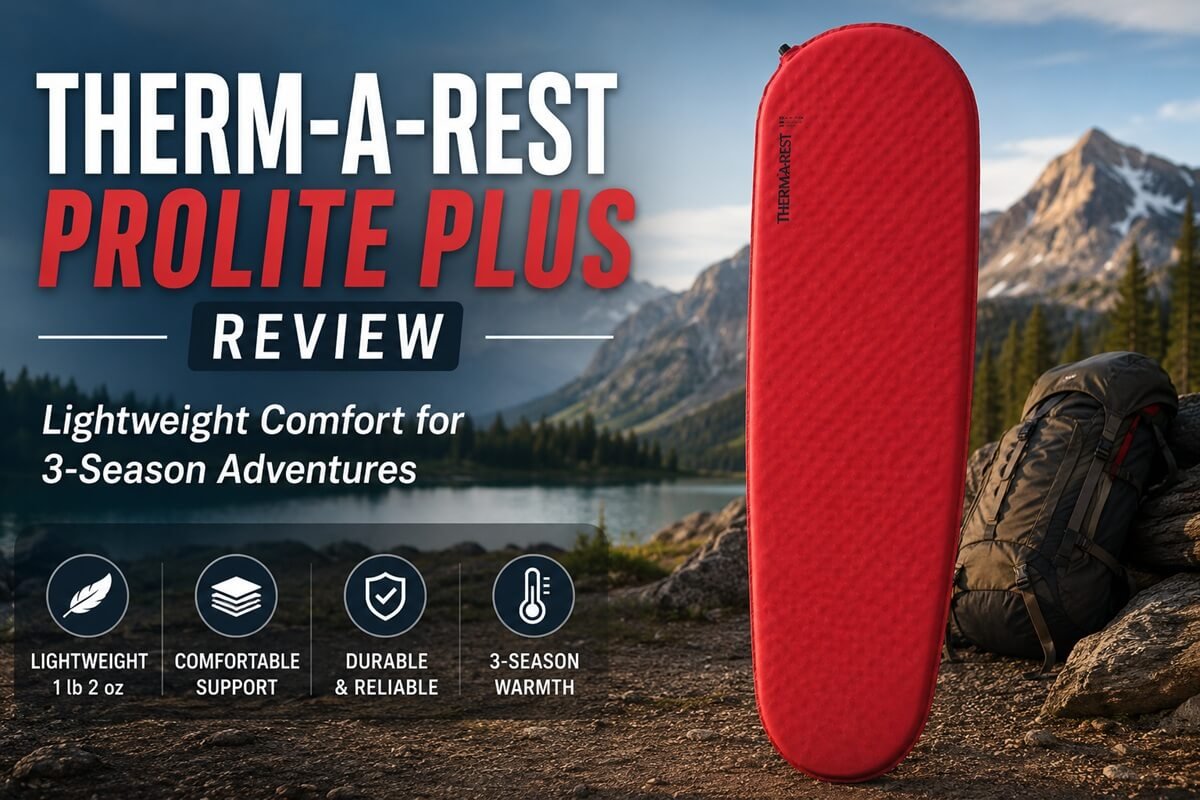
On a trek, where daytime walking can be exhausting, the ability to rest properly during the night becomes crucial. In this context, having a mattress or sleeping pad that provides comfort while staying lightweight and compact in your backpack is essential.
During a three-day backpacking trip covering approximately 40 miles with overnight temperatures around 38°F (3°C), I used the ProLite Plus on rocky campsites and compact forest soil. The pad packed easily inside my 50L Osprey Rook backpack and remained comfortable after three nights of continuous use.
The Therm-a-Rest Prolite Plus self-inflating mattress gave me that and so I wanted to share it with you. This sleeping pad is the first one I’ve had the opportunity to review, and it appears to come highly recommended by various YouTubers and other sources.
Therm-A-Rest ProLite Plus Review
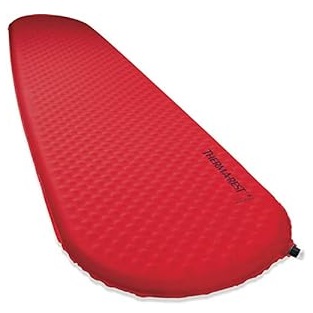
Technical Description:
- Weight: 760 grams
- Materials: 100% polyester (outside), Atmos foam (inside)
- Insulation: R-value 3.4
- Folded dimensions: 11 x 6.8 inches
- Inflated dimensions: 72 inches long x 20 x 1.5 inches thick
- Product Care Instructions: Hand Wash Only
⛺ Field Performance Rating:
Pros
- Compact and light
- Good sleeping comfort
- Excellent insulating power
- Perfect for backpacking
- Comes with a stuff sack and instructions
Cons
- Not suitable for winter
- Pretty much thin
During my three-day Tour of Mount Tabor, where I was entirely self-sufficient, I required a sleeping pad that offered minimal bulk and weight without compromising on comfort… Is that asking for the moon?
After much research, I opted for the Therm-a-Rest Prolite Plus self-inflating sleeping pad. With its 760g, the weight is relatively light, and above all the compression in its cover is quite remarkable (nothing to do with my old camping mattress!). As a result, it fits very easily in the sleep pocket of my backpack besides my sleeping bag, which saves a lot of space! It is also very easy to deflate it and roll it up compressed in its storage bag.
Is It Really Self-Inflating?
To be honest, I had no great illusions at this level, but it disappointed me all the same. In fact, it is not self-inflating at all! The first time, out of its packaging, I waited 20 minutes for the foam to swell, and… nothing! Suddenly, it was me that it swelled and I blew in the mouth.
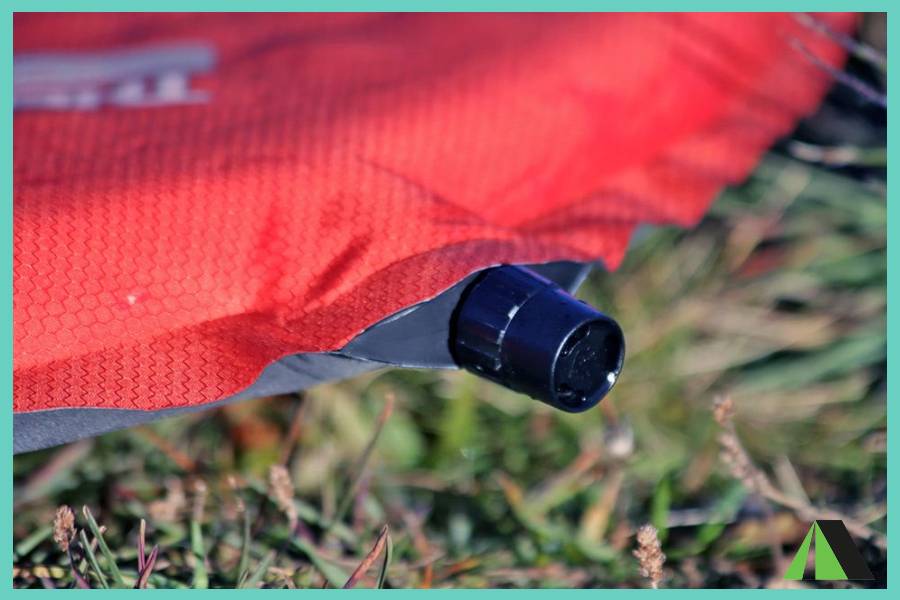
Since then, by dint of using it, it’s true that it self-inflates in a few minutes. You just need to blow a little to give the sleeping pad the desired volume. I had read on the forums that it should not be done (introduction of humidity inside) but the Therm-a-Rest user manual says to do so, so…
Insulation & Comfort
I had hesitated with the standard Prolite model with its thickness of 1 inch and its lighter weight of 100 g but even if it means putting almost 100 dollars in a mattress, you might as well be good! Especially if you walk for several days. And then, it isolates less well which makes it less versatile.
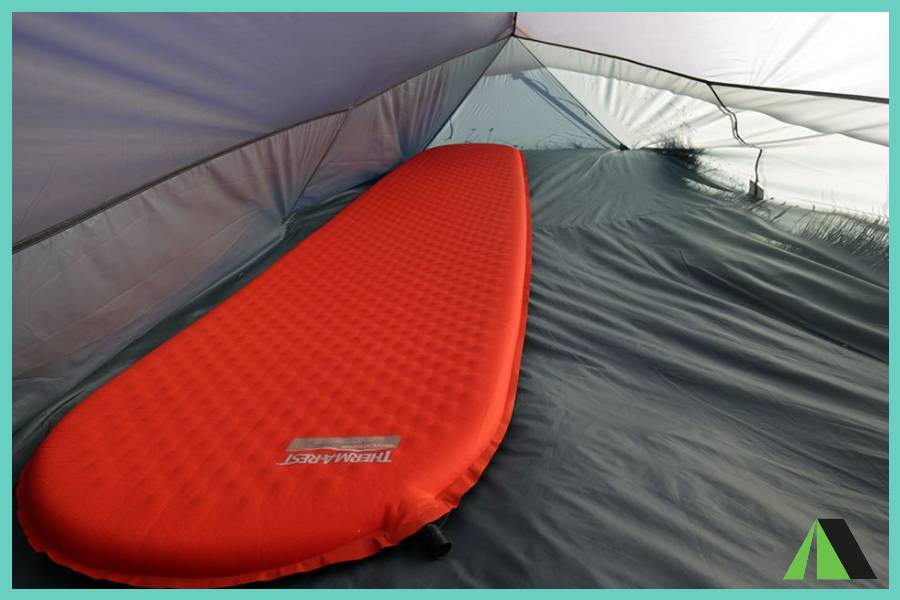
With an R-value of 3.4, the Prolite Plus sleeping pad is best suited for three-season backpacking and shoulder-season camping. According to the ASTM sleeping pad R-value standard, higher R-values indicate better resistance to heat loss through the ground, making it easier to compare insulation across different sleeping pad brands.
“Your sleep system matters just as much as your sleeping pad. If you’re deciding between different insulation setups, see this guide about sleeping bags vs quilts for backpacking adventures.”
However, for extended winter camping or sleeping directly on snow, pairing it with a closed-cell foam pad or choosing a higher R-value sleeping pad is recommended.
The weight of the body is perfectly distributed, and the feeling is very comfortable. The dimensions are ergonomic and, despite the slight slope of the destination, neither I nor the mattress slipped during the night thanks to the grippy texture and the bumpy relief.
Side sleepers still want additional cushioning under the neck and shoulders. Pairing the ProLite Plus with right backpacking pillows for side sleepers can significantly improve overnight comfort on longer trips.
However, it’s up to me to take care of it now but the fabric seems quite resistant to light abrasion and possible scratches.
Is the Therm-a-Rest ProLite Plus Still Worth Buying in 2026?
The outdoor gear market has changed significantly, with many brands introducing thicker insulated air pads that weigh less than older self-inflating designs.
Despite this competition, the ProLite Plus continues to appeal to backpackers who prioritize reliability over chasing the lightest specifications. Its simple foam construction requires less setup, is generally quieter than many air pads, and has a long track record of durability.
If you’re upgrading from an older foam pad or entry-level inflatable mattress, it remains a sensible investment in 2026. Furthermore, combined with the top-rated backpacking tents, the ProLite Plus helps create a reliable shelter system for multi-day hikes.
Backpackers looking to extend warmth without upgrading to a heavier sleeping pad can also consider in investing a quality sleeping bag, which can add comfort and help keep sleeping bags cleaner during extended trips.
The Verdict
After several nights of backpacking use, I found the Therm-a-Rest ProLite Plus to deliver exactly what most hikers need—a dependable balance of warmth, packability, and durability without unnecessary complexity. While it’s no longer the lightest or thickest sleeping pad available, its proven design and consistent performance make it an easy recommendation for three-season backpacking.
Therm-a-Rest ProLite Plus vs NeoAir XLite
If you’re deciding between these two Therm-a-Rest sleeping pads, the biggest differences come down to weight, warmth, and comfort. The ProLite Plus is a self-inflating pad that offers a quieter sleeping surface and quicker setup. On the other side, the NeoAir XLite is designed for backpackers who prioritize carrying the lightest possible gear.
| Feature | Therm-a-Rest ProLite Plus | Therm-a-Rest NeoAir XLite |
| Weight | Moderate | Lighter |
| Warmth | Better for cool 3-season camping | Higher warmth-to-weight ratio |
| Thickness | 1.5 in. | Around 3 in. |
| Packed Size | Compact | More compact |
| Noise | Quiet foam construction | Can be slightly noisy |
| Best For | Comfort-focused backpackers | Ultralight backpacking |
- Choose the ProLite Plus if: You value quiet sleep, simple self-inflation, and dependable comfort over saving every ounce.
- Choose the NeoAir XLite if: Your priority is minimizing pack weight while maximizing insulation for longer backpacking trips.
Therm-a-Rest ProLite Plus vs Therm-a-Rest ProLite
Although they share a similar design, the ProLite Plus offers extra cushioning and improved insulation, making it the better option for hikers who regularly camp in colder temperatures.
| Feature | ProLite Plus | ProLite |
| Thickness | 1.5 in. | 1.0 in. |
| Weight | Slightly heavier | Lighter |
| Warmth | Higher R-value | Lower R-value |
| Comfort | Better for uneven ground | Better for fast-and-light trips |
| Packed Size | Small | Slightly smaller |
| Best For | Multi-day backpacking | Minimalist hikers |
- Choose the ProLite Plus if: You want a better balance of comfort and insulation.
- Choose the ProLite if: Every ounce matters and you generally camp during warmer months.
Therm-a-Rest ProLite Plus vs Sea to Summit Comfort Plus
These sleeping pads target different priorities. The ProLite Plus focuses on simplicity and lightweight efficiency, on the other hand, the Sea to Summit Comfort Plus emphasizes maximum comfort with a dual-layer air chamber design.
| Feature | ProLite Plus | Sea to Summit Comfort Plus |
| Weight | Lighter | Heavier |
| Comfort | Good | Excellent |
| Thickness | 1.5 in. | Around 2.5–3 in. |
| Durability | Excellent | Excellent |
| Inflation | Self-inflating with a few breaths | Fully inflatable |
| Best For | Backpacking | Car camping & comfort-oriented camping |
- Choose the ProLite Plus if: You want a lightweight, reliable sleeping pad for long-distance hiking and backpacking.
- Choose the Comfort Plus if: Sleeping comfort is your highest priority and carrying extra weight isn’t a concern.
Which Sleeping Pad Should You Buy?
- Best Overall for Backpackers: Therm-a-Rest ProLite Plus — Excellent balance of weight, comfort, durability, and ease of use.
- Best Ultralight Option: Therm-a-Rest NeoAir XLite — Ideal for hikers focused on reducing pack weight.
- Best for Maximum Comfort: Sea to Summit Comfort Plus — A great choice for campers who prioritize plush support over portability.
Frequently Asked Questions
How long does the Therm-a-Rest ProLite Plus generally last?
With proper care, the ProLite Plus can last for many years of regular backpacking use. Storing it unrolled with the valve open, avoiding sharp surfaces, and cleaning it before long-term storage will help maximize its lifespan.
Can the Therm-a-Rest ProLite Plus be repaired if it gets punctured?
Yes. Small punctures and fabric damage can usually be repaired with a compatible sleeping pad repair kit. It’s a good idea to carry a lightweight repair kit on multi-day backpacking trips for emergency field repairs.
Should you fully inflate the ProLite Plus or let it self-inflate?
For the best comfort, allow the pad to self-inflate first, then add a few breaths to achieve your preferred firmness. Most backpackers do this because self-inflation alone rarely produces maximum support.
How should the Therm-a-Rest ProLite Plus be stored between camping trips?
For long-term storage, keep the pad loosely stored with the valve open in a cool, dry location. Avoid leaving it tightly rolled for months, as this can reduce the foam’s ability to self-inflate efficiently.
Can the ProLite Plus be used with a backpacking quilt?
Yes. Its R-value of 3.4 provides enough ground insulation for most three-season backpacking quilts. For colder shoulder-season trips, pairing it with a warmer quilt or an additional foam pad can improve overall sleep warmth.
Is the Therm-a-Rest ProLite Plus a good upgrade from basic foam sleeping pads?
For many hikers, yes. The ProLite Plus offers better cushioning, improved packability, and increased comfort while remaining relatively lightweight. It’s a popular upgrade for backpackers moving beyond traditional closed-cell foam pads.