
Most Popular National Parks for Tent Camping in the US


Imagine waking up to the symphony of birdsong, the scent of pine needles in the crisp morning air, and the first rays of sunlight painting majestic landscapes. Tent camping in a National Park is more than just a vacation; it’s an immersive experience that connects you with the raw beauty of nature.
Looking for the best national parks for tent camping in the United States? From Yosemite’s towering granite cliffs to Acadia’s rugged Atlantic coastline, America’s national parks offer some of the most unforgettable camping experiences in the world.
Let’s explore some of the top destinations with a more detailed and engaging lens:
Best National Parks for Tent Camping at a Glance
| National Park | Best For | Popular Campground | Ideal Season |
| Yosemite | Iconic scenery | Upper Pines | Spring–Fall |
| Grand Canyon | Canyon views | Mather Campground | Spring & Fall |
| Zion | Hiking adventures | Watchman Campground | Spring & Fall |
| Acadia | Coastal camping | Blackwoods Campground | Summer & Fall |
How We Chose These National Parks
We evaluated these national parks based on campground quality, tent camping accessibility, scenic value, hiking opportunities, reservation availability, and overall camper experience. We also reviewed National Park Service campground information and visitor feedback to identify parks that consistently rank among the best destinations for tent camping in the United States.
What Is the Best National Park for Tent Camping?
Yosemite National Park is widely considered the best national park for tent camping thanks to its iconic scenery, well-developed campgrounds, diverse hiking opportunities, and access to waterfalls, granite cliffs, and wilderness areas. Other excellent options include Grand Canyon, Zion, and Acadia National Parks.
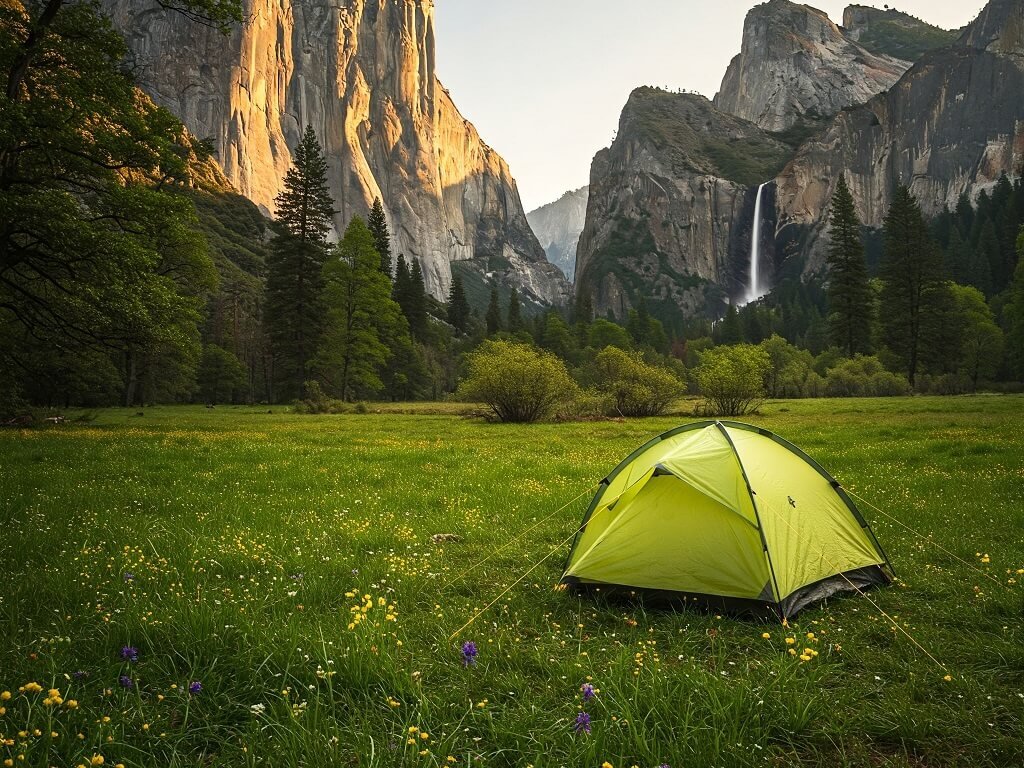
1. Yosemite National Park, California: A Granite Wonderland
- Beyond the Postcard:
Yes, the iconic views of Half Dome and El Capitan are breathtaking but delve deeper. Hike to Vernal and Nevada Falls, feel the mist on your face, and explore the quieter trails of Tuolumne Meadows. Consider a multi-day backpacking trip into the Yosemite wilderness for a truly transformative experience.
- Campground Chronicles:
Upper Pines: A popular choice but expect close neighbors. The atmosphere is vibrant, and amenities are good. Tuolumne Meadows Campground: Higher elevation, cooler temperatures, and stunning alpine scenery. Perfect for those seeking a more secluded experience.
- Insider Tip: Book your reservations the moment they become available. They disappear faster than a s’more at a campfire!
- Engaging Part: Imagine a night under the stars in Yosemite Valley, the sheer scale of the granite cliffs illuminated by moonlight.
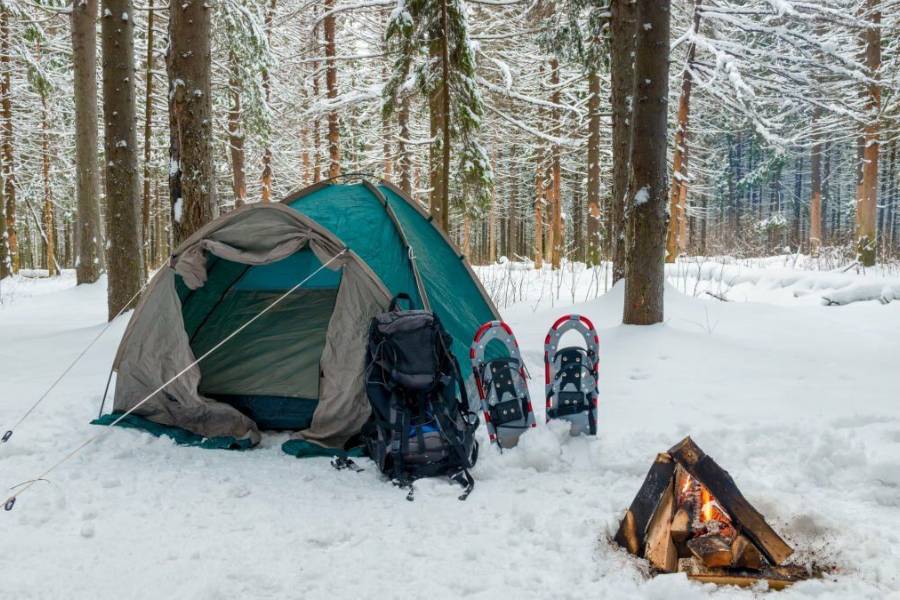
If you’re planning a shoulder-season or high-elevation camping trip in Yosemite, investing in a top-rated cold weather tent can help you stay comfortable during chilly mountain nights.
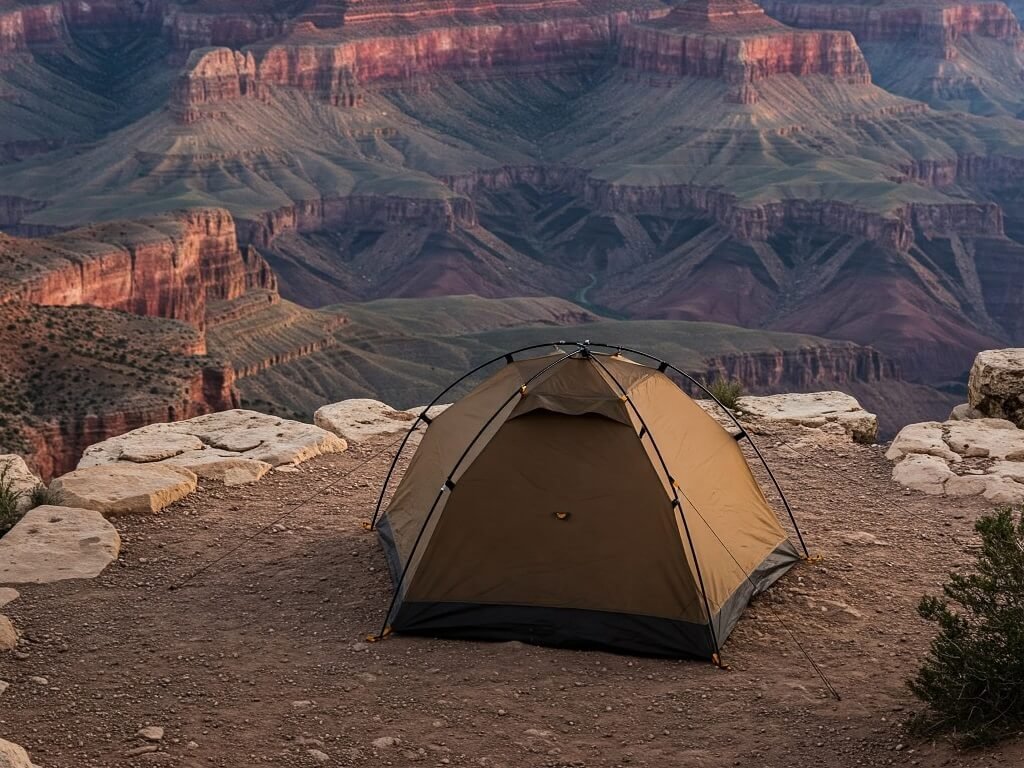
2. Grand Canyon National Park, Arizona: A Journey into the Earth’s Depths
- More Than Just a View:
Don’t just stand at the rim; descend into the canyon! Hike the Bright Angel or South Kaibab trails, even if just for a few miles. The perspective from within is awe-inspiring. Catch a sunrise or sunset; the colors that paint the canyon walls are a spectacle you won’t forget.
Families and groups camping at Mather Campground often appreciate the extra space provided by 2-room tents for family and groups, especially during multi-day stays.
- Campground Considerations:
Mather Campground (South Rim): Large and well-equipped, with easy access to the Rim Trail and shuttle services. North Rim Campground: More secluded and cooler temperatures, but open seasonally.
- Engaging Part: Picture yourself watching the sunrise paint the canyon walls with vibrant hues, a truly unforgettable moment.
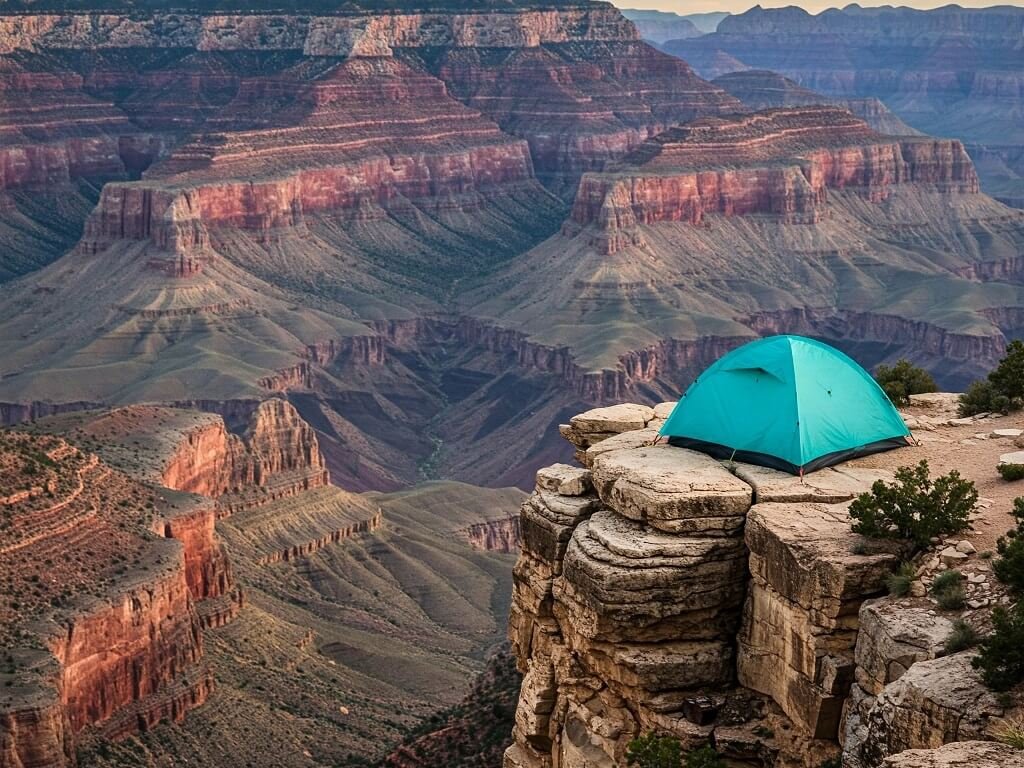
3. Zion National Park, Utah: A Red Rock Sanctuary
- Exploring the Narrows and Beyond:
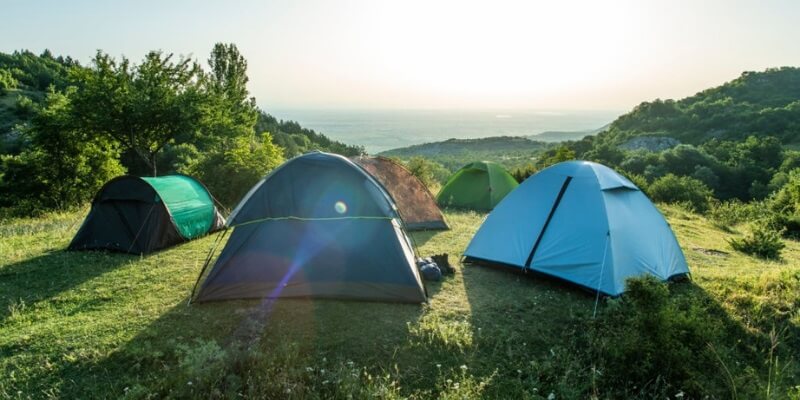
The Narrows hike is a must-do, wading through the Virgin River between towering canyon walls. Explore the less-crowded trails of the Kolob Canyons section for a more solitary experience. For campers who prioritize quick setup after a long day of hiking, one of the best pop-up tents can make establishing camp fast and hassle-free.
- Campground Details:
Watchman Campground: Located near the park’s south entrance, with easy access to the shuttle system. South Campground: Also conveniently located, but can be noisy because of its proximity to the road.
- Engaging Part: Imagine hiking through the Narrows, the cool water refreshing your feet as you marvel at the towering sandstone cliffs.
- Shuttle system: Zion uses a mandatory shuttle system during peak season, so plan accordingly.
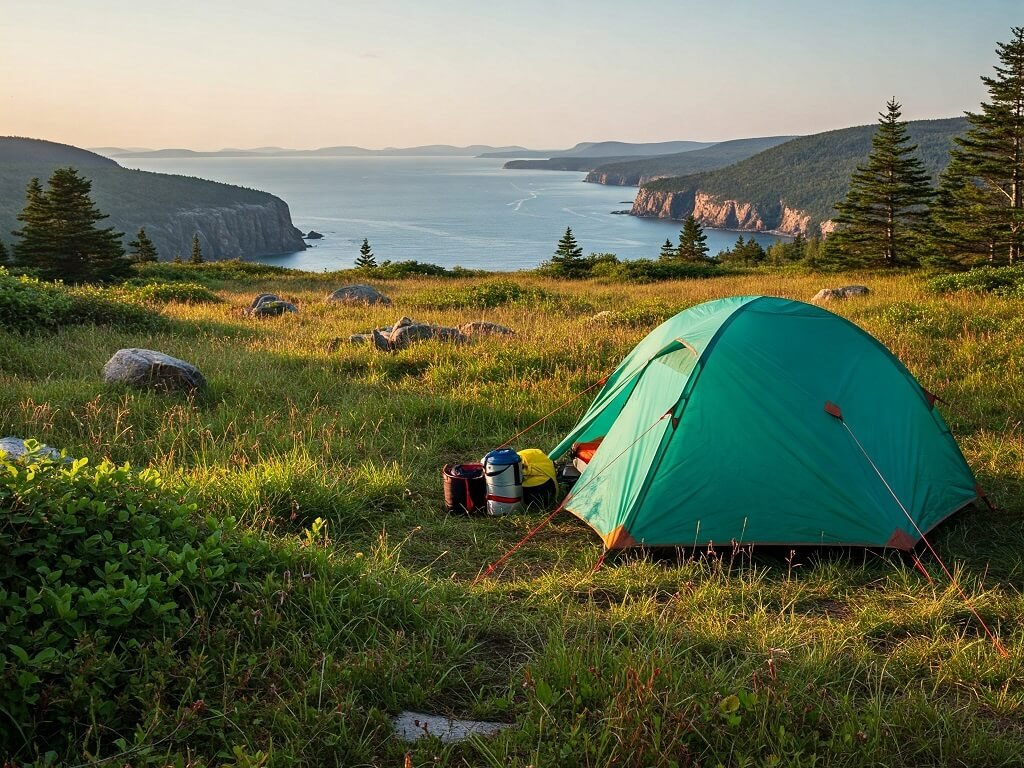
4. Acadia National Park, Maine: Where the Ocean Meets the Mountains
- Coastal Adventures:
Explore the rocky coastline, hike to the summit of Cadillac Mountain for panoramic views, and kayak among the islands. Don’t miss the tidal pools, where you can discover fascinating marine life.
- Campground Choices:
Blackwoods Campground: Located on the east side of Mount Desert Island, with easy access to hiking trails and the coast. Seawall Campground: Located on the quieter west side of the island, offering a more secluded experience.
- Engaging Part: Picture yourself watching the sunrise from Cadillac Mountain, the first rays of light illuminating the rugged coastline and sparkling ocean.
Travelers exploring Acadia’s scenic coastline often prefer inflatable tents because they provide spacious interiors and easy setup for extended camping trips.
Enhancing the Experience:
- Campfire Stories: Bring a book of campfire stories or learn some constellations to share with your fellow campers.
- Wildlife Watching: Pack binoculars and a field guide to identify the diverse wildlife that call these parks home.
- Stargazing: National Parks offer some of the darkest skies in the country, perfect for stargazing.
- Food: plan meals ahead of time and remember to pack out all trash.
- Safety: Always let someone know your plans and be prepared for changing weather conditions.
For longer stays in developed campgrounds, a portable shower tent can add privacy and convenience when changing clothes or freshening up after a day on the trails.
FAQs About National Park Tent Camping
What is the best national park for first-time tent campers?
Yosemite National Park is often considered one of the best national parks for first-time tent campers because it combines spectacular scenery with well-developed campgrounds, visitor centers, shuttle services, and easy access to hiking trails.
Do national park campgrounds require reservations?
Many national park campgrounds require reservations, especially during peak travel seasons such as summer and major holidays. Popular destinations like Yosemite, Zion, and Grand Canyon often book months in advance. Although some parks still offer first-come, first-served campsites, availability can be limited.
Checking the National Park Service website and securing reservations as early as possible can greatly increase your chances of getting a campsite in your preferred location.
Which national park offers the best stargazing for campers?
Several national parks are known for outstanding stargazing, but Grand Canyon National Park consistently ranks among the best due to its dark skies and minimal light pollution. Campers can enjoy clear views of the Milky Way, planets, meteor showers, and countless stars on cloudless nights.
Other excellent stargazing destinations include Zion National Park, Bryce Canyon National Park, and Big Bend National Park, all of which are recognized for exceptional night-sky viewing opportunities.
Can I tent camp year-round in national parks?
Some national parks offer year-round tent camping, but conditions vary significantly depending on location, elevation, and weather. Parks in warmer climates may have campsites available throughout the year, while high-elevation destinations often experience seasonal closures due to snow and severe weather.
Winter campers should bring appropriate cold-weather gear, monitor weather forecasts, and confirm campground availability before traveling.
What should I pack for tent camping in a national park?
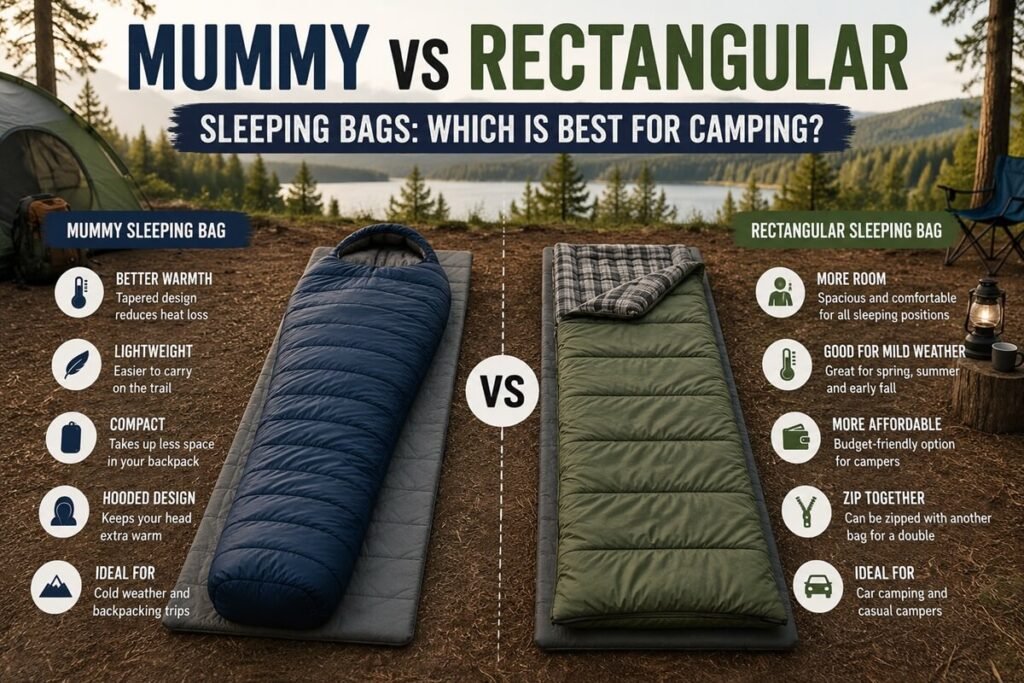
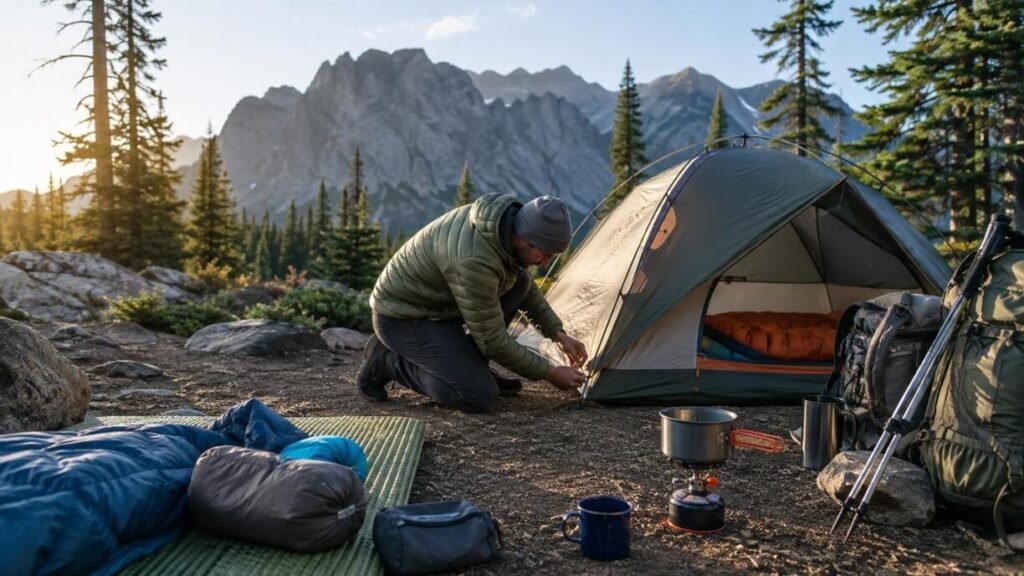
Essential camping gear includes a weather-appropriate tent, sleeping bag, sleeping pad, cooking equipment, food storage containers, water bottles or filtration systems, a first-aid kit, and navigation tools. It’s also wise to pack layers of clothing, rain gear, a headlamp, and extra batteries. Before visiting a national park, review the park’s specific regulations and wildlife guidelines to ensure you’re properly prepared for local conditions.
Are campfires allowed in national park campgrounds?
Campfire rules vary by park, season, and current fire conditions. Many campgrounds provide designated fire rings where campfires are permitted, but temporary fire restrictions may be implemented during periods of drought or elevated wildfire risk.
Always check current regulations before your trip and follow Leave No Trace principles. Using only approved firewood and completely extinguishing fires before leaving helps protect both visitors and natural resources.
Conclusion: Your National Park Adventure Awaits
We’ve journeyed through the majestic granite cathedrals of Yosemite, peered into the earth’s timeless depths at the Grand Canyon, wandered through the red rock sanctuaries of Zion, and breathed in the salty, pine-scented air of Acadia. But these parks, and the countless others scattered across the United States, are more than just destinations on a map. They are invitations. Invitations to disconnect from the digital hum of daily life and reconnect with the raw, untamed beauty of our planet.
Tent camping within these national treasures isn’t simply about pitching a tent and building a campfire. Creating lifelong memories means watching the sunrise paint canyon walls in colors you never imagined, sharing stories beneath a sky full of stars that feel within reach, feeling the cool rush of a mountain stream on your skin, and breathing in crisp air that renews your spirit.
These experiences change us. They remind us of our place in the grand tapestry of nature, fostering a deep appreciation for the wild places that still remain. And in that appreciation lies the responsibility to protect them, to ensure that future generations can also experience the magic of sleeping beneath the stars in a National Park.
So, pack your tent, gather your gear, and venture forth. Let the wonder of nature ignite your soul. Your adventure awaits. And who knows? You might just discover a little piece of yourself along the way.



One Comment