The 10 Best Hiking Boots for Plantar Fasciitis


Hiking with plantar fasciitis can be a struggle. Every step on uneven terrain can lead to stabbing heel pain and discomfort that lingers long after the hike. Finding the right hiking boots can be a challenge, but when you’re dealing with plantar fasciitis, it’s even more critical. The wrong pair can turn a scenic trek into a painful ordeal.
We’ve tested and reviewed the best hiking boots designed to reduce foot strain, absorb impact, and offer arch support where it matters most. These boots provide extra arch support, superior cushioning, and shock absorption to reduce strain on your feet. But not all hiking boots offer the relief you need. Keep reading to find the best fit for your next adventure.
Here’s a comparison table for the 10 Best Hiking Boots for Plantar Fasciitis:
| Boot Model | Image | Arch Support | Cushioning | Traction | Waterproof | Weight | Best For |
| Salomon Quest 4 GTX | 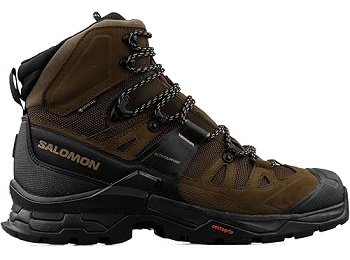 | Excellent | High | Aggressive | Yes | Moderate | Rugged terrain, long hikes |
| Merrell Moab 3 Mid WP | 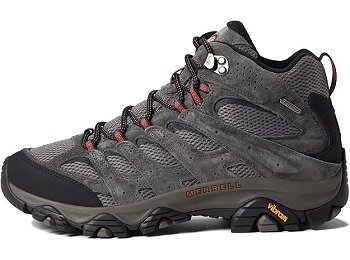 | Good | Medium | Good | Yes | Lightweight | Day hikes, casual trails |
| Keen Targhee III WP | 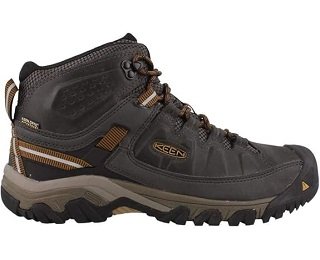 | Very Good | High | Moderate | Yes | Moderate | Wide feet, mixed terrain |
| Hoka Anacapa Mid GTX | 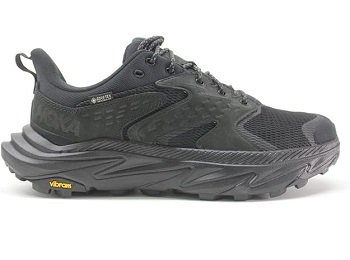 | Excellent | Max Cushion | Good | Yes | Lightweight | Comfort-focused hikers |
| Lowa Renegade GTX Mid | 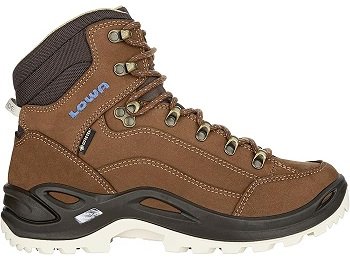 | Very Good | High | Excellent | Yes | Moderate | Ankle support, long treks |
| Altra Lone Peak ALL-WTHR Mid | 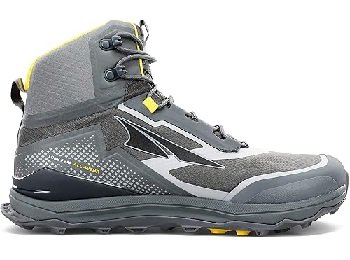 | Good | Moderate | Good | Yes | Ultralight | Fast hikers, minimalists |
| Oboz Bridger Mid BDry | 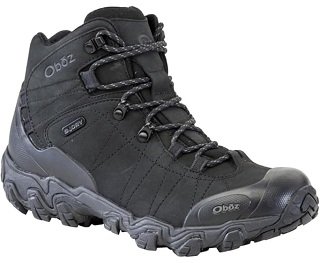 | Excellent | High | Excellent | Yes | Moderate | Stability, rough trails |
| Newton Ridge Plus II | 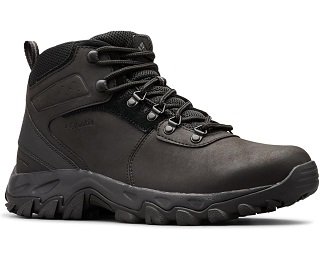 | Good | Medium | Good | Yes | Lightweight | Budget-friendly, casual hikes |
| Merrell Moab 2 Mid GTX | | Excellent | Medium | Aggressive | Yes | Heavy | Technical terrain, backpacking |
| Newton Ridge Plus | | Good | Moderate | Very Good | Yes | Lightweight | Breathability, warm weather |
1. Salomon Quest 4 GTX for Rugged Terrain & Long Hikes
Tech Specs:
- Arch Support: Excellent
- Cushioning: High
- Waterproof: Yes (Gore-Tex)
- Weight: Moderate
If you need a hiking boot that combines excellent arch support with persistence, the Salomon Quest 4 GTX is a top choice. This boot provides exceptional stability on tough trails and long-distance trekking, helping to reduce foot fatigue and heel pain caused by plantar fasciitis.
The Quest 4 GTX features a supportive midsole and an advanced chassis system that reduces strain on the foot. Its EnergyCell EVA cushioning absorbs shock with every step. The orthotic-friendly insole allows you to add custom inserts for even more personalized support.
With a wide toe box and a well-padded ankle collar, this boot ensures a secure yet comfortable fit. The Gore-Tex waterproof membrane keeps your feet dry in wet conditions. Despite its sturdy build, the boot doesn’t feel overly stiff, allowing for a smooth stride on uneven terrain. The Contagrip outsole provides excellent grips on rocky, muddy, or loose trails. The deep lugs enhance traction.
Pros:
- ✅ Excellent arch support for plantar fasciitis
- ✅ Deep cushioning reduces heel impact
- ✅ Secure for rough terrain
- ✅ Waterproof yet breathable
- ✅ Strong materials built to last
Cons:
- ❌ Heavier than some lightweight options
- ❌ Takes time to break in
2. Merrell Moab 3 Mid for Day Hikes & Casual Trails
Tech Specs:
- Arch Support: Good
- Cushioning: Medium
- Waterproof: Yes
- Weight: Lightweight
If you’re looking for a hiking boot that delivers comfort right out of the box, the Merrell Moab 3 Mid is a solid choice. It is well known for its supportive design and reliable traction. This boot is perfect for day hikes and moderate trails while providing relief for plantar fasciitis.
The Moab 3 Mid features a Kinetic Fit Advanced insole, offering contoured arch support that reduces foot strain. The Merrell Air Cushion in the heel enhances shock absorption. Its lightweight EVA foam midsole provides a comfortable ride without adding unnecessary bulk.
Its plush padding and roomy toe box make it a great option for hikers who experience foot swelling. The waterproof membrane keeps feet dry in wet conditions, though breathability remains decent. The boot’s flexible build ensures a natural walking motion.
The Vibram TC5+ outsole delivers excellent grip on various terrains, including dirt paths, rocky trails, and wet surfaces. While not as tough as heavier-duty boots, the Moab 3 Mid holds up well for light to moderate hikes.
Pros:
- ✅ High comfort level
- ✅ Good arch support and heel cushioning
- ✅ Lightweight and flexible for all-day wear
- ✅ Affordable price
Cons:
- ❌ Not durable for extreme terrain
- ❌ Less ankle support than stiffer models
3. Keen Targhee III for Wide Feet & Mixed Terrain
Tech Specs:
- Arch Support: Very Good
- Cushioning: High
- Waterproof: Yes
- Weight: Moderate
The Keen Targhee III is a reliable option for hikers who need a boot with a wider fit and supportive cushioning. Designed for mixed terrain, it delivers a balance of comfort, stability, and waterproofing, making it a great choice for plantar fasciitis sufferers.
Keen is known for its wide toe boxes, and the Targhee III doesn’t disappoint. The metatomical footbed support the natural contours of the foot, and the EVA midsole adds shock absorption to reduce stress on the plantar fascia. The stiff heel counter helps stabilize the foot.
Thanks to its padded ankle collar and soft interior lining, this boot offers a comfortable fit without feeling restrictive. The KEEN.DRY waterproof membrane keeps moisture out while allowing for decent airflow. The fit is slightly roomier than standard hiking boots, which can be a plus for those needing extra space.
The All-Terrain rubber outsole offers solid grips on dirt, rocks, and light mud. While not as aggressive as some high-performance boots, it provides reliable traction for most hiking conditions. The leather upper is durable but requires occasional maintenance.
Pros:
- ✅ Excellent for hikers with wide feet
- ✅ Footbed reduces plantar fasciitis pain
- ✅ Cushioned midsole absorbs shock well
- ✅ Waterproof with good breathability
Cons:
- ❌ Heavier than lightweight models
- ❌ Not as breathable as mesh-based boots
4. Hoka Anacapa Mid GTX Cushioning Hiking Boots
Tech Specs:
- Arch Support: Excellent
- Cushioning: Maximum
- Waterproof: Yes (Gore-Tex)
- Weight: Lightweight
If you prioritize plush cushioning and a smooth walking experience, the Hoka Anacapa Mid GTX is one of the best hiking boots for plantar fasciitis. It is designed with maximalist cushioning to help absorb impact and reduce foot strain, making it ideal for hikers who struggle with heel pain.
Hoka’s signature compression-molded EVA midsole delivers exceptional shock absorption, which is a significant change for those suffering from plantar fasciitis. The rockered sole design promotes a natural rolling motion,. Despite its plush build, it is easy to wear for long hikes.
The padded ankle collar and wide forefoot ensure a secure yet comfortable fit. The Gore-Tex waterproof membrane keeps feet dry. They’re a good choice for those with wide feet or custom orthotics.
The Vibram Megagrip outsole provides solid traction on various surfaces, including wet and uneven terrain. While the lugs aren’t as deep as those on rugged backpacking boots, they still offer good grip for most hiking conditions.
Pros:
- ✅ Ultra-cushioned midsole
- ✅ Natural walking motion
- ✅ Lightweight despite its plush feel
- ✅ Great for wide feet and orthotics
Cons:
- ❌ Less ankle support than stiffer hiking boots
5. Lowa Renegade GTX for Ankle Support & Long Treks
Tech Specs:
- Arch Support: Very Good
- Cushioning: High
- Waterproof: Yes (Gore-Tex)
- Weight: Moderate
For hikers needing extra ankle support and stability, the Lowa Renegade GTX Mid is one of the top choices. This boot is built for long treks and rough terrain while providing the firm structure and arch support necessary for plantar fasciitis relief.
The Monowrap frame construction adds stability without making the boot feel overly stiff. Its dual-density DuraPU midsole offers a mix of shock absorption and firm support. The full-length nylon shank also enhances arch support, making it a great option for hikers who need more structure underfoot.
The high-cut ankle collar provides excellent support, reducing strain on the foot during uneven descents. Although the boot feels firm initially, it breaks in well and molds to the foot. The Gore-Tex lining ensures waterproof protection while maintaining breathability.
Vibram Evo outsole features deep lugs for aggressive traction. Nubuck leather upper is highly durable. This will ensure the boot lasts through multiple seasons of hiking.
Pros:
- ✅ Superior ankle support for long hikes
- ✅ Excellent stability for plantar fasciitis relief
- ✅ Waterproof with great breathability
- ✅ Aggressive traction for rough terrain
Cons:
- ❌ Heavier than lightweight hiking boots
- ❌ Requires a break-in period
6. Salomon X Ultra 4 Mid GTX Agility & Speed Boots
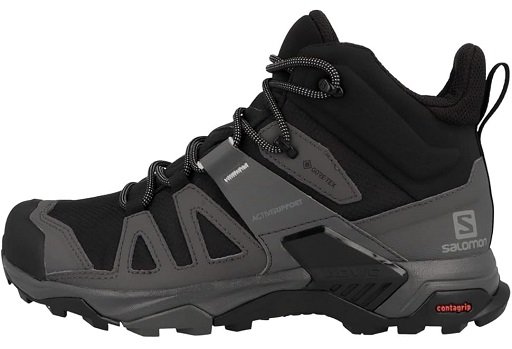
Tech Specs:
- Arch Support: Very Good
- Cushioning: High
- Waterproof: Yes (Gore-Tex)
- Weight: Lightweight
If you prefer a hiking boot that feels light, fast, and supportive, the Salomon X Ultra 4 Mid GTX is an excellent choice. It combines trail-runner-inspired agility with stability and arch support, making it a great option for plantar fasciitis sufferers who enjoy quick-paced hikes on varied terrain.
The X Ultra 4 Mid GTX is built with Salomon’s Advanced Chassis System, which provides torsional stability without excess weight. The EnergyCell EVA midsole cushions impact effectively. Furthermore, the Ortholite insole offers extra arch support for plantar fasciitis relief.
This boot prevents unnecessary movement that could aggravate foot pain. The padded collar and flexible forefoot ensure comfort over long miles, while the Gore-Tex membrane keeps feet dry. The quick-lace system provides a snug, customizable fit without pressure points.
The Contagrip MA outsole provides multi-directional grip on loose dirt, wet rocks, and steep inclines. While not as rugged as traditional leather boots, the reinforced toe cap and durable synthetic upper increase longevity.
Pros:
- ✅ Agile for quick hikes
- ✅ Excellent cushioning and arch support
- ✅ Secure fit with good heel lockdown
- ✅ Waterproof with breathable design
- ✅ Great traction on varied surfaces
Cons:
- ❌ Less durable for extreme backpacking trips
- ❌ Narrower fit may not suit wide feet
7. Altra Lone Peak ALL-WTHR Mid Zero-Drop Boot
Tech Specs:
- Arch Support: Medium
- Cushioning: High
- Waterproof: Yes
- Weight: Lightweight
For hikers who prefer a zero-drop design with a wide toe box, the Altra Lone Peak ALL-WTHR Mid offers a natural foot feel while still providing the cushioning and support needed for plantar fasciitis. This boot is an excellent option for trail enthusiasts who want a lightweight, flexible alternative to traditional hiking boots.
The Lone Peak ALL-WTHR Mid features a Balanced Cushioning platform, keeping the heel and forefoot level to promote a natural stride. Altra EGO midsole absorbs shock effectively. The wide toe box prevents foot compression and offers comfort for hikers with foot pain or swelling.
With a roomy forefoot and flexible upper, this boot feels more like a trail-running shoe than a stiff hiker. The mid-height design provides light ankle support. The MaxTrac outsole offers sticky grip on rocky and muddy terrain, though it isn’t as aggressive as heavier-duty boots. Lightweight upper makes it less durable than full-leather options, but it holds up well for moderate hikes.
Pros:
- ✅ Zero-drop design
- ✅ Cushioned midsole absorbs shock well
- ✅ Wide toe box prevents foot compression
- ✅ Flexible for all-day comfort
Cons:
- ❌ Less ankle support than traditional boots
8. Oboz Bridger Mid BDry Heavy-Duty Hiking Boots
Tech Specs:
- Arch Support: Excellent
- Cushioning: High
- Waterproof: Yes
- Weight: Heavy
If you need maximum stability, firm arch support, and stamina, the Oboz Bridger Mid BDry is one of the best hiking boots for plantar fasciitis. Built for demanding hikes and backpacking trips, this boot offers a structured fit with a supportive footbed that keeps pain at bay.
The Oboz O FIT insole provides superior arch support. The dual-density EVA midsole and TPU chassis work together to reduce foot fatigue, and the deep heel cup ensures proper foot alignment.
The firm heel counter prevents excess foot movement. Though the boot has a structured feel, it becomes more comfortable after a short break-in period.
Pros:
- ✅ Outstanding arch support
- ✅ Leather construction for long-term use
- ✅ Deep lugs offer great traction on tough trails
- ✅ Supportive insole reduces foot fatigue
Cons:
- ❌ Heavier than lightweight hiking boots
- ❌ Requires break-in period
9. Merrell Moab 2 Mid GTX Budget Boot for Plantar Fasciitis
Tech Specs:
- Arch Support: Good
- Cushioning: High
- Waterproof: Yes (Gore-Tex)
- Weight: Moderate
The Merrell Moab 2 Mid GTX is a budget-friendly option that doesn’t sacrifice comfort, support, or durability. For hikers who want a reliable boot for plantar fasciitis without breaking the bank, the Moab 2 offers excellent value for money.
The Kinetic Fit Advanced insole offers great arch support and cushioning, making it an affordable alternative to more expensive options. The EVA foam midsole delivers plush comfort that helps alleviate pain in the heel and arch.
Its generous fit provides extra room in the toe box, making it comfortable for those with wider feet. The highly breathable mesh lining and padded collar provide a comfortable, all-day fit. However, the slightly stiff sole requires a short break-in period for maximum comfort.
The Vibram outsole with 5mm lugs offers good traction for moderate hiking. Although not as aggressive as some high-end boots, the Moab 2 still performs well on typical trails. Synthetic upper and leather reinforcement provide solid robustness.
Pros:
- ✅ Good value for the money
- ✅ Excellent arch support and cushioning
- ✅ Waterproof with breathable design
- ✅ Generous fit for wide feet
- ✅ Durable Vibram outsole
Cons:
- ❌ Stiff sole requires break-in
10. Columbia Newton Ridge Plus Flexible Hiking Boots
Tech Specs:
- Arch Support: Medium
- Cushioning: High
- Waterproof: Yes
- Weight: Lightweight
For those seeking a lightweight, flexible option that still provides decent support for plantar fasciitis, the Columbia Newton Ridge Plus Waterproof is a good choice. This boot is ideal for short to moderate hikes on well-maintained trails.
The Techlite midsole offers superior cushioning and energy return, making each step easier. The Omni-Grip traction ensures you have reliable grips even on slippery surfaces.
It has a flexible feeling that’s great for hikers who prefer a more natural stride. Low-profile design provides good mobility without feeling bulky. The lightweight structure makes it suitable for day hikes and moderate use, while still offering decent support for plantar fasciitis sufferers.
Omni-Grip outsole provides solid traction on smooth to rough terrain moderately. Although it’s not built for the most extreme conditions, the durability is sufficient for short to medium hikes.
Pros:
- ✅ Flexible and easy to wear
- ✅ Good cushioning with energy return
- ✅ Waterproof leather and mesh upper
- ✅ Solid traction for light to moderate trails
- ✅ Budget-friendly
Cons:
- ❌ Less durable for rough or prolonged use
- ❌ Limited ankle support
Key Features to Look for in Hiking Boots for Plantar Fasciitis
To help relieve the symptoms of plantar fasciitis and prevent further foot strain, look for the following key features when selecting hiking boots:
1. Arch Support
Good arch support is one of the most important features for hikers with plantar fasciitis. Boots with built-in arch support help disperse weight across your foot. This will reduce pressure on the plantar fascia. A boot with an Ortholite or EVA insole provides excellent support and cushioning to relieve tension in the arch. So, look for boots with removable insoles so you can replace them with custom orthotics if needed.
2. Cushioning & Shock Absorption
Hiking boots with adequate cushioning in the midsole and insole help absorb impact and reduce stress on your feet. EVA foam or gel-based midsoles are excellent for providing long-lasting shock absorption. This also ensures comfortable heel-to-toe transitions. For plantar fasciitis, look for a boot that offers extra cushioning around the heel and arch area to minimize strain.
3. Heel Support & Stability
A boot with adequate heel support helps prevent your foot from rolling inward, reducing the likelihood of exacerbating your plantar fasciitis. A stiff heel counter ensures proper alignment and helps minimize movement that could lead to discomfort or pain. Look for boots with a high, padded collar for extra ankle and heel support.
4. Waterproofing
When hiking in varying conditions, you’ll want boots that keep your feet dry and comfortable. Waterproof boots with Gore-Tex or similar membranes prevent water from seeping in while still allowing breathability. Keeping your feet dry helps prevent blisters and irritation, which can worsen plantar fasciitis.
5. Weight & Flexibility
Lightweight boots that still offer adequate support reduce foot fatigue, making longer hikes more comfortable. At the same time, flexibility in the forefoot will allow for a more natural stride and help reduce the pressure on the plantar fascia. Consider boots with a flexible midsole but a rigid heel to ensure a comfortable fit without sacrificing support.
6. Traction & Durability
The outsole of your boot plays a crucial role in traction, especially when hiking on rocky, wet, or uneven terrain. A Vibram or Contagrip outsole provides excellent grip and durability. Having durable boots ensures they last longer, even with frequent use on rugged trails.
Hiking Boot Types for Plantar Fasciitis
Different types of hiking boots are suited for various hiking environments and personal preferences. Here are the major categories to consider based on your needs:
- Mid-Cut Hiking Boots: Mid-cut boots offer a balance of ankle support and flexibility, making them ideal for moderate to long-distance hikes. These boots provide a solid foundation for preventing foot movement while still allowing for a natural gait.
- High-Cut Hiking Boots: High-cut boots provide maximum ankle support, making them suitable for backpacking or rugged terrain. They are often more durable and offer more foot and ankle protection. They are especially good for hikers who require additional stability and support to prevent further injury.
- Trail Running Shoes: If you prefer lightweight and flexible footwear, trail running shoes are the right choice. These shoes offer less ankle support but more agility and flexibility, making them suitable for those with mild plantar fasciitis who enjoy faster-paced hikes or trail running.
What to Avoid When Choosing Hiking Boots for Plantar Fasciitis
While there are many features that can make a hiking boot suitable for plantar fasciitis, there are also certain features to avoid:
- Excessive Heel Drop: Boots with a high heel-to-toe drop cause more strain on your plantar fascia, especially if you suffer from heel pain.
- Narrow Toe Box: A boot with a narrow toe box can cause your toes to feel cramped, putting additional pressure on your feet. This can worsen symptoms of plantar fasciitis.
- Lack of Arch Support: Avoid boots that offer little or no arch support, as they can worsen foot pain.
- Stiffness: Stiff soles can restrict natural foot movement, potentially aggravating the plantar fascia. Opt for boots with a flexible forefoot but a structured heel.
How to Fit Your Hiking Boots for Plantar Fasciitis
Here’s how to ensure your boots fit properly for plantar fasciitis relief:
- Measure Your Feet: Your foot size can change over time, so measure both feet before buying boots. Your feet may swell throughout the day, so try on boots in the afternoon or after a light walk.
- Leave Room for Toes: Ensure that there’s about a thumb’s width of space between your longest toe and the front of the boot. This allows your toes to move freely without getting cramped.
- Check the Arch Fit: The arch support should line up with your natural arch. If it feels too low or high, you may need to opt for custom insoles to get the support your feet need.
- Try with Hiking Socks: Wear the socks you intend to hike in when trying on boots to ensure the fit remains comfortable.
FAQs:
Can I use regular hiking boots for plantar fasciitis?
Although some regular hiking boots offer basic comfort, they aren’t provided the specific features required for plantar fasciitis relief, such as adequate arch support, cushioning, or heel support. For best results, choose boots specifically designed with features to reduce foot strain and discomfort associated with plantar fasciitis.
Are there specific brands known for making hiking boots suitable for plantar fasciitis?
Yes, several brands are recognized for making boots that cater to hikers with plantar fasciitis. Popular brands include Altra, Salomon, Columbia, Merrell, and Oboz. These brands offer a range of boots featuring the essential support and cushioning that plantar fasciitis sufferers need.
Should I buy custom insoles for my hiking boots?
Custom or orthotic insoles can remarkably improve comfort and support, especially for those with plantar fasciitis. If the boots you choose don’t provide enough arch support or cushioning, replacing the stock insoles with custom ones can help alleviate pain and provide extra comfort during hikes.
How can I break in hiking boots for plantar fasciitis?
To break in new hiking boots, wear them for short periods at home or on easy walks before embarking on longer hikes. This allows the boots to conform to the shape of your feet without causing irritation or pain. Use thick socks to prevent blisters and avoid wearing them for extended periods at first. If necessary, replace the insoles with custom ones for added comfort.
Can I use hiking boots for plantar fasciitis if I have wide feet?
Yes, many hiking boots are available in wide sizes or offer a generous toe box that can serve wider feet. Look for boots that provide extra room in the forefoot and offer features like removable insoles so you can replace them with custom orthotics.