How to Set Up a Campsite – Step by Step

Setting up a campsite can be a fun and rewarding experience, but it also requires some planning and preparation to ensure a safe and enjoyable trip. Knowing how to set up a campsite properly can make the difference between a comfortable outdoor adventure and a frustrating camping experience.
Whether you’re camping at a developed campground or in the backcountry, proper campsite setup improves safety, organization, and comfort. This step-by-step guide covers everything beginners need to know.
Things to Consider Before Setting Up a Campsite
Here is a step-by-step guide on how to set up a campsite:
1. Choose a Campsite
Choose a location that suits your needs and preferences. Consider factors such as proximity to water, shade, privacy, and availability of amenities like bathrooms and fire pits. Check if you need a permit or reservation for the area you plan to camp.
2. Prepare Your Gear
After choosing a suitable campsite, make sure you have all the necessary camping gear, including a tent, sleeping bags, camping stove, cookware, food, water, and clothing appropriate for the weather. Double-check your gear before you leave and ensure you haven’t forgotten anything.
If you’re upgrading your setup, browse our latest camping gear reviews to compare equipment and find the best options for your next trip.
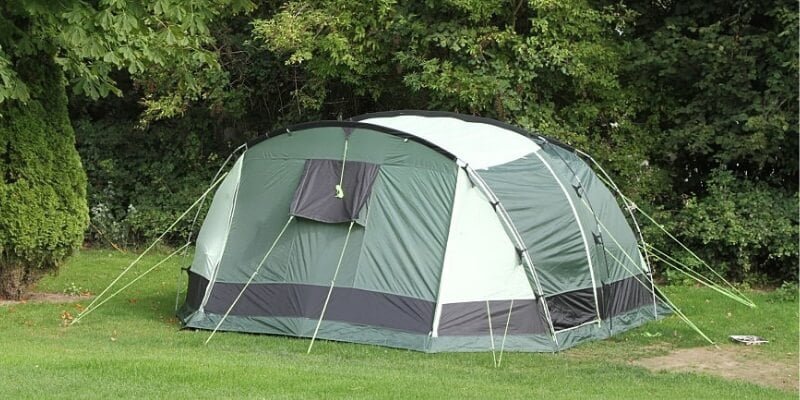
3. Set Up Your Tent
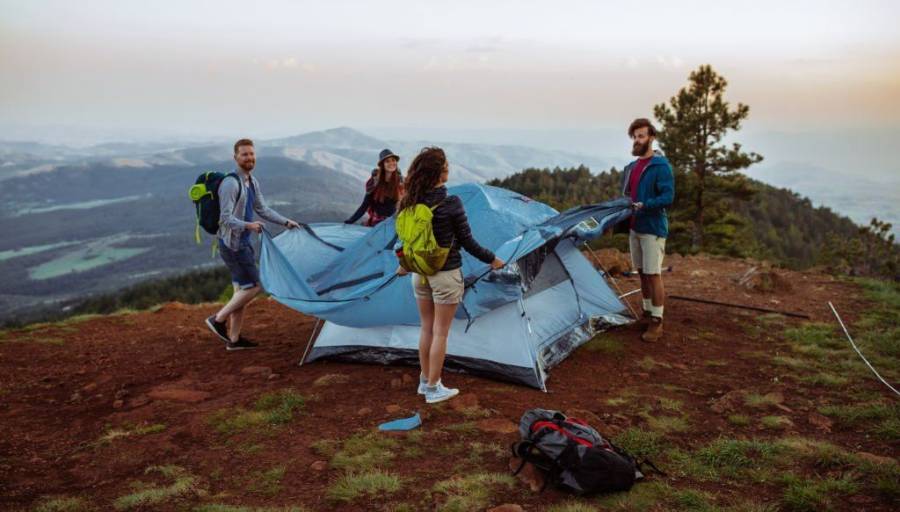
Choose a flat, level area to pitch your tent. Clear the area of rocks, sticks, and debris that could damage your tent or sleeping bag. Make sure the tent is properly staked down and secured.
4. Create a Cooking Area
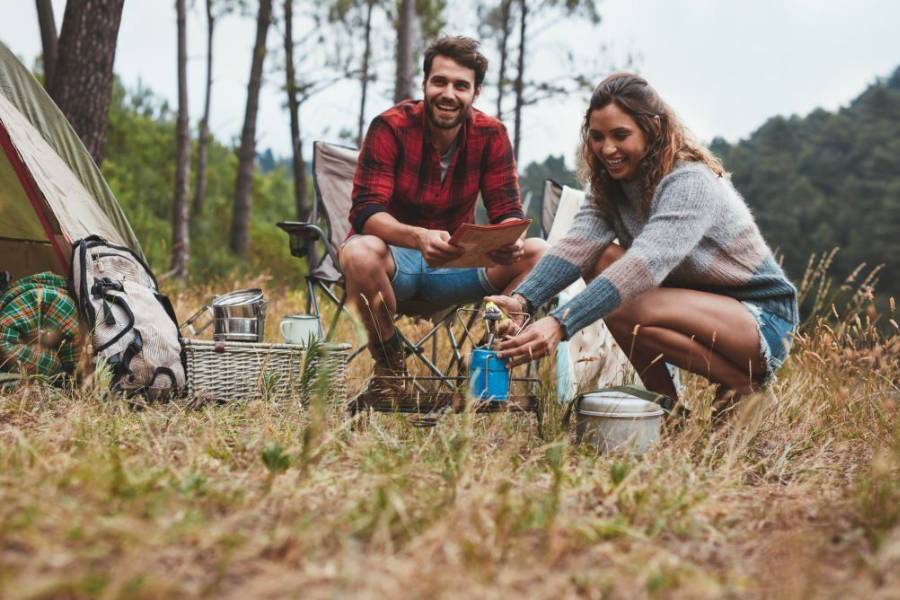
Set up your camping stove, cookware, and other essential camping utensils in a designated area away from your tent. Make sure you have a fire extinguisher and water nearby in case of an emergency.
Make sure you have a fire extinguisher and water nearby in case of an emergency. Always follow fire safety rules and regulations in the area you are camping. If campfires are permitted, a portable fire pit for camping can help contain flames and reduce your impact on the campsite while creating a comfortable gathering area.
5. Set Up a Water Station
Depending on the availability of water, set up a water station to filter or purify water for drinking and cooking. Be sure to store the water in containers that are designated for drinking water.
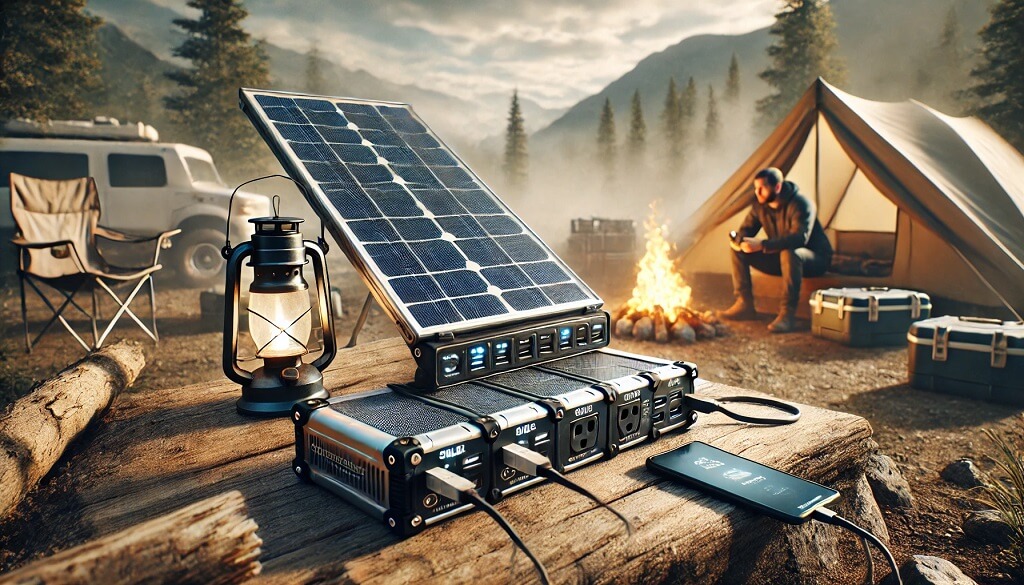
Depending on the availability of water, set up a water station to filter or purify water for drinking and cooking. For extended stays or remote campsites, consider using affordable solar power stations for off-grid camping to keep essential devices powered throughout your trip.
6. Create a Designated Area for Waste
Make sure to dispose of all trash and waste properly. Keep a designated area for trash and ensure it is secured from animals. Use biodegradable soap for washing dishes and keep dishwashing water away from natural water sources.
7. Plan for Safety
Ensure you have a first aid kit readily available, accompanied by a map of the area and a whistle for signaling help if necessary. Familiarize yourself with potential hazards in the vicinity, including wildlife, poisonous plants, or adverse weather conditions.
8. Enjoy the Outdoors
Take time to enjoy the natural surroundings and disconnect from technology. Remember to respect the environment by leaving no trace and following the principles of outdoor ethics.
Quick Campsite Setup Checklist
- Choose a safe campsite
- Clear tent area
- Pitch and stake tent
- Set up cooking station
- Establish water source
- Organize food storage
- Prepare waste disposal area
- Review safety supplies
Our Camping Experience
Our team has spent years camping in national parks, state parks, and backcountry campsites. The steps in this guide are based on practical campsite setup experience, including tent placement, camp kitchen organization, water management, and Leave No Trace practices. Following a consistent campsite setup routine helps improve safety, comfort, and overall camping enjoyment.
Additional Camping Safety Resources
- Leave No Trace Center for Outdoor Ethics
- National Park Service Camping Guidelines
- Campground Reservations and Information
Frequently Asked Questions
What is the first thing to do when setting up a campsite?
The first step is choosing a safe and suitable campsite. Look for flat, well-drained ground away from hazards such as dead tree branches, steep slopes, or areas that could flood during rain. Taking time to select the right spot will make the rest of your campsite setup easier and more comfortable.
Where should I place my tent at a campsite?
Set up your tent on level ground that is free from rocks, roots, and debris. Avoid low-lying areas where water can collect during rain. Position the tent a safe distance from cooking and campfire areas, and consider the direction of the wind when choosing your tent location.
How far should a cooking area be from a tent?
In areas where wildlife may be present, keep your cooking area and food storage at least 100 feet from your sleeping area whenever possible. This helps reduce odors around your tent and minimizes the chance of attracting animals to where you sleep.
What are the most important items to bring when camping?
Essential camping gear includes a tent, sleeping bag, sleeping pad, food, water, cooking equipment, weather-appropriate clothing, a first aid kit, and a light source. Bringing a campsite checklist before your trip can help ensure you don’t forget critical items.
How do I keep my campsite organized?
Create designated areas for sleeping, cooking, food storage, and waste disposal. Store gear in consistent locations and keep walkways clear to reduce clutter and tripping hazards. An organized campsite makes daily tasks easier and improves overall safety.
What is the Leave No Trace principle?
Leave No Trace is a set of outdoor ethics designed to minimize human impact on natural environments. It includes packing out all trash, respecting wildlife, staying on durable surfaces, and leaving campsites as clean—or cleaner—than you found them.
How can I make my campsite safer?
Keep a first aid kit accessible, follow local fire regulations, secure food from wildlife, monitor weather conditions, and inform someone of your trip plans. Regularly checking your campsite for hazards can help prevent accidents and ensure a safer outdoor experience.
Conclusion
Creating a well-organized and comfortable campsite is essential for an enjoyable outdoor experience. By following these steps, you can set up a safe and enjoyable campsite that will provide you with memories for years to come. Remember to always respect the environment and leave no trace behind.