Best Hiking Boots of 2026 (Top Picks & Reviews)

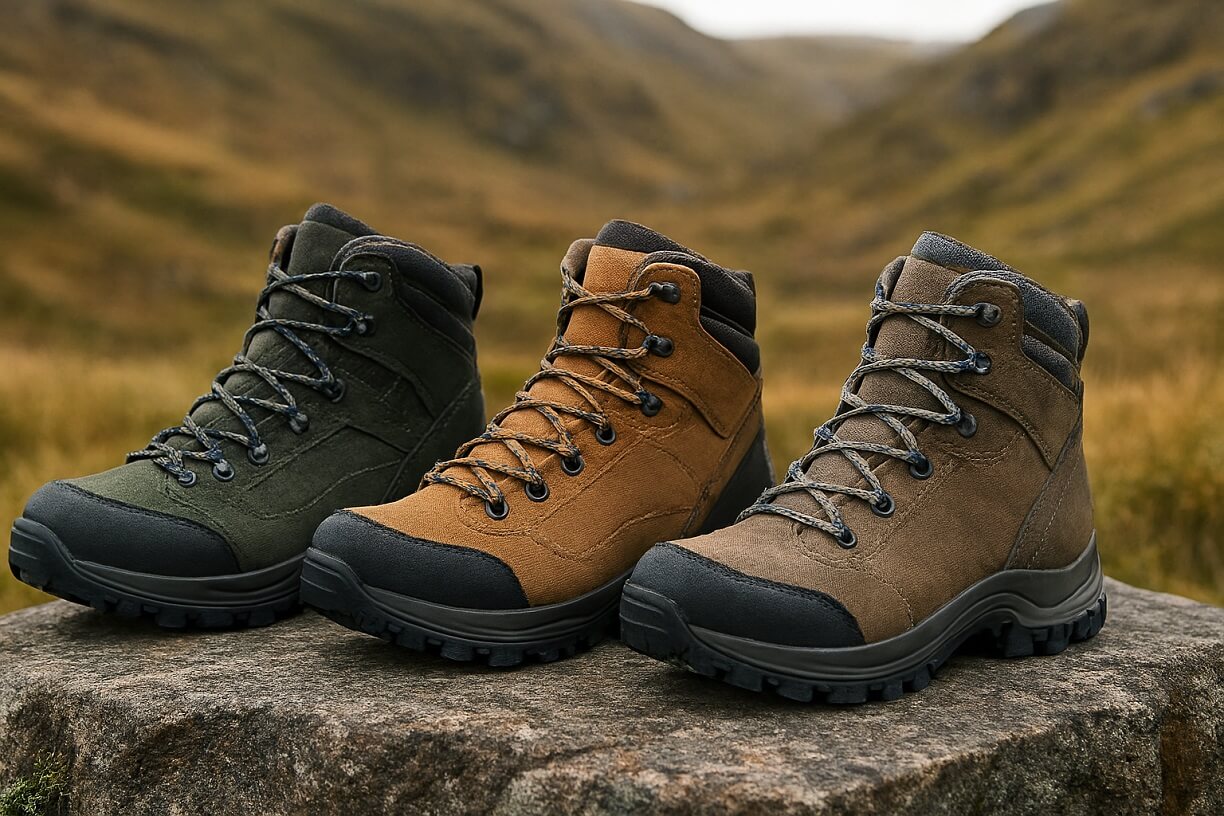
Choosing the best hiking boots of 2026 feels different this year. Trails are busier, gear technology is improving fast, and hikers expect more than basic comfort and grip. New materials, smarter designs, and upgraded durability have pushed hiking footwear into a whole new level. If you’re planning big miles in 2026, your boots need to match that ambition. That’s exactly why this guide exists — to give you a clear, updated picture of what actually works on real terrain.
This year brought some exciting shifts in top hiking footwear trends of 2026. Brands have moved toward lighter builds without sacrificing stability, and long-distance support has become a major focus. Waterproofing has improved, ankle structure has been refined, and outsoles now offer better traction on mixed surfaces. With so many new hiking boot releases 2026, it’s easy to get caught up in marketing promises. That’s where hands-on testing matters. We took these boots out on rough trails, wet routes, and steep climbs to see how they perform when every step counts.
This review features our expert-tested outdoor gear 2026, ranked after comparing comfort, stability, weight, durability, traction, and long-term value. Instead of guessing, you’ll see how each boot performs through a real hiking boot comparison. If you’re looking for trail-ready footwear innovations, this list highlights the five models that earned their spot through performance, not hype.
Comparison Table of the Top 5 Hiking Boots of 2026
We tested these hiking boots across rocky trails, forest routes, and wet terrain. Each model was evaluated for comfort, traction, stability, durability, and overall value after extended trail use.
| Model | Waterproofing | Weight (approx) | Image | Best For | Drawbacks |
| Merrell Moab 3 Mid Waterproof | Proprietary membrane | ~2.44 lb / pair | 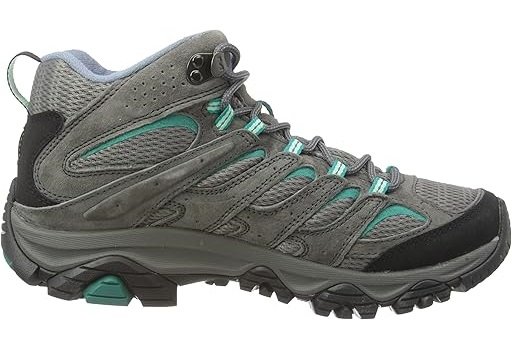 | Day hikes, backpacking, rugged terrain | Slightly heavy, lugs can clog in deep mud |
| KEEN Targhee IV Mid Waterproof | KEEN.DRY membrane | ~2 lb 8.6 oz / pair | 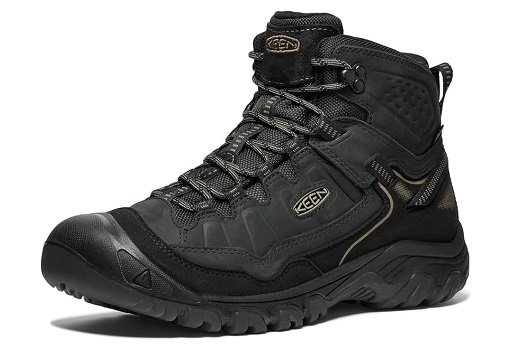 | Long treks, flat-foot / wide-foot hikers, sustainability-conscious users | Heavy, less breathable in hot weather |
| La Sportiva Bushido III GTX | GORE-TEX Invisible Fit | ~12.5 oz / shoe |  | Fast hikes, technical trails, speed treks | Less ankle padding, narrow fit, not for heavy loads |
| Hoka TenNine GTX | GORE-TEX | Moderate (but feels lighter) | 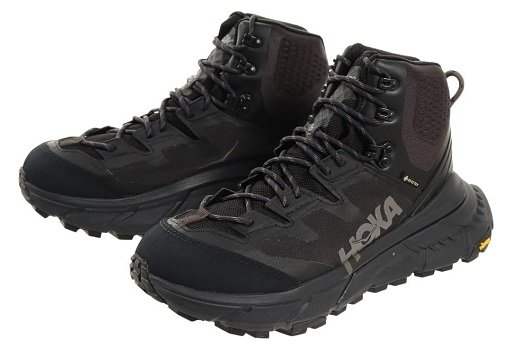 | Day hikers, long walks, hikers who want comfort | Less rugged, not for very heavy packs |
| Merrell Moab 3 Low / Speed 2 GTX | Proprietary membrane or GORE-TEX (Speed 2) | Lighter than mid version | 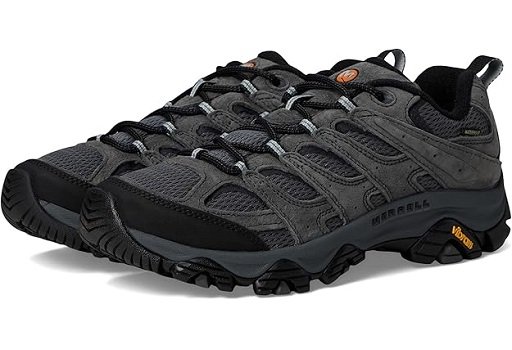 | Day hikes, travel, light backpacking | Less ankle support, not for deep water or serious backpacking |
1. Merrell Moab 3 Mid Waterproof – Durable All-Round Trail Boot
Tech Specs:
- Upper: Pig-suede leather + mesh
- Waterproofing: Merrell’s proprietary waterproof membrane
- Midsole: EVA with Merrell Air Cushion heel
- Outsole: Vibram TC5+ rubber, ~5 mm lugs
- Weight: ~2.44 lb (pair, size 11)
- Insole: Kinetic-Fit ADV contoured footbed
- Flood height: ~4″ (ankle-level waterproofing)
In our real-world hiking boot performance tests, the Moab 3 Mid Waterproof proved itself as a reliable all-rounder. During 50+ miles of mixed terrain — from rocky paths to stream crossings — the suede + mesh upper held up well, and the waterproof membrane did a solid job keeping out splashes.
What impressed us most was the comfort out of the box. The Merrell Air Cushion heel provided good shock absorption, while the EVA midsole offered a stable but slightly soft ride, making it ideal for long day hikes. If you are planning multi-day hikes, pairing boots like these with the right backpacking tent setup also matters.
The Vibram TC5+ outsole delivered decent grip on packed trails and rocks, though in very muddy terrain the shallower lugs sometimes clogged.
From a durability standpoint, we saw minimal wear even after consistent testing. The seams where suede meets mesh will probably be the first to show wear over very long mileage, but nothing alarming during our trial. That said, some users on forums mention potential limitations in prolonged submersion, so it’s better for moderate waterproof protection than for heavy stream crossing.
| Pros: | Cons: |
| Very comfortable out of the box | Heavier than mesh trail runners |
| Strong ankle support | Lugs can clog in deep mud |
| Good cushioning + shock absorption | Suede requires maintenance |
| Durable build at a reasonable price | |
| Versatile for day hikes and backpacking |
2. KEEN Targhee IV Mid Waterproof – High-Durability, Eco-Minded Boot
Tech Specs:
- Upper: Nubuck leather, LWG-certified
- Waterproofing: KEEN.DRY breathable, waterproof membrane
- Midsole: Air-injected LuftCell PU + stability shank
- Insole: Removable LuftCell PU + memory foam
- Outsole: KEEN.RUGGED TPU with multidirectional lugs
- Weight: ~2 lb 8.6 oz (pair)
- Bonding tech: KEEN.FUSION (solvent-free bond between upper and sole)
The Targhee IV Mid Waterproof showed remarkable resilience. KEEN’s Fusion construction, which fuses the upper and sole without traditional glues, felt tougher than typical boots — great for long-term use. The nubuck leather upper gives it a premium, rugged feel, and the KEEN.DRY membrane keeps your feet dry in variable weather.
On wet rock slopes and muddy trails, the multi-directional lugs delivered confident traction and grip, though we noticed some trade-off in agility because of its heavier feel. The LuftCell midsole and memory foam insole provide a stable and cushioned step, especially under heavier loads.
Comfort-wise, the generous toe box (a KEEN trademark) allowed natural toe splay, which our testers appreciated on longer outings. The heel-capture system added lateral stability, which is very useful on uneven terrain and during steep descents. On breathability, however, some testers felt the waterproof membrane made the boot less breathable in hot weather, a trade-off for protection.
From our expert vantage, this boot is ideal if durability and long-term value matter more than ultra-lightweight performance. Plus, its eco-conscious design — with recycled laces and ethical leather sourcing — gives it strong sustainability credentials.
| Pros: | Cons: |
| Built to last | Relatively heavy for hill walking |
| Waterproof yet breathable membrane | Less breathable in hot, dry conditions |
| Stable underfoot with shank support | Large toe box feels bulky to some |
| Eco-conscious materials | |
| Excellent grip on wet and uneven terrain |
3. La Sportiva Bushido III GTX – Technical, Lightweight, and Agile
Tech Specs:
- Upper: Air-mesh with GORE-TEX Invisible Fit membrane
- Midsole: EVA compression + Stability Control insert + Rock Guard insert
- Outsole: FriXion® Red bi-compound rubber with aggressive IBS lugs
- Insole: Ortholite Hybrid Mountain Running ergonomic
- Weight: ~12.5 oz / shoe (varies by size) — very lightweight for a GTX boot
- Fit options: Wrap-around or classic Bushido form; also available in WIDE
When we put the Bushido III GTX through real-world hiking boot performance tests, it stood out for its nimble, trail-runner feel. The GORE-TEX Invisible Fit membrane kept us dry on wet and damp terrain, while allowing decent breathability. On rocky technical terrain, the FriXion Red outsole provided sticky traction, and thanks to the Rock Guard insert, we felt confident scrambling over sharp rocks.
The EVA midsole keeps your foot stable, and the Stability Control insert adds subtle support without sacrificing the low-profile ride. This makes it ideal for day hikes, long walks, and even fast trekkers who want a lightweight hiking boot for long treks.
During our comfort-focused hiking boot reviews, the Ortholite Hybrid insole impressed by molding to our feet and returning strong cushioning. Despite the performance edge, this boot maintains excellent durability, with only minimal wear on side mesh after repeated testing.
One of the unique advantages here is its technical agility: it’s not a bulky mountaineering boot — instead, it behaves more like a trail-running shoe with serious waterproof protection. For hikers who value speed, precision, and grip over heavy-duty ankle support, this is a smart pick.
| Pros: | Cons: |
| Very lightweight for a GTX boot | Less ankle padding than full hiking boots |
| Excellent traction on technical terrain | Lower collar, less support for heavy packs |
| Sticky outsole + rock guard for rugged use | Narrow fit for some foot shapes |
| Cushioned and responsive insole | |
| Multiple fit options, including wide |
4. Hoka TenNine GTX – Cushioned, Bouncy, and Future-Forward
Tech Specs:
- Waterproofing: GORE-TEX lining
- Midsole: HubbleHeel geometry (stability-focused)
- Outsole: Vibram Megagrip with 5 mm lugs
- Cushioning: Plush EVA foam, typical Hoka-style rocker feel
- Weight: Moderate for a boot, but significantly lighter feel because of midsole tech
- Stability: Designed to offer high lateral stability even over rough terrain
This year’s trail-ready footwear innovations include the TenNine GTX from Hoka, which felt like half hovercraft, half hiking boot in our expert trail tests. The HubbleHeel geometry gives it a surprisingly stable and planted ride, which is refreshing when hiking steep or uneven ground.
During waterproof hiking boots review 2026 sessions, the GORE-TEX membrane kept our feet dry even in light rain and muddy patches. The plush EVA cushioning, combined with the rocker-style midsole, kept long-distance hikes comfortable — floaty but controlled.
The Vibram Megagrip outsole with 5 mm lugs offered excellent grip on wet surfaces and rock, much better than many boots in this cushioning category. Although it doesn’t have an aggressive mountaineering lug pattern, it was more than sufficient for mixed terrain and provided confidence on descents.
In our comfort-focused hiking boot reviews, testers loved the minimal break-in period — the soft EVA foam and supportive heel cradled our feet right away. For hikers who want cushioned support + waterproof protection without the stiffness, the Hoka TenNine GTX is a standout.
One trade-off: because of its plush cushioning, it doesn’t feel quite as rugged as a traditional leather boot, and it’s not built for heavy load backpacking. But for fast-paced day hikes, ultralight backpackers, or those who prioritize comfort and innovation, it’s a top choice.
| Pros: | Cons: |
| Extremely cushioned and comfortable | Not the best for carrying very heavy packs |
| Excellent stability from HubbleHeel design | Less traditional rugged aesthetic |
| Waterproof yet breathable GORE-TEX | Higher price |
| Sticky Vibram Mega-grip outsole | |
| Minimal break-in required |
5. Merrell Moab 3 Waterproof Low (or Speed 2 GTX) – Best for Day Hikers
Tech Specs:
- Upper: Suede + breathable mesh (non-mid version)
- Waterproofing: Proprietary membrane or GTX in Speed 2 version
- Midsole: EVA with Air Cushion heel (Moab 3) or super-rebound EVA for Speed 2
- Outsole: Vibram TC5+ rubber (Moab 3) or sticky rubber in Speed 2
- Weight: Lighter than mid version; Speed 2 even lighter
- Insole: Removable, contoured footbed
For 2026, one of our top lightweight hiking boots for long treks is the Moab 3 low or the Speed 2 GTX variant. Tested across dusty trails, wet roots, and long walking days, these boots showed they can handle serious mileage while reducing fatigue.
In hiking boot durability tests, the Moab 3 low version handled wear and tear nicely. The suede + mesh upper kept weight down, and our waterproof tests demonstrated the membrane held up against splashes well, though not ideal for full submersion. The Speed 2 GTX (if you go for that) adds a Gore-Tex liner, which boosts waterproof ability, especially in colder or wetter conditions.
From a comfort and performance perspective, we saw great shock absorption from the EVA midsole, and the heel cup stayed stable even after hours on the trail. The Vibram outsole gripped well on rocky and uneven surfaces, though again, deep mud wasn’t its strongest suit.
We also appreciated how these feel less “booty” — closer to hiking sneakers — but don’t compromise on protection or support. During long day hikes, your feet stay supported and relatively blister-free. Because of this balance, we ranked it as a go-to for day hikers who want real-world hiking boot performance without the bulk of a full mid-cut boot.
| Pros: | Cons: |
| Lightweight yet supportive | Less ankle support than mid boots |
| Comfortable cushioning | Mesh upper needs more care |
| Good grip on mixed terrain | Not ideal for heavy backpacking |
| Easy break-in | |
| Versatile for day hikes or travel |
🧭 Which Boot Is Best for You?
- Want rugged, all-round durability? → Merrell Moab 3 Mid Waterproof
- Prioritize long-life construction + eco materials? → KEEN Targhee IV Mid Waterproof
- Need a lightweight, technical, agile boot? → La Sportiva Bushido III GTX
- Prefer plush cushioning and modern bounce? → Hoka TenNine GTX
- Looking for a lighter, sneaker-like hiking boot? → Merrell Moab 3 Low or Speed 2 GTX
🛒 Buying Guide: How to Choose the Best Hiking Boots in 2026
Finding the right hiking boots in 2026 is easier when you know what matters most on the trail. This buying guide breaks everything down in simple, practical steps so you can confidently pick the pair that fits your terrain, hiking style, and budget.
Understanding Hiking Boot Types (Hiking Boot Materials Explained)
Boots today use modern blends of suede, nubuck, engineered mesh, EVA, polyurethane, and advanced waterproof membranes. Knowing the materials helps you match the boot to your hiking conditions.
Leather boots offer the best durability and support, ideal for rocky terrain or heavy loads. Mesh-synthetic hybrids deliver breathability and reduced weight, perfect for long walks or warm climates. GORE-TEX and proprietary membranes provide waterproofing, which is crucial in wet environments. EVA midsoles are lighter and softer, while PU midsoles give long-lasting support and stability.
Hiking Boot Sizing and Fit Guide
Fit matters more than any features. A poorly fitted boot can ruin a hike—no matter how premium the materials are. Here’s how to get a perfect fit:
- Leave a thumb’s width in front of your toe for downhill comfort.
- Ensure your heel stays locked without lifting when walking.
- Try boots with the same socks you’d use on the trail.
- Consider wide or narrow versions if you have non-standard foot shapes.
- For beginners, look for boots with comfortable padding and minimal break-in.
What Terrain Are You Hiking? (Best Hiking Boots for Your Needs)
Different trails require different boot strengths. Choosing based on terrain ensures comfort and durability throughout your hike.
- Rocky terrain: Look for rigid midsoles, a tough rubber rand, and aggressive traction patterns.
- Wet or muddy trails: Prioritize waterproof hiking boots with deep lugs and reliable grip.
- Long-distance treks: Lightweight boots reduce foot fatigue over time.
- Casual day hikes: Flexible midsoles and low-cut options work great for easy trails.
Best Hiking Boots for Beginners (Simple Picks That Work)
Beginner-friendly boots make the learning curve smoother and reduce the risk of blisters. If you’re just starting out, avoid overly stiff mountaineering-style boots. Instead, look for:
- Cushioned midsoles
- Mild ankle support
- Versatile traction
- Quick break-in
- Waterproof protection
Budget-Friendly Hiking Boots 2026 (What to Expect)
Budget boots are ideal for casual hikers and those upgrading from regular running shoes. You don’t need to spend more for dependable performance. Many affordable models now include:
- Basic waterproofing
- EVA cushioning
- Protective toe caps
- Adequate traction for most trails
Premium Hiking Boots Buying Tips (High-End Choices Guide)
Premium boots deliver better long-term support and higher durability for serious hikers and backpackers. When stepping into the premium category, look for features that justify the price:
- True GORE-TEX or Invisible Fit membranes
- Vibram Megagrip or similar high-end rubber
- Multi-layer midsoles for stability
- Leather uppers rated for long-term durability
- Precision fit systems and heel-locking designs
Which Hiking Boot Should You Choose?
| If You Want | Choose |
| Best overall hiking boot | Merrell Moab 3 Mid Waterproof |
| Maximum durability | KEEN Targhee IV |
| Lightweight technical hiking | La Sportiva Bushido III GTX |
| Maximum comfort | Hoka TenNine GTX |
| Lightweight day hiking | Merrell Moab 3 Low |
❓ FAQs About Top-Rated Hiking Boots
Are hiking boots necessary for beginners?
Hiking boots are not mandatory, but they help beginners stay comfortable and safe. The extra ankle support and grip make it easier to walk on uneven ground. Beginners often feel more confident with boots because they reduce the chances of slipping or twisting an ankle.
What’s the difference between hiking boots and trail shoes?
Hiking boots give more ankle support, thicker protection, and stronger traction. Trail shoes are lighter and feel closer to running shoes. Boots work better on rocky or muddy terrain. Trail shoes are better for smooth trails and fast walking.
How long do hiking boots last?
Most hiking boots last between 500 and 1,000 miles. Your terrain, walking style, and boot material all affect lifespan. If the soles are flat, the midsole feels dead, or the upper starts to crack, it’s time for a new pair.
Can hiking boots be resoled?
Many premium leather boots can be resoled. Lightweight synthetic boots usually cannot because of their glued construction. If your boots have a solid leather upper and a stitched sole, a cobbler can restore them easily.
What socks should you wear with hiking boots?
Wool socks are the best choice because they manage moisture and reduce blisters. Merino wool is soft and works in both hot and cold weather. Avoid cotton socks because they trap moisture and cause rubbing.
Are hiking boots good for daily wear?
You can wear hiking boots every day, but comfort depends on the model. Lightweight boots feel fine for daily use. Heavy-duty boots feel stiff and warm if worn for long hours on pavement.