12 Mountain Hiking Tips Every Beginner Should Know


Are you daydreaming about embarking on a mountain hiking adventure, reveling in the breathtaking landscapes and invigorating fresh air? Despite these aspirations, you may find yourself grappling with doubts about your capabilities and feeling uncertain about how to prepare for such an endeavor.
Fret not! Here, we compile a list of 12 Tips for Starting Mountain Hiking to help you kickstart your journey with confidence, ensuring a worry-free and enjoyable experience.
Mountain Hiking at a Glance
- Train with shorter hikes before tackling mountains.
- Wear broken-in hiking shoes with good traction.
- Carry enough water, food, and a basic first aid kit.
- Check the weather forecast before leaving.
- Start with beginner-friendly trails.
- Tell someone your hiking plan.
- Use trail maps or GPS navigation.
- Hike at a comfortable pace and enjoy the scenery.
Before Starting a Mountain Hike:
Before starting your mountain hiking adventure, take the time to adequately prepare and plan for a safe and enjoyable experience. Consider the following steps to ensure you’re ready for the challenges ahead:
1. A physical training
Walking, you’ve been doing it since you were little, right? Except that to start hiking, you have to train! Yes, first of all, you must get used to walking for a long time AND regularly. This means that you will have to plan for a long ride. Do it first on flat ground, then on slightly more hilly ground, cool like that on the weekends, for about a month.
- Here are our tips for getting physically ready for a great hike.
2. Have the right bag
Yes, it is also your ally so that your hike goes well. It must necessarily be adapted to your size and your morphology. Look at our tips for choosing the right hiking backpack. Put in your pack what is necessary and avoid the superfluous! And above all, weigh your bag well before you start.
When we say useful things in the bag, we think:
- Food suitable for prolonged effort
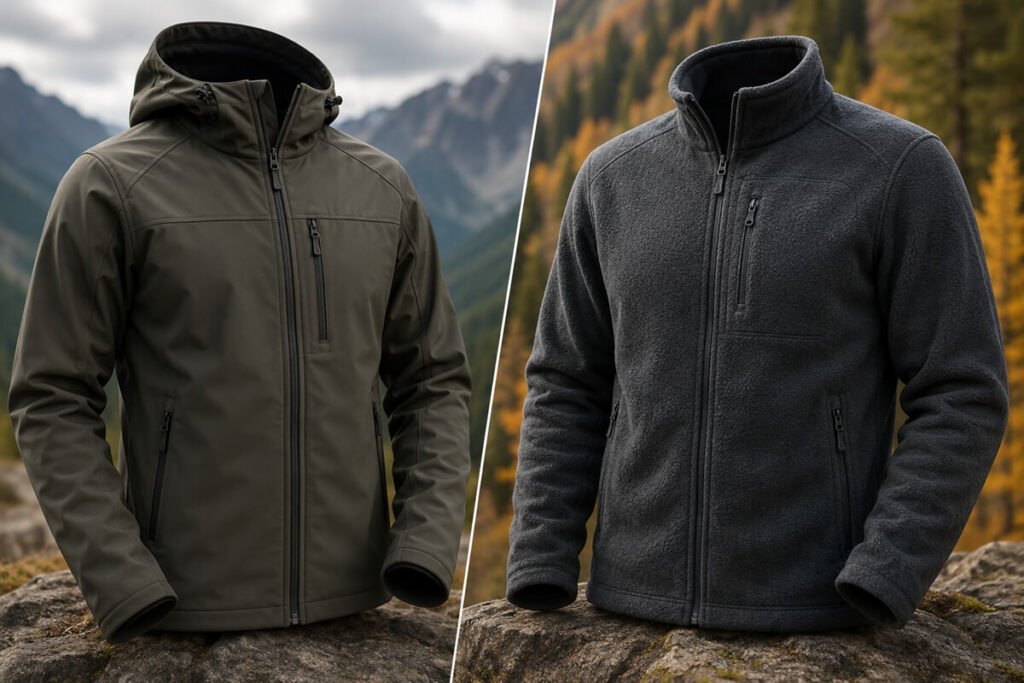
- What protects against rain and sun (jacket, glasses, hat, and sunscreen).
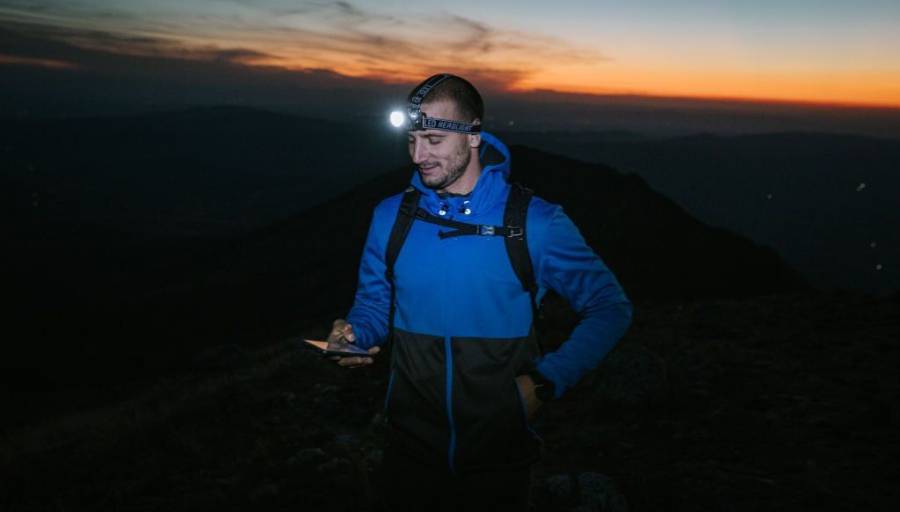
- A fully charged mobile phone can help with navigation and emergencies, but don’t rely solely on its battery. Carrying a power bank ensures your communication devices stay powered throughout your trip.
- A small medicine or small first aid kits
- Progress material: your map or a hiking stick to help you (if you are at least used to it)
Here are two useful things to avoid in this regard:
- Avoid adding little things at the last moment which are not really useful and which put one after the other will weigh it down.
- Weigh your backpack with the end of your arms instead of carrying it on your back. Testing it loaded even a few minutes is important. And remove the superfluous again.
- You will remember it when you find it heavy after several hours of walking.
3. Bring the right shoes and appropriate clothing
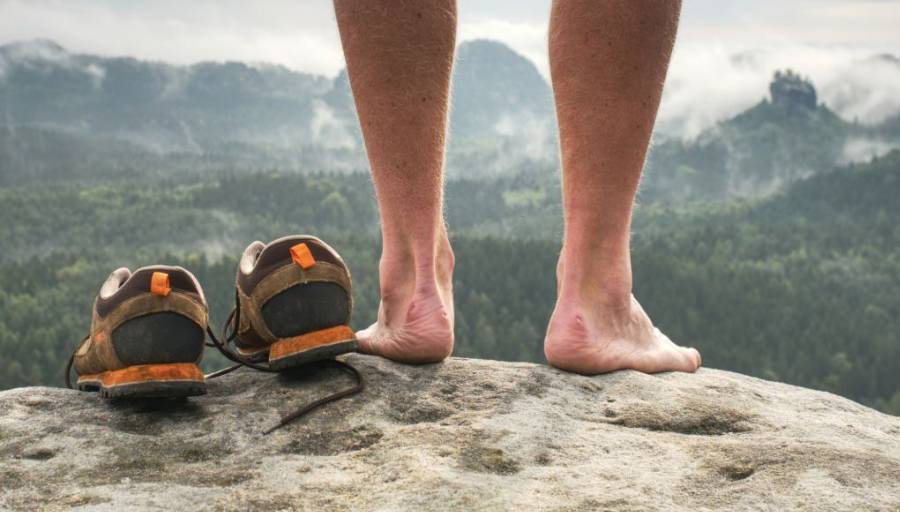
The first good reflex to get off to a good start is to have good shoes: think about your feet because they are the ones that will take you to your destination. And they are also the ones who will suffer the most. So spare them and offer them comfort.

You can consult our tips for choosing your hiking boots. But be aware that good sneakers can also do the trick. The main thing is that they have soles that grip.
In terms of equipment: breathable T-shirt, light and flexible pants, hat, and pair of gloves if you climb to altitude. It’s also crucial to have the right equipment!
4. Choose your route
Be modest and proud. You can afford a mountain hike, but maybe not Mont Blanc or Mont Ventoux to boot? With our micro-adventures, you have plenty of ideas for itineraries. Identify the right duration/height difference compromise for your first test run.
If your chosen route includes rocky terrain, steep climbs, or uneven trails, supportive footwear becomes even more important.
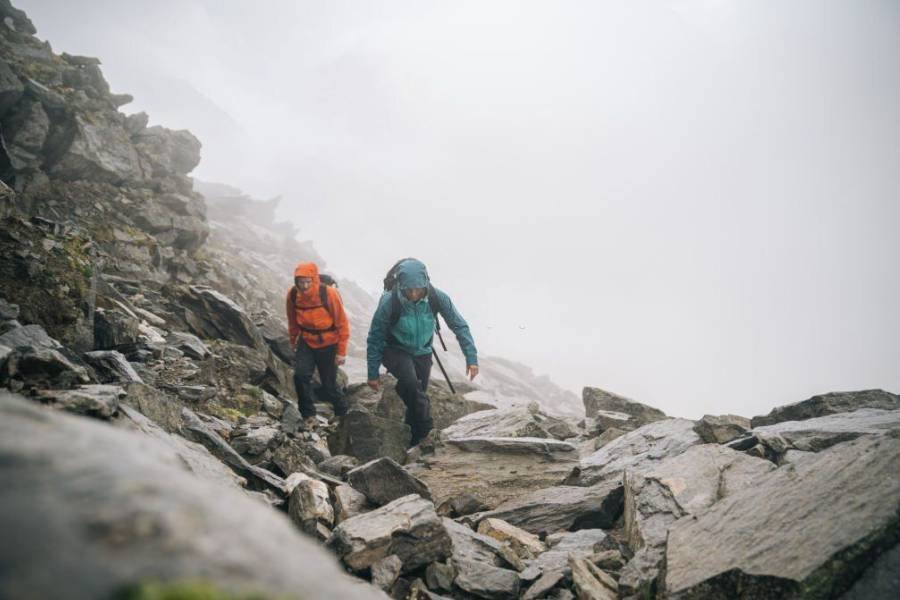
5. Check the weather
This is essential to make sure you don’t get yourself into a mess by not planning the right time. So go take a look at our advice to avoid the storm. You can also consult the Santa Cruz Mountain Bulletin to be sure!
6. Water is your key asset
Never leave without water, that’s the key! Bring sufficient water and snacks to keep yourself hydrated and fueled during the hike. Avoid relying solely on natural water sources.
- Find our good advice for managing water when hiking.
7. Provide an appropriate diet
Here too, it is essential to feed yourself appropriately during an effort in the mountains. What to put in your bag, what to avoid eating, freeze-dried or not, tips for eating… Everything is said in our advice for eating well while hiking.
During Your Mountain Hike:
8. Warm-up
Yes, we would almost forget it but even when you are planning a hike of any kind, there is nothing like doing some warm-up exercises to prepare to walk in good conditions.
9. Go at your own pace
Know that your goal is to please yourself, not to burn yourself out, and above all to want to leave. Go slowly and do not hesitate to take a break when you are short of breath. Take in the scenery – you came for that too and get your strength back before you leave.
For mountain hiking, be aware that walking times are calculated in terms of elevation gain per hour. Besides, you will have to familiarize yourself with the lexicon of the mountain – revise because Tata Simone picks up the copies in 2 hours! More seriously, it takes 5 to 6 km/h for an average hiker. So someone more experienced than you and who has already walked in the mountains. And if the terrain is somewhat uneven, your average speed will be more like 4 km/h.
10. Take cues
No need to take an IGN map if you don’t know how to read it. Instead, use a hiking GPS app that allows you to get all the information you need in real time and plot your route!
11. Drink and eat regularly
Do not wait to be thirsty, anticipate and drink regularly. And favor the intake of small amounts of carbohydrates to nourish your muscles. Digestion tires the body, so it’s better to eat a little regularly than to have a gargantuan meal.
12. Enjoy the beauty
We can never say it enough, hiking in nature is also a way to enjoy everything around us and to find ourselves. So, start the hike with your eyes wide open and enjoy the beauty of the mountain landscapes!
Common Beginner Mountain Hiking Mistakes
Many first-time hikers make avoidable mistakes that can quickly turn an enjoyable trip into a difficult experience. Wearing brand-new boots often leads to painful blisters, while carrying an overloaded backpack causes unnecessary fatigue.
Some beginners underestimate mountain weather, which can change rapidly even on sunny days. Others forget to bring enough water or snacks, leading to dehydration and low energy. Choosing a trail that’s too difficult is another common mistake. Start with shorter, well-marked routes and gradually increase distance and elevation as your fitness and confidence improve.
Mountain Hiking Safety Tips
- Tell someone where you’re hiking.
- Carry an offline map.
- Turn back if weather changes suddenly.
- Stay on marked trails.
- Carry a whistle and emergency blanket.
- Don’t hike beyond your fitness level.
Our team has spent years hiking beginner-friendly mountain trails in different weather conditions. We’ve learned that most first-time hikers struggle not because the trail is too difficult, but because of poor preparation, uncomfortable footwear, or carrying too much gear. The tips above reflect practical lessons from real hiking trips as well as current outdoor safety recommendations.
FAQs About Mountain Hiking Tips
What’s the best time of year to start mountain hiking?
Late spring through early autumn is usually the best season for beginners. Trails are generally easier to access, daylight hours are longer, and weather conditions are more predictable. Always check local trail conditions, especially if hiking in higher elevations where snow or storms may still be present.
How do I know if a hiking trail is too difficult?
Before choosing a trail, check its distance, elevation gain, estimated hiking time, and difficulty rating. If the route includes steep climbs, exposed ridges, or technical scrambling, it’s better to choose an easier alternative until you gain more experience.
What should I do if the weather changes during my hike?
Mountain weather can change quickly. If you notice dark clouds, strong winds, thunder, or rapidly dropping temperatures, turn around and head toward a safe location. Avoid exposed ridges, isolated trees, and open summits during thunderstorms.
How can I reduce knee pain on steep descents?
Descending often puts more stress on your knees than climbing. Shorten your stride, keep a steady pace, and use trekking poles to reduce impact. Strengthening your leg muscles before hiking can also improve stability and comfort on downhill sections.
Should I hike with a group or alone as a beginner?
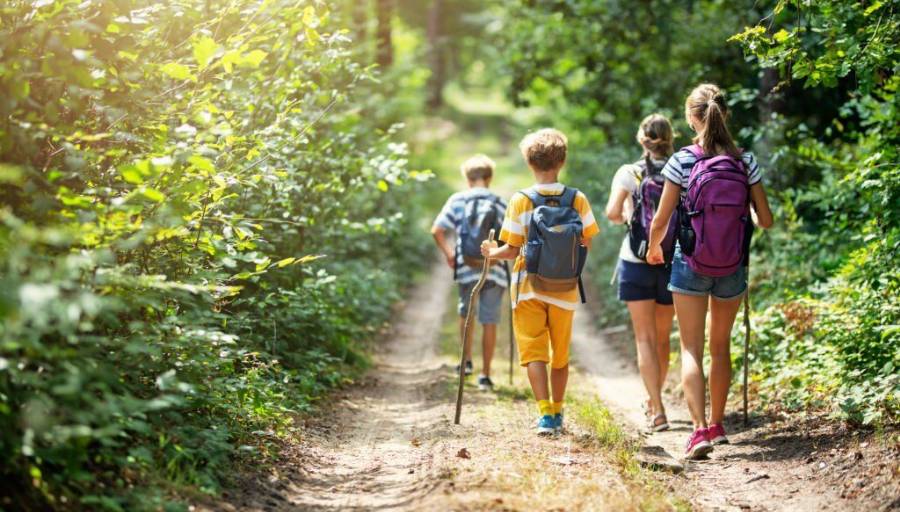
Joining a friend, local hiking club, or guided group is often the safest way to begin mountain hiking. Hiking with others provides extra support, shared navigation, and assistance in case of an emergency while helping you gain confidence and learn trail etiquette.
Conclusion
Starting mountain hiking doesn’t require expensive gear or years of experience—it requires preparation, realistic expectations, and respect for nature. Begin with easy trails, invest in reliable equipment, and gradually build your endurance. With every hike, you’ll gain confidence, improve your skills, and discover why mountain hiking is one of the most rewarding outdoor activities.
Don’t hesitate to share your feedback in the comments! We all start one day; you just have to dare to start and enjoy the present moment! Happy mountain hiking!
References:
The recommendations in this guide are supported based on our practical hiking experience and guidance from the following trusted outdoor and public health organizations:
- National Park Service (NPS) – Hiking Safety: Best practices for planning hikes, trail safety, and emergency preparedness.
- American Hiking Society – Hiking resources, safety recommendations, and trail stewardship information.
- Centers for Disease Control and Prevention (CDC) – Preventing Heat-Related Illness during outdoor activities.
- National Weather Service (NWS) – Mountain weather forecasts, thunderstorm safety, and outdoor weather preparedness.