Best Gore-Tex Jackets of 2026: Stay Dry in Any Weather

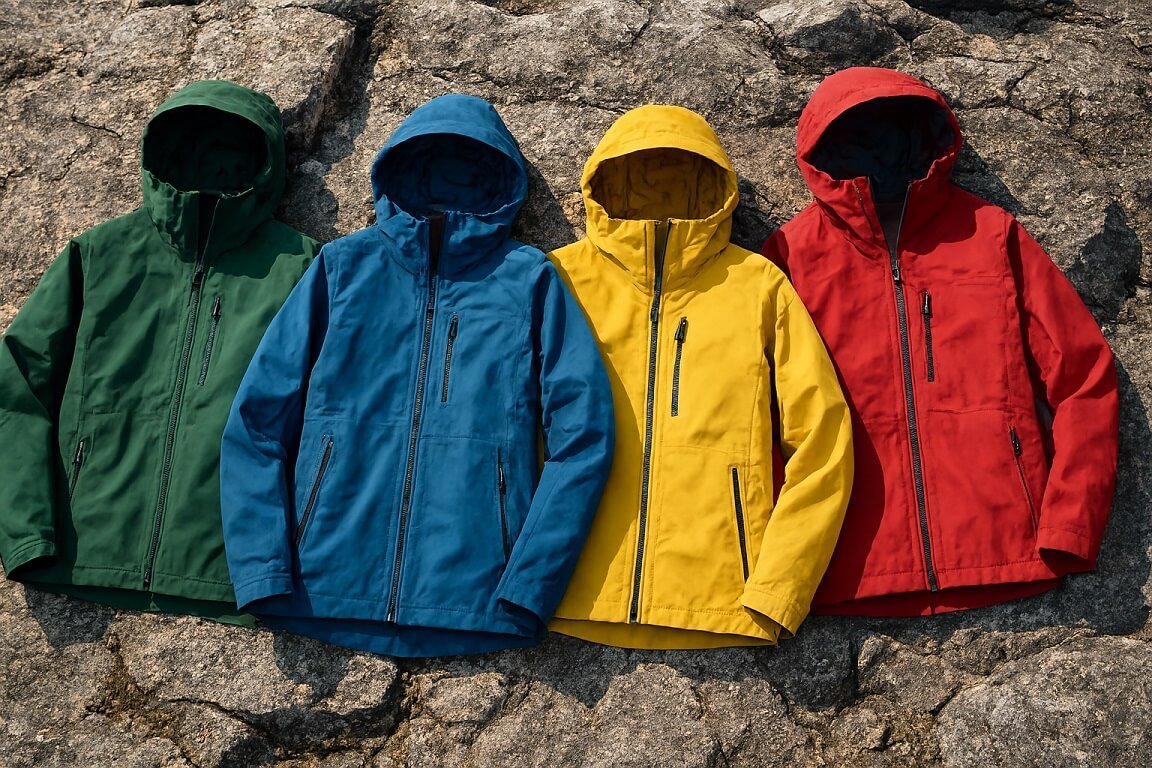
Finding the best Gore-Tex jacket depends on where you plan to use it. A lightweight shell for hiking has different priorities than a rugged jacket for alpine climbing, skiing, or extended exposure to heavy rain.
For this 2026 guide, we compared current Gore-Tex jackets based on weather protection, construction, weight, ventilation, durability, hood design, pocket layout, packability, and intended use. The lineup includes lightweight options for hiking as well as more robust GORE-TEX PRO shells designed for demanding mountain conditions.
Each jacket has a different strength. Some prioritize low weight and packability, while others focus on durability, layering space, ventilation, or technical mountain features. We’ve highlighted those differences below so you can choose a shell that fits your activities, weather conditions, and budget.
Best Gore-Tex Jackets of 2026
Here’s a quick comparison of the seven Gore-Tex jackets in this guide. The best option depends on whether you prioritize lightweight hiking, everyday versatility, alpine durability, or technical mountain performance.
| Jacket | Best For | Gore-Tex Construction | Weight | Key Advantage |
|---|---|---|---|---|
| Arc’teryx Beta AR | Mountain use | GORE-TEX PRO ePE | 460 g | Durability and versatility |
| Patagonia Triolet | Alpine & winter | GORE-TEX ePE Performance | 510 g | Rugged weather protection |
| Arc’teryx Beta | Hiking & everyday use | GORE-TEX ePE | — | Versatile design |
| Arc’teryx Beta SL | Lightweight hiking | GORE-TEX ePE | 340 g | Low weight |
| Mountain Hardwear Exposure/2 | Wet-weather hiking | GORE-TEX PACLITE | — | Packability |
| Arc’teryx Alpha SV | Technical alpine use | GORE-TEX PRO ePE | 492 g | Extreme durability |
| Rab Kangri | Hiking & trekking | 3L GORE-TEX Performance | 438 g | Ventilation and layering |
How We Evaluated These Gore-Tex Jackets
Not every Gore-Tex jacket is designed for the same conditions. A lightweight hiking shell, an alpine climbing jacket, and a winter mountain shell can use different Gore-Tex constructions and have very different priorities. For this guide, we evaluated the jackets based on their current product specifications, construction, features, intended use, and practical trade-offs.
Our comparison focuses on the factors that matter most when choosing a waterproof shell:
- Weather protection: We looked at the jacket’s Gore-Tex construction, seam sealing, hood design, cuffs, hem, and other features that contribute to protection from rain, snow, and wind.
- Breathability and ventilation: We considered the membrane construction and ventilation features such as pit zippers. Breathability can vary with activity level, temperature, humidity, layering, and jacket construction, so we don’t treat a single laboratory rating as the complete measure of performance.
- Weight and packability: We compared published jacket weights and considered how suitable each model is for users who need to carry a shell for hiking, backpacking, or other activities where pack weight matters.
- Durability: We examined face-fabric specifications, Gore-Tex construction, reinforcement, and the jacket’s intended use to determine whether it is better suited to everyday hiking or more demanding activities such as climbing and alpine travel.
- Fit and mobility: We considered the stated fit, articulated patterning, hood compatibility, layering room, and movement-oriented features. These details become particularly important when wearing a backpack, harness, or additional insulation.
- Ventilation and storage: We compared pit zippers, pocket placement, pocket accessibility, and compatibility with backpacks or climbing harnesses where applicable.
- Intended use: Rather than treating every Gore-Tex jacket as interchangeable, we considered what each model is actually designed for—from lightweight hiking and trekking to skiing, climbing, and severe alpine conditions.
- Current product information: Because manufacturers can change materials, weights, features, and model generations, we prioritize current manufacturer specifications when comparing the latest versions of these jackets.
This approach allows us to highlight the differences between lightweight, versatile, and highly technical Gore-Tex shells without assigning arbitrary scores. Product specifications and availability can change between model generations, so check the manufacturer’s current information before purchasing.
1. Arc’teryx Beta AR Jacket — Best Overall for Mountain Use

If you want one Gore-Tex shell that can move from wet hiking trails to serious mountain weather, the Arc’teryx Beta AR is built around that exact idea. Rather than chasing the lowest possible weight, it combines a durable construction with the features needed for hiking, climbing, skiing, and backcountry travel.
The current Beta AR uses GORE-TEX PRO ePE, with a more abrasion-resistant 100D construction across the yoke and upper arms and a lighter construction through the body. That combination helps reduce unnecessary bulk while reinforcing areas that commonly experience backpack and gear abrasion.
Its helmet-compatible DropHood, articulated patterning, adjustable cuffs, pit zippers, and high-volume hand pockets make it particularly practical when you’re carrying a pack or layering underneath. The 460-gram weight is reasonable for a fully featured mountain shell, although lighter options exist if pack weight is your main concern.
The Beta AR makes the most sense for hikers, climbers, and backcountry users who want a shell they can keep in rotation across several seasons. For casual rain protection, however, its technical construction and price may be more than you need.
| Pros: | Cons: |
|
|
2. Patagonia Triolet Jacket — Best for Alpine and Winter Conditions

Some rain jackets are designed primarily to disappear into a backpack. The Patagonia Triolet takes a different approach: it is a substantial alpine shell designed for days when cold, wind, snow, and persistent precipitation are all part of the forecast.
The current Triolet uses a 3-layer GORE-TEX ePE Performance shell with a recycled polyester outer. Its 75-denier construction gives it the kind of substantial feel that makes sense for demanding mountain use, while the regular fit leaves room for insulating layers underneath.
Ventilation is another strong point. Two-way pit zips let you release heat during steep climbs, while the helmet-compatible hood provides coverage when conditions deteriorate. The jacket also includes multiple harness- and pack-friendly pockets, adjustable cuffs, a dual-adjust hem, and a concealed RECCO reflector.
At 510 grams, the Triolet isn’t trying to be an ultralight emergency shell. Its appeal is elsewhere: it gives hikers, climbers, and ski-tourers a rugged outer layer that can handle extended exposure without being overly specialized.
If your adventures regularly involve cold and unpredictable mountain weather, the Triolet deserves a close look. If you mainly need something for occasional summer showers, a lighter shell will be easier to justify.
| Pros: | Cons: |
|
|
3. Arc’teryx Beta Jacket — Best Versatile Gore-Tex Shell

- Origin of fabric: China, Origin of dyeing: China 3L 80d Gore-Tex ePE with C-KNIT backer technology plain weave recycled …
- Imported
- Gore-tex Waterproof Excellence: Crafted for relentless conditions, this isn’t your average mens rain jacket with hood; t…
Not every Gore-Tex jacket needs to be built around climbing ropes, ice tools, or expedition packs. The Arc’teryx Beta takes a more flexible approach, making it a compelling option for someone who wants one waterproof shell for hiking, travel, and everyday outdoor use.
The current Beta uses an 80D face fabric combined with a GORE-TEX ePE membrane. The result is a waterproof, windproof, and breathable shell without some of the specialized construction found on heavier alpine jackets.
The design remains practical outdoors. An adjustable helmet-compatible StormHood, articulated patterning, zippered hand pockets, an internal chest pocket, adjustable cuffs, and pit zippers give it enough technical capability for serious day hikes while keeping the overall design relatively straightforward.
At $400 on Arc’teryx’s U.S. site at the time of this review, it also sits below the current Beta AR and Alpha SV in the company’s range. That makes the Beta particularly interesting for readers who want modern GORE-TEX construction without stepping all the way into an expedition-oriented shell.
The main compromise is that it doesn’t offer the same level of abrasion-focused construction as the Beta AR or Alpha SV. For general hiking and mixed outdoor use, though, that may be exactly the trade-off you want.
| Pros: | Cons: |
|
|
4. Arc’teryx Beta SL Jacket — Best Lightweight Gore-Tex Jacket

For hikers who count every ounce in their pack, the difference between a jacket that feels like emergency equipment and one that is genuinely easy to carry matters. The Arc’teryx Beta SL is designed around that lightweight philosophy.
At 340 grams, the current Beta SL is the lightest Beta model in Arc’teryx’s lineup. It uses 3-layer GORE-TEX ePE with C-KNIT backer technology, combining weather protection with a softer interior feel and low pack weight.
The feature set is surprisingly complete for such a light shell. You get a helmet-compatible StormHood, pit zippers, articulated patterning, adjustable cuffs, zippered hand pockets, an internal chest pocket, and a RECCO reflector.
That makes the Beta SL especially appealing for fast-moving hikers, backpackers, and anyone who wants a waterproof layer that can stay in the pack without becoming a noticeable burden. The trade-off is that its lighter construction isn’t aimed at the same level of abuse as the more heavily built GORE-TEX PRO shells.
If your priorities are low weight, packability, and full weather protection, this is the jacket in the group that deserves the closest attention.
| Pros: | Cons: |
|
|
5. Mountain Hardwear Exposure — Best for Lightweight Wet-Weather

There is a point where a hiking jacket doesn’t need more technical features—it simply needs to stay in the pack, take up little space, and come out when the weather turns. That’s where the Mountain Hardwear Exposure/2 GORE-TEX Paclite Jacket makes sense.
The current Exposure/2 uses 2.5-layer GORE-TEX PACLITE fabric and is specifically positioned by Mountain Hardwear as a lightweight, packable waterproof shell for hiking. The construction is fully seam-sealed, while the recycled shell fabric keeps the focus on practical wet-weather protection rather than expedition-level complexity.
Its feature set is straightforward. The jacket has an adjustable brimmed hood, two zippered hand pockets, a zippered chest pocket, adjustable cuffs, a drop-tail hem, and an adjustable hem cinch. Reinforced zippers add additional protection from wet weather.
This simpler layout can actually be an advantage for hikers who don’t need a large collection of alpine-specific features. It gives you the essentials without turning a rain shell into a heavy technical system.
The Exposure/2 is therefore worth considering when your priority is a practical hiking shell that packs easily and handles everything from light showers to prolonged wet-weather trips. For climbing or repeated heavy abrasion from technical equipment, a more robust 3-layer shell may be preferable.
| Pros: | Cons: |
|
|
6. Arc’teryx Alpha SV Jacket — Best for Serious Alpine Use

The Alpha SV is the jacket on this list for readers who are thinking beyond ordinary hiking. It is designed around prolonged exposure, technical climbing, and severe alpine conditions where durability and protection matter more than keeping the jacket as light as possible.
The current Alpha SV uses 100D GORE-TEX PRO ePE and weighs 492 grams. Its construction is deliberately rugged, with reinforced protection across the shell and a feature set designed around climbing rather than casual outdoor use.
The jacket includes a helmet-compatible StormHood, harness-compatible chest pockets, internal storage, WaterTight zippers, adjustable cuffs, glove-friendly hem controls, pit zippers, and a RECCO reflector. The patterning is also designed to support climbing movement and reach.
This is not the jacket to buy simply because you occasionally walk through the rain. The Alpha SV makes more sense when your activities regularly expose the shell to rock, snow, ice, heavy packs, and severe weather.
For those conditions, its purpose becomes much clearer: this is a technical climbing shell built around durability and protection first, with weight kept reasonable for its level of construction.
| Pros: | Cons: |
|
|
7. Rab Kangri GORE-TEX Jacket — Best for Hiking and Trekking

If your idea of a Gore-Tex jacket involves long days on the trail rather than technical climbing, the Rab Kangri brings the feature set back toward hiking. It is a full-featured mountain shell without being built exclusively around extreme alpine objectives.
The current Kangri uses a 3-layer GORE-TEX Performance shell with an ePE membrane and weighs 438 grams in a men’s medium. Rab lists a 28,000 mm hydrostatic head for the main fabric, while the jacket combines that weather protection with a regular fit intended to accommodate layers.
For hikers, some of the small details are particularly useful. The jacket has underarm vents for dumping heat, two roomy backpack-compatible hand pockets, an internal zipped pocket, an adjustable hood with a stiffened peak, adjustable cuffs, and an adjustable hem.
The regular fit also makes it easier to use as part of a layering system than a very close-fitting lightweight shell. That can be useful when temperatures fall and you need to add insulation underneath.
The Kangri is therefore an interesting middle ground: more substantial than a minimalist emergency rain shell, but less specialized than an expedition-focused Gore-Tex Pro jacket. For trekking, hill walking, and general mountain use, its balance of protection, ventilation, storage, and durability is worth considering.
| Pros: | Cons: |
|
|
Which Gore-Tex Jacket Is Right for You?
The best Gore-Tex jacket isn’t necessarily the most expensive or most technical model. The right choice depends on how much weight you want to carry, how severe the weather is likely to be, and whether you’ll use the jacket for hiking, skiing, climbing, or everyday wear.
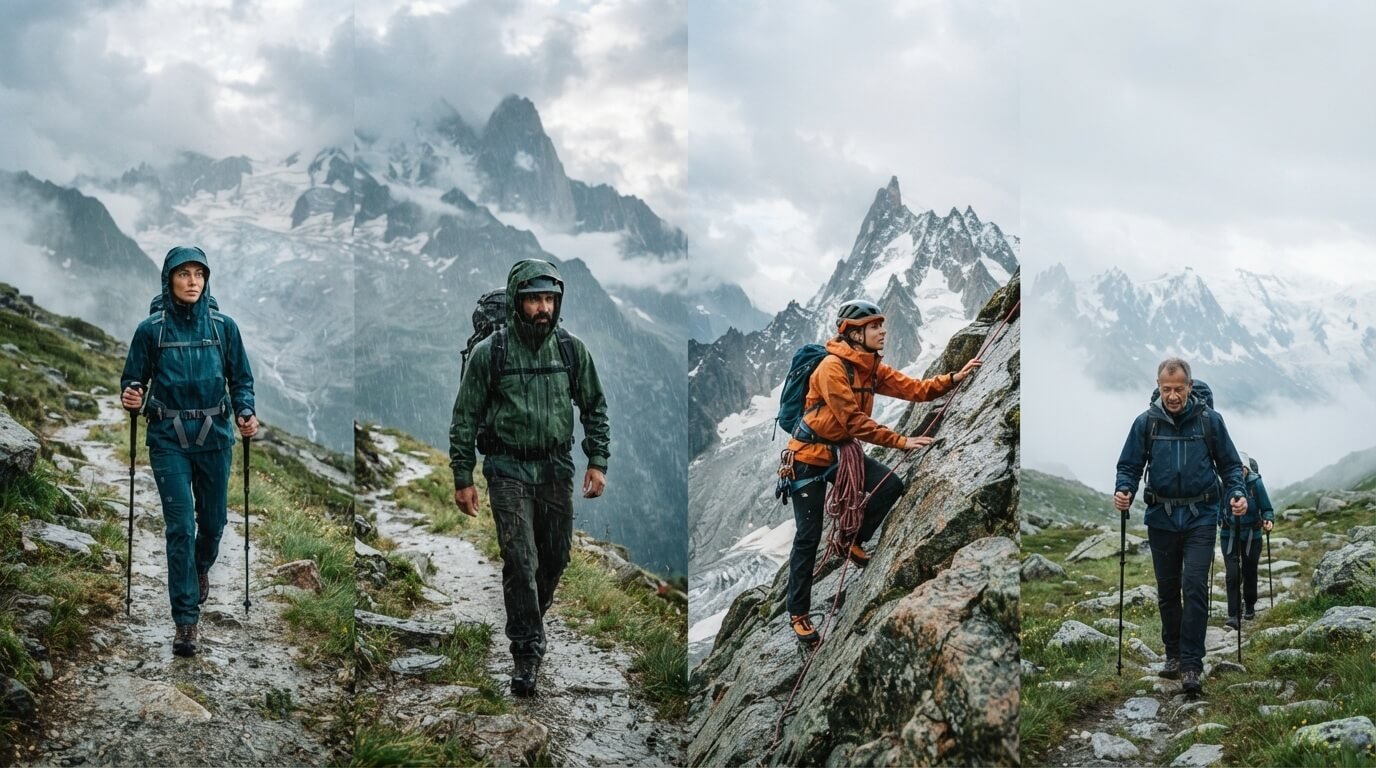
What Is the Best Gore-Tex Jacket for Hiking?
For hiking, look for a shell that balances low weight, waterproof protection, ventilation, and packability. You usually don’t need the reinforced construction of an expedition shell unless your routes involve scrambling, climbing, or frequent contact with rock.
The Arc’teryx Beta SL is particularly relevant for hikers who prioritize low pack weight, while the Rab Kangri offers more room for layering and useful ventilation features. The Arc’teryx Beta is another option if you want a shell that works for both hiking and everyday use.
For backpacking, weight becomes more important because you’ll carry the jacket for hours even when the weather is dry. In that situation, compare the jacket’s published weight with its ventilation and durability rather than choosing solely by membrane name.
If you’re specifically comparing lightweight shells for multi-day trips, explore our expert guide of the best lightweight rain jackets for backpacking covers packability, weight, ventilation, and trail use in greater detail.
What Is the Best Lightweight Gore-Tex Jacket?
If keeping pack weight down is your priority, the Arc’teryx Beta SL stands out in this guide at 340 grams. It combines a lightweight 3-layer GORE-TEX ePE construction with features such as an adjustable hood, articulated patterning, and storage for essential items.
A lightweight jacket can be useful for day hikes, backpacking, and fast-moving trips where a waterproof shell spends much of its time in your pack. However, saving weight often means accepting some compromises in fabric robustness or features, so consider how much abrasion and heavy use the jacket will face.
What Is the Best GORE-TEX PRO Jacket?
GORE-TEX PRO jackets are designed for demanding outdoor use where durability and weather protection are important. They generally make more sense for alpine climbing, mountaineering, ski touring, and other activities where the shell may encounter heavy packs, equipment, rock, snow, or ice.
The Arc’teryx Alpha SV is the most specialized GORE-TEX PRO option in this guide, using a 100D GORE-TEX PRO ePE construction and climbing-oriented features. The Arc’teryx Beta AR takes a more versatile approach, making it suitable for users who want a highly durable shell without focusing exclusively on technical climbing.
For ordinary hiking in moderate conditions, however, GORE-TEX PRO isn’t automatically necessary. A lighter GORE-TEX construction may provide everything you need while reducing weight and cost.
What Is the Best Gore-Tex Jacket for Heavy Rain?
When heavy rain is the main concern, pay attention to more than the Gore-Tex name. Look for a waterproof shell with a fully weather-protective construction, sealed seams, an adjustable hood, secure cuffs, and useful ventilation.
The Patagonia Triolet is built for prolonged exposure to demanding weather, while the Arc’teryx Beta AR combines substantial construction with pit zippers and a technical hood. For hiking and trekking, the Rab Kangri adds underarm ventilation that can be useful when you’re working hard in wet conditions.
Remember that ventilation matters during heavy rain because staying dry isn’t only about preventing water from entering the jacket. If your activity level is high, trapped heat and moisture can make even a highly waterproof shell feel uncomfortable.
If your priority is general hiking in wet conditions rather than specifically choosing Gore-Tex, see our guide to the best rain jackets for hiking for additional waterproof-shell options.
What Is the Most Affordable Gore-Tex Jacket?
If price is your main concern, don’t assume that you need the most advanced Gore-Tex construction available. A simpler shell can provide reliable wet-weather protection without the additional features and reinforced fabrics found on premium alpine jackets.
The Mountain Hardwear Exposure/2 GORE-TEX PACLITE is worth considering for hikers who want a relatively straightforward waterproof shell with a focus on packability. Its minimalist design may also be preferable if you don’t need climbing-specific features.
Prices can change considerably between retailers, colors, sizes, and model generations. Before buying, compare the current price with the jacket’s weight, construction, ventilation, and intended use rather than judging value from the Gore-Tex name alone.
What Is the Best Gore-Tex Jacket for Mountaineering?
Mountaineering places different demands on a waterproof shell than ordinary hiking. A suitable jacket should provide enough room for layers, allow unrestricted movement, work with a climbing harness, and provide reliable protection when conditions become severe.
The Arc’teryx Beta AR is designed as a versatile mountain shell, while the Arc’teryx Alpha SV is more specifically oriented toward technical alpine climbing. The Patagonia Triolet is another option for users who want a substantial shell for alpine and winter conditions.
For technical mountain trips, pay particular attention to hood compatibility, pocket placement, pit ventilation, cuff adjustment, hem coverage, fabric durability, and compatibility with your backpack or harness.
Best Gore-Tex Jackets: Buying Guide
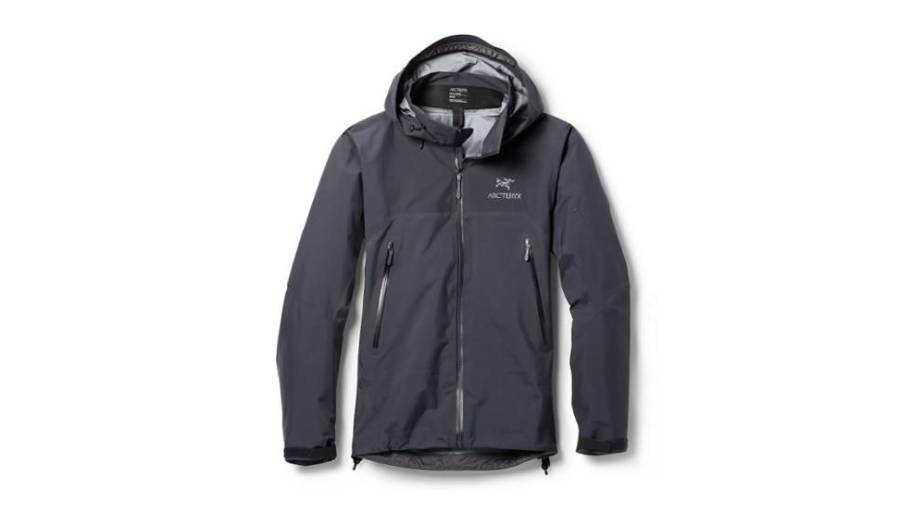
Whether you’re hiking, skiing, or just facing unpredictable weather, knowing what to look for helps you invest wisely. Below are the key factors that define a quality Gore-Tex jacket and how to choose one that fits your needs.
Waterproof Protection
The main reason for buying a Gore-Tex jacket is to stay dry in heavy rain or snow. Always check the waterproof rating — measured in millimeters (mm). A jacket with a 20,000mm waterproof rating or higher provides excellent protection against prolonged downpours. Also, check if it has a DWR (Durable Water Repellent) coating for added resistance.
If you’re preparing for an overnight trip where rain is expected, our guide to camping in the rain covers additional ways to stay dry and comfortable beyond choosing the right shell.
Fully Taped Seams
Even the most waterproof fabric won’t perform well if water can seep through the stitching. Fully taped seams ensure complete waterproofing, while critically taped seams cover only high-exposure areas. If you spend long hours in wet conditions, go for a jacket with fully taped seams for maximum protection.
Breathability
Staying dry from the inside is just as important. High breathability allows sweat and heat to escape during intense activities. Look for a breathability rating of 20,000 g/m² or higher, which helps prevent that clammy feeling during hiking, skiing, or running in wet weather.
Design and Features
Gore-Tex jackets vary from minimalist shells to feature-packed models. Decide how you’ll use it:
- For hiking or backpacking: Lightweight, packable jackets with ventilation zippers are ideal.
- For mountaineering or snow sports: Look for reinforced shoulders, helmet-compatible hoods, and multiple pockets.
If you’re unsure how shell construction affects weight, durability, and everyday use, our guide to 2.5-layer vs. 3-layer rain jackets explains the differences in more detail.
Choose a design that matches your activity level and environment. For more specialized recommendations, you can explore our detailed guides on backpacking rain jackets and the best rain jackets for hiking, which break down options based on specific outdoor use cases.
Fit and Comfort
A proper fit enhances comfort and performance. The best Gore-Tex jackets allow easy layering without feeling bulky. Try to find a fit that gives freedom of movement but seals out cold air. Adjustable cuffs, hems, and hoods also improve comfort and weather protection.
For skiing and other cold-weather activities, our guide on how to layer for skiing explains where a waterproof shell fits within a complete layering system.
Durability and Build Quality
A Gore-Tex jacket is an investment meant to last for years. Jackets made from Gore-Tex Pro or Gore-Tex Performance fabrics offer superior durability for rugged conditions. Check for reinforced panels and strong zippers — these small details significantly improve longevity.
Price and Value
Gore-Tex jackets can range from budget-friendly to premium technical gear. High-end models usually feature lighter materials, better breathability, and long lifespan. Consider your outdoor activities and climate, then pick the best balance between performance and price.
FAQs About Best Gore-Tex Jackets of 2026
Are all Gore-Tex jackets waterproof?
Not every product using Gore-Tex technology should be treated as an equivalent waterproof shell. Gore-Tex product technologies are designed for different levels of weather protection and intended uses. When you need reliable protection from sustained rain or snow, check the specific jacket’s current waterproof construction, seam sealing, and product specifications rather than relying on the Gore-Tex name alone.
What is the difference between GORE-TEX and GORE-TEX PRO?
GORE-TEX PRO is designed for demanding outdoor use where durability and weather protection are priorities. Standard GORE-TEX constructions cover a wider range of jackets, from hiking shells to everyday rain protection. The exact performance depends on the specific membrane, fabric construction, and jacket design.
Is a Gore-Tex jacket good for hiking?
Yes. A waterproof Gore-Tex shell can be useful for hiking in sustained rain, snow, and windy conditions. For backpacking, prioritize a combination of low weight, packability, ventilation, and durability rather than choosing a jacket solely because it uses Gore-Tex.
How should I wash a Gore-Tex jacket?
Follow the care instructions for the specific jacket. In general, proper washing helps remove dirt and body oils that can affect the outer fabric’s water repellency. Avoid fabric softeners and use the cleaning and drying method recommended by the manufacturer.
Can Gore-Tex jackets be repaired if they get damaged?
Yes, you can repair Gore-Tex jackets if they get damaged. Gore-Tex offers a repair service that can fix tears, holes, and other types of damage.
Can Gore-Tex jackets be used for activities other than outdoor recreation?
Yes, Gore-Tex jackets can be used for a variety of activities, including commuting, running errands, and other everyday activities that require protection from the elements.
Final Thoughts
The best Gore-Tex jacket depends on the conditions and activity you have in mind. For everyday hiking and wet-weather use, prioritize a lightweight shell with good ventilation and packability. For skiing, climbing, and alpine trips, a more durable GORE-TEX PRO construction can make more sense.
Before buying, check the jacket’s current membrane technology, weight, seam construction, ventilation, hood design, fit, and care requirements. Product specifications and availability can also change between model generations, so verify the current version before ordering.
If you regularly hike in wet conditions, focus on the features that match your environment rather than simply choosing the jacket with the most expensive Gore-Tex construction.