Snowboarding Safety Tips for first-Timers


You’re hyped to hit the slopes, picturing yourself carving perfect lines. But hold up, newbie! Snowboarding’s a blast, but respect the mountain. We’ve seen it all in our 8 years: from spectacular wipeouts to preventable injuries. Let’s get you prepped to avoid the common pitfalls and enjoy the ride.
1. Gear Up, Don’t Gear Out (The Right Stuff Matters)
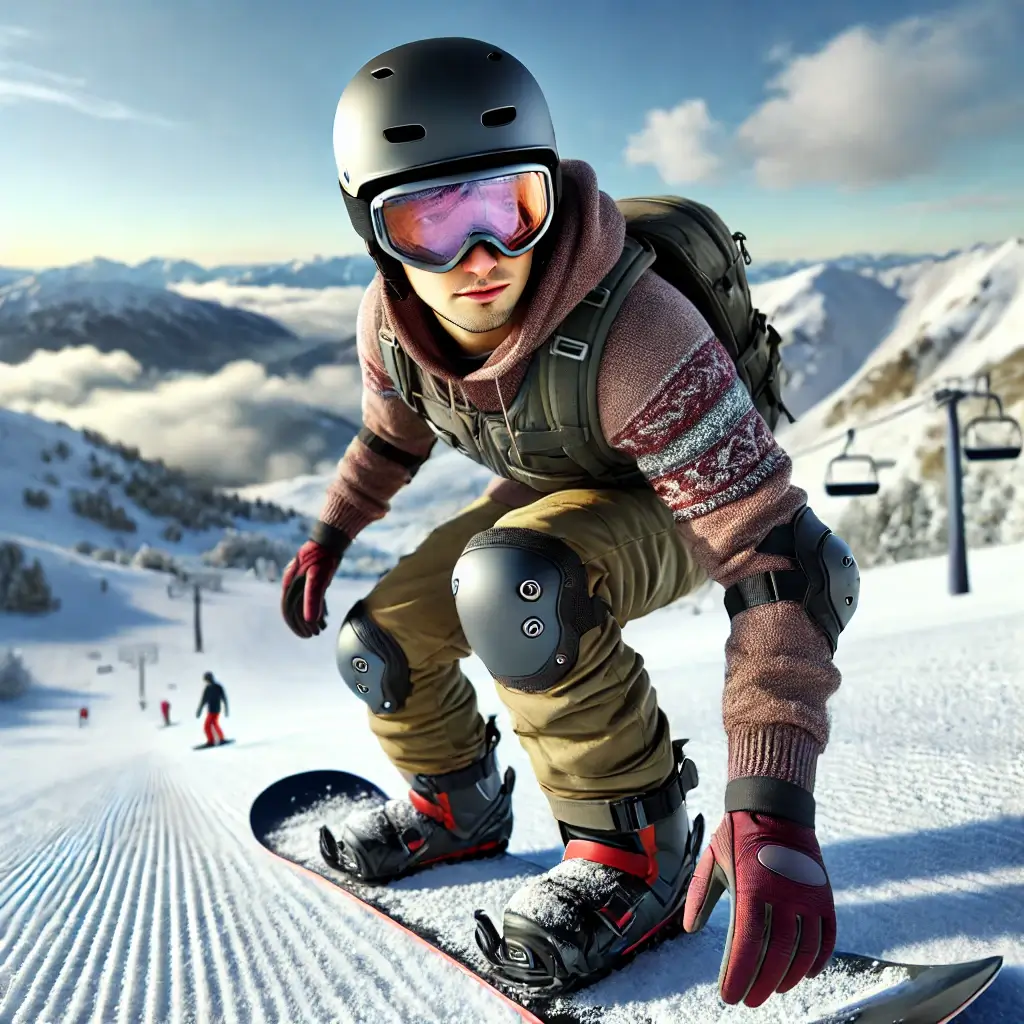
- Helmet: Non-Negotiable. We’ve seen helmets take hits that would have been game-ending without them. Period. Don’t be a hero; protect your brain.
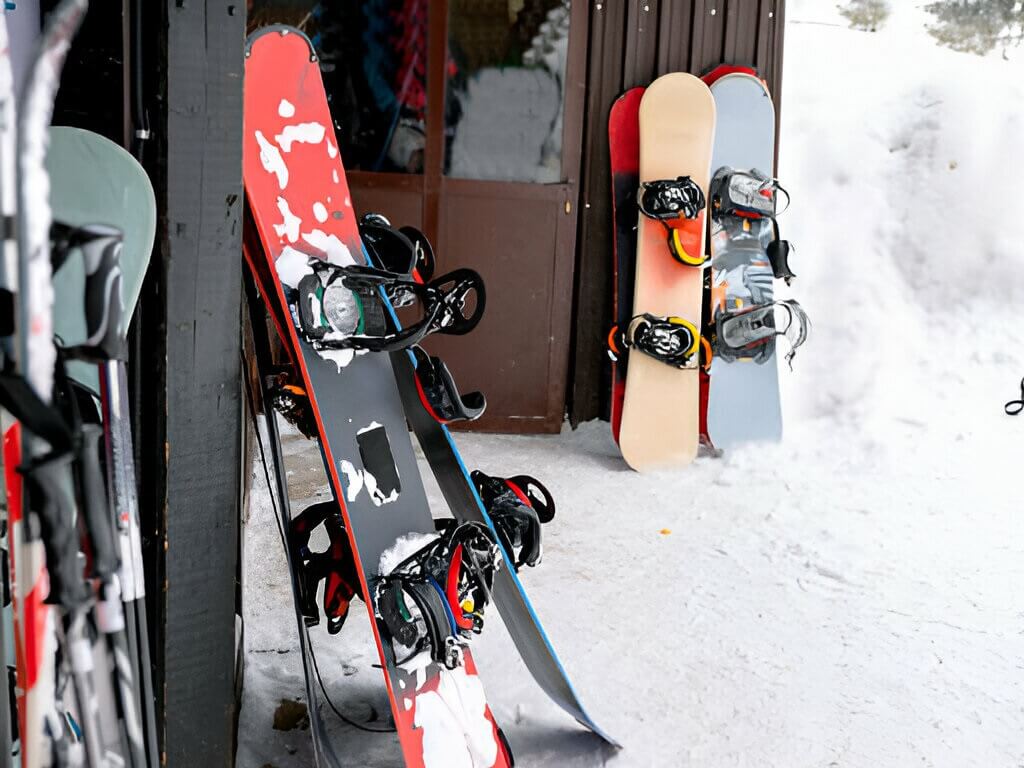
- Boots and Bindings: If you’re beginner, fit is King. Rental boots can be a gamble. If possible, invest on your own pair. Ill-fitting boots lead to discomfort and poor control. Bindings should be snug but not cutting off circulation.
- Our guide to the best snowboard boots can help you find a comfortable option that improves both control and confidence on the mountain. We once spent a whole day with bindings that were too loose. It was like trying to control a runaway shopping cart.
- Proper Clothing: Layers, Layers, Layers. Forget looking fashionable; focus on function. Waterproof and breathable is essential. We’ve learned the hard way that cotton is your enemy. You get wet and cold, and your day is ruined.
- Wrist Guards: Protect Those Wrists. Falling is inevitable, and your wrists are prime targets. Wrist guards absorb impact and can prevent breaks or sprains. We regret not wearing them during our initial learning phase.
- Goggles and Sunscreen: Sight and Skin Protection. Mountain sun is intense, even on cloudy days. Goggles protect your eyes from wind, snow, and UV rays. Riders who struggle with poor goggle fit may also want to check out our recommendations for the best snowboard goggles for small faces. Don’t forget lip balm with SPF! We’ve seen people with sunburns that looked like they belonged in a lobster pot.

2. Before You Hit the Lift: The Basics
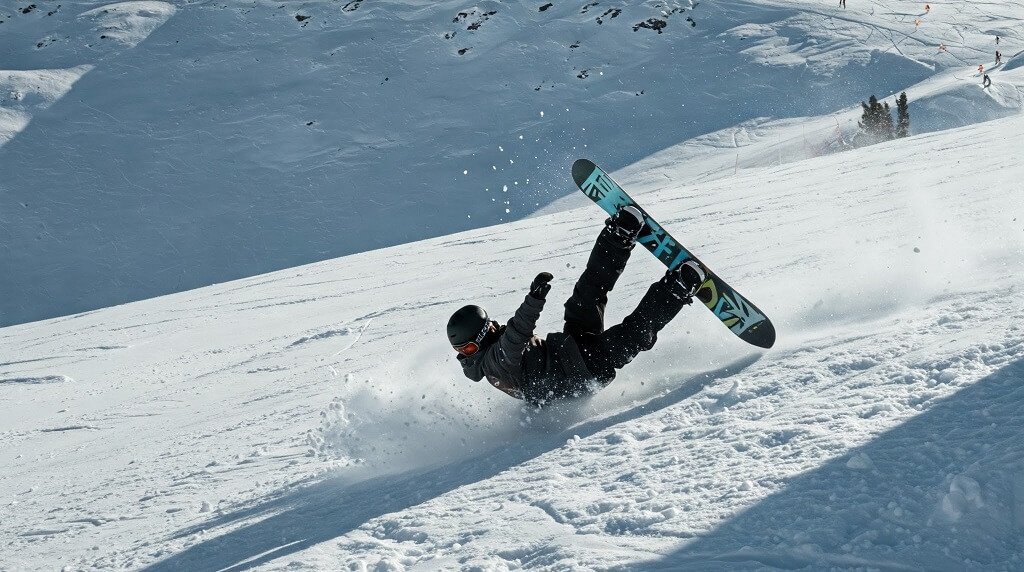
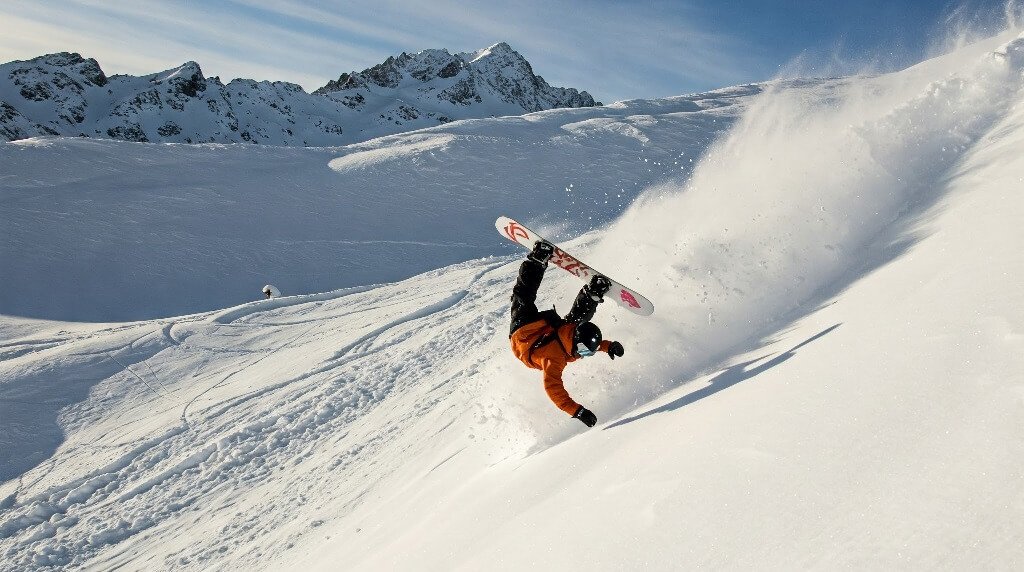
- Falling Smart: Learn to fall correctly. Aim for your butt or side, not your hands or head. Relax your body during the fall to absorb the impact. We’ve seen people tense up and get injured.
- Getting Up: It’s harder than it looks. Practice on flat ground. Use your hands and knees to push yourself up, keeping your board perpendicular to the slope.
- Basic Stance and Balance: Bend your knees, keep your back straight, and distribute your weight evenly. Practice shifting your weight from toe to heel edge.
- One-Footed Gliding: Get comfortable pushing with one foot and gliding on the other. This skill is essential for getting on and off the lift and navigating flat areas.
“The type of snowboard you’re riding can also affect stability and edge control. Understanding snowboard camber vs rocker profiles can help beginners choose a board that matches their learning style.”
3. The Lift: A Source of Anxiety (and Comedy)
- Watch and Learn: Observe experienced riders getting on and off the lift. Don’t be afraid to ask for help.
- Communicate: Let the lift operator know it’s your first time. They’ll slow the lift if needed.
- Stay Calm: Don’t panic. Keep your board pointed straight and sit down smoothly.
- Getting Off: Look for the designated exit area. Stand up smoothly and ride away. We have seen people fall directly off the lift, creating a domino effect.
4. The First Descent: Baby Steps (and Turns)
- Start on a Gentle Slope: Don’t try to conquer the mountain on your first run. A beginner area is essential.
- The Falling Leaf: This is your first controlled descent. Keep your board perpendicular to the slope and slide down slowly.
- Toe and Heel Edge Control: Practice shifting your weight to engage your edges and control your speed. This is the foundation of turning.
- Linking Turns: Once you’re comfortable with edge control, start linking turns. Focus on smooth transitions and maintaining balance.
- Control Your Speed: Speed is your enemy in the beginning. Use your edges to slow down or stop. We have seen many beginners go too fast and lose control.
“Choosing the right mountain is just as important as choosing the right gear. If you’re planning your first trip, these beginner-friendly snowboarding resorts in Colorado offer gentle terrain and excellent learning areas.”
5. Mountain Etiquette and Awareness: Sharing the Slopes
- Look Before You Go: Always check uphill before starting your descent. Avoid cutting off other riders.
- Yield to Downhill Riders: The rider below you has the right of way.
- Don’t Sit in the Middle of the Slope: Move to the side if you need to stop.
- Respect Closed Areas: Stay within designated areas. Closed areas are closed for a reason.
- Be Aware of Your Surroundings: Stay alert and anticipate the actions of other riders.
6. Listen to Your Body: Know When to Stop
- Fatigue: Snowboarding is physically demanding. Don’t push yourself too hard, especially on your first day. Fatigue increases your risk of injury.
- Cold: If you’re cold, take a break and warm up. Hypothermia is a real risk.
- Pain: Don’t ignore pain. If something hurts, stop riding and seek medical attention if needed. We have seen riders push through pain and make injuries worse.
- Hydration: Drink plenty of water throughout the day. Dehydration can lead to fatigue and muscle cramps.
7. Lessons Learned: Our Biggest Mistakes and How to Avoid Them
- Snowboarding takes time and practice. Be patient with yourself.
- Don’t get complacent. Always wear a helmet and follow the rules of the mountain.
- Don’t try to tackle advanced terrain before you’re ready.
- Professional instruction can accelerate your learning and prevent bad habits. We wish we had taken more lessons sooner.
- Fresh powder can completely change how your board handles. Once you’ve mastered the basics, learning some of the best snowboarding techniques for powder snow will help you stay balanced and in control in deeper conditions.
Frequently Asked Questions
How many lessons does a beginner need before snowboarding alone?
Most beginners can safely navigate easy green runs after one or two professional lessons. However, progression depends on fitness level, balance, and previous board-sport experience.
What is the most common injury for first-time snowboarders?
Wrist injuries are among the most common because beginners instinctively use their hands to break falls. Wearing wrist guards and learning proper falling techniques can significantly reduce the risk.
Can adults learn snowboarding later in life?
Yes. Many adults successfully learn snowboarding in their 30s, 40s, and beyond. Proper instruction, quality equipment, and realistic expectations are usually more important than age.
Beginner Snowboarding Safety Checklist
- Wear a certified helmet
- Use properly fitted boots and bindings
- Check weather and trail conditions
- Carry water and stay hydrated
- Start on beginner terrain
- Learn how to fall safely
- Take breaks when fatigued
- Respect mountain rules and signage
Final Thoughts
Snowboarding is an incredible experience. If you follow these safety tips and learning from our mistakes, you can maximize your enjoyment and minimize your risk. Remember to have fun, respect the mountain, and stay safe!
For additional slope safety guidance, riders should also review the Responsibility Code and safety recommendations provided by their local ski resort.