5 Best Energy Bars for Hiking: Tested on Long Trails

Nothing slows down a great hike like running out of energy. Whether you’re tackling a steep climb or covering long miles, the right energy bar can keep you going without weighing you down. But not all bars are created equal—some taste like cardboard, while others are packed with sugar but leave you hungry an hour later.
I’m Jonathan Larson, a professional outdoorsman, and I’ve tested countless energy bars on the trail. I know what works and what doesn’t when you need a reliable boost. In this guide, I’ll share my five favorite energy bars for hiking, chosen for their taste, nutrition, and real-world performance. Whether you need sustained energy for a full-day trek or a quick bite to power through a tough section, these options will keep you fueled without the crash. Let’s get into it.
Top 5 Energy Bars for Hiking 2026
Here’s a clean comparison table of five favorite energy bars for hiking. If you want me to adjust specific details, let me know!
| Energy Bar | Calories | Protein | Sugar | Key Ingredients | Best For |
| Clif Bar | 250 | 10g | 21g | Rolled oats, soy protein, brown rice syrup | Long hikes, steady energy |
| RXBAR | 210 | 12g | 13g | Dates, egg whites, nuts | High-protein, clean ingredients |
| Larabar | 200 | 4g | 18g | Dates, nuts, fruit | Simple, whole-food ingredients |
| ProBar Meal | 390 | 11g | 20g | Nuts, seeds, dried fruit | Meal replacement, high-calorie needs |
| Honey Stinger Waffle | 150 | 1g | 14g | Honey, wheat flour, butter | Quick energy, light snack |
My 5 Favorite Energy Bars for Hiking – Trail-Tested Reviews
- 1. Clif Bar – Best for Steady Energy on Long Hikes
- 2. RXBAR – Best for High-Protein Fueling
- 3. Larabar – Best for Simple, Natural Energy
- 4. ProBar Meal – Best for High-Calorie Needs
- 5. Honey Stinger Waffle – Best for Quick Energy
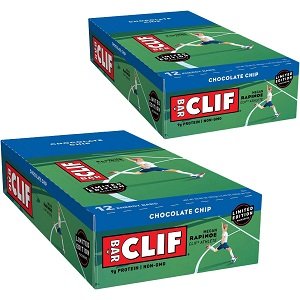
1. Clif Bar Steady Energy on Long Hikes
Tech Specs:
- Calories: 250
- Protein: 10g
- Carbohydrates: 45g
- Sugar: 21g
- Fat: 5g
- Key Ingredients: Rolled oats, soy protein, brown rice syrup
- Our Rating: ★★★★☆
I took Clif Bars with me on a multi-day backpacking trip through the Rocky Mountains, where I needed slow-burning fuel for long ascents. These bars are a staple among hikers for good reason—they provide a solid mix of carbohydrates, protein, and fats, keeping energy levels steady without a sugar crash.
The texture is soft and chewy, making it easy to eat on the move. Unlike some bars that feel too dry, Clif Bars go down smoothly, even in dry climates. I tested a few flavors, and while some were better than others, they all had a natural taste without being too sweet. The 10 grams of protein come from plant-based sources, making them a solid choice for vegetarian hikers.
One downside is the sugar content—at 21 grams per bar, they aren’t the lowest in sugar. However, if you’re burning calories fast on the trail, the balance of macronutrients makes sense. I also found that these bars can get a bit sticky in warm weather, so keeping them in a cool spot in your pack helps.
Pros:
✔ Provides long-lasting energy
✔ Good variety of flavors
✔ Soft and chewy texture
✔ Plant-based protein
Cons:
✘ Higher sugar content
✘ Can get sticky in hot weather
2. RXBAR for High-Protein Fueling

Tech Specs:
- Calories: 210
- Protein: 12g
- Carbohydrates: 24g
- Sugar: 13g
- Fat: 9g
- Key Ingredients: Dates, egg whites, almonds, cashews
- Our Rating: ★★★★☆
While hiking a rugged section of the Appalachian Trail, I wanted a protein-packed bar that wouldn’t leave me feeling sluggish. RXBARs stood out because they use simple, whole-food ingredients, with egg whites as the primary protein source. The bars are dense but not overly processed, which I appreciated when looking for clean energy.
Each bar has 12 grams of protein, which helped with muscle recovery on longer days. The texture is chewy and a bit tough, especially in colder weather, so taking small bites helped. The natural sweetness comes from dates to keep the sugar content moderate without artificial additives.
Flavors like Peanut Butter Chocolate and Blueberry were solid, though some tasted a bit too dense. One thing to keep in mind is that these bars are on the firmer side, so they may not be the best choice if you prefer something softer. Overall, RXBARs worked well as a mid-hike snack or post-hike recovery option.
Pros:
✔ High protein content
✔ No artificial additives
✔ Naturally sweetened with dates
✔ Compact and easy to carry
Cons:
✘ Can be tough to chew, especially in cold weather
✘ Some flavors feel too dense
3. Larabar for Simple, Natural Energy

Tech Specs:
- Calories: 200
- Protein: 4g
- Carbohydrates: 24g
- Sugar: 18g
- Fat: 10g
- Key Ingredients: Dates, nuts, fruit
- Our Rating: ★★★★☆
On a humid hike in the Florida Everglades, I needed a lightweight bar that wouldn’t feel heavy or processed. Larabars, made with just nuts and fruit, were the perfect solution. They provide quick energy without preservatives or added sugars, which is great for those looking for a clean, whole-food snack.
Each bar contains only a handful of ingredients—usually just dates, nuts, and fruit. This simplicity makes them easy to digest, and I never felt sluggish after eating one. The texture is soft and slightly sticky, but they hold up well even in warm temperatures.
With 18 grams of natural sugar, they offer a quick energy boost, though they lack the protein needed for sustained endurance. I found them ideal for short to medium-length hikes when I needed something easy on my stomach. Flavors like Apple Pie and Peanut Butter Chocolate Chip were among my favorites.
Pros:
✔ Minimal ingredients, no additives
✔ Naturally sweetened
✔ Soft and easy to eat
✔ Great for quick energy
Cons:
✘ Lower in protein
✘ Can get oily in warm conditions
4. ProBar Meal for High-Calorie Needs
Tech Specs:
- Calories: 390
- Protein: 11g
- Carbohydrates: 47g
- Sugar: 20g
- Fat: 18g
- Key Ingredients: Nuts, seeds, dried fruit
- Our Rating: ★★★★★
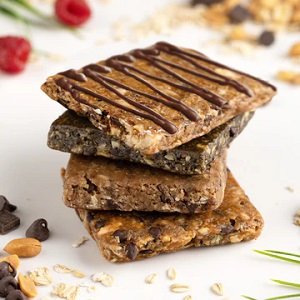
For long days on the John Muir Trail, where I needed a meal replacement, ProBar Meal bars delivered. With nearly 400 calories per bar, they offer a mix of protein, fats, and carbs to keep you going for hours. These bars are larger and more filling than most, making them great for extended hikes or backpacking trips.
The texture is soft with plenty of nuts and seeds, giving it a satisfying chew. The flavors are rich but not overly sweet, and I liked that they felt like real food rather than just a snack. With 11 grams of protein, they also provide enough recovery benefits for long days on the trail.
However, because of their size, they take up more space in your pack, and they’re a bit pricey. But if you need a meal on the go, these are worth it.
Pros:
✔ High-calorie, meal-sized bar
✔ Great mix of macronutrients
✔ Satisfying texture and flavor
✔ Provides long-lasting energy
Cons:
✘ Larger size takes up more space
✘ More expensive than other bars
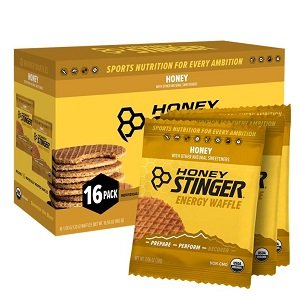
5. Honey Stinger Waffle for Quick Energy
Tech Specs:
- Calories: 150
- Protein: 1g
- Carbohydrates: 21g
- Sugar: 14g
- Fat: 7g
- Key Ingredients: Honey, wheat flour, butter
- Our Rating: ★★★★☆
When I needed a quick pick-me-up on a high-altitude trek in the Sierras, the Honey Stinger Waffle hit the spot. These thin, crispy waffles are light yet provide an instant energy boost. Made with organic honey and wheat flour, they taste great and aren’t as heavy as traditional energy bars.
The texture is similar to a stroopwafel—crispy on the outside, slightly chewy in the middle. They work best for short bursts of energy rather than sustained endurance, so I used them before steep climbs or for a fast snack. The downside is they crumble easily, so I had to be careful packing them.
Pros:
✔ Light and easy to eat
✔ Tastes great, like a snack
✔ Provides quick energy
✔ Organic ingredients
Cons:
✘ Low in protein
✘ Crumbles easily in packs
FAQs – Buying Guide for the Top-Rated Energy Bars for Hiking
What should I look for in a good hiking energy bar?
When choosing an energy bar for hiking, consider:
- Caloric Content – Look for bars with 200-400 calories to keep you fueled.
- Macronutrient Balance – A good mix of carbs, protein, and fats ensures sustained energy.
- Sugar Levels – Natural sugars (from fruit or honey) are preferable to artificial sweeteners.
- Protein Source – If you need recovery support, look for at least 10g of protein per bar.
- Portability – Bars should be compact, durable, and resistant to melting or crumbling.
Which energy bar is best for long hikes?
For long hikes, Clif Bars and ProBar Meal bars work best because of their higher calorie and carb content, providing sustained energy. ProBar Meal is ideal for all-day treks since it’s more filling.
What is the best energy bar for quick bursts of energy?
If you need a fast boost before a steep climb or an energy dip, Honey Stinger Waffles are great. They digest quickly and provide a rapid sugar-based energy spike.
Are high-protein bars good for hiking?
Yes, but it depends on your goal. RXBARs are great if you want protein for muscle recovery, but if you need immediate energy, a carb-heavy bar like Larabar might work better.
Do energy bars melt or get sticky in warm weather?
Some bars, like Clif Bars, can get sticky in high heat, while Honey Stinger Waffles tend to crumble. If hiking in hot conditions, go for RXBARs or ProBar Meal, as they hold their texture better.
Are there any energy bars with minimal ingredients?
Yes! Larabar has some of the simplest ingredient lists—usually just nuts and fruit—making them great for those who prefer clean, whole-food options.
What’s the best budget-friendly hiking energy bar?
Clif Bars are widely available and offer a good balance of nutrition and cost. They are often sold in bulk, making them one of the best budget-friendly options.
What’s the best meal replacement energy bar for hiking?
If you need a full meal replacement, ProBar Meal is the best choice. It’s higher in calories (around 390) and has a balanced macronutrient profile to keep you full for longer.
How many energy bars should I pack for a hike?
For a half-day hike, 1-2 bars should be enough. For a full-day or multi-day hike, aim for 2-4 bars per day, depending on your energy needs and other food you’re carrying.
Are there gluten-free energy bars for hiking?
Yes! Larabar and many flavors of RXBARs are gluten free, making them excellent choices for those with dietary restrictions.
Final Thoughts
Out on the trail, every step is powered by more than just calories — it’s fueled by determination, adventure, and the joy of moving through wild places. The right bar in your pack isn’t just food; it’s a reminder that you’re prepared, supported, and ready to push further. Whether you’re climbing toward a summit or wandering a quiet forest path, these small bites carry big meaning: resilience, comfort, and the promise of energy when you need it most.
At the end of the day, it’s not about the bar itself — it’s about the journey it helps you embrace.