Fall Camping Tips and Essential Checklist for a Safe, Warm Trip

Fall camping can be one of the most comfortable times of the year to sleep outdoors, but cooler nights, wind, rain, and rapidly changing temperatures require the right preparation. In this guide, you’ll find practical fall camping tips, essential gear recommendations, and a simple checklist to help you stay warm, dry, and comfortable.
However, fall camping presents unique challenges. The warm days of shirts and shorts are behind us, requiring a thoughtful approach to your clothing and gear. In this guide, I’ll share essential tips and tricks to ensure you’re well-prepared for a memorable fall camping experience.
How We Approach Fall Camping Gear
When choosing gear for fall camping, we focus on three practical factors: expected overnight temperature, weather protection, and packability. We prioritize equipment that provides reliable insulation and rain/wind protection without adding unnecessary weight.
Product recommendations are also matched to the conditions they are designed for rather than treating one piece of gear as suitable for every fall camping trip.
10 Pro Tips for Camping in the Fall
Let’s explore the best practices and gear to make the most of this stunning season.
1. Onion Principle
The onion principle is crucial for fall camping because of the fast-changing weather conditions. Start with a moisture-wicking base layer that regulates perspiration to keep you dry and warm. Instead of a fat sweater, several thin layers of clothing are better for camping in the fall. Thermal underwear helps at night, and a softshell when it rains.
2. Sleeping Well
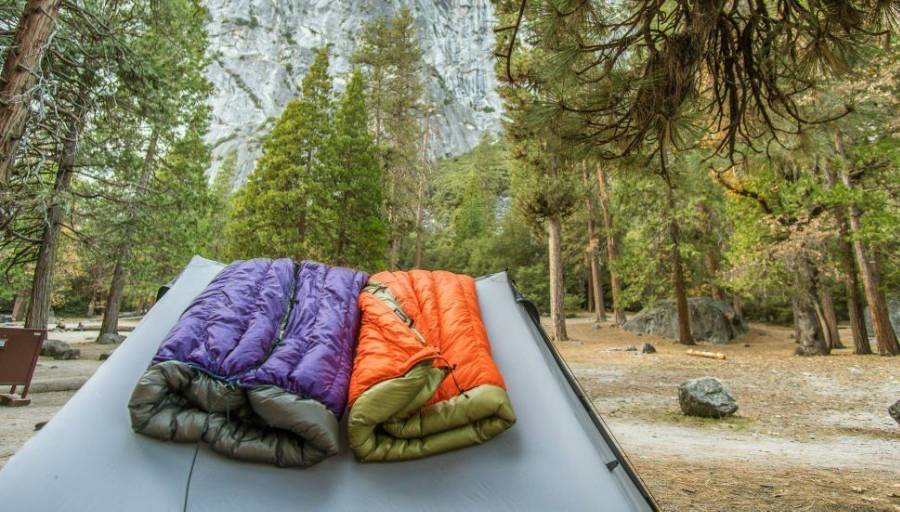
The multilayer principle also applies to sleep. If you wake up shivering all the time, the night won’t bring you any rest.
- Pimp your sleeping bag with an inlet. This warms and also keeps your sleeping bag clean.
- Pimp your sleeping mat. With an insulating blanket, a layer of leaves, or a simple bath towel underneath.
- Wear a warm hat if you’re cold at night. While you don’t lose a fixed percentage of body heat through your head, keeping your head and neck warm can improve comfort when temperatures drop.
3. Wear Booties
Booties – quasi-tent slippers keep your feet warm. They provide an extra layer of insulation for your feet, which are susceptible to cold in lower temperatures. This helps maintain temperature and prevent discomfort and potential cold-related injuries like frostbite. Also, weighs only a few grams.
4. Rain & Wind Protection
Rain and wind protection are essential for fall camping, as the weather can be unpredictable. Pay attention to details like the taped seams on your tent, which help keep moisture out. Also, using seam sealer for touch-ups can provide extra assurance against leaks. Cutting corners in this area can lead to unpleasant surprises later, so prioritize quality to stay dry and comfortable.
Before heading out, check the latest local forecast and any weather alerts, particularly when camping in exposed or mountainous areas.
5. Find the Right Parking Space
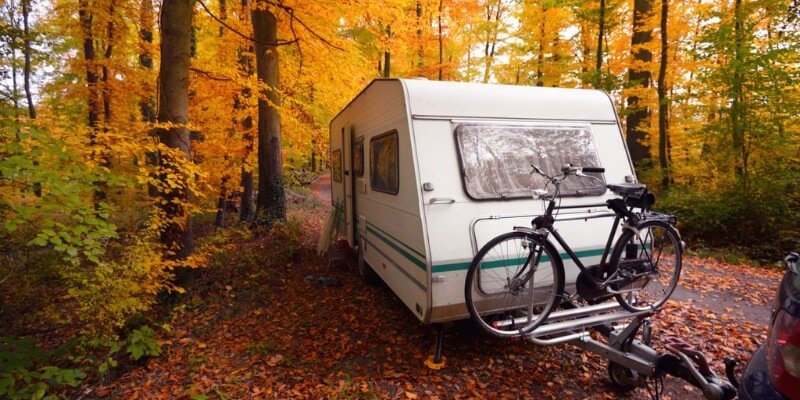
Half of the middle is made up of parking space. So, find a sheltered place for your camp. It ensures proximity to your campsite and reduces the effort and time required to transport gear and supplies. Also, choosing a suitable parking spot allows easy access to your vehicle in case of emergencies or sudden weather changes.
6. Fire Starter or Lighter
Although it’s not always welcomed, a fire provides exceptional warmth, especially when you can cook or brew something hot over it. Having a fire starter or lighter is definitely worth it for a smooth camping experience. Always check local fire restrictions before starting a campfire and follow the rules for your campground or public land.
7. Carry a Burner
A burner is essential, and it’s important to choose a high-quality one. In the mountains, you may encounter frost and snow as early as October, so your burner needs to perform reliably in cold conditions.
8. Eat Well and Stay Healthy
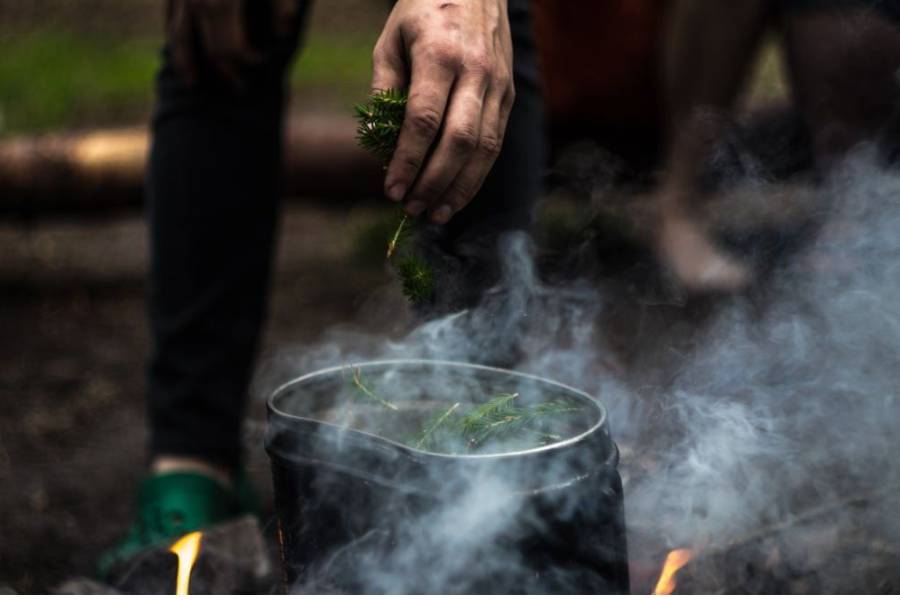
Eat decent and healthy food, especially in the cold, because you need energy. Pamper yourself. Take care of yourself on the go that saves weight. You can find good outdoor cooking recipes online.
9. Make Movement
Physical activity generates body heat, which is crucial for staying warm in cooler temperatures. So, don’t be lazy—keep moving! This helps you stay warm, promotes better sleep, and increases your appetite. Engaging in activities like hiking, gathering firewood, or setting up camp helps regulate your body temperature and prevents hypothermia. For trekkers, this is usually not an issue.
10. Schnapps
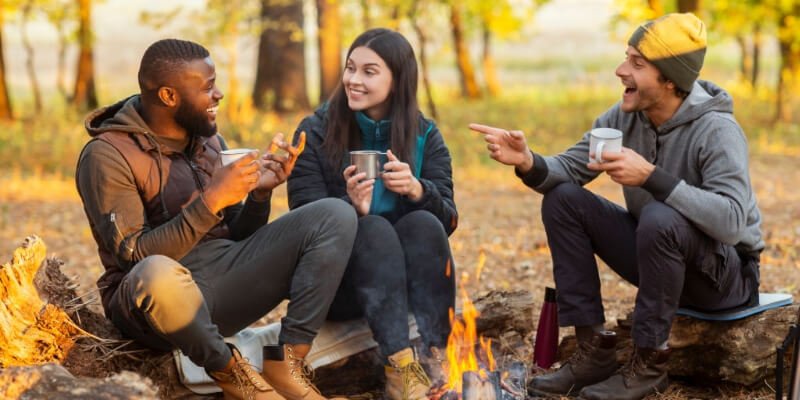
A warm drink such as tea, coffee, cocoa, or broth can make a cold evening at camp more comfortable. Avoid relying on alcohol for warmth because it can create a false feeling of warmth while increasing heat loss.
The dancing flames and earthy scent create a primal sense of comfort and contrast with the cool air. This sensory interplay intensifies the pleasure of that sip, offering a moment of solace and immersion in nature’s embrace.
Fall Camping: Basic Equipment
For camping in fall, the most important thing is, of course, your equipment. This must match the season or the weather.
Fall Camping Gear Checklist
| Fall Camping Gear | What to Look For | Our Guide |
|---|---|---|
| 3-Season Tent | Rain protection, ventilation, sturdy poles | Best Backpacking Tents → |
| Sleeping Bag | Appropriate comfort rating for overnight lows | Best Sleeping Bags Under $100 → |
| Sleeping Pad | Insulation, comfort and reasonable weight | Best Camping Sleeping Mats → |
| Rain Jacket | Waterproof, breathable construction | Best Lightweight Rain Jackets → |
| Moisture-Wicking Shirt | Quick-drying fabric and comfortable fit | Best Moisture-Wicking Hiking Shirts → |
| Fire Starter | Reliable ignition in damp conditions | Best Survival Fire Starters → |
| Hiking Hat | Weather protection and comfortable fit | Best Hiking Hats → |
| Hiking Socks | Moisture management and warmth | Top-Rated Hiking Socks → |
Tent
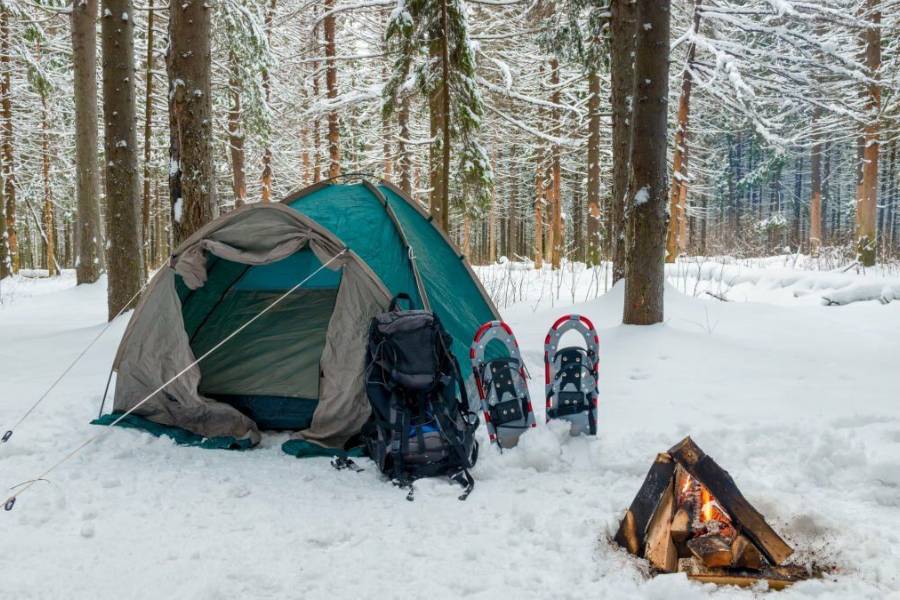
In the tent, you don’t need to be as vigilant about staying warm, but a windbreak or vestibule is helpful, especially since fall can be quite windy. Your tent should also be spacious enough to store extra gear, especially when camping for several days.
The tent’s water column rating should be high enough to handle wet conditions—at least 3,000 mm for the tent walls and 5,000 mm for the floor. Other key features include an outer tent that extends to the ground, well-taped seams, and reinforced tent poles to provide solid protection against wind and rain.
Note that you need a 3-season tent for camping in fall.
Sleeping Bag
With the wrong sleeping bag, the best tent won’t do you any good. Because the nights can be damn fresh in fall. Therefore, choose a sleeping bag based on the lowest temperatures you expect, rather than the season alone.
For mild fall camping, a bag rated around 0–10°C may be appropriate but always check the manufacturer’s comfort rating and consider your personal cold tolerance.
Sleeping Mat
Equally important is a good sleeping mat. An inflatable mat provides the best insulation but can be too heavy for trekkers, so you’ll need to weigh comfort against weight. A lightweight option doesn’t have to break the bank, though. For example, the TETON Camping Sleeping Mat weighs around 6 pounds, costs approximately $80, and measures 80 x 30 inches with a 2-inch thickness.
Clothing
In fall, it’s essential to dress appropriately. A down or synthetic fiber jacket with a fleece jacket is ideal—especially for breaks, evenings, and nighttime when temperatures drop. Although it is less critical during active hiking or trekking, wearing quick-drying, functional underwear is helpful. Thermal underwear can also be valuable for staying warm at night.
Your Fall Camping Checklist
Finally, I have made a small checklist that you can (and should) expand to include your own needs. You already have the basics together with the checklist “Camping in Fall”.
- Tent (3 seasons)
- Sleeping bag (3 seasons)
- Sleeping mat
- Extra sleeping-bag liner or insulating layer
- Rain jacket
- Rain pants
- Fleece jacket
- Functional underwear
- possibly thermal underwear
- Functional shirt
- Hiking socks
- Hat, cap, or multifunctional cloth
- Flashlight or headlamp
- Water bottle/hydration system
- First-aid kit
- Map/GPS or navigation device
- Gloves
- Possibly tent lamp
- burner
- Fuel
- Lighter
- Insect repellants
- Sunscreen
- Sunglasses
- Notebook and pen
- Power bank
- Extra dry socks
- Emergency blanket
- Weather-appropriate gloves
Fall Camping Gear: What to Prioritize
- Sleeping bag — Match the comfort rating to expected nighttime temperatures.
- Sleeping pad — Insulation from the ground is essential for overnight comfort.
- Rain jacket — Protect yourself from sudden rain and wind.
- 3-season tent — Look for good ventilation, weather protection, and adequate space.
- Warm layers — Use a moisture-wicking base layer plus insulating mid-layer.
- Camp stove/burner — Choose a model suitable for the temperatures you’ll encounter.
Why You Should Definitely Camp in the Fall
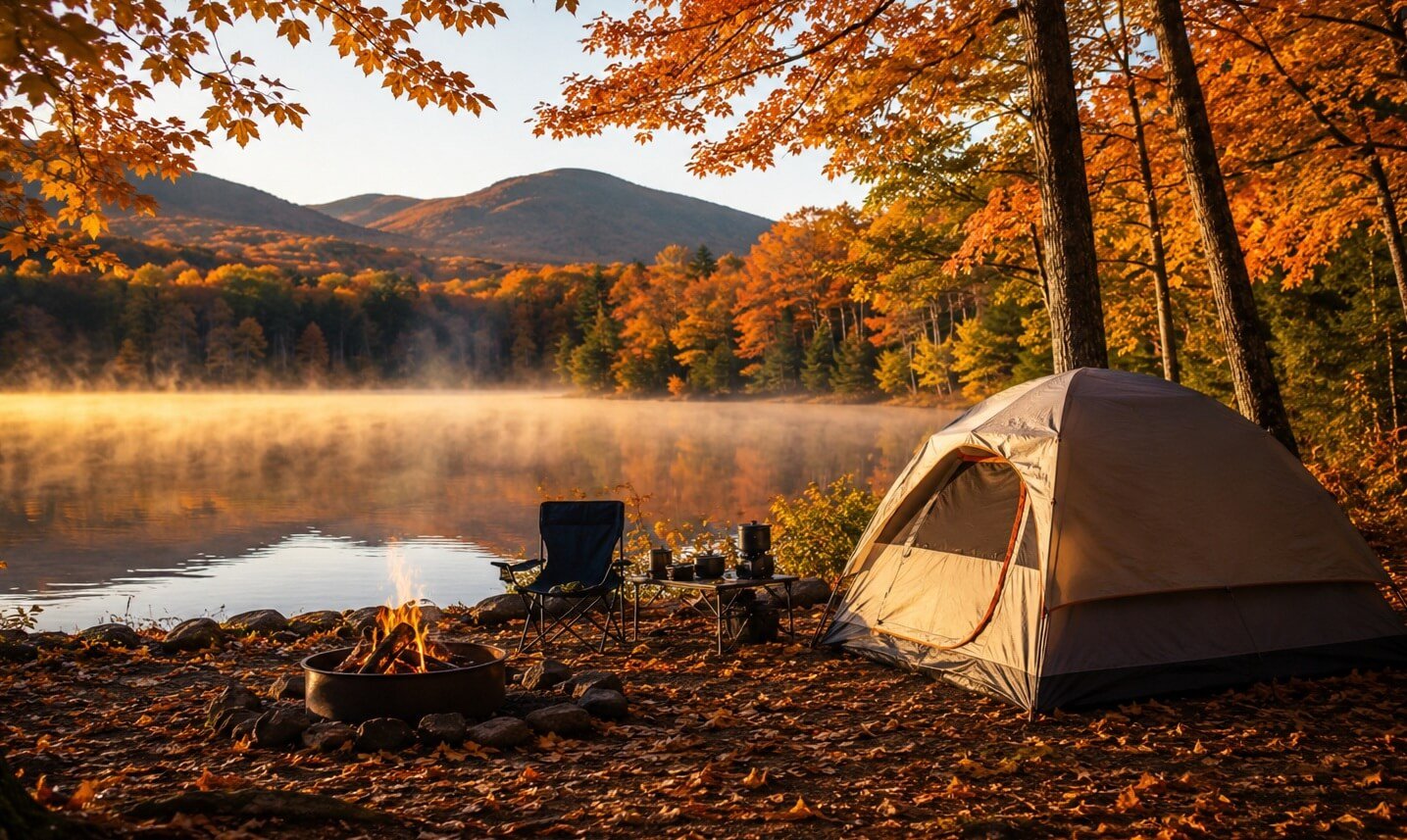
By the way, there are damn good reasons to camp in fall of all places.
Ideal Temperature
In fall, the summer heat has disappeared. On the one hand, it is fresher. Your comfort increases accordingly. Because you no longer sweat like a pig, especially when hiking. At 30 degrees or more, some tents are just an oven. Fall is much more pleasant there.
Sleep Comfort
Your sleep comfort also increases during camping in the fall. According to studies, anything above 24 degrees makes you sleep poorly. On the other hand, 16 to 18 degrees is ideal for a good night’s sleep. Fall is practically perfect there. Finally, fall can also bring quite warm days.
Insects
Cooler weather tends to keep typical pests like mosquitoes at bay. However, if you’ll be near water, it’s still worth packing some mosquito repellent spray.
Quiet
Campsites are much quieter in fall compared to the peak camping season, simply because fewer people are around. This peacefulness enhances your sleep and helps with overall recovery.
Cheap Prices
After that, the prices are cheaper in the off-season, so you can save money.
Splendor of Colors
Despite the quiet, Mother Nature puts on a spectacular show in fall, known for its vibrant colors. A yellowed canopy of leaves, glowing almost golden under the gentle fall sun, is truly breathtaking.
Fun for Children
Children, too, can appreciate the magic of fall—vibrant colors, starry nights, the crunch of leaves underfoot, and the warmth of a campfire bring them endless joy.
Animals
Camping in fall also offers more chances to spot wildlife, as many animals are actively building up winter fat and are therefore more visible. However, calm and quiet behavior is essential to enjoy these encounters respectfully.
FAQs About Fall Camping
What month is best for fall camping?
September and October are popular months for fall camping because temperatures are generally cooler than summer and fall scenery is often at its best. The ideal month depends on your location, elevation, and expected weather conditions.
How should I prepare for rain when camping in fall?
Check the forecast before leaving and pack waterproof outer layers, rain pants, and a tent with adequate rain protection. Keep clothing and sleeping gear inside waterproof or water-resistant storage bags so unexpected rain doesn’t leave you without dry insulation.
What should I put under my tent in fall?
Use a properly sized footprint or groundsheet under your tent when recommended by the manufacturer. It can help protect the tent floor from abrasion and wet ground, but it should not extend beyond the tent floor where rainwater could collect underneath.
Is fall camping good for beginners?
Yes. Fall can be an excellent season for beginners because cooler temperatures can make daytime activities more comfortable. Beginners should start with mild-weather trips, check the forecast carefully, and avoid conditions beyond their gear and experience level.
How do you keep condensation down in a tent during fall?
Ventilation is one of the simplest ways to reduce condensation. Use your tent’s vents, leave appropriate openings when weather permits, and avoid bringing unnecessary wet clothing or gear inside the sleeping area.
What should I do if temperatures suddenly drop while camping?
Add dry insulating layers, protect yourself from wind and rain, and make sure your sleeping system is appropriate for the conditions. If conditions become unsafe or significantly colder than expected, consider ending the trip rather than relying on inadequate gear.
Conclusion
Fall camping rewards you with cooler temperatures, quiet campsites, and incredible scenery. With the right layers, reliable gear, and a clear checklist, you stay warm, safe, and comfortable throughout your trip. Prepare well, enjoy the season’s colors, and make the most of the calm that fall brings to the outdoors. If you found this article helpful, don’t forget to share it with your friends on social media.
Thank you!