5 Best Anti-Fog Sprays for Ski Goggles (2026)


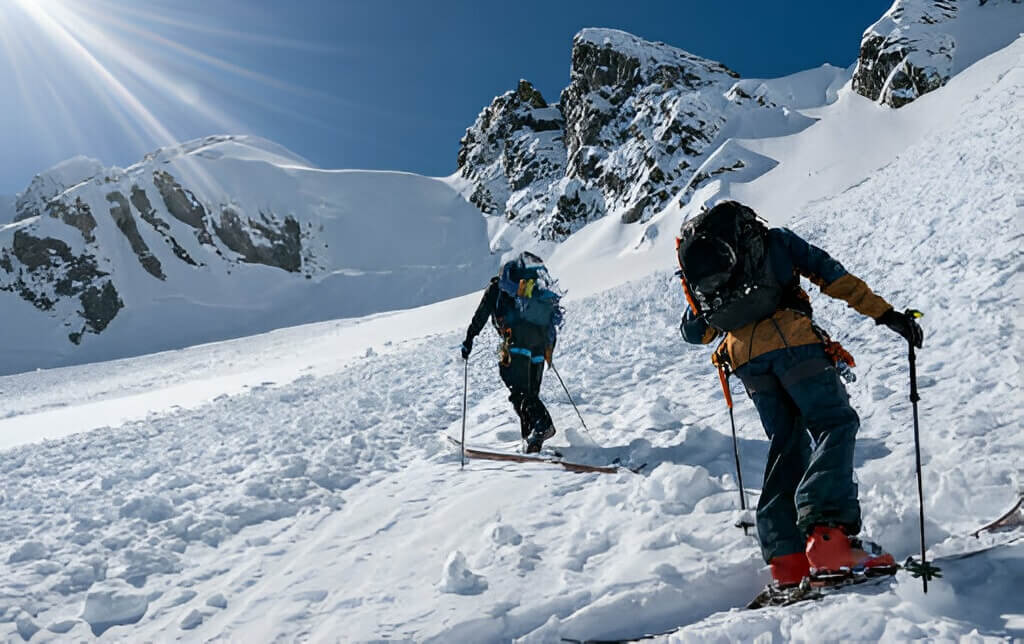
One minute you’re carving through fresh powder, and the next, you’re blindly wiping at your lenses, struggling to see. Fogging is more than just an inconvenience—it can be dangerous. Reduced visibility increases the risk of collisions, missed turns, and unexpected obstacles, making it crucial to keep your goggles fog-free.
While most modern ski goggles come with anti-fog coatings, these can wear off over time or struggle in extreme weather. Anti-fog sprays create a protective barrier that prevents condensation from forming on your lenses, keeping your vision clear even in the most demanding environments.
But with so many anti-fog sprays available, choosing the right one isn’t always straightforward. Some formulas last longer than others, and some are specifically designed for coated, mirrored, or prescription lenses. Others prioritize fast drying, eco-friendly ingredients, or compatibility with multiple types of eyewear.
To help you make the right choice, we compared the most popular anti-fog sprays based on their effectiveness, longevity, ease of application, lens compatibility, and overall value.
Best Anti-Fog Sprays for Ski Goggles at a Glance
Here’s the updated comparison table with the correct products:
| Product | Longevity | Formula Type | Compatibility | Application Method | Price Range | Image |
| Optic Clear Anti-Fog | Up to 72 hours | Water-based | Works on plastic, glass, polycarbonate | Spray and wipe | $$ |  |
| FogTech Anti-Fog Spray | Up to 72 hours | Alcohol-based | Plastic, glass, and coated lenses | Spray and wipe | $$ | 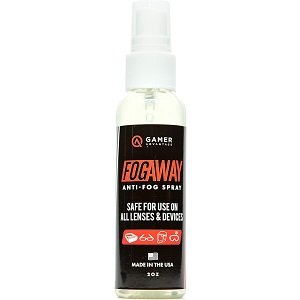 |
| ZEISS Anti-Fog Spray | Up to 24 hours | Alcohol-based | Works on AR-coated, polarized lenses | Spray and microfiber cloth | $$$ | 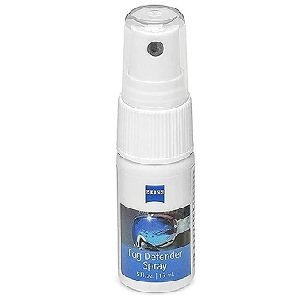 |
| FogAway Anti-Fog Spray | Up to 5 days | Polymer-based, hydrophobic | Works on plastic, glass, and coated lenses | Spray and wipe | $$ | 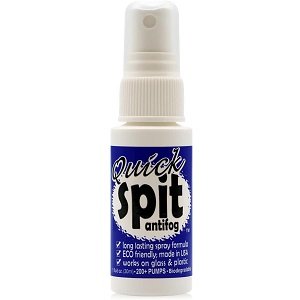 |
| Pledge Anti-Fog Spray | Up to 48 hours | Multi-surface | Works on most lens types | Spray and wipe | $ |  |
How We Evaluated These Anti-Fog Sprays
Rather than relying on marketing claims alone, we compared each anti-fog spray using practical factors that matter on the slopes. Our evaluation focused on fog resistance, compatibility with different lens materials, ease of application, drying time, durability, and overall value.
We also reviewed manufacturer specifications, verified lens compatibility (including polycarbonate, mirrored, polarized, and anti-reflective coatings), and considered long-term user experiences to identify each product’s strengths and limitations. Products that offered consistent performance, clear application instructions, and broad compatibility received higher rankings.
1. Optix 55 Anti-Fog Spray – Best Overall
Tech Specs:
- Formula Type: Water-based, non-toxic
- Longevity: Up to 24 hours per application
- Compatibility: Works on plastic, polycarbonate, and glass lenses
- Application Method: Spray and wipe
- Safety: Ammonia-free, eco-friendly
- Best For: Ski goggles, eyeglasses, swimming goggles, and face shields
If you’re looking for a reliable, long-lasting anti-fog spray for your ski goggles, Optix 55 is the best overall option. This spray provides a streak-free, fog-resistant coating that works on multiple lens types, including plastic, polycarbonate, and glass. Optix 55 dries clear, ensuring unobstructed vision without distortion.
Its water-based and non-toxic formula makes it safe for both adults and kids. It doesn’t contain ammonia, which means it won’t damage lens coatings or irritate sensitive eyes. The application is simple—just spray, wait a few seconds, then gently wipe with a soft cloth. The effects last for up to 24 hours.
Another major benefit is its versatility. Although designed for ski goggles, Optix 55 works just as well on eyeglasses, swimming goggles, face shields, and even camera lenses. With a compact, travel-friendly bottle, you can easily carry it in your ski jacket pocket for quick touch-ups if needed.
| Pros: | Cons: |
| Long-lasting anti-fog protection | Requires reapplication after cleaning |
| Water-based, non-toxic formula | Pricier than some budget alternatives |
| Works on plastic, glass, and polycarbonate lenses | |
| Does not leave streaks or residue | |
| Travel-friendly bottle for easy portability |
2. Just Add Water Jaws Quick Spit Anti-Fog Spray – Best for Versatility
Tech Specs:
- Formula Type: Biodegradable, alcohol-free
- Longevity: Up to 72 hours per application
- Compatibility: Safe for all lenses, including AR-coated
- Application Method: Spray or rub-on
- Safety: Non-toxic, eco-friendly
- Best For: Ski goggles, dive masks, glasses, and safety goggles
If you’re looking for a multi-purpose anti-fog spray, Just Add Water’s Jaws Quick Spit is a solid choice. Originally designed for diving masks, this formula proves just as effective on ski goggles. It’s biodegradable and alcohol-free, making it a safer alternative to harsher chemical-based sprays.
A single application can last up to 72 hours, making it one of the longest-lasting options available. It also offers two application methods—you can either spray it on or rub it in, depending on your preference.
Since it works on all lens types, including anti-reflective coatings, it’s a great option if you use prescription ski goggles or frequently switch between different eyewear. It’s also compact enough to keep in your ski bag for on-the-go use. Just be sure to wipe it evenly across the lens for the best results.
| Pros: | Cons: |
| Long-lasting protection | Needs careful application to avoid streaks |
| Safe for AR-coated and prescription lenses | Thicker formula than others |
| Alcohol-free and eco-friendly | |
| Works for ski goggles, dive masks, and more | |
| Small and travel-friendly bottle |
3. ZEISS Anti-Fog Defender System – Best for Premium Lenses
Tech Specs:
- Formula Type: Alcohol-based, quick-drying
- Longevity: Up to 24 hours per application
- Compatibility: Works on all lens coatings, including AR and polarized lenses
- Application Method: Spray with microfiber cloth
- Safety: Ammonia-free, lab-tested formula
- Best For: High-end ski goggles, prescription glasses, and camera lenses
For those who invest in premium ski goggles with high-end lens coatings, the ZEISS Anti-Fog Defender System is a top-tier solution. ZEISS, a brand well-known for its optical expertise, delivers a powerful anti-fog spray that protects lenses without damaging delicate coatings.
This quick-drying alcohol-based spray provides an almost instant anti-fog barrier, making it perfect for last-minute applications before hitting the slopes. It’s also streak-free, ensuring that high-definition or mirrored ski goggles maintain their clarity without smudges.
This spray works exceptionally well on polarized and AR-coated lenses, which can be tricky for some anti-fog treatments. Long story short, if you wear prescription ski goggles or high-performance optics, this is a reliable choice that won’t compromise lens quality.
| Pros: | Cons: |
| Premium lenses | Needs reapplication for all-day skiing |
| Fast-drying, streak-free formula | More expensive than standard sprays |
| Lab-tested and ammonia-free | |
| Trusted ZEISS optical quality | |
| Works on all glasses and camera lenses |
4. FogAway Anti-Fog Spray – Best for Long-Lasting Protection
Tech Specs:
- Formula Type: Polymer-based, hydrophobic coating
- Longevity: Up to 5 days per application
- Compatibility: Works on plastic, glass, and coated lenses
- Application Method: Spray and wipe
- Safety: Non-toxic, ammonia-free
- Best For: Ski goggles, face shields, and protective eyewear
If you’re tired of constantly reapplying anti-fog spray, FogAway might be the perfect solution. Compared to traditional sprays that require daily touch-ups, this polymer-based formula forms a long-lasting hydrophobic barrier. This will keep condensation at bay for up to five days with a single application.
This makes it ideal for multi-day ski trips where you don’t want to worry about your goggles fogging up mid-run. The formula is non-toxic and ammonia-free, so it won’t degrade lens coatings over time.
The application is simple—just spray, wipe, and let it dry. It works well on plastic, glass, and coated lenses, so it’s a great option if you use multiple types of eyewear. However, since it’s a slightly thicker formula, you need to wipe it evenly to avoid streaks.
Pros and Cons:
| Pros: | Cons: |
| Lasts up to 5 days per application | Thicker formula requires careful application |
| Safe for all lens types, including coated lenses | Takes a few minutes to fully dry |
| Non-toxic and ammonia-free | Works best with a microfiber cloth |
| Hydrophobic barrier repels moisture effectively | |
| Great for long ski trips |
5. Pledge Multi-Surface Anti-Fog Spray – Best Budget Option
Tech Specs:
- Formula Type: Multi-surface, quick-drying
- Longevity: Up to 48 hours per application
- Compatibility: Works on most lenses, including plastic, glass, and polycarbonate
- Application Method: Spray and wipe
- Safety: Non-toxic, ammonia-free
- Best For: Ski goggles, glasses, helmets, and more
As we reach the final pick in our roundup of the best anti-fog sprays for ski goggles, we introduce Pledge Multi-Surface Anti-Fog Spray. Although this model seems an unconventional choice for ski goggles, its budget-friendly price and reliable performance make it a worthy contender for anyone seeking value without sacrificing quality.
This quick-drying spray works on multiple surfaces, including ski goggles, glasses, helmets, and even mirrors. Ammonia-free and non-toxic formula ensure safe for both your lenses and the environment. It offers up to 48 hours of fog-free protection.
Although it doesn’t have the extreme longevity of some other high-end sprays, its affordability and ease of use make it a superb choice for skiers on a budget or those just looking for an affordable solution to occasional fogging. It’s an ideal option for casual skiers and families who don’t want to break the bank.
| Pros: | Cons: |
| Affordable and budget-friendly | Doesn’t last as long as high-end sprays |
| Multi-surface, works on various lenses | Requires reapplication twice a week |
| Quick-drying and easy to use | |
| Non-toxic and safe for sensitive eyes | |
| Convenient spray application |
Why Ski Goggles Fog in the First Place
Even the best ski goggles can fog when warm, moisture-filled air meets a cold lens. The resulting condensation creates tiny water droplets that scatter light and reduce visibility. Although some fogging is unavoidable in cold weather, factors such as poor ventilation, sweat, changing temperatures, and worn lens coatings can make it happen much more quickly. Understanding these causes is the first step toward preventing fogged lenses and maintaining clear vision on the slopes.
Warm Air Meets Cold Lenses
The biggest cause of fogging is the temperature difference between your body and the outdoor environment. Your face constantly produces heat and moisture through breathing and perspiration, even your ski goggles remain exposed to freezing temperatures. When that warm, humid air touches the cold inner lens, condensation forms almost instantly.
Blocked Ventilation Reduces Airflow
Modern ski goggles are designed with ventilation systems that allow moist air to escape to keep snow out. If these vents become blocked by a helmet, hat, face covering, or accumulated snow, moisture becomes trapped inside the goggles.
Reduced airflow significantly increases the chance of fogging, especially during strenuous runs or while waiting in lift lines.
Sweat and Physical Activity Increase Moisture
As your activity level increases, so does the amount of moisture your body produces. Skiing, snowboarding, hiking uphill, or carrying equipment generates heat and perspiration, which create more humid air inside your goggles.
Even perfectly fitted goggles can begin to fog if excess moisture cannot escape quickly enough. If you have a narrower facial profile, choosing properly fitting snowboard goggles for small faces can also improve the seal around your face and reduce unwanted airflow that contributes to fogging.
Factory Anti-Fog Coatings Wear Out Over Time
Most ski goggles include a factory-applied anti-fog coating, but it doesn’t last forever. Frequent cleaning, rubbing the inside of the lens, exposure to dirt and sunscreen, or simply years of regular use gradually reduce the coating’s effectiveness. Once the original protection begins to deteriorate, fogging becomes much more common.
Improper Care Can Make Fogging Worse
Many skiers unintentionally shorten the life of their goggles by wiping the inside lens while it’s wet, using household glass cleaners, or storing goggles before they’ve fully dried. These habits can damage delicate lens coatings and leave residue that attracts moisture.
Proper cleaning and storage help maintain both the factory coating and any anti-fog treatment you apply later.
How Anti-Fog Sprays Help
Anti-fog sprays work by creating an invisible protective layer that spreads moisture into a thin, transparent film instead of allowing individual droplets to form. Without those tiny droplets scattering light, your vision stays much clearer in cold, humid conditions.
Although no product can eliminate fogging in every situation, a high-quality anti-fog spray combined with proper goggle care and adequate ventilation provides the most reliable solution for maintaining clear vision throughout your day on the mountain.
Anti-Fog Spray vs Anti-Fog Wipes vs Anti-Fog Gel
| Type | Best for | Longevity | Ease of Use |
|---|---|---|---|
| Spray | Ski goggles | ⭐⭐⭐⭐⭐ | Easy |
| Wipes | Travel | ⭐⭐⭐ | Very Easy |
| Gel | Long sessions | ⭐⭐⭐⭐ | Moderate |
Tips to Keep Ski Goggles Fog-Free All Day
A quality anti-fog spray can significantly reduce condensation, but it’s only one part of the solution. Proper goggle care, good ventilation, and a few simple habits can help keep your vision clear from the first chairlift to the final run.
Allow Your Goggles to Adjust to Outdoor Temperatures
Avoid putting on cold goggles immediately after taking them from a warm lodge or vehicle. Sudden temperature changes can cause condensation to form quickly. Give your goggles a few minutes to acclimate to the outdoor temperature before hitting the slopes.
Keep the Ventilation Ports Clear
Most ski goggles rely on built-in vents to circulate air and remove excess moisture. Snow, hats, helmet liners, or face coverings that block these vents reduce airflow and increase the risk of fogging. Check periodically that the ventilation system remains unobstructed throughout the day.
Avoid Wiping the Inside of the Lens
If moisture forms inside your goggles, resist the temptation to wipe it away with gloves, tissues, or clothing. The inner lens often has a delicate anti-fog coating that can be damaged by rubbing. Instead, allow the goggles to air-dry naturally whenever possible.
Wear a Properly Fitted Helmet and Goggles
A helmet and goggles designed to work together create better airflow and reduce trapped warm air around your face. If standard helmets feel restrictive, choosing the right ski helmets for large heads can improve comfort while maintaining proper goggle compatibility. Poorly fitting equipment can restrict ventilation and increase condensation during skiing or snowboarding.
Manage Moisture Around Your Face
Breathing into your goggles is one of the most common causes of fogging. Make sure your neck gaiter or balaclava directs warm breath downward instead of upward toward the lenses. Adjusting your face covering can dramatically reduce moisture buildup inside the goggles.
Reapply Anti-Fog Spray When Needed
Even long-lasting anti-fog sprays gradually lose effectiveness after repeated cleaning, heavy snowfall, or extended use. Follow the manufacturer’s instructions for reapplication to maintain consistent performance throughout the ski season.
Store Your Goggles Correctly
After skiing, let your goggles dry naturally before placing them in a microfiber pouch or protective hard case. If you’re packing all your winter gear together, a dedicated ski boot bag with separate compartments helps protect your goggles from scratches and moisture during transport.
Avoid storing damp goggles inside sealed bags or leaving them in direct sunlight or a hot vehicle, as excessive heat and moisture can shorten the life of the lens coatings.
Keep Your Lenses Clean
Dust, sunscreen, fingerprints, and other residue can reduce the effectiveness of anti-fog treatments. Clean your lenses regularly using a microfiber cloth or a lens-safe cleaner recommended by the manufacturer to help maintain clear vision and extend the life of both the factory coating and your anti-fog spray.
Buying Guide for Anti-Fog Sprays for Ski Goggles
When shopping for the best anti-fog spray for ski goggles, it’s important to consider several key factors to ensure you choose the right one for your needs.
1. Formula Type
Anti-fog sprays come in two main formula types: water-based and alcohol-based.
- Water-based: These sprays gentler on lenses, making them ideal for those with delicate coatings or prescription lenses. However, they don’t last as long as alcohol-based options.
- Alcohol-based: Alcohol sprays offer quicker drying times and are ideal for harsher conditions. However, they can be slightly harsher on lens coatings, so they’re better suited for durable, high-quality lenses.
2. Longevity
How long the anti-fog protection lasts varies from one spray to another. Some sprays serve up to 72 hours of protection with a single application, while some models only last for a day or two. Consider how often you’ll be skiing and choose a product that protects the duration of your trip.
3. Compatibility
Ensure that the anti-fog spray you choose is compatible with the material and coating of your ski goggles. Some sprays are best for AR-coated, polarized, or high-definition lenses, and others are more general and work on most lens types.
Always check the compatibility to avoid damaging your goggles.
4. Ease of Application
Look for a product that is easy to apply and doesn’t require complicated steps. Most anti-fog sprays come with simple spray and wipe instructions, but the application method can vary. Some might require more effort for even application, while others are easier to use. A bottle with a microfiber cloth or spray nozzle is convenient for on-the-go applications.
5. Safety
You should choose a non-toxic, ammonia-free anti-fog spray, especially if you have sensitive eyes or wear prescription lenses. Ensure that the product is safe for the environment, as many anti-fog sprays are biodegradable and eco-friendly.
Frequently Asked Questions (FAQs)
Can anti-fog spray be used on any kind of lens?
Most anti-fog sprays are safe for plastic, polycarbonate, and glass lenses. However, some sprays aren’t suitable for specific coatings like anti-reflective (AR) coatings or polarized lenses. Always check the product’s compatibility before use.
Can anti-fog spray damage my goggles?
Most reputable anti-fog sprays are safe for your goggles if used correctly. However, always follow the application instructions carefully to avoid streaks or damage. If you use an alcohol-based spray, be cautious with sensitive lens coatings, as they could be affected over time.
Are there any natural alternatives to anti-fog sprays?
Some natural alternatives to commercial anti-fog sprays include using a small amount of dish soap or baby shampoo on your lenses. These can help create a protective layer on the lens to reduce fogging. However, they won’t last long and, not effective in extreme conditions.
Can I use anti-fog spray on other equipment?
Yes, many anti-fog sprays are versatile and you can use on other equipment, such as swim goggles, motorcycle helmets, face shields, and even hunting glasses.
Final Thoughts
We’ve covered a range of anti-fog sprays for various glasses in this guide, from high-end solutions to budget-friendly picks. Whether you prioritize longevity, versatility, or affordability, there’s a product here that fits your needs. Ski goggles fogging up can be frustrating, but with the right spray, you can ensure crystal-clear vision throughout your ski trip. Each of these products has been tested, so you can positively choose the one that best suits your style on the slopes.