
Jetboil Flash Review: Is This the Best Backpacking Stove in 2026?
 ByJonathan Larson
Updated on
ByJonathan Larson
Updated on 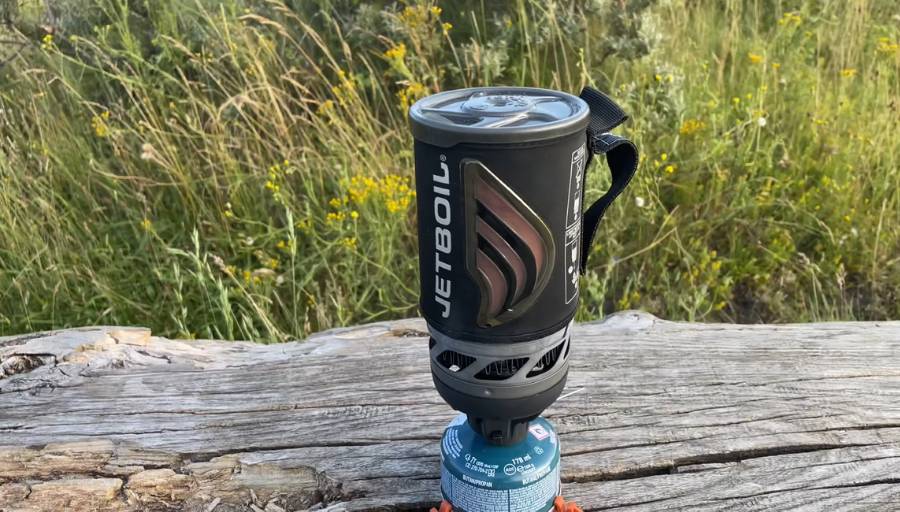
If speed and weight matter on the trail, the Jetboil Flash is one of the most talked-about backpacking stoves on the market. But does it actually deserve its reputation?
In this in-depth Jetboil Flash review, we break down boil time performance, fuel efficiency, wind resistance, simmer control, and real-world usability. Whether you’re preparing dehydrated meals, brewing coffee at camp, or simply boiling water fast after a long hike, this integrated cooking system is designed for efficiency and simplicity.
The Flash is built around a 1-liter insulated cooking cup, a push-button igniter, and Jetboil’s signature heat exchanger technology. The big question isn’t whether it boils water quickly — it’s whether it’s the right stove for your type of backpacking.
Let’s take a closer look.
Jetboil Flash Overview
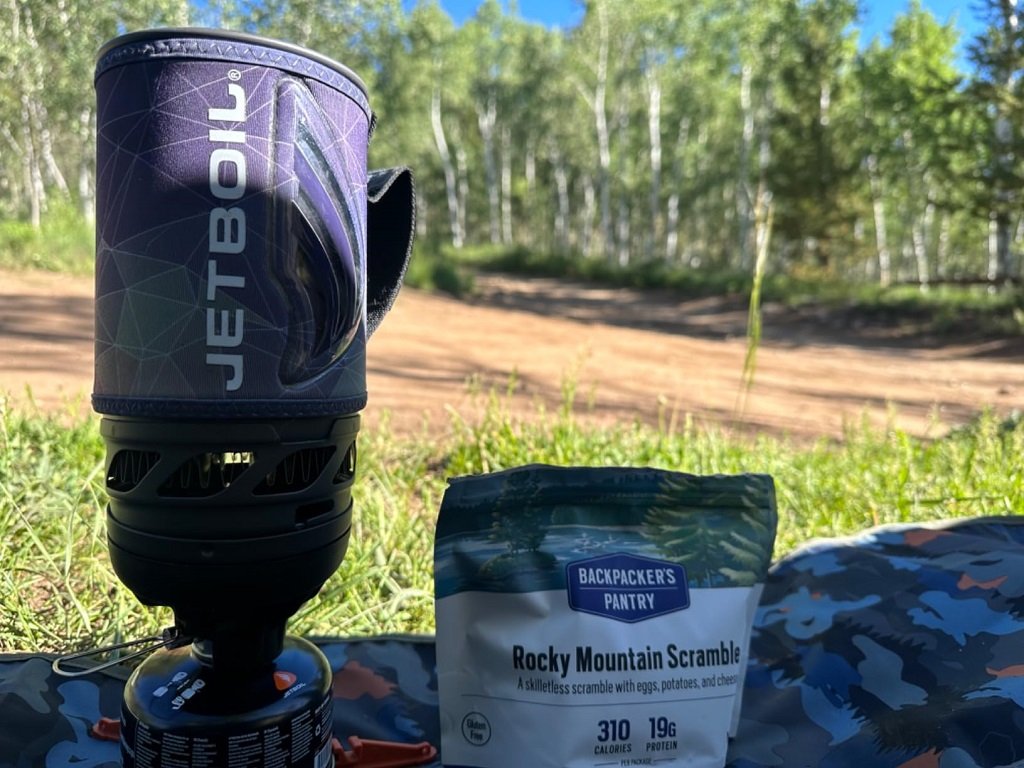
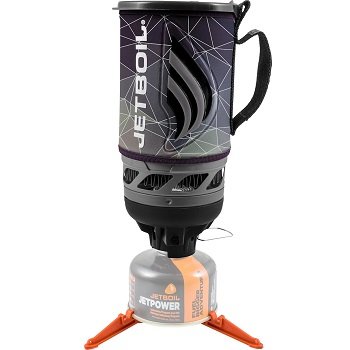
The Jetboil Flash is a compact, integrated stove system designed for ultralight backpackers. It combines an insulated 1-liter cooking cup, a built-in push-button igniter, and Jetboil’s heat exchanger technology to deliver fast and fuel-efficient performance.
Key highlights include:
Fast boil times for liquids
Lightweight and compact design
Temperature indicator integrated into the logo
Stable tripod support for uneven terrain
Suitable for solo or two-person trips
Key Features and Specifications
Boil Time: ~1 minute 40 seconds for 500ml under ideal conditions
Weight: 371g (stove + cup)
Fuel Type: 100g isobutane-propane canister
Capacity: 1-liter integrated cooking cup
Ignition: Piezo push-button
Accessories: Optional suspension kit, utensils, plunger for coffee
Performance in Real-World Tests
Boil Time Results
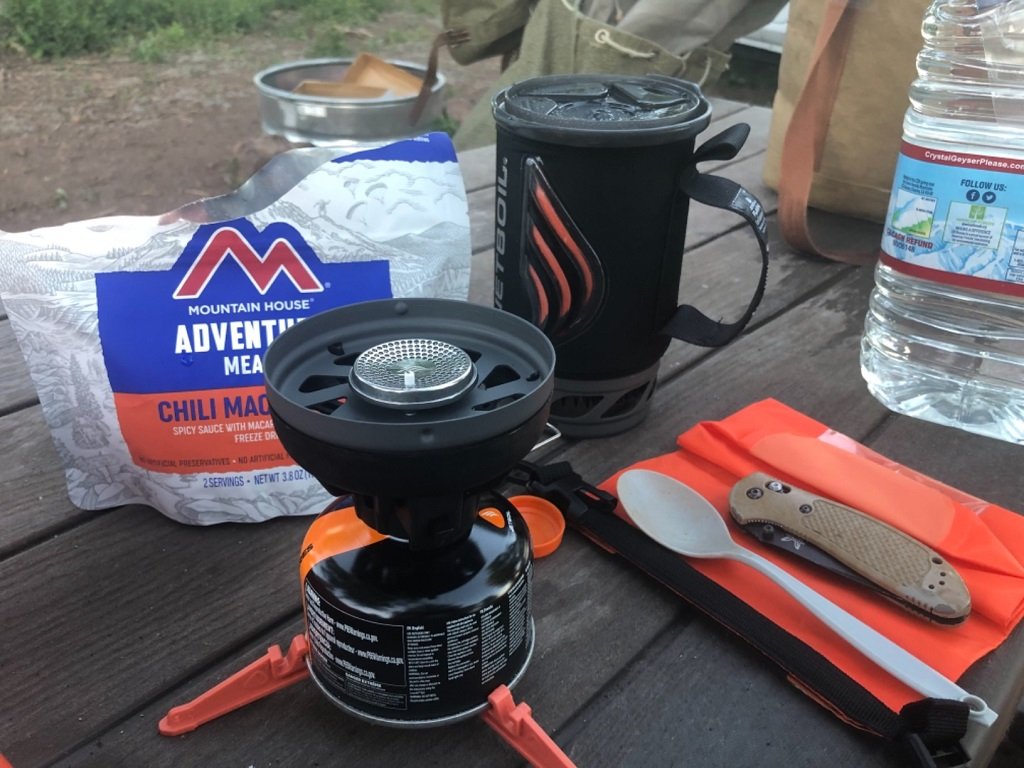
During our 2-night backpacking test, the Jetboil Flash consistently boiled 500 ml of water in 1:45–2:10 minutes, depending on wind exposure. In sheltered conditions, it matched the manufacturer’s claims perfectly.
Fuel Efficiency and Canister Lifespan
One 100g canister lasted for about 8–10 full boils of 500 ml water. The Flash’s heat exchanger reduces wasted heat, meaning less fuel is needed than with traditional stoves.
Wind and Weather Performance
Wind can impact boil time by up to 25%. Using a sheltered location or the optional suspension system improves performance significantly. Cold temperatures slightly reduce efficiency, but the stove remains reliable for mild winter conditions.
Simmer Control and Cooking Limitations
The Jetboil Flash can simmer liquids, but it’s not suited for solid meals or frying. It’s best for instant meals, coffee, tea, or dehydrated foods. For larger cooking tasks, consider the Jetboil Sumo or other stoves with better flame control.
Design, Build, and Usability
Integrated Cooking System Design
The stove and pot integrate seamlessly into a single lightweight unit. There’s no need for separate cookware, which saves pack space.
Temperature Indicator Feature
The Jetboil logo changes color as the contents approach boiling, helping prevent spills and fuel waste. This clever design adds both convenience and efficiency.
Igniter Reliability
The piezo push-button igniter was reliable throughout testing. Even after multiple boils, it worked without matches or a lighter.
Stability and Tripod Support
A foldable tripod supports the fuel canister, keeping the system stable on uneven surfaces. This prevents tipping and increases safety during use.
Weight, Packability, and Travel Convenience
Packed Size and Portability
The Flash is ultralight (371g) and compact, making it one of the easiest stoves to carry on a hike. It fits comfortably in a backpack without taking much space.
Setup and Breakdown on the Trail
The stove attaches easily to the fuel canister, and the integrated cup simplifies cleanup. Setup takes less than a minute, even on uneven ground.
Pros and Cons
✅ Pros
Extremely fast boil time
Lightweight and compact design
Excellent fuel efficiency
Built-in temperature indicator
Reliable piezo igniter
Stable tripod support
Minimal cleanup and pack space
❌ Cons
Limited simmer control
Not ideal for solid or complex meals
Fuel can be slightly more expensive
Wind reduces efficiency
Best suited for solo or two-person use
Jetboil Flash Compared to Other Backpacking Stoves
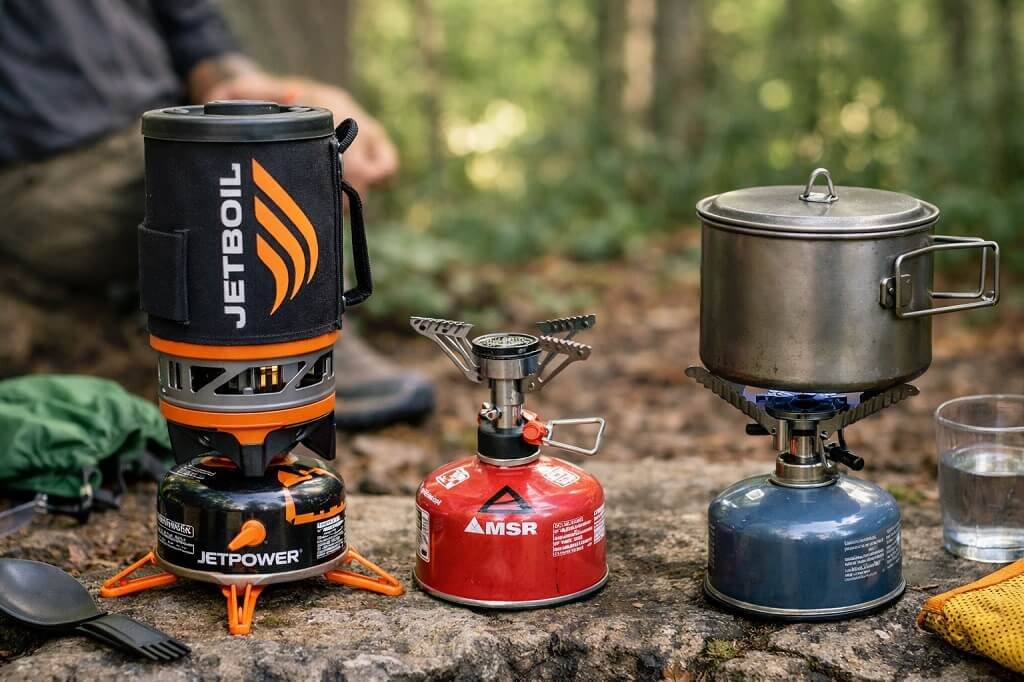
Jetboil Flash vs MSR PocketRocket 2
Flash boils faster with heat exchanger technology
MSR is lighter but requires separate pot
Flash is more fuel-efficient for liquids
Jetboil Flash vs Jetboil MiniMo
MiniMo allows better simmer control for meals
Flash is lighter and faster for boiling water
Both have similar build quality and fuel efficiency
Who Should Buy the Jetboil Flash?
Ideal Users
Solo backpackers or ultralight hikers
Hikers prioritizing fast boil times
Campers preparing instant meals or hot drinks
Anyone wanting an all-in-one compact stove
Users Who May Want a Different Stove
Groups needing larger meals
Campers wanting flame control for cooking
Users on a strict budget because of fuel cost
Fuel Cost, Efficiency, and Long-Term Value
Jetboil fuel canisters are slightly more expensive than standard propane, but the Flash consumes less fuel per boil, which offsets cost over time. Replacement parts are widely available, and the system is modular, increasing long-term value.

Final Verdict: Is the Jetboil Flash Worth It?
The Jetboil Flash remains one of the fastest and most efficient integrated backpacking stoves available today. Its lightweight design, rapid boil time, and excellent fuel efficiency make it a strong choice for hikers who prioritize speed and simplicity.
If your primary goal is boiling water for dehydrated meals, instant coffee, or quick trail food, the Flash performs exceptionally well. The built-in heat exchanger and temperature indicator help reduce wasted fuel, and the compact all-in-one system eliminates the need for separate cookware.
However, it’s not ideal for complex cooking or larger group meals. Simmer control is limited, and fuel can be slightly more expensive than standard gas systems.
For solo backpackers and ultralight hikers focused on fast meal preparation, the Jetboil Flash is absolutely worth considering. For more advanced cooking needs, a system with better flame control may be a better fit.
Frequently Asked Questions
How fast does the Jetboil Flash boil water?
Under ideal conditions, the Jetboil Flash can boil 500 ml of water in approximately 1 minute and 40 seconds. Wind and cold temperatures may slightly increase boil time, especially if the stove is not sheltered.
How many boils can you get from one fuel canister?
A standard 100g isobutane canister typically provides around 8–12 boils of 500 ml water, depending on weather conditions and wind exposure. The Flash’s heat exchanger design helps improve fuel efficiency compared to traditional backpacking stoves.
Is the Jetboil Flash good for winter camping?
The Flash performs well in mild to moderately cold temperatures. However, like most canister stoves, performance may decrease in freezing conditions unless you use cold-weather fuel blends and keep the canister insulated.
Can you cook real food on the Jetboil Flash?
The Jetboil Flash is best suited for boiling water and heating liquids. While it can simmer lightly, it is not designed for complex cooking, frying, or preparing large solid meals. For more versatile cooking, a stove with better flame control is more appropriate.
Is it safe to use the Jetboil Flash inside a tent?
Using any gas stove inside a tent can pose carbon monoxide and fire risks. If you plan to cook in sheltered conditions, proper ventilation is critical. Always follow the manufacturer’s safety guidelines.
Is Jetboil fuel more expensive than regular camping gas?
Jetboil uses standard isobutane-propane fuel canisters that are widely available. Although they cost slightly more than larger propane systems, the Flash’s efficiency helps offset long-term fuel consumption.
Is the built-in igniter reliable?
The push-button piezo igniter is generally reliable and eliminates the need for matches or a lighter. However, like most integrated igniters, it may become less reliable after heavy long-term use.



One Comment