Top 6 Hiking Boots for Wide Feet – 2026 Trail-Tested Picks


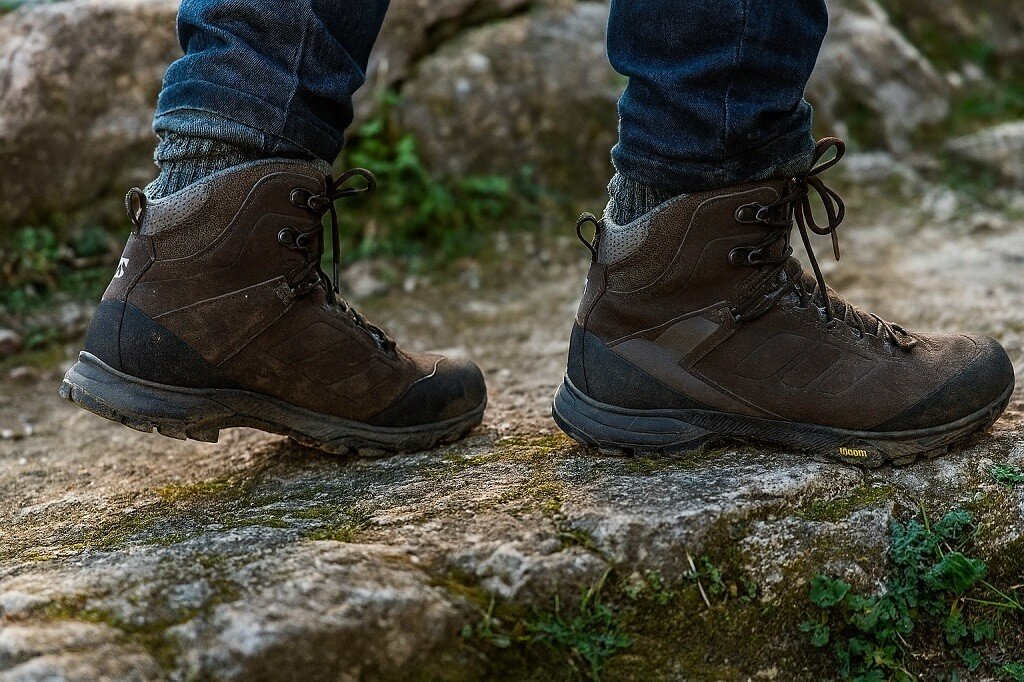
Finding the perfect pair of hiking boots when you’ve got wide feet can feel like searching for a needle in a haystack, right? I know firsthand how frustrating it is to try on pair after pair, only to feel that dreaded pinch or tightness. That’s exactly why choosing the best hiking boots for wide feet makes a significant difference — giving you the comfort, stability, and fit you need for long miles on the trail without the pain or pressure points that ruin a good hike.
The good news is that plenty of hiking boots are designed specifically for wider feet—so you don’t have to settle for an uncomfortable fit. Whether you’re hitting rocky terrain, splashing through streams, or taking on multi-day treks, I’ve got you covered with a roundup of the top six hiking boots for wide feet that’ll keep your feet happy from start to finish.
1. Keen Targhee III Mid Waterproof
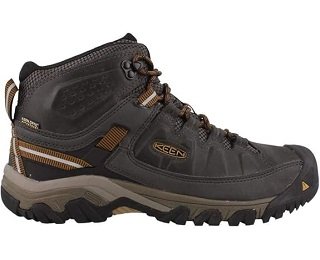
Keen is popular for producing footwear that naturally suits wider feet, and the Targhee III Mid is a crowd favorite. This boot offers excellent comfort right out of the box, with a roomy toe box that allows your toes to spread out without forcing. It’s a great choice for those who don’t want to deal with the “pinch” that many standard boots cause for wide-footed hikers.
The waterproof leather and performance mesh upper make it breathable but still offer solid protection in wet conditions. The Metatomical Footbed Design provides extra arch support, which is great for long hikes where your feet tend to tire quickly.
Tech Specs:
- Weight: 520g (per boot)
- Upper Material: Waterproof leather and performance mesh
- Waterproofing: KEEN.DRY membrane
- Midsole: Dual-density EVA foam
- Outsole: KEEN All-Terrain rubber
- Best For: Mixed terrain, moderate to rugged hikes
Pros:
- Extra-wide toe box for comfort
- Durable and waterproof design
- Grippy outsole for good traction
- Excellent arch support for long hikes
Cons:
- A bit heavy for some lightweight hikers
- Not as breathable in hot climates
2. Altra Lone Peak ALL-WTHR Mid
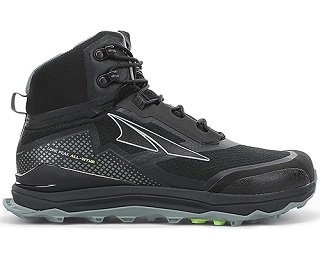
The Altra Lone Peak ALL-WTHR Mid is ideal for those who love the natural feel of trail runners but still need the support of a boot. Altra’s signature FootShape™ toe box provides extra space for wider feet, allowing your toes to splay out as you expect. The zero-drop design promotes more freedom of walking motion, though it might take some getting used to if you’re new to it.
The ALL-WTHR Mid is waterproof, with an eVent® bootie to keep your feet dry without sacrificing breathability. The lightweight construction and cushy midsole make it a great option for those looking for speed on the trail.
Tech Specs:
- Weight: 443g (per boot)
- Upper Material: eVent waterproof membrane
- Waterproofing: eVent membrane
- Midsole: Altra EGO™ cushioning
- Outsole: DuraTread™ Rubber with TrailClaw™
- Best For: Long-distance hikes, varied terrain
Pros:
- Spacious FootShape toe box
- Lightweight and flexible
- Excellent grip and cushioning
- Zero-drop for natural foot movement
Cons:
- Zero-drop requires some adjustment
- Does not provide adequate support for carrying heavy loads
3. Merrell Moab 3 Mid Waterproof
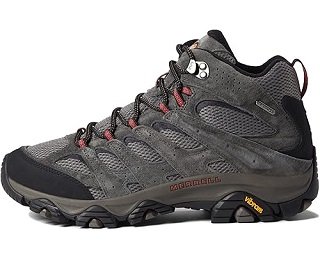
The Merrell Moab 3 Mid Waterproof is an affordable and reliable option for hikers with wide feet. It’s well-known for its “out-of-the-box” comfort and comes in wide sizes for that extra room where you need it. This boot is durable and supportive enough for both day hikes and multi-day treks, with a cushioned footbed and EVA midsole to absorb shocks on rough terrain.
The Moab 3 offers good waterproof protection thanks to the M Select DRY membrane. The Vibram outsole provides excellent traction, especially on rocky or uneven surfaces.
Tech Specs:
- Weight: 568g (per boot)
- Upper Material: Suede leather and mesh
- Waterproofing: M Select DRY membrane
- Midsole: EVA foam
- Outsole: Vibram TC5+
- Best For: Moderate hikes, all-day comfort
Pros:
- Wide width available for extra toe space
- Comfortable right from the start
- Great traction on varied terrain
- Affordable and durable
Cons:
- Lacks high-end support for heavier packs
- Not the most breathable in hot conditions
4. Lowa Renegade GTX Mid

The Lowa Renegade GTX Mid is a premium boot that combines excellent support, durability, and comfort, with wide-width sizing options for those with broader feet. It is one of the best options for those who need strong ankle support and a roomier fit without sacrificing the overall snugness around the foot.
The Nubuck leather upper and GORE-TEX lining provide unbeatable waterproofing. The Monowrap frame adds lateral stability. This is essential for tackling rugged terrain or carrying heavier loads. However, it’s a bit on the heavy side, but the comfort and support more than make up for it.
Tech Specs:
- Weight: 555g (per boot)
- Upper Material: Nubuck leather
- Waterproofing: GORE-TEX
- Midsole: PU Monowrap frame
- Outsole: Vibram Evo
- Best For: Rugged terrain, backpacking, mixed conditions
Pros:
- Excellent waterproofing
- Superior ankle support
- Wide fit without sacrificing stability
- Great for heavier loads
Cons:
- On the heavier side
- Takes some time to break in
5. Oboz Bridger Mid Waterproof
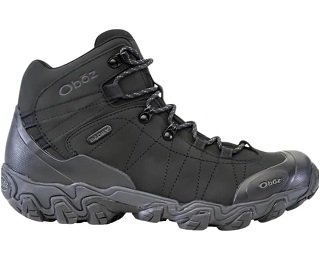
The Oboz Bridger Mid Waterproof is perfect if you want a solid and supportive boot that’s also available in wide sizes. Oboz boots are also famous for their well-cushioned footbeds, and the Bridger is no exception. The boot is designed with a wider fit in mind.
Its O FIT insole provides superior arch support, and the sturdy rubber toe cap ensures protection on rocky or uneven terrain. This model also features a B-DRY waterproof membrane, ensuring your feet stay dry even in wet or rainy conditions.
Tech Specs:
- Weight: 567g (per boot)
- Upper Material: Nubuck leather
- Waterproofing: Oboz B-DRY membrane
- Midsole: Dual-density EVA
- Outsole: Granite Peak rubber
- Best For: Rocky trails, rugged terrain, backpacking
Pros:
- Great fit for wide feet
- Sturdy and supportive
- Excellent traction and durability
- Waterproof with B-DRY protection
Cons:
- Slightly stiff at first
- A bit heavy for ultralight backpackers
6. Columbia Newton Ridge Plus II Waterproof
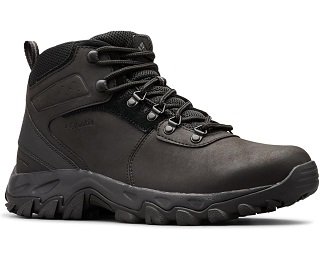
The Columbia Newton Ridge Plus II is a lightweight and budget-friendly option that doesn’t compromise on comfort. This boot is ideal for hikers who want a no-frills and dependable option without breaking the bank. It features a waterproof leather upper with a seam-sealed construction, so you can confidently take on wet conditions.
The boot’s Techlite midsole offers lightweight cushioning. However, it’s not as advanced as some of the high-end models, but for the price, this boot offers great value and plenty of space for wide feet.
Tech Specs:
- Weight: 408g (per boot)
- Upper Material: Waterproof leather and mesh
- Waterproofing: Seam-sealed waterproof construction
- Midsole: Techlite EVA foam
- Outsole: Omni-Grip rubber
- Best For: Light to moderate hikes, casual use
Pros:
- Affordable and lightweight
- A wide range of sizes is available for comfort
- The best option for casual hikes
- Cushioned midsole
Cons:
- Not supportive on rough terrain
- Less durable than premium options
Buying Guide: Best Hiking Boots for Wide Feet
I’ve created a handy guide to help you navigate the options, so you can make a good choice that keeps your feet comfortable and supported on the trails.
Fit Matters
First and foremost, you want to focus on fit. Don’t just rely on the label; try on boots in-store if you can. Look for brands that offer wide sizes, and pay attention to how they feel. You should have enough chambers in the toe box to wiggle your toes, but the heel should feel secure without slipping. I always recommend trying boots on with the socks you plan to wear while hiking.
Consider the Terrain
Think about where you’ll be hiking most often. Are you sticking to well-maintained trails, or do you plan to tackle rocky, uneven terrain? If you’re heading into more challenging areas, you’ll want boots that offer extra support and durability. For lighter, flatter trails, prioritize lightweight and breathable options instead.
Waterproofing Is Key
If you often hike in wet conditions or cross streams, consider waterproof boots. Look for features like GORE-TEX or other waterproof membranes. Trust me, nothing ruins a hike faster than soggy socks!
Cushioning and Support
You’ll want boots that provide good cushioning and arch support, especially for long hikes. A well-cushioned midsole can help absorb impact and reduce fatigue. If you have specific foot issues, such as high arches or flat feet, look for boots that provide proper support for those needs.
Traction Matters
Check the outsoles of the boots. You want a sturdy, grippy rubber sole that can handle various surfaces. Look for features like lugs or patterns that provide traction on slippery or rocky terrain. This can make a huge difference in your stability and safety on the trail.
Break-In Period
Finally, remember that most hiking boots for wide feet need some breaking in. Don’t expect to hit the trail for a 10-mile hike straight out of the box! Take some time to wear them around the house or on shorter walks to ensure they mold to your feet.
❓ FAQs – Hiking Boots for Wide Feet
Are hiking boots for wide feet less supportive than regular ones?
Not at all. Wide-fit hiking boots are built with the same level of support and structure as regular boots — the difference lies in the extra width at the forefoot and toe box. Reputable brands like Keen, Merrell, and Lowa design their wide versions with reinforced midsoles and heel counters to maintain stability even on rugged terrain.
Do hiking boots for wide feet stretch over time?
Yes, most hiking boots — especially those made with leather or fabric uppers — will stretch slightly after several hikes. However, the amount of stretch depends on the material. Leather tends to conform to your foot shape, while synthetic uppers stretch less. Always make sure the boot fits comfortably from the start, as relying on stretch can cause blisters during the break-in period.
Are custom insoles necessary for wide hiking boots?
Not always, but they can improve comfort and performance. If you have flat feet, high arches, or recurring pressure points, custom or aftermarket insoles can provide better alignment and shock absorption. Some hikers prefer swapping out the factory insoles for brands like Superfeet or Currex to fine-tune the fit.
Can wide hiking boots be used in winter conditions?
Yes — just look for insulated or waterproof models with solid traction. Boots like the Keen Targhee III or Lowa Renegade GTX handle snow and slush well when paired with wool socks. For heavy snow or freezing temperatures, choose models with thermal liners or pair your boots with gaiters to keep moisture and cold air out.
Do hiking socks make a difference for wide feet?
Definitely. The right socks can improve fit and reduce friction. Look for medium-thickness merino wool socks, which help regulate temperature and wick moisture. Avoid overly thick socks that take away the benefit of your wide boots by making the fit too snug.
Conclusion
The six hiking boots discussed in this guide provide various options to suit multiple hiking needs, from lightweight day hikes to more challenging backpacking adventures. Keen Targhee III Mid Waterproof is a top pick for all-around performance. Altra Lone Peak ALL-WTHR Mid is perfect if you’re looking for a lightweight trail-runner feel with extra room. If you need more support on rough terrain, Lowa Renegade GTX Mid offers premium stability and fit. Which one is calling your name for your next adventure? Let me know in the comments below.