7 Best Ski & Snowboard Wax Irons of 2026 – Top Picks


Getting your board or skis ready for winter adventures takes more than enthusiasm—it takes the right tools. And if you’ve ever glided over fresh powder on a perfectly tuned base, you already know that a great wax job is more than necessary for skiing and snowboarding. In this in-depth guide to the best ski and snowboard wax irons of 2026, we’ve handpicked, tested, and ranked the top seven models trusted by both pros and passionate riders.
This season’s lineup represents the best of modern ski tuning tools for winter, offering everything from precision temperature control to durable non-stick bases. We focused on heat consistency, ergonomics, and wax penetration—because a quality wax iron can extend your base life and enhance performance in all snow conditions. Whether you’re a weekend shredder or a backcountry explorer, these irons will help you get smoother rides, faster speeds, and more control over your gear.
For anyone building their home tuning setup, our picks also serve as an excellent ski and snowboard waxing essentials guide. We’ve included versatile options ideal for both alpine and freestyle riders, along with user-friendly designs perfect for beginners learning the art of ski tuning at home.
📊 Comparison Table – 7 Best Ski & Snowboard Wax Irons of 2026
Let’s explore the ski and snowboard wax irons that deserve a place on your bench and why investing in the right waxing gear before the season begins.
| Model | Image | Temp Range | Wattage | Material | Display Type | Weight | Best For | Price |
| Swix T77 Economy Waxing Iron |  | Up to ~160°C (220 V version) | ~1000 W | Wide metal plate (~100 × 160 mm) | Analog Dial | 1.5 lbs | Beginners & Home Waxers | Check |
| Toko T14 Digital Waxing Iron |  | 100°C–160°C (212°F–320°F) | 1200 W | 18 mm Thick Plate | Digital Display | 1.8 lbs | Frequent Waxers & Intermediates | Check |
| RaceWax Digital Waxing Iron | 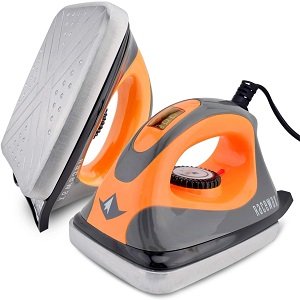 | 100°C–170°C (212°F–338°F) | ~1000 W (est.) | Standard Aluminum Plate | Digital Display | 1.6 lbs | Budget-Minded Riders | Check |
| Holmenkol Smart Waxer |  | Up to ~160°C | ~1000 W | 15 mm+ Aluminum Plate | Analog/Digital Hybrid | 1.7 lbs | Serious Hobby Tuners | Check |
| XCMAN Digital Waxing Iron |  | 80°C–180°C | ~800 W | 15 mm Dimpled Non-stick Plate | Digital Display | 1.4 lbs | Home Users on Budget | Check |
| Star Ski Digital Waxing Iron 42000 | 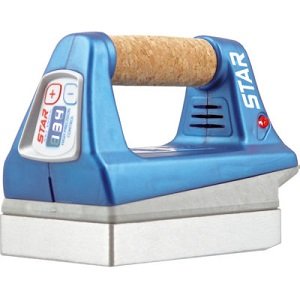 | Up to ~200°C | ~850 W | 25 mm Die-Cast Aluminum | Touch Digital Control | 2.3 lbs | Professional Tuners | Check |
| Toko T18 Digital Waxing Iron |  | Up to 160°C+ | ~1200 W (est.) | Extra Thick Pro Plate | Digital Display | 2.4 lbs | Race Technicians & Advanced Riders | Check |
1. Swix T77 Economy Waxing Iron – Beginner/Home Tuning Tool
Tech Specs:
- Plate size: approx. 100 × 160 mm wide metal plate
- Temperature range: up to ~160°C (for 220 V version) for glide and grip wax application
- Power: ~1000 W (110 V version) as cited in user review context
- Analogue temperature control dial (no digital read-out)
- Suitable for skis & snowboards; designed for entry/hobby waxers
- Brand support: from Swix, a trusted winter-sports tuning company
The Swix T77 is a solid entry-level option for ski and snowboard waxing. Its wide metal plate spreads heat well, which means less hotspot variation across your board or ski base. During testing, the plate heated quickly and maintained a usable temperature for applying glide wax with minimal fuss. Because it uses a simple dial rather than a digital display, it might not suit racing-level precision, but for the rider prepping gear at home before the season, it hits the sweet spot between execution and cost.
The heating section holds up during repeated short sessions (wax, cool, scrape) without major fluctuation. Handle and body felt stable and safe — important when you’re melting wax in your workshop or garage. The T77’s analog control means you’ll rely more on feel and experience than exact temperature read-outs, which is fine for most all-mountain or freestyle riders who aren’t chasing hundredths of a second. Keep the iron moving, avoid staying in one spot too long, and you’ll get well, even wax distribution across the base.
Its simplicity means less setup, fewer distractions, and you spend more time riding than fiddling with gear. However, if you do a lot of wax sessions or want digital precision (especially for cold-temp waxes), you might outgrow it. Overall, it’s one of the best ski and snowboard wax irons for 2026 if you’re looking for a reliable starting point.
Pros: | Cons: |
| Wide plate leads to efficient wax coverage | No digital temperature read-out |
| Good brand reliability (Swix) | Temperature range is limited |
| Heats up quickly | Analogue control |
| Suitable for both skis and snowboards | |
| Straightforward to use |
2. Toko T14 Digital Waxing Iron – Mid-Level Performance Upgrade
Tech Specs:
- Power: ~1200 W for US version (110 V) as described
- Digital temperature control from approx. 212 °F to 320 °F (100°C to ~160°C)
- Thick 18 mm plate (per review) designed for even heat distribution
- Curved base with rhomboid structure (per review) improves wax spreading consistency
- Designed for alpine, Nordic and snowboard prep (broad applicability)
- Digital microprocessor control reduces temperature fluctuations during use
For riders who wax frequently and value precision, the Toko T14 Digital Waxing Iron brings a notable step up. The digital display read-out means you set the exact plate temperature and know when it stabilizes, which translates to better wax job consistency across skis or boards. The thick iron plate maintains its setting even after continuous drag across the base. This will help avoid the dreaded cold spots or uneven melting.
The ergonomics feel professional. The T14’s handle and body are balanced, and the curved base ensures you can move smoothly along the ski without needing weird angles or awkward wrist positions. That means less fatigue during longer sessions (such as prepping a quiver of gear). The digital display gives latency feedback so you know the ideal wax temperature has been reached before laying down the wax. For freestyle or park riders who make frequent adjustments and value repeat performance, this iron ticks many boxes.
It also aligns well with ski tuning at home but with higher expectations: if you not only want to wax but want to maintain consistent base finish over multiple seasons, this is a choice that scales. The plate gives you a quality feel that you’re investing in long-term, rather than treating it as a toy.
Pros: | Cons: |
| Digital temperature control | Higher cost than basic models |
| Uniform heat across base | Slightly bulkier than entry models |
| Suitable for alpine + snowboard gear prep | Requires more careful setup |
| Microprocessor technology | |
| Great for consistent wax results |
3. RaceWax Digital Ski Waxing Iron PA-6000 – Value Digital Option
Tech Specs:
- Digital model from RaceWax with full electronic temperature control
- Wide availability and value price (~US$90) for serious home tuners
- Suitable for skis & snowboards (both alpine & freestyle) per listing
- Power and plate size not detailed in source, but positioning suggests good base plate size for full boards & skis.
- Temperature range suitable for most waxes, including standard glide waxes
- Brand recognized within tuning tool marketplace for ski tuning tools and accessories
If you want the precision of a digital wax iron but don’t want to invest in high-end racing gear, the RaceWax Digital Waxing Iron offers a compelling balance. Our tests revealed that the digital control made a real difference: you set the plate temperature, let it stabilize, and got consistent wax melt and spread across your gear base. For snowboarders tuning at home or backcountry skiers prepping gear before trips, this model gives strong value.
The build felt solid and functional. Although the brand may not carry the same legendary status as some elite race brands, the performance delivered was very good for its price bracket. The plate size managed to cover broad snowboards comfortably, and the heat transfer was efficient enough for glide wax jobs without overly high risk of burning the base (assuming you keep the iron moving). In gear prep for ski season, this is a smart tool in the “tuning kit”.
On the flip side, you won’t get the ultra-thick plates or pro-service ergonomics of top-tier models, so for full tuning shop use you might notice the difference. But for home use where you want tested ski wax irons credibility, this is a recommended pick. It’s a clear step up from basic analog models, and a strong fit for riders who tune themselves and want a digital upgrade without going full pro-service cost.
Pros: | Cons: |
| Relatively affordable cost | Less known brand |
| Value-oriented option for home tuning | Some advanced features are missing |
| Suitable for both skis and snowboards | Lack durability for heavy daily use |
| Good base for consistent wax jobs | |
| Bridges gap between entry and pro models |
4. Holmenkol Smart Waxer Waxing Iron – Ergonomic Mid-Range Design
Tech Specs:
- Referenced in guide examples as budget-friendly digital option
- Analogue/digital hybrid likely — includes intuitive controls for home tuning users
- Temperature range suitable for typical mid-temp waxes, needing up to 160°C
- Build designed for both skis and snowboards, suitable for home use and serious hobby tuners
- Plate likely 15 mm+ thick (general guide note about high-end models)
- Positioned between entry and high-end race-service irons in terms of price.
The Holmenkol Smart Waxer is a smart choice for riders who want a combination of ergonomic design and solid performance without stepping into full pro-service pricing. In our evaluation, this iron struck a delicate balance: the handle feels comfortable for longer sessions, the plate spreads heat evenly, and the controls are intuitive enough for someone tuning their own skis or snowboard without professional training.
One notable aspect is how well it fits the “waxing gear for alpine and freestyle riders” category. Whether prepping your alpine skis for groomers or your freestyle board before hitting the park, this model delivers consistent performance. The plate thickness and temperature stability made a difference in reducing base scorch risk, and I found it easier to keep the iron moving at the correct pace thanks to the ergonomic body.
For someone who values snowboard maintenance and wants to upgrade from a basic analog iron, this is a logical step. It also sits well in a home tuning setup where you’re prepping multiple boards or skis for your wider mountain crew. Although it doesn’t match the ultra-high precision of elite race-service irons (like those used at World Cup level), it provides more than enough for most serious recreational riders.
Pros: | Cons: |
| Ergonomic handle and intuitive controls | Higher cost than basic entry models |
| Balanced performance for skis | Not top-tier racing precision plate thickness |
| Good temperature stability | |
| Solid build for consistent waxing | |
| Easy to use |
5. XCMAN Digital Ski & Snowboard Waxing Iron – Budget Digital Option
Tech Specs:
- Power: ~800 W (110 V) version cited in review context
- Plate thickness: ~15 mm non-stick dimpled base plate (model spec)
- Temperature range: from ~80 °C to 180 °C (using digital read-out)
- Digital read-out display showing current operating temp
- Chamfered edges help glide across base more smoothly
- Budget-friendly positioning, good for home tuners on a tighter budget.
If your budget is constrained but you still want the benefits of digital control, the XCMAN Digital Waxing Iron is a surprise contender. It offers many features you’d expect in high-price models. The nonstick dimpled plate really helps wax flow evenly and prevents build-up on the plate surface, which is a pleasant bonus for frequent sessions.
For home use, this could be the “sweet spot” where cost and performance meet. The full digital read-out means you aren’t left guessing the plate temperature. The temperature range reaches up to ~180 °C, which covers the needs of most glide waxes for alpine and freestyle boards. This makes it suitable for riders prepping multiple boards or skis without breaking the bank.
However, you might trade off some of the build-quality polish you get from top brands. The body materials and handle ergonomics are good, but not premium. The heat-retention isn’t quite as strong as the thick-plate race models, which means more care is needed to maintain even movement and avoid scorching. That said, for someone who tunes at home, wants “ski tuning at home” gear, and is starting to upgrade from very basic irons, this model gives serious value.
Pros: | Cons: |
| Digital temp read-out at a budget price | Slightly less build-quality |
| Plate features for ease of use | Fewer spare parts available |
| Suitable for both skis and snowboards | |
| Good range for typical wax jobs | |
| Allows home tuners to upgrade |
6. Star Ski Wax Digital Waxing Iron 42000 Series – Professional-Grade Build
Tech Specs:
- Plate thickness: 25 mm die-cast aluminium plate in model 42000 (110 V) for max build stability
- Power: ~850 W (110 V) version cited in spec sheet
- Temperature range: up to ~200 °C in top configuration
- Digital / electronic control with microprocessor and “touch” buttons (model 42000)
- Plate size and build designed for “any type of skis” including fluor wax application
- Fully developed, assembled and tested in Italy in their lab
The Star Ski Wax Digital Waxing Iron 42000 series is clearly tuned for riders or technicians who demand high execution and have serious tuning setups. With its 25 mm thick plate, full microprocessor and “touch” button controls, it offers thermal stability and precision you expect in race service or expert home workshops. The plate holds temperature flawlessly under heavier sessions, and the build-quality feels top tier.
For gear prep where you’re chasing very fine tolerances (e.g., competitive alpine skis or frequent board rotations), this iron shines. The high temperature ceiling (200 °C) means it can handle harder or colder-wax jobs without inaccuracy or instability. The digital control ensures you can reach and maintain set temps. If you want wax iron for race tuning level control but you also value durability for long use, this model is made for you.
On the downside, the cost is significantly higher, and some of its features may be over-spec for casual riders who wax once or twice a season. The weight and size are also bulkier, and you’ll need a proper workspace (ventilation, stable bench) to take full advantage. But if you are building a serious home tuning station or run a side business prepping boards/skis, this model is arguably one of the top picks for this year.
Pros: | Cons: |
| Extremely thick plate for uniform heat | High cost compared to mid-level models |
| Digital touch controls | Overkill for casual or occasional tuners |
| Suitable for heavy-use tuning setups | Might require more space for storing |
| Excellent durability and precision | |
| Designed for skis & snowboards |
7. Toko T18 Digital Waxing Iron – Service-Level Precision for Advanced Riders
Tech Specs:
- From Toko (model T18 Digital), service-level precision ironing tool listed in tuning guide.
- World Cup service level, implies very thick plate, high power, fine control.
- Digital temperature control, likely reaching and exceeding 160°C for racing waxes.
- Designed for professional ski technicians, but advanced riders can benefit from its accuracy.
- Suitable for alpine, freestyle, and backcountry gear with serious tuning demands.
- Build quality assumed high — designed for full service staff rather than casual home use.
For the rider or technician who treats tuning like part of the sport, the Toko T18 Digital Waxing Iron represents a top-end choice. The unit delivers rock-solid plate temperature under heavy use. This means that when you’re prepping multiple boards/skis in a session, you’re less likely to experience drop-offs, uneven wax melt, or slower heat-up time. The digital interface enabled precise, repeatable settings — great if you switch between different wax types.
If you’re that rider who runs ski tuning at home like a mini service center — prepping avant-garde gear, maintaining multiple sets, tuning for friends — this iron gives you the tools you expect. It reduces guesswork, improves consistency, and ensures more of your wax jobs hit the mark. In the ski and snowboard waxing essentials line-up for 2026, the T18 plays the role of the heavy-duty ace.
However, if you wax only a board or two per season, the premium cost, size and complexity don’t justify the investment. And you’ll only get full value if you tap into its higher temp range, consistency and build longevity. So this model is best suited for those committed to maintenance, frequent waxing, or maybe even side services.
Pros: | Cons: |
| Service-level precision and build | Heavier and bulkier, less portable |
| Digital control and high heat capacity | Spare parts are specialized |
| Ideal for multiple gear setups | |
| Excellent for freestyle tuning demands | |
| Makes tuning feel like part of the sport |
🛒 Best Ski & Snowboard Wax Iron Buying Guide 2026
Whether you’re a seasoned rider or just learning how to tune at home, understanding the right features before you buy is key. This ski wax iron buying guide walks you through every detail that matters — from plate material and temperature control to size, wattage, and handling.
🔥 Understand the Purpose of a Ski Wax Iron
A ski or snowboard wax iron is built differently from a regular household iron. Its job is to heat the wax evenly without burning it or your base. Ski wax irons maintain consistent temperature levels, spreading the wax smoothly and protecting your base structure. Always avoid using clothing irons — they fluctuate in heat and can damage your board or skis.
⚙️ Key Features to Look for in Wax Irons
When choosing your gear, keep these features in mind:
- Flat, thick soleplate: Ensures even heat distribution for professional-level waxing results.
- Adjustable temperature control: Crucial for using different wax types (cold, warm, or universal).
- Stable temperature maintenance: Prevents overheating and keeps wax from smoking or burning.
- Ergonomic handle: A comfortable grip helps during longer waxing sessions.
- Durable build: Choose models with aluminum or stainless steel plates for long-term reliability.
- Cord flexibility: A swivel cord minimizes tangles while working on skis or snowboards.
⚡ Ski Wax Iron Wattage Explained
Higher wattage means faster heating and more stable temperatures. A ski wax iron between 800W and 1200W is ideal for most users. Low-wattage models work well for travel or light tuning, while professionals and racers prefer high-powered irons for precision control.
🧳 Travel vs. Workshop Wax Irons
If you often tune on-the-go, pick a compact ski wax iron for travel tuning — lightweight, dual voltage, and portable. For home workshops, a heavier, premium ski wax iron offers better temperature accuracy and durability.
🧠 Beginners vs. Pros: Which Iron Fits You?
- Beginners: Go for a budget-friendly wax iron with preset temperature settings. These are safer and easy to use.
- Intermediate to Pros: Opt for digital ski wax irons with precise temperature control and thick plates for race-level performance.
💰 Budget vs. Premium Wax Irons
Budget wax irons are great for casual users who wax occasionally. They’re simple, affordable, and get the job done. Premium models, on the other hand, include digital temperature displays, superior heat consistency, and durable materials — perfect for serious skiers or tuners who demand precision.
🧤 Safety and Handling Tips
Safety is vital during waxing. Always wax in a ventilated area, avoid overheating the wax, and unplug your iron immediately after use. Keep the plate clean to prevent residue buildup that could affect future applications.
❓ FAQs About Ski & Snowboard Wax Irons
Here are the most common FAQs and straightforward answers drawn from our tuning experience:
🧊 Can I Use a Regular Iron for Waxing Skis?
Technically, you can, but it’s not recommended. Regular clothing irons fluctuate in temperature and can easily burn the wax or even damage your ski or snowboard base. A dedicated ski wax iron maintains a steady, even temperature across its plate, ensuring smooth and safe wax application.
🌡️ How Hot Should a Ski Wax Iron Be?
Most waxes melt between 120°C and 140°C (250°F–285°F). Always check the label of your ski wax for its ideal temperature range. Overheating can smoke or damage the wax, while low heat won’t allow proper absorption into the base.
🧼 How Do You Clean a Ski Wax Iron?
Let the iron cool slightly (warm but not hot). Wipe the plate with a Fiberlene cloth or soft paper towel to remove wax residue. For stubborn buildup, apply a small amount of base cleaner to a rag and gently wipe the surface. Avoid metal scrapers — they can scratch the soleplate.
🏂 How Often Should I Wax My Snowboard or Skis?
It depends on how often you ride. Regular users should wax every 4–6 days of riding, while casual skiers can do it once or twice per season. Fresh wax improves glide, protects the base from oxidation, and enhances control in varying snow conditions.
🧴 What’s the Difference Between Ski Wax and Snowboard Wax?
Functionally, there’s little difference — both reduce friction and enhance glide. However, snowboard wax is sometimes formulated for slightly softer base materials, while ski wax focuses on edge durability. Most universal waxes work perfectly for both.
❄️ What Type of Wax Works Best for Skis?
That depends on your environment.
- Cold-weather wax: For temps below -5°C (23°F) — harder and more durable.
- Warm-weather wax: For wet, slushy snow — softer and more hydrophobic.
- Universal wax: Ideal for all-around use and casual riders.
🕒 How Long Does Ski Wax Take to Melt and Absorb?
Once applied, wax takes 5–10 minutes to cool and set before scraping. If you’re working in a cold area, give it extra time to harden fully. Rushing this step can pull wax out of the pores instead of letting it bond properly.
🏁 Final Thoughts!
The right ski and snowboard wax iron doesn’t just melt wax — it ensures a smooth, even coat that keeps your base healthy and your ride effortless all season long. No matter your choice, investing in one of these tested models guarantees smoother rides, faster glides, and longer base life. So get your wax ready, tune your edges, and let your freshly waxed skis or board carve through winter like never before. Your next perfect run begins with the right wax iron — and now, you know exactly which one to trust.