Best Ski Back Protectors for 2026 (Freeride & All-Mountain Tested)


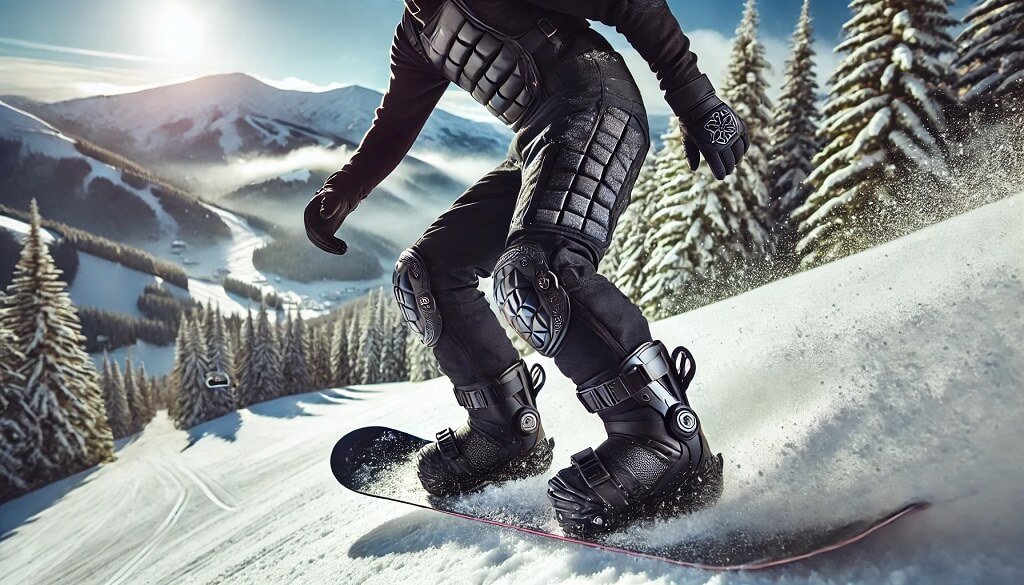
Staying safe on the slopes isn’t just about skill — it’s also about smart protection. The best ski back protectors can make a significant difference when you’re charging down steep freeride lines or carving through icy all-mountain terrain. After testing and reviewing countless models over the past season, we’ve narrowed it down to 7 top-rated ski back protectors for 2026 that truly deliver in comfort, flexibility, and real protection.
As seasoned skiers and gear testers, we’ve worn these protectors through everything from backcountry descents to high-speed resort laps. Our testing focused on impact resistance, mobility, ventilation, and how well each model fits under different types of ski jackets. We’ve also considered key factors like EN 1621-2 certification, ergonomic design, adjustable straps, and breathable materials that keep you comfortable during long runs.
Whether you’re hitting deep powder or navigating tight tree runs, these protectors give you the confidence to ski harder without compromising safety.
7 Best Ski Back Protectors for 2026 – Ranking
Below is a clear, scannable comparison table of the 7 Best Ski Back Protectors for 2026. We added a citation for each product so you can jump straight to the maker or retailer for specs and current pricing.
| Product | Image | Type | Certification | Best for | Weight | Price |
| POC Spine VPD Air Vest | 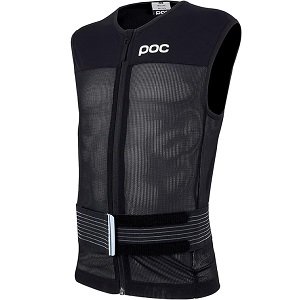 | Vest (lightweight mesh + VPD foam) | EN 1621-2 (Level 1) | All-mountain / park / everyday wear | ~Lightweight | Check |
| Sweet Protection Back Protector 2.0 | 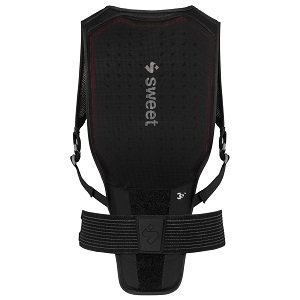 | Pad or vest option (visco-elastic foam) | EN 1621-2 Certified | Freeride & all-mountain | ~540 g | Check |
| Rossignol FlexVent Vest |  | Race-fit vest | CE Certified (EN Standard) | Racing / slim fit / layering under suit | Slim design | Check |
| Komperdell Airshock Vest | 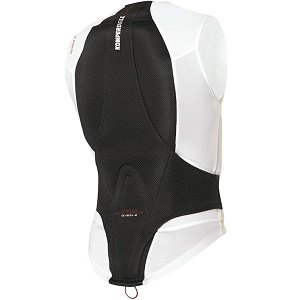 | Vest / pack-style protector | EN 1621-2 Certified | Freeride / piste / all-mountain | Lightweight | Check |
| Demon United Spine Guard X (D3O) |  | Standalone spine guard / vest insert | D3O BP3 / EN 1621 (Level 1) | Park / freeride / D3O enthusiasts | Ultra-light | Check |
| Atomic Live Shield AMID Vest |  | Vest (AMID tubular foam system) | EN 1621-2 (Level 2) | Aggressive freeride / racers | Thin profile | Check |
| EVOC Vest LINE PRO (LITESHIELD PLUS) |  | Vest or backpack with removable protector | EN 1621-2 (Level 2, TÜV/GS) | Backcountry / ski-touring / all-mountain | Mid-weight | Check |
1. POC Spine VPD Air Vest – Best Lightweight Ski Back Protector
Tech Specs:
- Certification: EN 1621-2 Level 1
- Material: VPD (Visco-Elastic Polymer Dough) impact foam
- Fit: Slim-fit, flexible mesh construction
- Ventilation: Open-structured design for maximum airflow
- Closure: Adjustable waistband and full-length zipper
- Weight: Approx. 500g
- Use Case: All-mountain, park, and everyday ski protection
The POC Spine VPD Air Vest is one of the best lightweight ski back protectors for 2026. Designed for skiers who want a perfect balance between comfort and safety, this vest feels almost invisible under your jacket while offering certified protection. It impressed us with its flexibility and breathability.
The VPD Air foam adapts to your body shape, providing freedom of movement while maintaining reliable impact absorption. Unlike bulky spine guards, this vest remains thin and ventilated, which allows airflow even during high-output skiing. It also stays secure without pinching, thanks to its wide waistband and stretchable mesh panels. It maintains comfort during long sessions, even when layering under different outerwear systems.
For skiers who prioritize agility and temperature regulation, this model feels just right. Although it’s rated Level 1 instead of Level 2, its ergonomic design and comfort make it ideal for those who value mobility. Whether you’re skiing at resorts or catching air in the park, the POC Spine VPD Air Vest offers dependable protection that doesn’t hold you back.
Pros: | Cons: |
| Extremely lightweight design | Less protection than Level 2 |
| Flexible foam adapts to body movement | Fits short for taller users |
| Secure waistband and snug fit | Limited storage or add-ons |
| Ideal under all types of ski jackets | |
| Excellent comfort for long days |
2. Sweet Protection Back Protector 2.0 – Best All-Mountain Back Protector
Tech Specs:
- Certification: EN 1621-2
- Material: Visco-elastic soft foam
- Design: Ergonomic multi-layer structure
- Closure System: Adjustable shoulder and waist straps
- Weight: Around 540g
- Use Case: Freeride, all-mountain skiing, and snowboarding
- Ventilation: Perforated padding with air channels
The Sweet Protection Back Protector 2.0 is built for skiers who need dependable safety without losing range of motion. Tested across varied terrain, this model impressed us with its balance, flexibility and protection. The multi-layer visco-elastic foam absorbs heavy impacts while maintaining comfort during dynamic skiing.
It contours naturally to the spine and moves with your body as you carve, jump, or crouch. The perforated foam and breathable mesh keep airflow constant, even on warmer days. This design makes it one of the best all-mountain back protectors for skiing, capable of protecting against hard pack falls while remaining pleasant to wear all day.
Sweet Protection’s focus on adjustability shows—both shoulder and waist straps allow fine-tuning for the perfect fit. The back length covers the spine adequately without riding up or feeling restrictive under jackets. It’s slightly more protective than the POC Air Vest, making it ideal for skiers who ski faster or tackle more challenging terrain.
Pros: | Cons: |
| Ergonomic fit with natural flexibility | Heavier than ultra-light models |
| Breathable foam with great air circulation | Not the slimmest for race suits |
| Durable multi-layer impact design | Minimal storage options |
| Easy to adjust shoulder and waist straps | |
| Reliable option for aggressive skiers |
3. Rossignol FlexVent Vest – Best Race-Fit Back Protector
Tech Specs:
- Certification: CE EN 1621-2
- Design: Slim, stretch-fabric vest
- Padding: Lightweight foam protection panels
- Fit: Tight, body-hugging construction
- Ventilation: Stretch mesh panels
- Use Case: Racing, speed training, and under-suit protection
- Weight: Approx. 450g
Rossignol FlexVent Vest is purpose-built for racers and speed enthusiasts who need minimal bulk under their gear. During our test runs on race courses, this protector delivered exceptional comfort and unrestricted motion. Its low-profile design sits smoothly beneath a race suit, making it one of the best ski race back protectors for professionals and competitive skiers.
Despite its slim construction, the FlexVent provides solid impact absorption through its flexible foam padding. The stretch material molds seamlessly to the torso and stays put during dynamic movement. It’s also highly breathable and doesn’t overheat during intense runs or training sessions.
Rossignol focused on weight reduction and fit accuracy. The vest feels like a second skin, letting you move naturally while maintaining spinal coverage. It doesn’t shift, bunch up, or interfere with pole plants—an impressive feat for such a compact design.
Pros: | Cons: |
| Race-level comfort and mobility | Not Level 2 rated |
| Ultra-slim construction | Not ideal for freeride conditions |
| Excellent fit under tight layers | Lacks adjustment options |
| Great stretchability | |
| Trusted brand for racing gear |
4. Komperdell Airshock Vest – Best Ergonomic Freeride Back Protector
Tech Specs:
- Certification: EN 1621-2 Certified
- Material: Dual-density shock-absorbing foam
- Fit: Ergonomic contour with hip and waist support
- Ventilation: Large perforations and mesh zones
- Closure: Zipper front + adjustable belt
- Use Case: Freeride and all-mountain skiing
- Weight: Approx. 600g
Komperdell Airshock Vest has long been a favorite among freeriders who demand full coverage and comfort. Known for its ergonomic design and proven Austrian engineering, this protector fits naturally along your back.
During testing on steep descents and tree runs, it offered excellent spinal support. The dual-density foam layers absorb and distribute force effectively to minimize impact during backward falls. The vented mesh fabric keeps airflow steady.
The wide hip belt adds security and ensures the vest stays in place. We found that the Airshock Vest performs well for both freeride skiers and those who mix piste and off-piste skiing. Its snug fit under a ski jacket gives it versatility for different terrain and weather conditions.
Komperdell’s decades of expertise in protective gear show clearly here. If you’re looking for an ergonomic freeride ski back protector that offers excellent protection with comfort-driven design, this vest should be on your list.
Pros: | Cons: |
| Ergonomic, natural back contour fit | Bulkier than minimalist vests |
| High ventilation through mesh zones | Hip belt feels tight for some |
| Excellent impact absorption | |
| Built for long-term use | |
| Great for off-piste skiing |
5. Demon United Spine Guard X (D3O) – Best D3O Ski Back Protector
Tech Specs:
- Certification: D3O BP3 / EN 1621 (Level 1)
- Material: D3O impact foam (soft-flex material that hardens on impact)
- Fit: Adjustable elastic shoulder and waist straps
- Design: Slim, segmented spine guard
- Ventilation: Air channel structure
- Use Case: Park skiing, freeride, and snowboarding
- Weight: Approx. 500g
The Demon United Spine Guard X is one of the best-value ski back protectors featuring D3O technology—a material that remains flexible until impact, where it instantly stiffens to absorb force. It impressed with comfort, fit, and protection despite being thinner than most vests.
This protector works great for freestyle and park skiers who perform jumps and spins where flexibility matters most. Its adjustable straps allow a custom fit over base layers, and the segmented foam design offers targeted protection along the spine. It doesn’t trap heat, and its open structure aids in moisture wicking.
The biggest strength lies in the D3O foam — it’s soft, flexible, and tested to absorb high-impact energy effectively. For skiers wanting freedom and reliable safety in a minimalist form, this guard is a smart pick. It’s also budget-friendly, making it one of the best entry-level ski back protectors for 2026.
Pros: | Cons: |
| Uses D3O impact material | Basic design |
| Very lightweight and flexible | Lacks torso-side protection |
| Adjustable for multiple body types | Not ideal for extreme downhill crashes |
| Excellent ventilation | |
| Great value for money |
6. Atomic Live Shield AMID Vest – Best Level 2 Ski Back Protector
Tech Specs:
- Certification: EN 1621-2 Level 2
- Material: AMID (Atomic Multi-directional Impact Deflector) foam
- Fit: Slim vest design with stretch panels
- Closure: Full zipper and elastic waist strap
- Ventilation: Open 3D foam structure
- Weight: Approx. 600g
- Use Case: Aggressive freeride, racing, and all-mountain skiing
If you want top-tier protection in a lightweight package, the Atomic Live Shield AMID Vest is tough to beat. This Level 2 certified vest uses AMID technology, a tubular foam structure that compresses upon impact while remaining flexible in motion. It’s remarkably comfortable despite its high protection rating.
It’s an excellent choice for high-speed riders or those skiing in challenging alpine terrain. The AMID foam moves naturally with your body. This will prevent stiffness that’s common in heavy-duty protectors. The material also keeps its flexibility in cold weather — a big plus for those skiing in subzero temperatures.
The slim design slides effortlessly under jackets, and the 3D ventilation system keeps airflow consistent. It’s a serious protector for serious skiers. Whether you’re dropping cliffs, skiing gates, or carving down icy runs, this vest provides advanced safety without bulk.
Pros: | Cons: |
| Certified Level 2 high protection | Slightly higher price |
| Flexible AMID material performs in cold | Heavier than thin race models |
| Excellent breathability | Feels snug for wide torsos |
| Great coverage for aggressive riders | |
| Maintains flexibility and comfort |
7. EVOC LINE PRO (LITESHIELD PLUS) – Best for Ski Touring & Freeride
Tech Specs:
- Certification: EN 1621-2 Level 2 (TÜV/GS Approved)
- Material: LITESHIELD PLUS foam
- Design: Vest or integrated backpack style
- Fit: Ergonomic with hip wings and 3D mesh panels
- Ventilation: Airflow channels through back panel
- Use Case: Ski touring, backcountry, freeride
- Weight: 600–800g (depending on version)
EVOC LINE PRO Protector Vest delivers exceptional versatility for backcountry and freeride skiers. Combining a Level 2 LITESHIELD PLUS back protector with EVOC’s ergonomic vest design, it provides high-impact protection and practical storage options for essentials.
During field tests, it performed flawlessly on long ski-touring missions and steep descents. The integrated hip wings stabilize the vest and prevent shifting, and the removable protector insert allows you to adapt it for lighter days. The ventilation system impressed us—it channels air efficiently to keep you cool during climbs.
With its dual-purpose design, you can use it as a standalone vest or pair it with an EVOC pack for added storage. The comfort and stability make it one of the best ski touring back protectors available today. For riders who explore the backcountry but demand certified safety, this model checks every box.
Pros: | Cons: |
| Level 2 TÜV/GS certified protection | Heavier than standard vests |
| Excellent for ski touring and freeride | Premium pricing |
| Removable and pack compatibility | Feels warm in spring skiing |
| Great ventilation and stability | |
| Trusted EVOC build quality |
🏔️ Best Ski Back Protector Buying Guide for 2026
Below, we break down the key factors to help you pick the best back protector for skiing that matches your performance and comfort needs.
Certification: Level 1 vs. Level 2 Ski Back Protectors
The first thing to check when buying a ski back protector is its certification.
- Level 1 protectors (like the POC Spine VPD Air Vest) offer great flexibility and lightweight comfort but absorb less impact force. They’re ideal for park, resort, and casual all-mountain use.
- Level 2 protectors (such as the Atomic Live Shield AMID and EVOC LINE PRO) provide higher impact absorption—perfect for freeride skiing, racing, and off-piste adventures.
If you often ski at high speeds or ride technical terrain, a Level 2 ski spine protector is the smarter choice.
Fit and Comfort Matter Most
A ski back protector only works well if it fits properly. Look for vest-style designs that hug your torso without restricting movement. Adjustable waist belts, shoulder straps, and stretch mesh fabric help maintain comfort through every turn. Race skiers often prefer slim, race-fit protectors while freeriders appreciate ergonomic options.
Breathability and Temperature Control
Modern protectors use ventilated foams and mesh panels to keep you cool. The best ski back protectors for 2026 feature open-cell designs or air channels for better airflow. Most models on our ranking models keep heat buildup to a minimum—essential for all-day comfort.
Material Technology and Flexibility
Different brands use advanced materials such as VPD, D3O, AMID, or LITESHIELD PLUS, each with its own unique advantage:
- VPD and D3O foams stay soft until impact, then harden to absorb energy.
- AMID foam (Atomic) provides high protection with multi-directional flexibility.
- LITESHIELD PLUS (EVOC) balances ventilation, impact resistance, and durability.
The right choice depends on whether you want maximum protection or lightweight flexibility for freestyle and park skiing.
Coverage and Length
Coverage varies among protectors. Some short models cover just the upper spine (better for racers), while long versions extend down to the tailbone (best for freeride or backcountry). If you frequently ski off-piste or through trees, choose a full-length freeride back protector vest for better security.
Compatibility with Jackets or Backpacks
If you wear a hydration pack or backpack, make sure your protector allows comfortable layering. The EVOC LINE PRO Vest is perfect for ski touring since it integrates protection and pack compatibility. Conversely, lighter standalone protectors are great for resort skiing where storage isn’t a concern.
Weight and Flexibility Balance
Heavier protectors often deliver higher impact absorption, but newer technologies now make lightweight ski back protectors just as safe. For example, the Atomic AMID Vest offers Level 2 protection at a fraction of the bulk. Always choose a model that doesn’t limit your agility on the slopes.
❄️ FAQs – Top-Rated Ski Back Protectors Explained
Can I wear a ski back protector under my jacket?
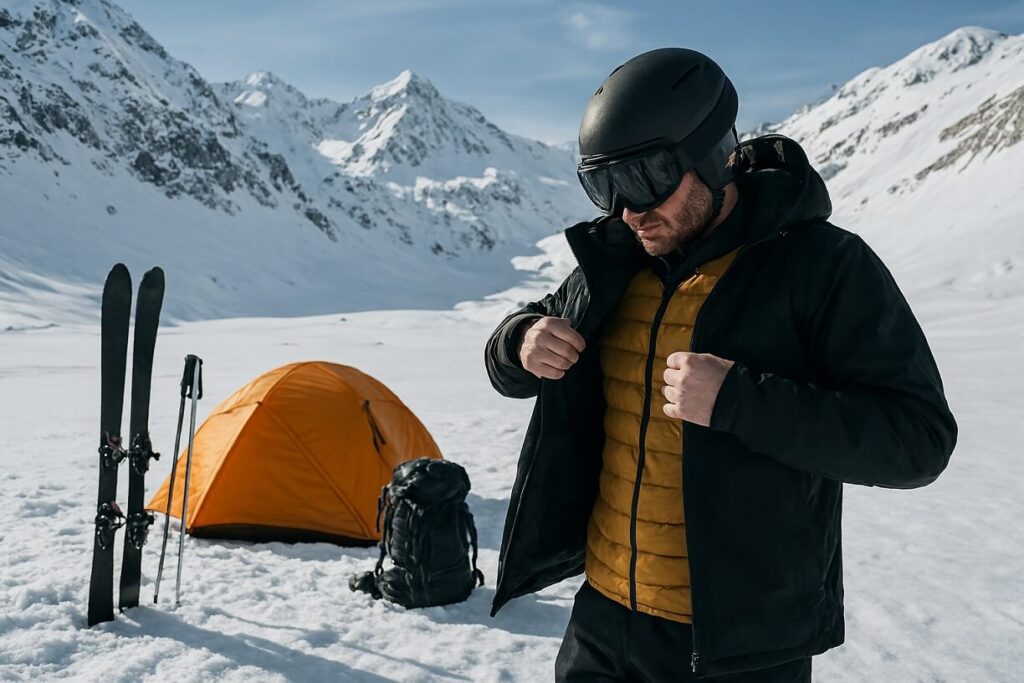
Absolutely. Most modern ski back protectors are designed to be worn under a jacket or base layer. Vest-style models fit snugly and won’t restrict movement. For the best comfort, wear it directly over a thin base layer so it stays close to your spine and doesn’t shift during turns or landings.
How should a ski back protector fit?
It should sit flat against your back and cover from just below your neck down to your tailbone. The fit should be snug but not tight. Adjustable straps or belts help fine-tune the position so the protector stays in place even when you bend or twist. If it moves when you ski, it’s likely too loose.
Can I use my ski back protector for mountain biking or snowboarding?
Yes, many back protectors are multi-sport compatible. If it’s certified under the EN 1621-2 standard, you can safely use it for snowboarding, mountain biking, or even motocross. However, check the brand’s instructions first—some models are optimized for winter use and may lack ventilation for summer sports.
How often should I replace my ski back protector?
Most manufacturers recommend replacing your back protector every three to five years, depending on usage and impact history. If you’ve had a major crash or notice cracks, hard spots, or changes in flexibility, replace it immediately. Materials like VPD or D3O can degrade over time to reduce effectiveness.
Can I wash a ski back protector vest?
Yes, but always follow the care instructions. You should remove the protective pad before washing the vest fabric. Use cold water, mild detergent, and air dry it—never machine dry. Keeping it clean prevents odor buildup and helps the material maintain its elasticity and comfort.
What’s the best way to store a ski back protector?
Store it in a cool, dry place away from direct sunlight. Avoid leaving it compressed under other gear, as pressure can deform the padding over time. During the off-season, hang or lay it flat to preserve its original shape and protective performance.
🎿 Final Thoughts
After reading, it’s clear that not all ski back protectors perform equally on the slopes. Whether you prioritize lightweight flexibility, maximum spine coverage, or breathable padding, there’s a model here that matches your needs and skiing style. If you’re an aggressive freerider or spend long days exploring off-piste terrain, a high-impact option offers exceptional safety without sacrificing movement.
Ultimately, investing in a quality ski back protector is just as crucial as choosing the right helmet or goggles. It’s an invisible layer of safety that can prevent life-changing injuries while allowing you to ski harder and with more confidence. So before you hit the mountains this season, take a moment to pick the protector that fits your riding style best. Your back deserves the same attention as your gear — because the best adventures start with the right protection.