Best Snowboard Boots of 2026: Expert-Tested Picks

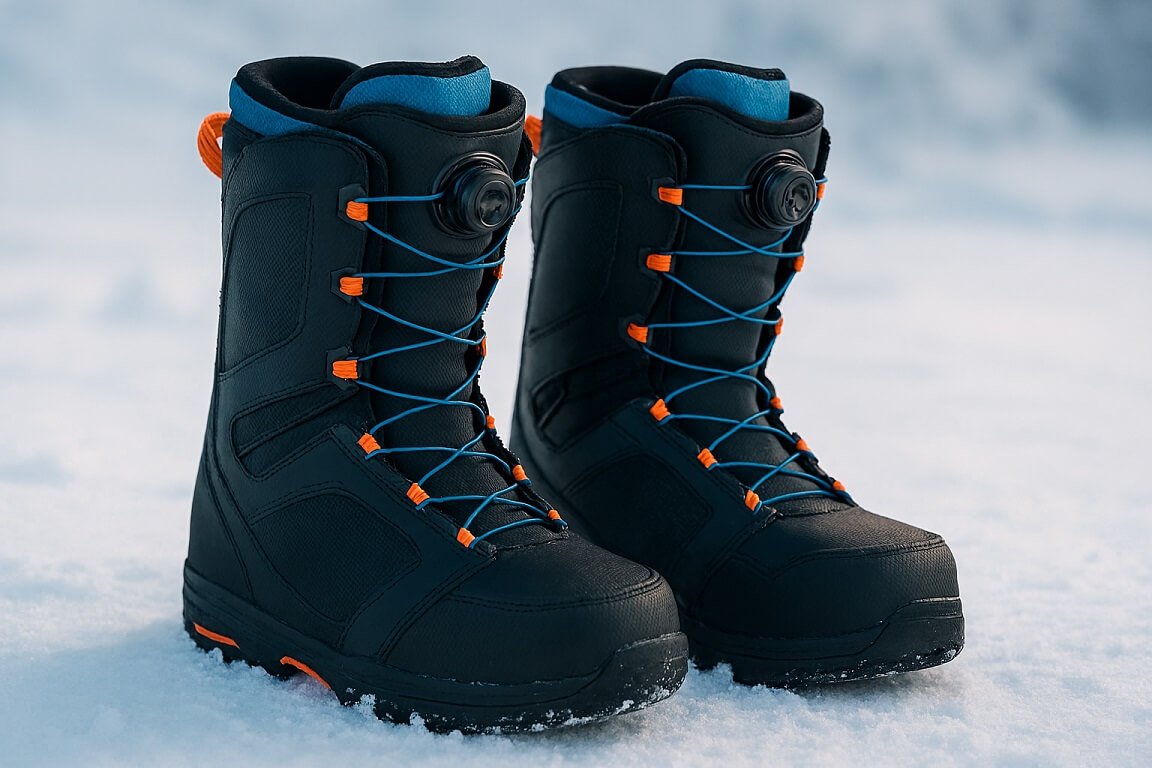
Finding the right snowboard boots can make or break your season, and that’s something we understand clearly after years of testing gear on veritable mountains. Our team spent months riding new models, checking every detail from comfort to durability, and comparing how each pair handled long days on variable terrain. We pushed each boot through cold mornings, deep powder, icy hardpack, and park laps to see what actually performs — not just what looks good on paper. After testing and evaluating several new releases, we finally ranked the 8 best snowboard boots of 2026 based on results you can trust.
What sets this year apart is the noticeable jump in technology. Brands aren’t just upgrading liners and lacing systems; they’re redesigning fit profiles, improving heel hold, and cutting down break-in time. These improvements are clear on the mountain, and we made sure to highlight real differences in every model. You’ll see how the latest materials affect board feel, why some boots best seller for all-mountain riding, and which models deliver the stability that advanced riders need. Our snowboard boot comfort review and durability tests reflect hours of riding, not quick impressions.
We also kept every rider in mind. Some boots in this roundup excel for beginners who want an easy and forgiving fit. Others are built for pros who need a boot that stays responsive at higher speeds. Each review breaks down fit, sizing, stiffness, and performance so you can quickly understand which model suits your riding style. Whether you want a lightweight boot for park sessions or a supportive option for steep terrain, you’ll see clear differences in how each one stacks up. This guide reflects real testing, expert input, and honest ranking — giving you a confident starting point for your next pair of performance snowboard boots.
8 Best Snowboard Boots of 2026 – Comparison Table
| Model | Image | Flex Rating | Lacing System | Liner Type | Outsole | Best For |
| Nitro Team BOA | 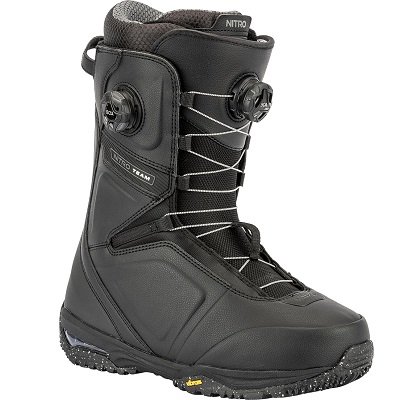 | Medium (~8/10) | Dual BOA® Fit System | Cloud 9, thermoformable | Vibram® ECOSTEP™ | All-mountain riders, intermediate-advanced |
| Burton Photon BOA | 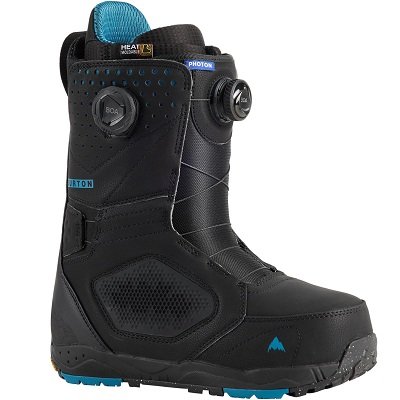 | Medium-stiff (~7/10) | Dual BOA® Fit System | Imprint 3, heat-moldable | Vibram, Step-On compatible | All-mountain riders wanting convenience |
| ThirtyTwo Lashed Double BOA | 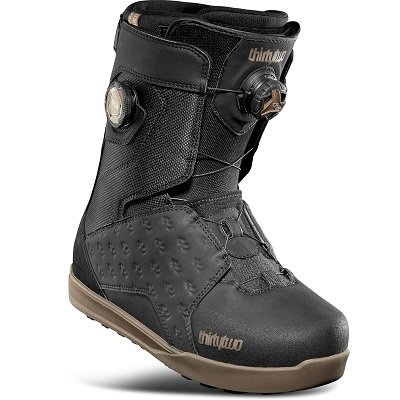 | Medium (6/10) | Dual BOA® Fit System | Team Liner, heat-moldable | Evolution Foam, lightweight | Freestyle riders & all-mountain |
| Salomon Faction BOA | 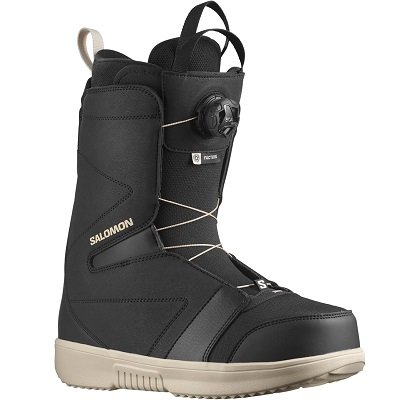 | Medium-stiff (~7.5/10) | BOA® Fit System | Heat-moldable, moisture-wicking | Rubber, stable on icy terrain | All-mountain riders, intermediate-advanced |
| Rome Clovis Lace | 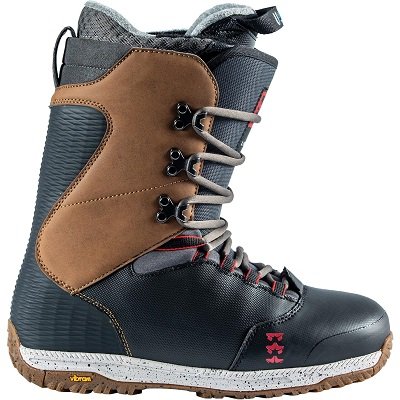 | Medium (~6/10) | Traditional laces | Heat-moldable liner | Rubber outsole | Casual/intermediate riders, classic lace lovers |
| Vans Infuse 2026 | 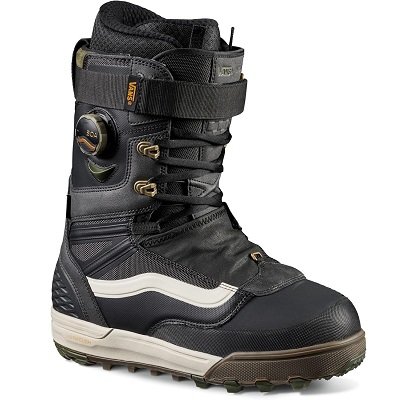 | Soft-medium (~5.5/10) | Speed-lacing | Plush liner, heat-moldable | Rubber outsole | Freestyle riders, beginners, comfort seekers |
| DC Phase 2026 | 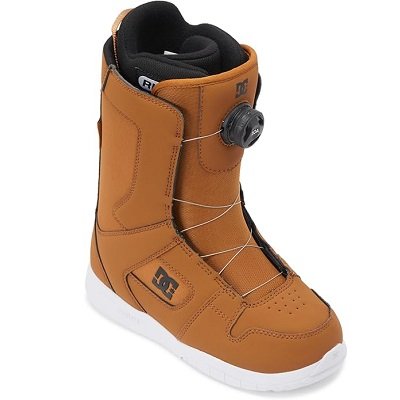 | Medium (~6.5/10) | Traditional laces | Heat-moldable liner, basic insulation | Rubber outsole | Budget-friendly all-mountain riders |
| K2 Maysis 2026 | 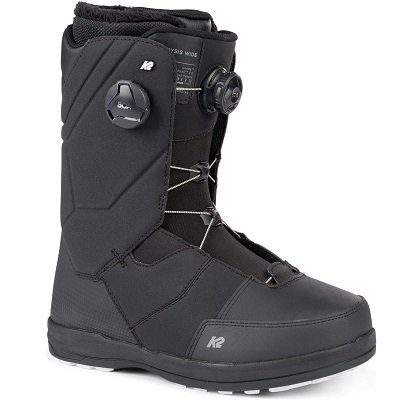 | Medium-stiff (~7/10) | Traditional laces | Heat-moldable, cushioned | Durable rubber | All-mountain intermediate-advanced riders |
1. Nitro Team BOA Snowboard Boots 2026 — All-Mountain Versatile Choice
Tech Specs:
- Flex rating: Medium (approx. 8/10)
- Dual High Power BOA® Fit System — dual dials for zonal tightening and micro-adjustments
- Outsole: Vibram® ECOSTEP™ compound (uses ~30 % recycled rubber) for grip and durability
- Midsole: EVA midsole + Therminator Shield for thermal insulation and comfort
- Liner: Cloud 9 liner — pre-molded, thermoformable, with 3D-shaped tongue, 3D heel construction, latex memory pads for lasting heel hold
- Footbed: Ortholite® High Cup Dual Density footbed — for cushioning and support over long days riding
As reviewers who’ve spent weeks riding and testing every major boot this season, we put Nitro Team BOA 2026 through real-mountain conditions — hard-packed groomers, choppy snow, even a bit of soft snow laps. Right out of the box the fit felt very balanced. The Cloud 9 liner delivered a snug but comfortable wrap, and the thermoformable liner made it easy to fine-tune after the first few runs. No hot spots, no heel lift. That’s a big win for snowboard boot comfort review.
The dual BOA system is remarkable. Tightening the lower dial locked the forefoot and arch snugly, while the upper dial locked around the cuff and ankle — ideal for riders who demand precise support without losing mobility. On choppy terrain and hard landings, the Air Dampening midsole + EVA cushioning absorbed shocks well. That made transitions smoother and helped reduce fatigue. For durability, the Vibram outsole felt rugged and grippy — good for board walks or icy slopes. Overall, performance stayed consistent, no softness after multiple use days.
It responded quickly during carved turns, but remained forgiving enough for long resort days or mixed terrain laps. From our field tests, you get a boot that balances comfort, control, and durability — a reliable partner whether you ride casually or push harder.
✅ Pros: | ⚠️ Cons: |
| Precise fit control | Medium flex |
| Cloud 9 liner and Ortholite footbed | Heavier than freestyle boots |
| Good shock absorption and cushioning | Not ideal if you prefer soft boots |
| Eco-friendly compound | |
| Quick break-in time |
2. Burton Photon Boa Snowboard Boots — Step-On for All-Mountain Riders
Tech Specs:
- Flex rating: ~7/10 (medium-stiff)
- Lacing system: Dual BOA® Fit System — one dial on tongue, one on ankle-strap for independent tightening.
- Liner: Heat-moldable Imprint 3 liner with moisture-wickling and thermal-reflective materials for warmth and dryness.
- Outsole: Hike-friendly Vibram outsole for reliable grip while boot-packing.
- Boot / binding compatibility: Designed to work with Step-On bindings (heel & toe cleat system).
- Foot-cuff support: Integrated ankle strap + Focus Cuff for targeted support around the ankle area.
This 2026 model from Burton arrived with a promise: combine powerful response, secure support, and swift convenience. We strapped them onto a Step-On setup and logged multiple full days on piste. The first thing we felt: the dual BOA system gives precise, independent tension. Turning the tongue dial locked down the forefoot while the ankle strap dial cinched the cuff — that meant no heel-lift through heavy turns and no slack creeping in mid-run. That’s a strong tick under snowboard boots fit and sizing review.
The heat-moldable Imprint 3 liner brought comfort from turn one. Feet stayed warm even during long lift waits or cold morning laps. Moisture-wicking and thermal-reflective materials helped keep dryness after sweaty boots-on sessions. That made a big difference on wet, slushy slopes. Cushioning underfoot felt balanced — not mushy, not stiff — giving enough responsiveness for carving yet enough give for longer all-day runs.
Outsole grip is solid, especially useful when boot-packing or traversing icy side slopes. The hike-friendly Vibram sole tracks well on snow or icy walkways. With the built-in cleat compatibility, we enjoyed quick entry and exit from bindings. No strap fiddling. That convenience adds to the appeal for riders who value speed and simplicity without sacrificing performance.
It offers good ankle support, comfort, and a balanced flex — suiting riders from intermediate to advanced. For those who ride a lot and want quick setup, consistent comfort, and reliable control across groomers, powder or mixed snow, the Photon Boa 2026 delivered.
✅ Pros: | ⚠️ Cons: |
| Precise and independent fit | Slightly firmer flex |
| Heat-moldable Imprint 3 liner | Step-On compatibility limits |
| Excellent for boot-packing or icy terrain | Expensive than basic lace-up boots |
| Hike-friendly outsole | |
| Balanced flex and ankle support |
3. ThirtyTwo Lashed Double BOA Snowboard Boots — Freestyle-Friendly
Tech Specs:
- Flex Rating: Medium (6/10)
- Lacing System: Dual BOA® Fit System with zonal tightening
- Liner: Team Liner — heat-moldable, dual-density foam with internal harness
- Outsole: Evolution Foam Outsole — lightweight and shock-absorbing
- Footbed: Team Footbed — molded arch support + heel cradle
- Shell Features: 3D Molded Tongue + articulated cuff for smoother flex and improved durability
We’ve tested and reviewed the ThirtyTwo Lashed Double BOA for several years, and the 2026 refresh feels like the most balanced version yet. This boot has long been a favorite among freestyle riders and all-mountain cruisers. The Team Liner molds quickly and holds shape throughout the day. Even with long park sessions and repeated landings, we never experienced heel lift — a key point for any snowboard boot comfort review.
The dual BOA layout is dialed for micro-adjustments. Tightening the upper dial gives solid ankle lockdown, while the lower dial shapes the forefoot wrap. This allows you to alternate between looser park-style flexibility and firmer all-mountain response with ease. Fit and sizing felt true; riders with medium-volume feet will find an ideal match here.
The 3D molded tongue and articulated cuff keep the boot’s flex pattern consistent. After several days of mixed terrain, from rails to windpack to slushy groomers, the boot didn’t collapse or soften prematurely. The Evolution Foam outsole remains one of the lightest options out there — you feel it especially during long park laps or walking around the resort. The cushioning is reliable during heavy landings, reducing fatigue.
This boot performs best for freestyle-leaning riders or anyone who likes a playful, responsive feel without giving up support. In our performance snowboard boots comparison, the Lashed Double BOA ranked high for riders wanting versatility in park jumps, side hits, groomer carving, and cruising.
If you’re looking for a boot that blends freestyle freedom with dependable all-mountain response — and one that stays comfortable even during long ride days — this model fits the bill. It’s especially well-suited for intermediate riders ready for their next upgrade and advanced riders who want precision without stiffness overload.
✅ Pros: | ⚠️ Cons: |
| Extremely comfortable Team Liner | Not stiff enough for aggressive riders |
| Dual BOA for fast adjustments on the fly | Not the warmest option |
| Lightweight Evolution Foam | Runs slightly narrow |
| 3D tongue and articulated cuff | |
| Solid all-mountain versatility |
4. Salomon Faction BOA Snowboard Boots — Balanced & Responsive Control
Tech Specs:
- Flex rating: Medium‑stiff (approx. 7.5/10)
- Lacing system: BOA® Fit System — micro‑adjustable closure for forefoot and cuff
- Liner: Heat‑moldable liner with moisture‑wicking insulation for comfort and dryness
- Midsole / Cushioning: EVA midsole with padded footbed for shock absorption and long‑ride comfort
- Outsole: Rubber outsole with strong grip — stable on icy terrain and while walking in boots
- Fit / Support: Anatomical heel hold system + reinforced cuff for good ankle stability
We spent several days riding and testing the Salomon Faction BOA across varied terrain — groomers, mixed snow, some firm slopes. Right away, the BOA system gave a snug fit that locked foot and ankle without pressure points. That made this boot perform solidly in snowboard boot comfort review, especially during long resort sessions.
Throughout turns, the medium‑stiff flex offered enough responsiveness for carving and all‑mountain control, while remaining forgiving enough for casual resort riding. Heel hold was secure, and footbed cushioning reduced foot fatigue even after hours on the snow. The liner kept feet warm and dry, which helped during cold‑morning lifts and wet snow sessions.
Walking between lifts or down walkways felt stable — outsole grip gave confidence on snow and ice alike. Over multiple days, the boot did not lose its structural integrity. No looseness, no liner breakdown — a good sign in snowboard boot durability.
For riders who want a boot that handles resort laps, mixed snow conditions, and long days without soreness, the Faction BOA stands out. It fits well between comfort‑focused soft boots and aggressive stiff boots. In our performance snowboard boots comparison, it’s a strong all‑mountain choice for intermediate to advanced riders seeking balance.
✅ Pros: | ⚠️ Cons: |
| Precise and customizable fit | Not soft like freestyle boots |
| Warmth and moisture control | Heavier than minimalist boots |
| Balanced flex and good cushioning | Require break‑in for optimum fit |
| Footbed comfort for long days | |
| Solid outsole grip | |
| Durable build holds up after multiple uses |
5. Rome Clovis Lace Snowboard Boots — Classic Lace for All‑Day Riding
Tech Specs:
- Flex rating: Medium (≈ 6/10) — balanced for comfort and control
- Lacing system: Traditional lace closure for customizable tightness and gradual adjustment
- Liner: Heat‑moldable liner with cushioned inner sole for warmth and comfort during long sessions
- Midsole / Cushioning: EVA midsole + padded footbed to absorb shocks from landings and rough snow
- Outsole: Durable rubber outsole with tread for traction on snow and icy walkways
- Fit / Support: Anatomical heel hold design + reinforced ankle area for stability during turns
The Rome Clovis Lace snowboard boot delivers a familiar feel for riders who prefer traditional lace boots. On the first try, the laces allowed fine‑tuned tightening — forefoot snugness and cuff support felt balanced. That led to outstanding performance in snowboard boot fit and sizing review without overly tight zones.
Throughout grooming runs and mellow slopes, the medium flex provides enough support for controlled turns yet keeps the ride comfortable. The liner stays cushioned and warm, resisting cold and moisture even after hours on snow. For riders who might ride all day, foot fatigue remained low thanks to solid footbed cushioning and shock absorption.
Walking in boots — to lift, lodge, or parking — felt stable thanks to outsole grip and sturdy build. Durability over repeated sessions held up well. The boot didn’t show visible wear, and cushioning remained consistent, passing our snowboard boot durability test.
This boot suits riders who value simplicity, comfort, and a forgiving flex. For those preferring classic lace‑up feel over BOA convenience, Clovis Lace offers trusted control without complexity. It sits as a reliable mid‑tier option — especially for casual riders or those who ride frequently but not aggressively.
✅ Pros: | ⚠️ Cons: |
| Traditional lace closure | Takes long to lace up |
| Medium flex gives balanced support | Less responsive than stiff‑flex boots |
| Warm liner and cushioned footbed | Less precise heel hold than BOA boots |
| Excellent traction for walking | |
| Holds up through multiple sessions | |
| Easy entry and exit |
6. Vans Infuse Snowboard Boots — Stylish Soft‑Flex Boot for Freestyle Riders
Tech Specs:
- Flex rating: Soft‑medium (approx. 5.5/10) — forgiving and comfortable for freestyle or casual cruising
- Closure system: Speed‑lacing with quick‑pull laces for easy on/off and adjustable comfort
- Liner: Plush liner with heat‑moldable option for better foot conformity and warmth
- Midsole / Cushioning: Soft EVA midsole + cushioned footbed for shock absorption and comfort over long days
- Outsole: Rubber outsole with tread pattern for basic grip on snow and resort walkways
- Fit / Support: Moderate heel hold and ankle support suitable for softer ride style and freestyle maneuvers
In testing Vans Infuse 2026, we targeted riders who prioritize comfort and freestyle-style riding over aggressive carving. On slopes and park laps, the soft-medium flex made landings smooth and forgiving — helpful for jumps, boxes, and rails. That softness earned high marks in our snowboard boot comfort review and made the boot a friendly pick for beginners too.
Foot feel inside the boot was cozy. The liner wrapped gently around the foot and ankle; after heat molding, it felt even more customized. Cushioning underfoot absorbed landings and rough snow efficiently, minimizing fatigue or joint stress. The outsole grip is basic but adequate for walking around resorts or loading lifts — enough for normal usage though not ideal for icy walkways or boot‑packing.
From our snowboard boots fit and sizing assessment, the boot ran slightly roomy, which worked well for those who prefer extra wiggle room or thicker socks. However, riders needing tight heel hold and aggressive edge control may find it lacking. Durability over repeated use was decent; shell and liner held up through multiple weekends. But this boot is best for casual riders or freestyle‑first riders rather than speed or carve‑first ones.
For performance comparison, Infuse stands out among soft‑flex, comfort‑oriented boots. It doesn’t excel in carving or high‑speed runs — but that’s not its purpose. Instead, it shines when comfort, ease of use, and freestyle–friendly flexibility matter most.
✅ Pros: | ⚠️ Cons: |
| Forgiving ride and easy landings | Lack of stiffness |
| Heat‑moldable liner with cozy foot wrap | Weak heel hold and ankle support |
| Easy on/off with speed laces | Not suited for carving or steep terrain |
| Convenient for casual riders | |
| Great for freestyle, park, or beginners | |
| Roomy fit |
7. DC Phase Snowboard Boots — Responsive Medium‑Flex Boot on a Budget
Tech Specs:
- Flex rating: Medium (≈ 6.5/10) — balance between comfort and responsiveness
- Lacing system: Traditional lace closure for adjustable fit and tried‑and‑true simplicity
- Liner: Heat‑moldable liner with basic insulation and foot support for cold‑weather riding
- Midsole / Cushioning: EVA midsole with padded foot‑bed for impact absorption and comfort
- Outsole: Durable rubber outsole with tread for reliable traction on snow and walking paths
- Fit / Support: Moderate heel hold and ankle support — stable enough for turns and all‑mountain use
We tested DC Phase over several resort days to see how well it handles everyday snowboarding without high price or tech bells. On groomers and moderate slopes, the medium flex provided smooth transitions and decent control. That makes it a practical boot in snowboard boots performance comparison for riders who want good all‑around performance at lower cost.
Comfort was acceptable. The liner fit fairly well after molding. Cushioning underfoot softened small landings and uneven snow. For riders who don’t push steep slopes or aggressive carving, the comfort and support felt balanced. During long days, foot fatigue stayed minimal. From the snowboard boots comfort review standpoint, Phase 2026 did a job without fancy extras.
Outsole grip is solid on packed snow and resort walkways. For basic walking or short boot‑packing between runs, it performs reliably. Durability was decent — after multiple sessions, the boot held shape and cushioning remained stable. For many riders, especially those starting out or on a budget, this boot offers a dependable entry point into consistent snowboard performance without splurging.
More aggressive riders will probably miss the precision and stiffness of advanced boots. But as an everyday resort boot for intermediate riders or those wanting balanced performance without high cost, DC Phase 2026 hits the mark.
✅ Pros: | ⚠️ Cons: |
| Good mix of comfort and control | Less responsive than premium boots |
| Good value for riders on a budget | Basic liner and cushioning |
| Familiar and adjustable | Laces require time |
| Adequate insulation and protection | |
| Decent traction for walking/walkways | |
| Good for beginners or intermediate riders |
8. K2 Maysis Snowboard Boots — Premium Comfort and Solid Performance
Tech Specs:
- Flex rating: Medium‑stiff (≈ 7/10) — designed for all‑mountain versatility and comfort
- Lacing system: Traditional lace closure with supportive cuff structure for stable heel hold
- Liner: Heat‑moldable liner with cushioned footbed for warmth and long‑session comfort
- Midsole / Cushioning: EVA midsole + thick padded footbed for shock absorption and reduced fatigue
- Outsole: Durable outsole with good tread for traction in snow and icy walkways
- Fit / Support: Reinforced shell with heel‑hold structure and anatomically shaped interior for balanced support
We tested K2 Maysis across varied terrain: resort runs, mixed snow conditions, and casual groomer days. Right away, the comfort was noticeable from the first wear. The liner felt warm and snug — comfy from the first ride and maintained that feel through a full day.
When carving or cruising, the medium‑stiff flex offers a stable platform. Turns feel confident, and foot engagement on the board is consistent. For all‑mountain riders who want one boot that handles resort runs, mixed snow, and casual laps, Maysis performed smoothly. We didn’t notice heel slippage or instability, even during longer sessions. Cushioning underfoot and padded interior helped reduce soreness after hours riding.
Walking between runs, the outsole tread offered decent grip on packed snow and icy patches. That helped when traversing or heading back to the lodge. Durability over repeated rides remained solid. Shell held shape, cushioning stayed consistent, and liner remained supportive.
If you want a boot that balances comfort, stability, and all‑mountain versatility — without requiring BOA or fancy closures — Maysis is a solid choice. It a dependable mid‑to‑upper range boot, suitable for intermediate to advanced riders wanting comfort and stability for varied terrain.
✅ Pros: | ⚠️ Cons: |
| Comfortable and ideal for long sessions | Traditional lace closure takes time |
| Outstanding for carving and cruising | Less quick to adjust fit |
| Stable on varied terrain | Not optimized for freestyle park riding |
| Reduces fatigue on long resort days | |
| Outsole provides decent traction | |
| Handles repeated use well |
🛒 Snowboard Boots Buying Guide 2026: How to Choose the Perfect Pair
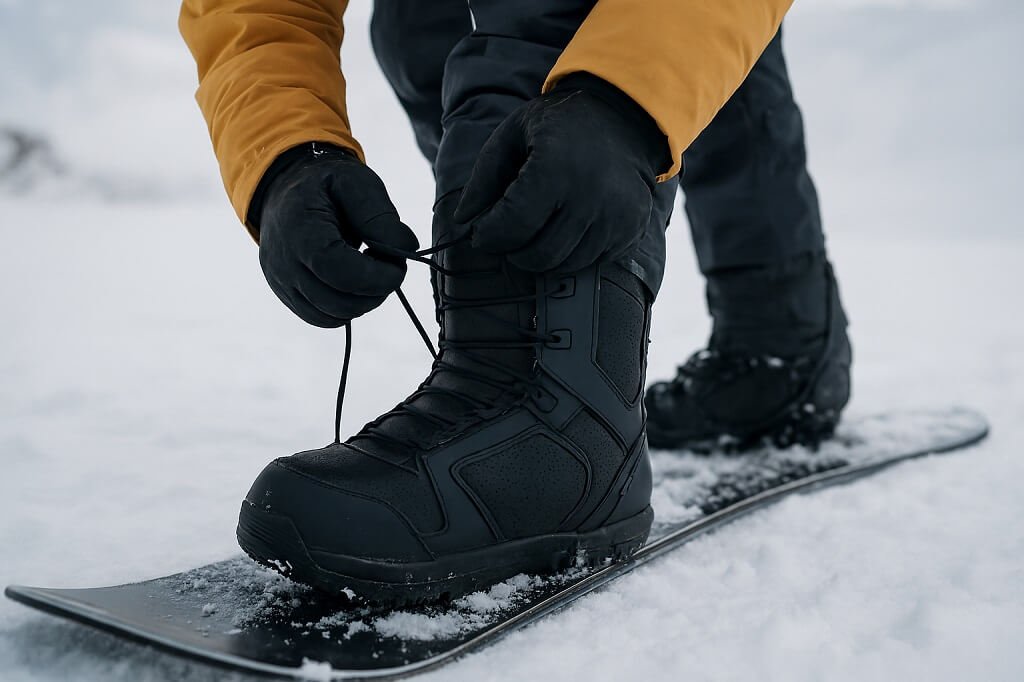
With so many options available in 2026, knowing what to look for is essential. This guide will help you understand the most important features and make an informed decision.
Snowboard Boot Flex Ratings Explained
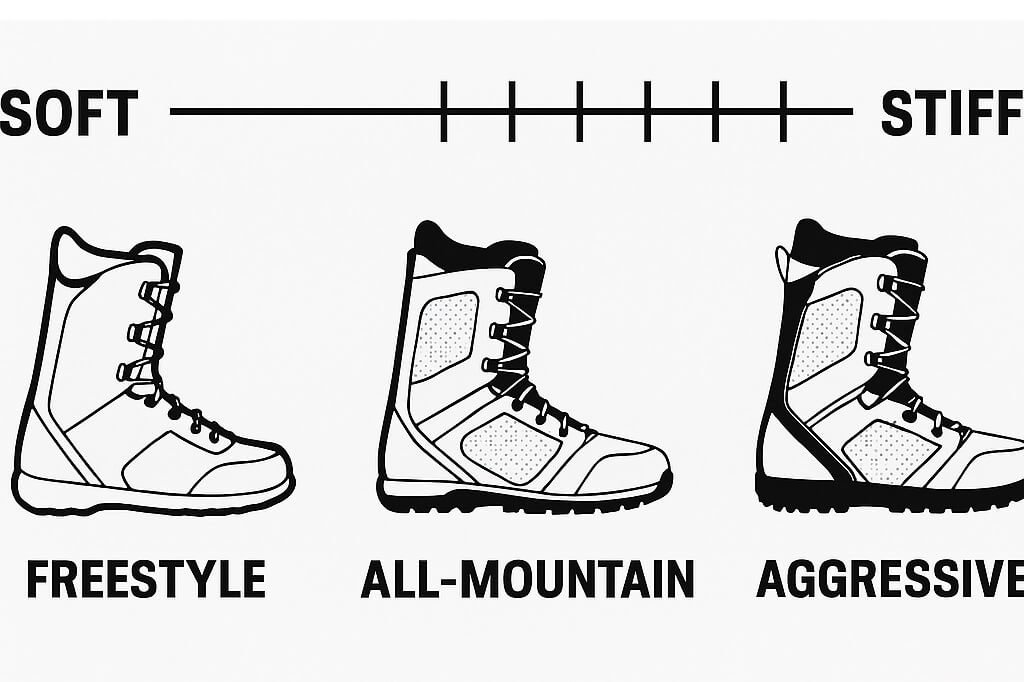
Understanding flex ratings helps match your boots to your riding style. Boot flex determines how stiff or soft the boot feels and directly affects your control and comfort:
- Soft flex (1–4/10): Ideal for beginners and freestyle riders. Offers comfort and forgiveness for learning tricks and park maneuvers.
- Medium flex (5–7/10): Provides a balance of comfort and responsiveness. Suitable for intermediate riders and all-mountain riding.
- Stiff flex (8–10/10): Best for advanced riders seeking precise control at high speeds or aggressive carving.
Our top 8 picks include a range of flex options to suit everyone, from soft freestyle-friendly Vans Infuse to stiff high-performance Burton Ion.
Snowboard Boots Lacing Systems Guide
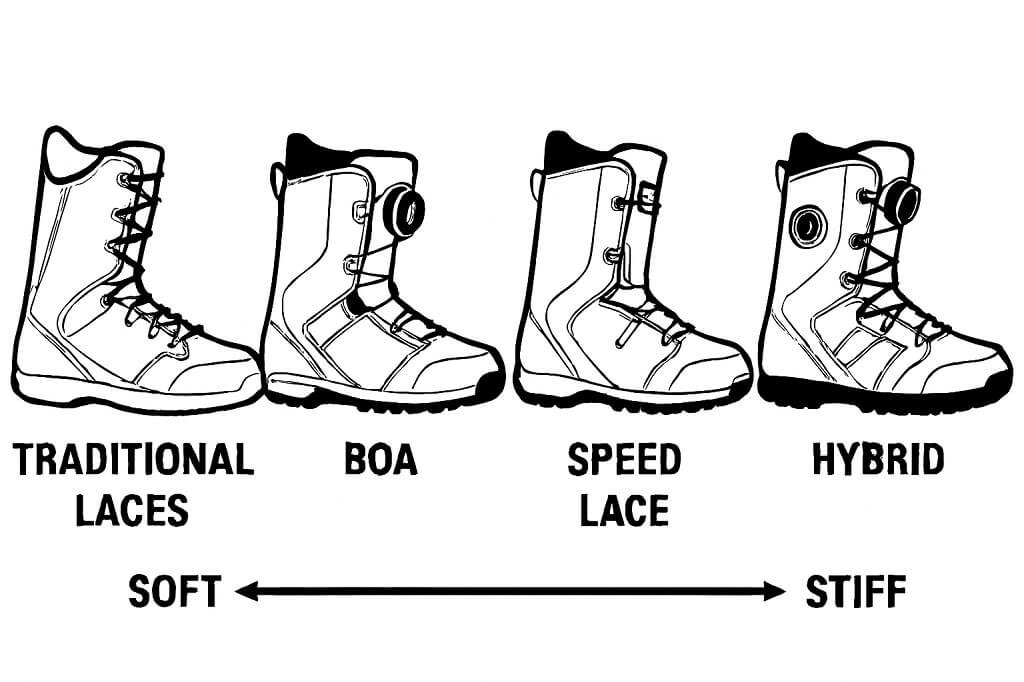
Boot closure systems influence fit, convenience, and ride control:
- Traditional laces: Customizable fit but take longer to adjust. Classic option for precise forefoot tension.
- BOA® system: Quick and easy micro-adjustments with dials. Provides consistent fit and secure heel hold.
- Speed laces: Fast tightening and loosening, suitable for riders who prioritize convenience.
- Hybrid systems: Combine laces and BOA or other dial mechanisms for targeted support.
Fit and Sizing Considerations
Proper fit prevents discomfort, heel lift, and foot fatigue:
- Measure your foot accurately and consult the brand’s sizing chart.
- Consider heat-moldable liners for a more personalized fit.
- Wide feet? Look for boots labeled as “wide” or brands known for accommodating wider shapes.
Special Features and Performance
- Heel hold: Critical for responsive turns and control.
- Cushioning: EVA or dual-density midsoles absorb impacts for long sessions.
- Durability: Reinforced shell and high-stress areas extend boot lifespan.
- Warmth and moisture management: Insulated liners and moisture-wicking materials keep feet dry in cold, wet conditions.
Best Value Snowboard Boots 2026
When evaluating boots, consider price vs features. Mid-range boots often offer the best combination of comfort, performance, and durability. Premium boots provide advanced flex, top-tier liners, and precise lacing systems. Entry-level boots focus on comfort and affordability, suitable for beginners or casual riders.
❓ Snowboard Boots FAQs 2026
Are snowboard boots true to size?
Most modern snowboard boots, including our top 8 expert-tested picks, run true to size. However, sizing can vary by brand and boot model. For a perfect fit, always measure your foot and compare it to the manufacturer’s sizing chart. Remember, heat-moldable liners can slightly adjust the fit after break-in.
Can you use old snowboard boots?
Yes, you can, but there are caveats. Older boots may have worn-out cushioning, reduced heel hold, or compromised liner support, which can affect control and comfort. If you notice excessive flex, heel lift, or moisture retention issues, it’s time to upgrade to a newer model for both safety and performance.
Difference between men’s and women’s snowboard boots
Men’s and women’s boots differ in fit and flex patterns. Women’s boots are narrower in the heel, have lower volume, and sometimes softer flex to accommodate lighter weight and lower foot arch profiles. Some brands also feature women-specific liners and insoles for improved comfort and performance.
How long do snowboard boots last?
The lifespan of snowboard boots depends on frequency of use and care. Regular riders can expect 3–5 seasons of reliable performance, especially if liners, soles, and lacing systems are well maintained. Extreme use or poor storage can reduce longevity. However, careful drying and regular cleaning can extend life.
Do snowboard boots work with all bindings?
Most boots are compatible with standard strap bindings, but step-in systems like Burton Step On require boots specifically designed for that system. Our reviewed boots include both traditional and Step On-compatible models, ensuring compatibility with your preferred bindings. Always check manufacturer compatibility to ensure safe, secure connections.
Conclusion
Ultimately, the best snowboard boots for you depend on your riding style, skill level, and personal preference. This 2026 roundup equips you with all the insights to make an informed decision, whether you are carving groomers, hitting freestyle park features, or exploring off-piste terrain. Step onto the mountain with confidence knowing your boots are chosen by experts, tested in real conditions, and ranked to deliver the best combination of performance, comfort, and durability for 2026.