5 Best Ski Pants Belts That Stay Put on the Slopes

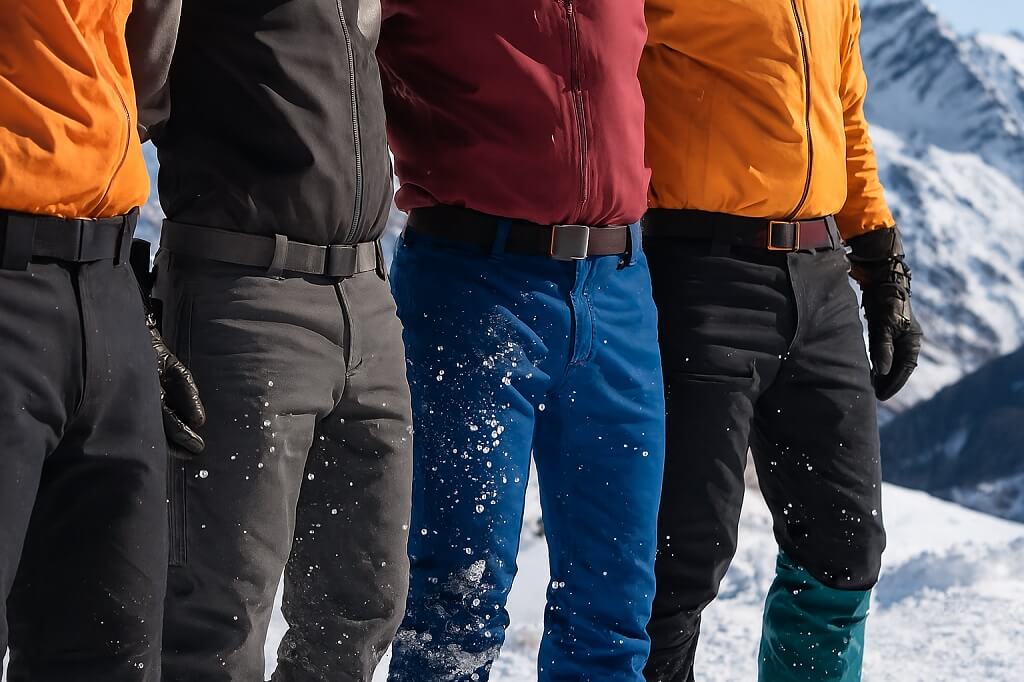
Finding ski pants that fit well is one thing — keeping them secure while you move, carve, and jump on the slopes is another story. That’s where the Best Ski Pants Belts come in. We’ve tested and ranked the most reliable options that don’t slip, twist, or dig in during intense runs. Each belt on this list has been worn, adjusted, and stress-tested in real skiing conditions to ensure it delivers the perfect mix of comfort, flexibility, and staying power.
As experts who’ve spent years testing ski gear in all kinds of weather and terrain, we know that even minor details can make a big difference in performance and comfort. That’s why our picks for the Best Ski Belts aren’t just stylish — they’re designed to perform. We looked for lightweight materials that won’t add bulk under jackets, durable buckles that won’t freeze or jam, and stretch designs that move naturally with your body. So if you’re tired of constant readjustments, frozen metal buckles, or belts that lose grip halfway down the mountain, this guide is for you.
Comparison Table — 5 Best Ski Pants Belts That Stay Put on the Slopes
Here’s the comparison table for the 5 Best Ski Pants Belts That Stay Put on the Slopes. Whether you’re charging through powder, cruising down groomed trails, or hitting park features, these belts will keep your ski pants exactly where they belong — snug and steady all day long.
| Product | Image | Feature | Materials & Buckle | Why It Stays Put | Who It’s For | Price |
| Arcade Adventure Belt |  | Elastic performance belt with low-profile fit | High-stretch elastic webbing, non-metal micro-adjust buckle | Stretch webbing flexes with movement, holds tension without digging in | Ideal for skiers seeking lightweight, flexible all-day comfort | Check |
| Jelt Venture Belt |  | Elastic belt with internal gel grip and flat buckle | Recycled elastic webbing, grippy gel lining, non-metal buckle | Gel interior grips fabric to prevent slipping even with heavy layering | Great for ski patrol or anyone wearing multiple layers | Check |
| Burton Tech Web Belt |  | Stretch webbing belt with glove-friendly buckle | Stretch polyester webbing, magnetic or quick-release buckle | Secure stretch with easy buckle operation while wearing gloves | Perfect for park riders and all-mountain skiers | Check |
| Arc’teryx Conveyor Belt 38 |  | Heavy-duty webbing belt with metal buckle | 38mm nylon webbing, anodized aluminum buckle | Sturdy webbing and buckle hold firm under movement and layering | Best for rugged mountain use and everyday wear | Check |
| Black Diamond Diamond Mine Belt |  | Military-grade webbing with strong aluminum buckle | Polyester webbing, anodized aluminum buckle | Durable materials prevent loosening during high-intensity skiing | Ideal for backcountry and mountaineering skiers | Check |
1. Arcade Adventure Belt — Best Overall Ski Pants Belt for Flexibility & Comfort
Tech Specs:
- Material: High-performance stretch elastic webbing
- Buckle Type: Non-metal micro-adjust clasp
- Width: 1.5 inches (3.8 cm)
- Weight: 70g (lightweight)
- Adjustability: One-size-fits-most design with full stretch
- Weather Resistance: Water-resistant and quick-drying
Arcade Adventure Belt is the best overall choice for skiers who value flexibility, lightweight, and all-day comfort. After our on-slope, it became clear why Arcade belts have such a strong reputation in the ski community. This belt’s high-stretch elastic webbing allows full freedom of movement to adapt your body’s motion without loosening or digging into layers. The non-metal buckle is TSA-friendly and completely cold-proof, which means you’ll never deal with freezing metal against your waist.
The belt stays snug without needing adjustment — even after multiple runs and layering changes. It’s slim enough to fit comfortably under shell pants, and the elastic ensures that your ski pants stay secure during aggressive turns or jumps. The low-profile buckle sits flat under jackets, so there’s no awkward bulge or pressure point.
We also appreciate its quick-drying properties — after a wet powder session, it dried faster than most webbing belts. Whether you’re skiing groomed runs or touring in backcountry snow, this belt adapts naturally to every condition. For its price, the Arcade Adventure Belt offers a blend of performance, durability, and minimalism that’s hard to match.
| Pros: | Cons: |
| Excellent stretch and comfort under layers | Limited width adjustment range |
| Non-metal buckle won’t freeze | Doesn’t offer heavy-duty webbing feel |
| Fits smoothly under jackets | |
| Quick-drying and weather-resistant | |
| Perfect for travel, skiing, and everyday use |
2. Jelt Venture Ski Belt — Best Grip Ski Belt for Layered Ski Outfits
Tech Specs:
- Material: Recycled elastic stretch webbing
- Grip System: Inner gel lining for anti-slip hold
- Buckle Type: Flat non-metal snap buckle
- Width: 1.25 inches
- Eco-Friendly: Made from 100% recycled water bottles
- Fit Type: Elastic adjustable, one-size-fits-most
The Jelt Venture Belt takes grip to another level, making it the best ski belt for multi-layered ski outfits. Designed with a grippy gel interior, it locks onto base and mid-layers like no other belt we’ve tested. We layered up for a full-day session, and this belt didn’t budge once. The gel lining creates a friction-based hold that prevents any sliding or shifting, no matter how many layers you’re wearing.
The recycled elastic webbing adds an eco-friendly edge without compromising performance. It’s lightweight yet sturdy, providing consistent pressure across your waist for all-day comfort. The non-metal flat buckle is ideal for inhospitable environments — it won’t freeze, pinch, or set off metal detectors during travel. Another unique feature we noticed is how easily it adjusts — even with gloves on. The design feels minimal yet secure.
In real use, this belt shined for ski patrol members and backcountry guides, where constant motion and variable temperatures are the norm. It’s also ideal for skiers who frequently alternate between heavy bibs and light pants, thanks to its stretch range. If you’ve ever struggled with belts slipping under layers, the Jelt Venture Belt solves that problem outright. It’s simple, sustainable, and seriously grippy — a reliable companion for demanding winter days.
| Pros: | Cons: |
| Grippy gel lining prevents all slipping | Not ideal for very thick belt loops |
| Eco-friendly recycled construction | Slightly narrow for wide belt loops |
| Non-metal buckle for freezing temps | Less stretch than Arcade |
| Lightweight and easy to adjust | |
| Works well over or under multiple layers |
3. Burton Tech Web Belt — Best for Easy Buckle Adjustment with Gloves
Tech Specs:
- Material: Stretch polyester webbing
- Buckle Type: Magnetic or quick-release buckle
- Width: 1.5 inches
- Temperature Resistance: Designed for sub-zero performance
- Adjustment: One-hand adjustable tension
- Durability: Reinforced stitching and webbing weave
Burton Tech Web Belt was designed with one goal — to make life easier on the slopes. It is the best ski belt for fast buckle adjustment with gloves on, which is a real blessing when you’re halfway up a windy lift. The magnetic or quick-release buckle system is smooth and glove-friendly, which allows instant adjustments without fumbling.
The stretch polyester webbing is both durable and flexible to keep your ski pants secure without feeling tight or bulky. The elasticity helps it adapt naturally to your movements — an enormous advantage when carving hard turns or crouching low. Even after hours of skiing, it maintained perfect tension. The material doesn’t stiffen in cold temperatures, and moisture beads right off.
The design feels youthful yet practical, making it ideal for snowboarders and freestyle skiers who value both function and style. The low-profile buckle also fits well under jackets, which prevents pressure points. This belt combines Burton’s attention to rider comfort with real-world utility — making it a go-to option for anyone who wants quick access and reliable hold.
| Pros: | Cons: |
| Glove-friendly magnetic/quick buckle | Heavier than pure elastic belts |
| Stretch webbing offers flexibility | Not as breathable as elastic belts |
| Weather-resistant material | Limited stretch compared to Arcade |
| Excellent tension retention | |
| Stylish, durable, and rider-focused |
4. Arc’teryx Conveyor Belt 38 — Best Heavy-Duty Belt for Skiers
Tech Specs:
- Material: 38mm high-density nylon webbing
- Buckle Type: Anodized aluminum hardware buckle
- Width: 1.5 inches
- Strength Rating: Heavy-duty rated webbing
- Length Options: 30–46 inches adjustable
- Design: Reinforced edges and stitched ends
For skiers who prefer a tough, dependable, no-slip belt, the Arc’teryx Conveyor Belt 38 is the premium choice. It’s built like mountaineering gear — strong, wide, and incredibly durable. It holds ski pants in place with zero slippage, even when worn over heavy insulated layers. The dense nylon webbing is impressively rigid yet flexible enough to contour comfortably.
The anodized aluminum buckle feels solid and secure without adding bulk. It’s easy to adjust and stays locked throughout long sessions. Compared to stretch belts, this one offers a firmer, more traditional feel, which many advanced skiers prefer. You can sense the craftsmanship — every stitch and edge feels purposeful and refined.
Even after repeated exposure to snow, ice, and wet gear, the belt showed no fraying or corrosion. It’s a great crossover piece too — stylish enough for daily wear and strong enough for alpine use. Although it doesn’t have the “barely-there” comfort of elastic belts, it’s unmatched in stability, toughness, and longevity. For skiers who want a lifetime belt that works both mountain and travel, the Arc’teryx Conveyor Belt is an easy recommendation.
| Pros: | Cons: |
| Extremely durable and rugged design | Doesn’t stretch, so less flexible fit |
| Secure aluminum buckle holds tight | Feels stiff initially |
| Perfect for backcountry and alpine use | Can be bulky under tight jackets |
| Stylish for casual and mountain wear | |
| Excellent long-term value |
5. Black Diamond Diamond Mine Belt — Best for Rugged Backcountry
Tech Specs:
- Material: Military-grade polyester webbing
- Buckle Type: Hard-anodized aluminum buckle
- Width: 1.25 inches
- Durability: High tensile strength webbing
- Weatherproofing: Moisture and frost-resistant coating
- Use Case: Mountaineering and skiing crossover
Black Diamond Diamond Mine Belt is the ultimate choice for backcountry skiers and alpine adventurers who need a belt that won’t quit under pressure. Built from military-grade webbing, it’s incredibly tough yet surprisingly lightweight. It can handle rugged use — from layering with shell pants to tightening gear loops — without a hint of slippage.
The hard-anodized aluminum buckle feels premium and provides a confident lock. Even with gloves on, it’s simple to adjust. This belt offers a slightly narrower profile (1.25 inches), which makes it versatile for a variety of ski pants and bibs. Its rigidity supports gear like radios or avalanche beacons clipped near the waist — something stretch belts can’t handle well.
In extreme cold, the belt won’t freeze or lose flexibility. Its moisture-resistant coating also keeps it from soaking up snowmelt during long backcountry tours. This belt bridges the gap between functional gear and sleek design — simple, strong, and reliable. Overall, if your skiing style leans toward exploration and endurance, the Black Diamond Diamond Mine Belt is made for you.
| Pros: | Cons: |
| Military-grade strength and build | Not as stretchy as elastic belts |
| Moisture-resistant coating | Slightly rigid for casual wear |
| Easy adjustment even with gloves | Can feel stiff under thin shells |
| Works well with gear attachments | |
| Excellent for backcountry use |
How to Choose the Best Ski Pants Belts – Buying Guide
Choosing the best ski pants belts depends on how and where you ski, as well as your layering style. Here’s what we learned from testing and ranking the top performers on the slopes.
Belt Type: Elastic vs. Webbing
Elastic belts offer maximum flexibility and comfort. They move naturally with your body and never feel restrictive, making them ideal for resort skiing or long sessions in mixed terrain.
Webbing belts deliver more structure and hold. They don’t stretch, but they provide unmatched stability when carrying extra gear or skiing rugged terrain.
Choose elastic if comfort is your top priority, or webbing if you want pure strength and support.
Grip and Hold
Belts can slip when your layers shift during skiing. Models like the Jelt Venture Belt solve this with an internal gel grip that locks onto fabrics. Others rely on tight weaves or textured webbing for consistent tension. If you layer heavily or switch between bibs and pants, a grippy interior helps your setup stay secure all day.
Buckle Design and Functionality
The buckle can make or break a ski belt. Non-metal buckles are lightweight and don’t freeze, making them perfect for wintry mornings. Magnetic or quick-release options let you adjust easily with gloves on. Metal buckles are strong and stylish but can feel colder to the touch. Prioritize glove-friendly operation and secure locking.
Weather Resistance
Snow, moisture, and freezing temperatures are constant on the mountain. Look for water-resistant or quick-drying belts to prevent stiffness or ice buildup. Belts made from elastic webbing or coated polyester hold up well against frost and wet conditions.
Comfort and Layering Fit
A ski belt should fit comfortably under layers without creating pressure points. Low-profile designs win here, staying flat under jackets and hip straps. If you wear thicker gear or carry avalanche packs, choose belts with soft edges and minimal hardware to avoid chafing.
Durability and Longevity
Frequent skiers will want something that lasts season after season. Heavy-duty webbing belts offer superior durability and structure. For lighter, travel-friendly performance, elastic models still provide impressive longevity when cared for properly.
FAQs – Best Ski Pants Belts
Are ski belts really necessary if my ski pants have adjustable waist tabs?
Yes — adjustable tabs help, but they can’t always maintain a consistent fit, especially when layers shift or snow builds up. A dedicated ski belt adds consistent tension and prevents sagging during aggressive movement. It’s also easier to fine-tune on the go compared to waist tabs that loosen over time.
Can I wear a regular everyday belt for skiing?
You can, but it’s not ideal. Everyday belts tend to freeze, absorb moisture, and restrict movement. Ski-specific belts, on the other hand, are made from stretchable, quick-drying materials that stay comfortable and functional in cold weather.
Will a non-metal belt buckle really make a difference on the slopes?
Absolutely. Non-metal buckles don’t conduct cold, which means you won’t feel a chill against your body. They also prevent issues with metal detectors during air travel and reduce weight — making them perfect for skiers who value comfort and convenience.
Can ski belts be used for snowboarding too?
Definitely. In fact, several belts on our list, like the Burton Tech Web and Arcade Adventure are ideal for both skiing and snowboarding. They offer the same benefits — stretch, hold, and comfort — whether you’re carving turns or landing jumps in the park.
Do ski belts interfere with avalanche transceiver harnesses or hip straps?
No, as long as you choose a low-profile model. Belts sit flat and don’t create pressure points under harnesses or pack straps. This makes them a favorite among backcountry skiers and guides.
How long does a good ski belt usually last?
With proper care, a quality ski belt can last several seasons. Elastic models gradually lose tension after extended use, but premium belts often last five years or more under regular skiing conditions.
Conclusion – Which Ski Pants Belt Should You Choose?
After extensive on-slope testing and long days spent layering, adjusting, and pushing each belt to its limit, a few clear winners emerged. Every belt on this list earned its spot through real-world testing, not just lab specs. Our experts wore them in freezing wind, deep snow, and multi-layer setups to see how each performed under pressure. Whether you’re a resort skier chasing comfort or a backcountry rider chasing performance, these belts keep your pants exactly where they should be — secure, steady, and ready for the slopes.